REVIEW · OSAKA
Osaka : Cooking Class Okonomiyaki & Takoyaki course in Nanba
Book on GetYourGuide →Operated by 株式会社XLSWORLD · Bookable on GetYourGuide
Cooking Osaka favorites beats sightseeing every time. In a small Nanba class, you learn to make two of Osaka’s best-known street foods—okonomiyaki and takoyaki—then sit down with what you cooked and a few drinks.
I especially like the hands-on coaching. The instruction is friendly and patient, and you get guided as you build your savory pancake and your dough-ball takoyaki from scratch. I also like the take-home recipes plus the tasting session—so the fun doesn’t end when class ends.
One thing to consider: this is a food-focused evening. You’ll be eating what you make, and one helpful tip is to avoid a heavy meal beforehand, and also double-check the final price you’re charged since some bookings felt it was on the pricey side.
In This Review
- Key highlights you can count on
- Nanba okonomiyaki and takoyaki: why this class fits Osaka
- How the 2-hour schedule feels in real life
- Instructors that actually help you cook, not just watch
- What you learn: making Osaka’s signature comfort foods
- Okonomiyaki: Osaka savory pancakes
- Takoyaki: savory dough balls
- You leave with recipes
- The tasting with sake, beer, and soft drinks
- Price and value: what $70 buys you (and why it might feel fair)
- Getting to Dear Court Semba and finding Room 303
- Who should book this Nanba class
- Quick FAQ for planning your night
- FAQ
- How long is the cooking class in Nanba?
- What do you do during those 2 hours?
- Which dishes will I cook?
- Are ingredients and cooking tools included?
- Is there food after cooking?
- Are drinks included during the tasting?
- What languages are used for instruction?
- How big is the group?
- Is it wheelchair accessible?
- Where do I meet, and what’s the entrance procedure?
- Should you book this Osaka okonomiyaki and takoyaki class?
Key highlights you can count on
- Small group setting (max 8), so you’re not lost in the crowd
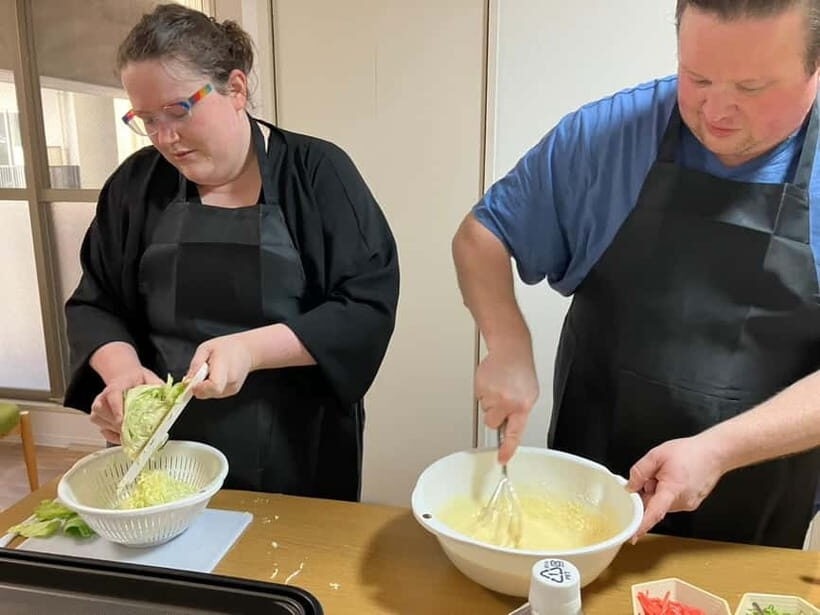
- Hands-on cooking for 1.5 hours with guidance from Washoku professionals
- 30 minutes to get oriented and prep before the real cooking starts
- 1-hour tasting session paired with sake, beer, and soft drinks
- Recipes included to take home, so you can recreate it later
- Multilingual support (English/Japanese, with Spanish support mentioned for the class team)
Nanba okonomiyaki and takoyaki: why this class fits Osaka
Osaka has a way of turning food into an event. This class is a practical way to experience that. Instead of only watching from the sidelines, you do the work: mixing, cooking, and building your plates the Osaka way, then eating them while it’s still satisfying and fresh.
Nanba is a good neighborhood for this kind of activity. It’s lively, food-forward, and easy to connect to the rest of your Osaka days. And because the class lasts just 2 hours, it fits neatly between sightseeing blocks—especially if you prefer experiences where you’ll leave with something useful (skills and recipes), not just photos.
The big win here is that you get a structured flow. You start with prep and orientation, you cook for a focused stretch, then you relax with a tasting paired with drinks. That pacing matters. It keeps the energy high, but it also helps you avoid the classic cooking-class problem: everyone scrambling with no idea what happens next.
You can also read our reviews of more cooking classes in Osaka
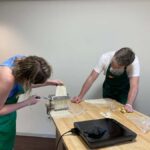
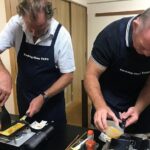
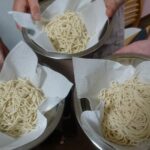
How the 2-hour schedule feels in real life
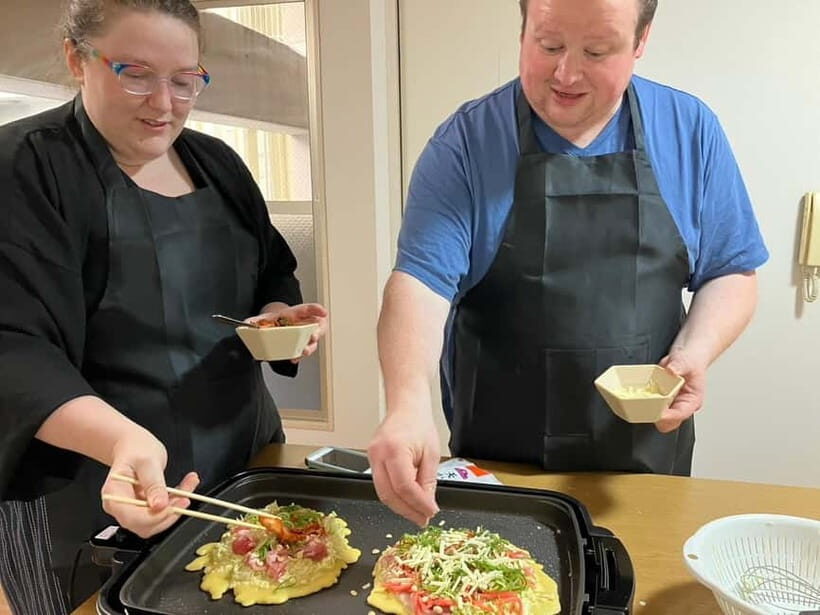
The class is designed as three clear phases: orientation and prep, hands-on cooking, then tasting.
First comes a 30-minute orientation and preparation. This is where you get your bearings, learn what you’ll be making, and understand the basics you need so the cooking phase doesn’t feel random. The most practical part is that you’re not thrown straight into a hot pan. You start by getting ready—tools and ingredients are provided—so you can focus on learning rather than logistics.
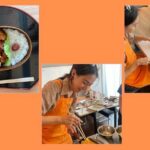
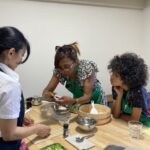
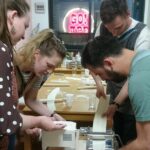
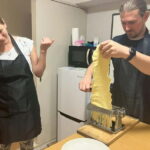
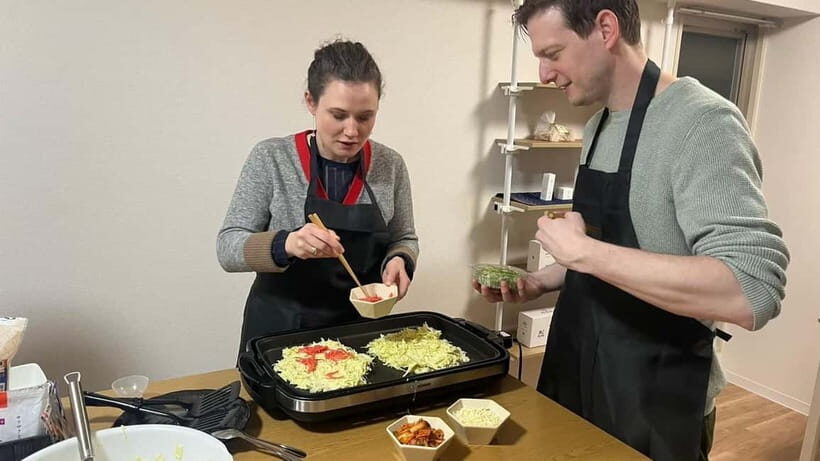
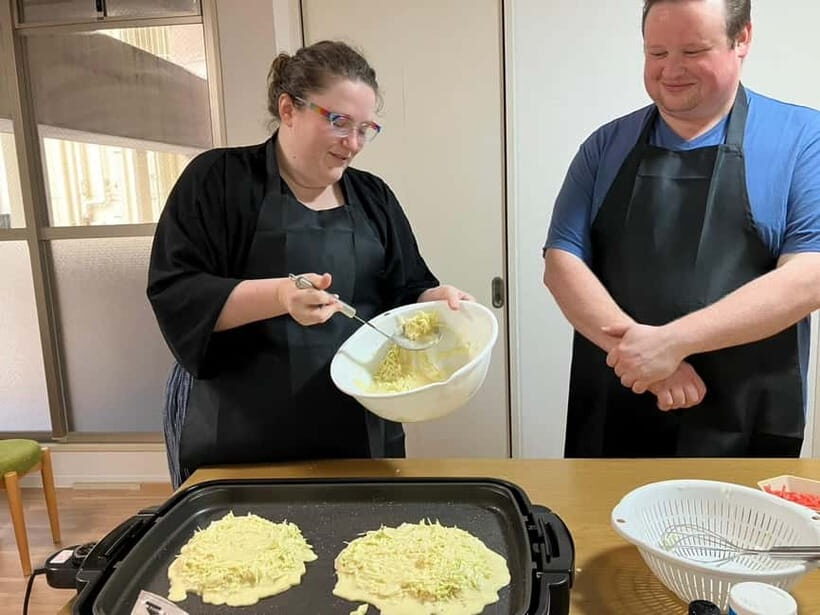
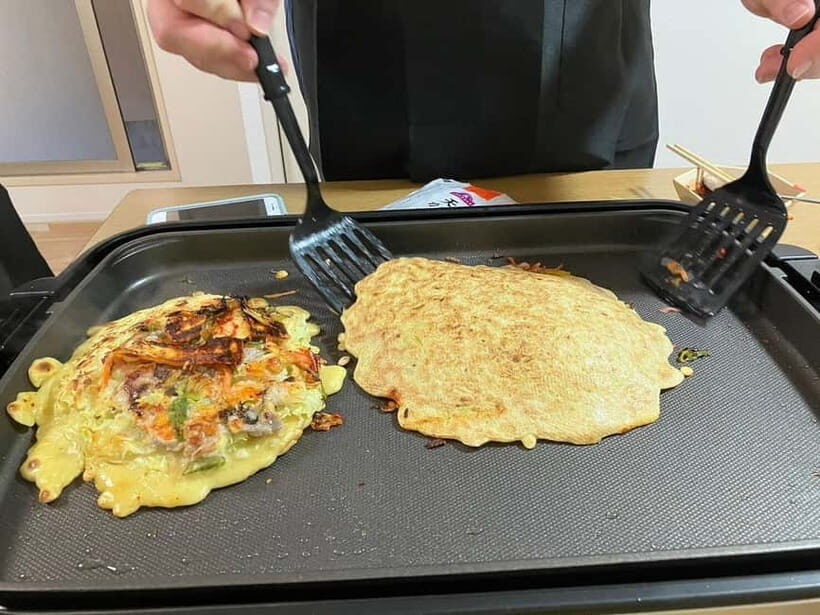
Next is the 1.5 hours of hands-on cooking. This is the core of the experience. You’ll prepare okonomiyaki (Osaka savory pancakes) and takoyaki (savory dough balls). Because the class is small, you’re more likely to get real-time correction—like adjusting technique before it turns into a batch of mistakes.
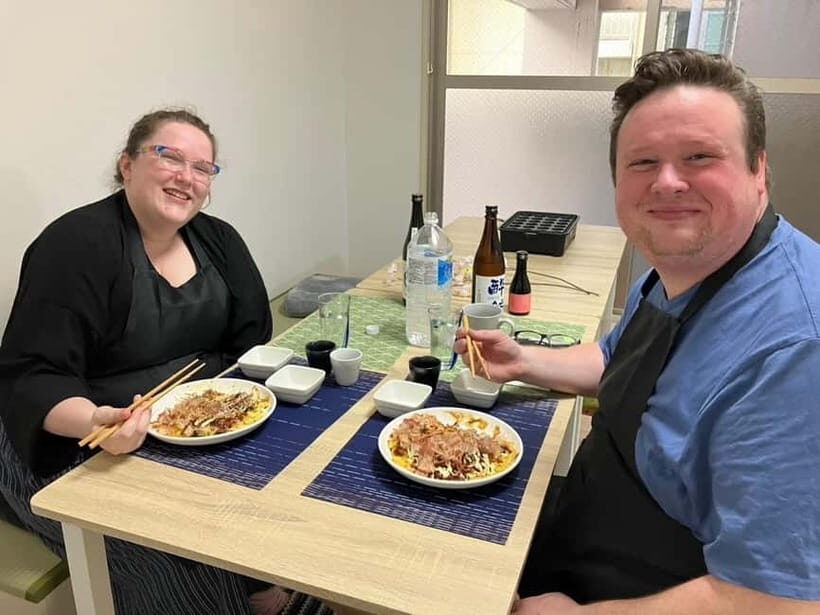
Finally there’s a 1-hour tasting session. This is where your kitchen work becomes dinner. You get to enjoy the okonomiyaki and takoyaki you made, and it’s paired with drinks: sake, beer, and soft drinks. I like this structure because you get the best of both worlds. You learn the process, then you immediately understand what good results taste like.
Instructors that actually help you cook, not just watch
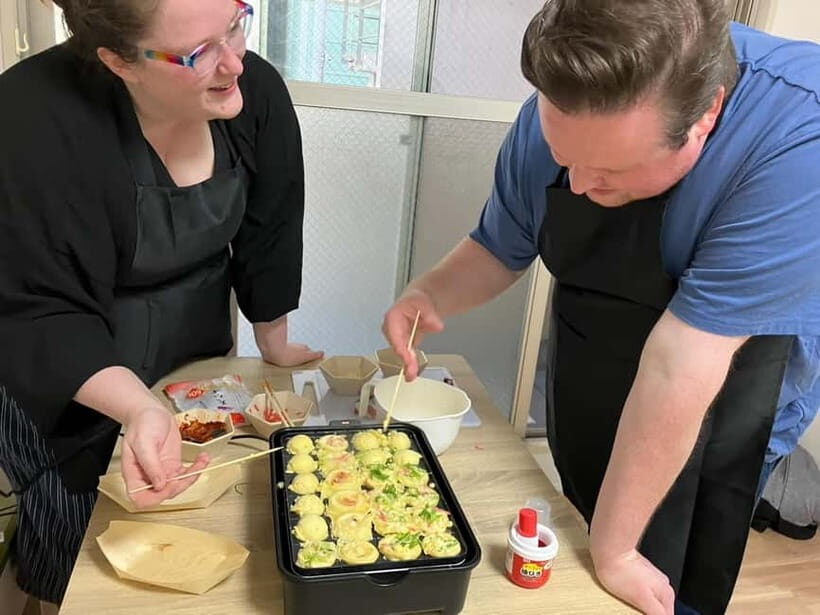
One reason this class earns such strong scores is the teaching style. The instructors are described as professional Washoku guides, and they’re friendly and hands-on. Names that come up include Nana and Mimi, and you may also meet hosts like Asami and Sacha depending on the class lineup.
You’ll also notice the language support is built for visitors. The class is designed with English and Japanese instruction in mind, and the activity description also notes Spanish support for the team. In practical terms, that means you’re less likely to feel stuck when you don’t understand a cooking step or ingredient.
Small group size makes a difference here. With a limit of 8 participants, you get more individual attention than you would in a big demo-style workshop. That matters when you’re learning techniques that are easier to correct while you’re still in the middle of cooking.
If you like chatting while you learn, this is a solid format. One of the nice surprises in the experience is how the instructors help you feel comfortable enough to ask questions, not just follow steps like a robot. It turns cooking into conversation, and that makes the hour after cooking more enjoyable too.
What you learn: making Osaka’s signature comfort foods
You’ll focus on two dishes, and both are straightforward in concept but teachable in technique:
Okonomiyaki: Osaka savory pancakes
The class teaches you how to make okonomiyaki, described as Osaka’s beloved local savory pancakes. In a class like this, the real value is not just knowing the name. It’s getting comfortable with how the batter and toppings come together and learning the rhythm of cooking until it looks and smells right.
Because everything is provided—ingredients and tools—you can concentrate on technique. That’s a big deal if you’re a beginner. You don’t need to hunt for Japanese pantry items before you arrive.
A few more Osaka tours and experiences worth a look
Takoyaki: savory dough balls
You’ll also make takoyaki, described as savory dough balls. This is the dish that tends to feel most intimidating to beginners, mostly because it’s an interactive shape-making process rather than a single pan meal. In a guided class, you’re taught how to manage the cooking steps so you end up with takoyaki that are the result you were aiming for.
The best part is that you don’t have to guess. With professional guidance, you learn what to watch for and how to adjust as you go. And then—importantly—you get to taste your own output right away.
You leave with recipes
A standout feature is that you take home the recipes. That turns this from a one-night meal into an activity with a shelf life. If you’ve ever cooked something once, then tried to repeat it later and realized you forgot the key step, this is what helps you avoid that.
The tasting with sake, beer, and soft drinks
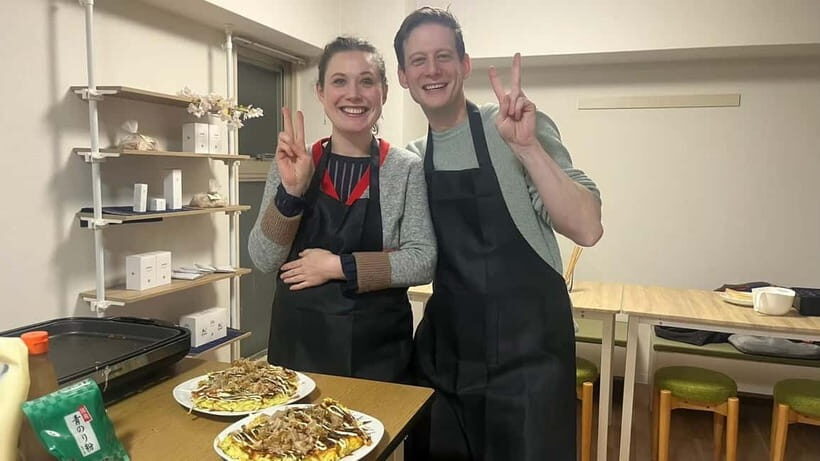
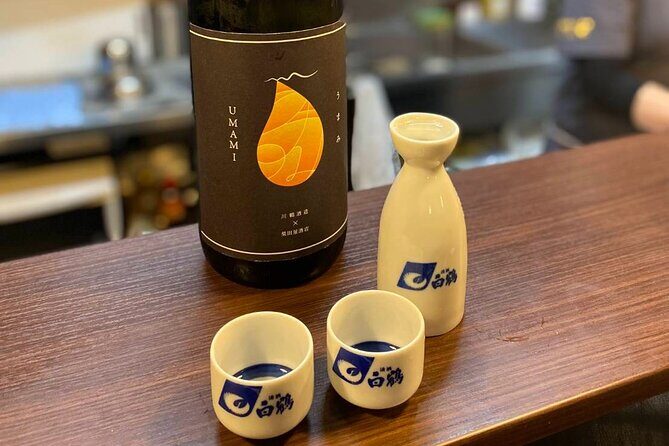
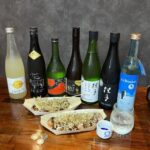
The tasting session is built in, and it’s not an afterthought. You get 1 hour to eat the okonomiyaki and takoyaki you made, and it’s paired with drinks including sake, beer, and soft drinks.
This is exactly the kind of detail that improves the class value. You aren’t just tasting someone else’s work. You’re tasting your own. That makes it easier to understand the difference between good technique and shaky technique.
One practical note: go in without a heavy meal first. A few participants specifically advise not to come stuffed. That’s because you’ll be cooking, then eating a lot during the tasting. If you arrive with a full belly, you’ll miss the best part: the satisfaction of finishing what you made.
If you’re a non-drinker, the soft drinks are included too, so you can still enjoy the pairing without feeling pressured.
Price and value: what $70 buys you (and why it might feel fair)
At $70 per person, this class can be a very efficient way to get a deep food experience. Cooking classes can vary widely in price depending on group size and what’s included, and here the core inclusions are strong: all ingredients and tools, expert guidance, the full hands-on cooking portion, a full tasting session, and recipes to take home.
What makes it feel like value is the combination of:
- time spent actually cooking (not just watching),
- a structured itinerary that guides you from prep to finished food,
- and the fact that you leave with recipes.
That last point matters. Skills fade, but recipes help you keep the learning alive.
One caution: at least one booking felt the price was high compared with expectations. That doesn’t mean it’s automatically overpriced, but it does mean you should judge it based on your appetite for hands-on cooking and your desire for the included tasting. If you mainly want a quick snack while sightseeing, you might find it too much. If you love food and want a real workshop experience, it can feel like a smart use of a couple hours.
Getting to Dear Court Semba and finding Room 303
The meeting point is Dear Court Semba 303, located at 4-chōme-3-1 Bakurōmachi, Chuo Ward, Osaka, 541-0059.
The building setup is simple but specific:
- When you arrive, there’s a doorbell at the entrance.
- Press 303 and then the button labeled Call 呼.
- Once the door opens, go up to Room 303 on the 3rd floor.
This kind of detail sounds minor until you’re standing there. If you give yourself an extra 10 minutes on the ground, you’ll avoid that stressed, late-start feeling.
Who should book this Nanba class
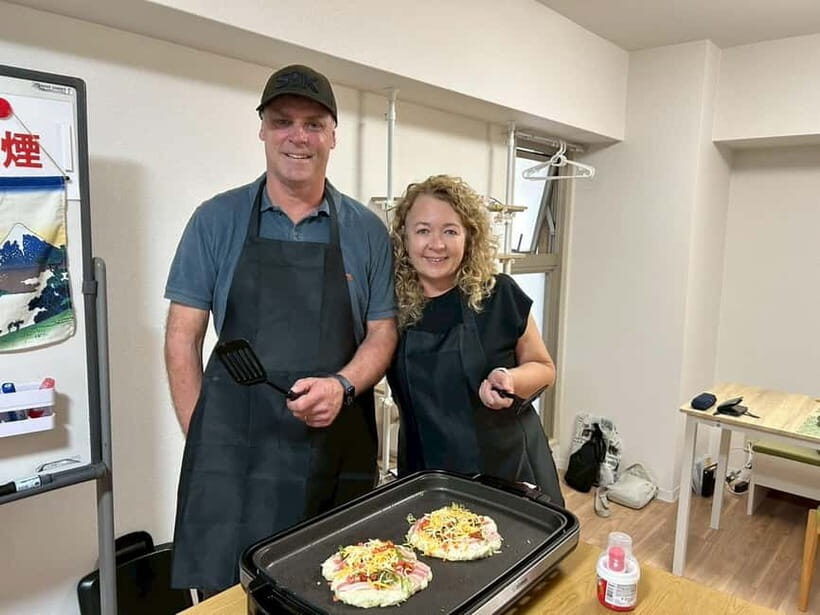
This experience is a great match if you:
- want a hands-on evening with real instruction,
- like okonomiyaki and takoyaki but want to learn how they’re made,
- prefer small groups (max 8),
- and value taking home recipes you can actually use.
It also works well if you’re traveling with another person and want a shared activity you can talk about afterward. And for people who like structure, the “orientation → cooking → tasting” format gives you a clear arc.
If you’re sensitive to crowds, this small group format is a comfort. If you’re hard on time, note that it’s a scheduled 2-hour experience with a fixed flow, so plan your day around it.
Also, it’s not pet-friendly. If you’re traveling with a pet, you’ll need another option.
Quick FAQ for planning your night
FAQ
How long is the cooking class in Nanba?
The class runs for 2 hours total.
What do you do during those 2 hours?
You’ll have a 30-minute orientation and preparation, then 1.5 hours of hands-on cooking, and finally a 1-hour tasting session.
Which dishes will I cook?
You’ll cook okonomiyaki and takoyaki.
Are ingredients and cooking tools included?
Yes. All ingredients and tools are included for the cooking portion.
Is there food after cooking?
Yes. During the 1-hour tasting session, you enjoy the okonomiyaki and takoyaki you made.
Are drinks included during the tasting?
Yes. Drinks included are sake, beer, and soft drinks.
What languages are used for instruction?
The class offers instruction in English and Japanese, and the activity information also notes Spanish support for the team.
How big is the group?
It’s a small group, limited to 8 participants.
Is it wheelchair accessible?
Yes, it’s listed as wheelchair accessible.
Where do I meet, and what’s the entrance procedure?
You meet at Dear Court Semba 303, 4-chōme-3-1 Bakurōmachi, Chuo Ward, Osaka. Use the doorbell by pressing 303 and then the Call 呼 button, then go to Room 303 on the 3rd floor.
Should you book this Osaka okonomiyaki and takoyaki class?
I’d book it if you want a food experience that’s active, structured, and actually useful. You cook for real, you eat what you make with included drinks, and you take home recipes you can use later. That combination is hard to beat for a 2-hour block.
Skip it only if you’re not that into cooking. If you mainly want passive sightseeing, a workshop may feel like too much effort for too little payoff. Also, if you’re trying to keep your evening super light, plan around the fact that you’ll be eating a lot.
If you’re in Nanba and you’d like a memorable way to learn Osaka flavors, this is a strong choice.