REVIEW · OSAKA
Osaka: Kyoto and Nara Private Day Trip
Book on GetYourGuide →Operated by Travel Japan · Bookable on GetYourGuide
A one-day loop through Nara and Kyoto feels like sprinting with style. I like that this is a true private day trip with hotel pickup and drop-off, so you’re not stuck in train-and-timetable math. I especially like the mix of big-ticket icons—Tōdai-ji with its towering bronze Buddha and Kyoto’s gold-leaf Kinkaku-ji—plus calmer time for photos and shopping. The main drawback is simple: it’s 10 hours with a moderate amount of walking, so you’ll want comfortable shoes and a realistic mindset.
If you’re the type who wants Kyoto highlights without spending your whole day commuting, this format makes sense. Expect a professional driver (English, Hindi, and Urdu) and a flexible van plan built around the day’s sights, from the deer-filled paths in Nara to the vermillion torii walk at Fushimi Inari Taisha. One caution: while most trips run smoothly, there have been reports of a late pickup and even one case where the driver didn’t show up.
In This Review
- Key highlights worth planning around
- A 10-Hour Osaka Day Trip That Blends Icons and Slower Moments
- Pickup and Drop-Off: Pick the One That Saves You Time
- Nara Park and Tōdai-ji: Deer Encounters and a Buddha You Can’t Shrink
- Fushimi Inari Taisha: The Torii Gate Walk That Turns Into a Photo Trail
- Kyoto Hits: Kinkaku-ji, Nishiki Market, Gion, and Kiyomizu-dera
- Kinkaku-ji (Golden Pavilion): Gold Leaf in Real Life
- Nishiki Market: A Break for Snacks, Shopping, and Senses
- Gion: Old Streets and Guided Walking
- Kiyomizu-dera: Another Big Temple Moment
- Arashiyama Bamboo Forest and Togetsu-kyō Bridge: The Day’s Calmer Finale
- Transportation and Timing: Why the Private Van Helps So Much
- Price and Value: $474 for Up to 6 People (What That Really Means)
- What to Pack and How to Keep Your Feet Happy
- When Private Days Go Sideways: What to Watch For
- Should You Book This Osaka to Kyoto and Nara Day Trip?
- FAQ
- How long is the Osaka: Kyoto and Nara Private Day Trip?
- What does it cost, and how many people can join?
- Where can I be picked up and dropped off?
- What’s included in the price?
- What isn’t included?
- What languages can the driver speak?
- Is there a lot of walking?
- Can I interact with the deer at Nara Park?
- Is this tour wheelchair accessible?
Key highlights worth planning around
- Nara Park deer time with a safety-first mindset (you interact at your own risk since the deer are wild)
- Tōdai-ji’s Great Buddha in a scale-busting temple complex, built around a 15-meter-tall bronze figure
- Fushimi Inari’s torii-gate walk with photo stops plus time for souvenirs and a slower shrine atmosphere
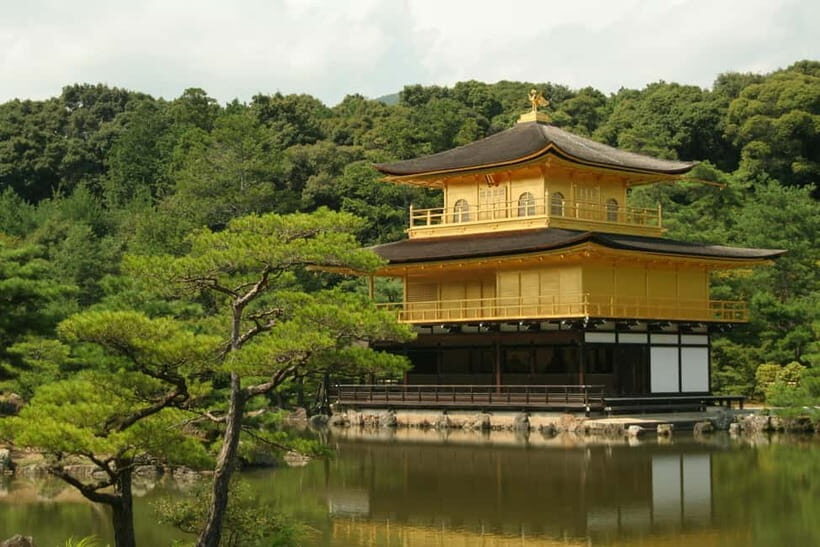
- Kinkaku-ji’s gold-leaf Zen look with a classic photo stop and time to take it in
- Kyoto stops that stack well in one long day: Nishiki Market, Gion, and Kiyomizu-dera
- Arashiyama Bamboo Forest plus a river-bridge finale near Togetsu-kyō and the Katsura River
A 10-Hour Osaka Day Trip That Blends Icons and Slower Moments
This is the kind of tour that works best when you want variety in one sitting: Japan’s famous temples, a shrine walk that looks unreal, market strolling, then a bamboo-and-river finish in Kyoto. The private setup matters here because you’re not coordinating transfers while juggling crowds and lines.
You’ll start with pickup from your chosen area (Osaka, Kyoto, or Nara), then spend most of the day moving between the big clusters of sights. Expect a professional English-speaking driver, and in practice you may find the day feels smoother if you speak up about what you want most—photos, calm time, or getting through the main sights with fewer detours.
You can also read our reviews of more private tours in Osaka
Pickup and Drop-Off: Pick the One That Saves You Time
You can choose among three pickup locations—Nara, Kyoto, or Osaka—and you can also choose among three drop-off locations at the end: Kyoto, Osaka, or Nara. That matters more than it sounds. The “where am I starting?” question often decides whether a day trip feels efficient or exhausting.
Because it’s private, you’re not trapped behind other people’s pace. If your hotel is in a location that makes sense for your day plan, use that. It’s a small choice that can cut down the early friction of getting out the door.
Nara Park and Tōdai-ji: Deer Encounters and a Buddha You Can’t Shrink
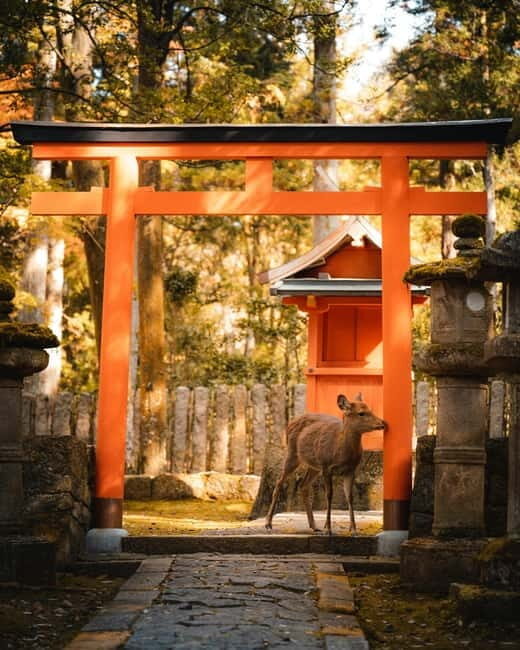
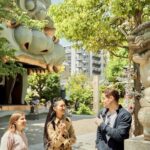
Nara Park is where the day becomes fun fast. You’ll go for a leisurely walk and get time to interact with the deer. This is one of those experiences that sounds cute in a brochure—and still requires common sense on the ground. The deer are wild, and interaction is at your own risk, so don’t treat it like a petting zoo.
Practical tips that keep things comfortable:
- Keep food behavior calm and controlled. Don’t tease.
- Give deer space if they’re clearly focused on something.
- Watch where you step. The ground is not a museum floor; it’s a living park.
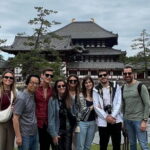
Then comes Tōdai-ji Temple, home to a 15-meter-tall bronze Buddha statue. Scale is the whole point here. Even if you’ve seen photos before, standing in the temple space makes you understand why this site is famous. It’s also the kind of stop that rewards taking a breath—walk in, look up, and let the space do its job.
Fushimi Inari Taisha: The Torii Gate Walk That Turns Into a Photo Trail
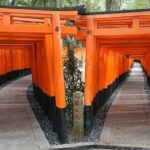
Fushimi Inari Taisha is a shrine visit with motion—torii gates and pathways that naturally pull you forward. You’ll have a photo stop and time to walk through the famous vermillion-red torii gates, which is where the magic happens. It’s also a place where souvenirs and small details keep things lively without turning into chaos you can’t manage.
What to know before you go:
- Wear shoes you can trust for uneven surfaces and lots of steps.
- Plan to pause often. The gates create angles you’ll want to capture more than once.
- If crowds get dense, stepping back from the most congested spots helps you get better photos faster.
This is also a nice contrast after Nara. The feeling shifts from park paths and temple interiors to an open-air rhythm of shrine gates and walking.
Kyoto Hits: Kinkaku-ji, Nishiki Market, Gion, and Kiyomizu-dera
Kyoto in one day is always a balancing act. The smart way to do it is to treat the tour as a lineup where each stop has a different job: one for wow-factor views, one for local life, one for atmosphere, and one for iconic temple energy.
A few more Osaka tours and experiences worth a look
Kinkaku-ji (Golden Pavilion): Gold Leaf in Real Life
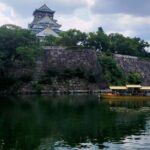
You’ll visit Kinkaku-ji, a Zen temple covered in gold leaf. The photo stop alone is worth it, but give yourself a moment to look beyond the obvious shot. Gold-leaf buildings can look flat in pictures, but in person, the light and reflections do a lot. It’s one of those places where the exterior is the headline, yet the quiet around it still matters.
Nishiki Market: A Break for Snacks, Shopping, and Senses
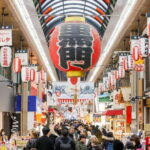
Nishiki Market gives you a break from temples and long walking. You’ll get guided time plus a break, with photo stops and time to shop. This is where you slow down. Grab something small if you want a taste of what Kyoto feels like on the street level—then keep moving.
Gion: Old Streets and Guided Walking
Next up is Gion, where you’ll have time for a photo stop and a walk with guided attention. Gion works best when you don’t sprint. The atmosphere is in the side streets and the general mood, not just a single viewpoint.
Kiyomizu-dera: Another Big Temple Moment
You’ll also stop at Kiyomizu-dera with guided tour time and a walk. This is a classic “Kyoto must-see” for a reason: it’s built for drama, and it tends to make people pause. If you’re the kind of traveler who likes to understand what you’re looking at, this guided time helps connect the dots between the architecture and why it matters.
Arashiyama Bamboo Forest and Togetsu-kyō Bridge: The Day’s Calmer Finale
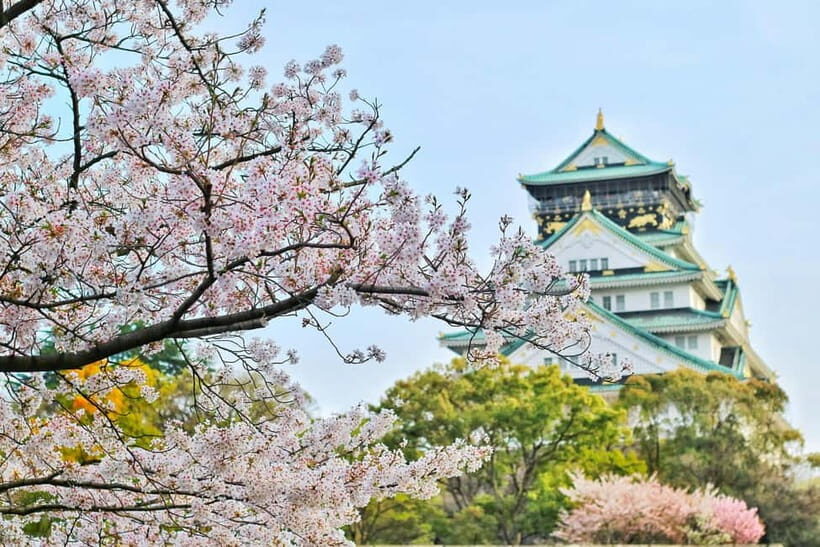
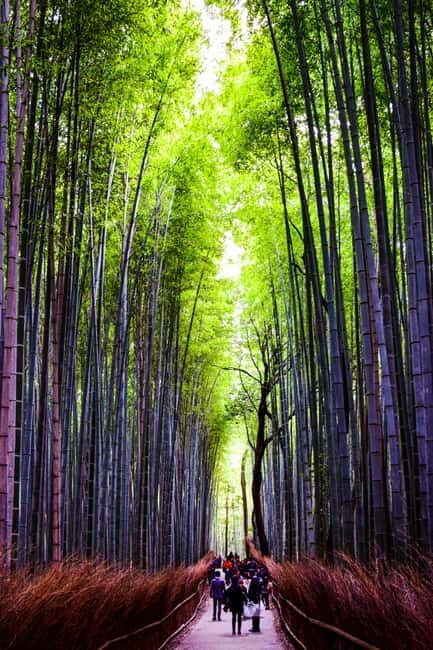
After all the iconic names, Arashiyama Bamboo Forest feels like a mental reset. You’ll have free time and shopping options in the area, plus you can explore the Arashiyama Kimono Forest. The bamboo visuals are the headline, but what you’ll really notice is how the area changes your pace. It’s easier to take photos here without feeling like you’re fighting the clock.
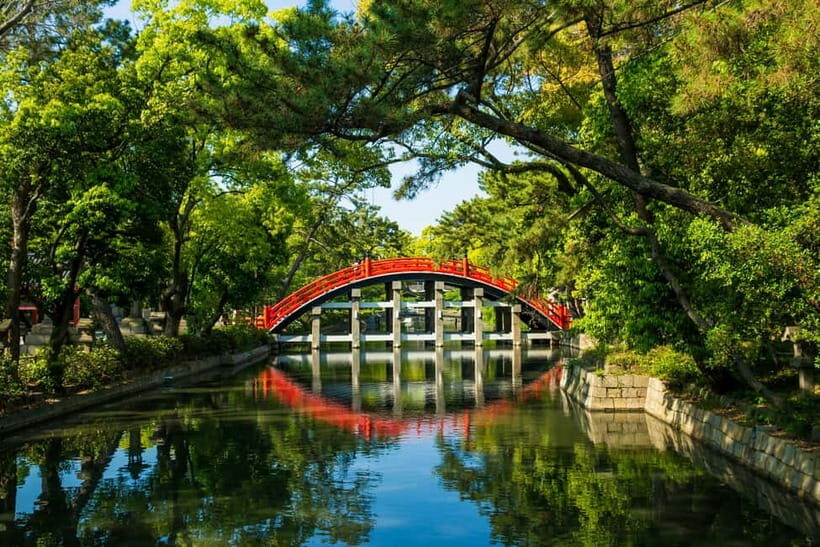
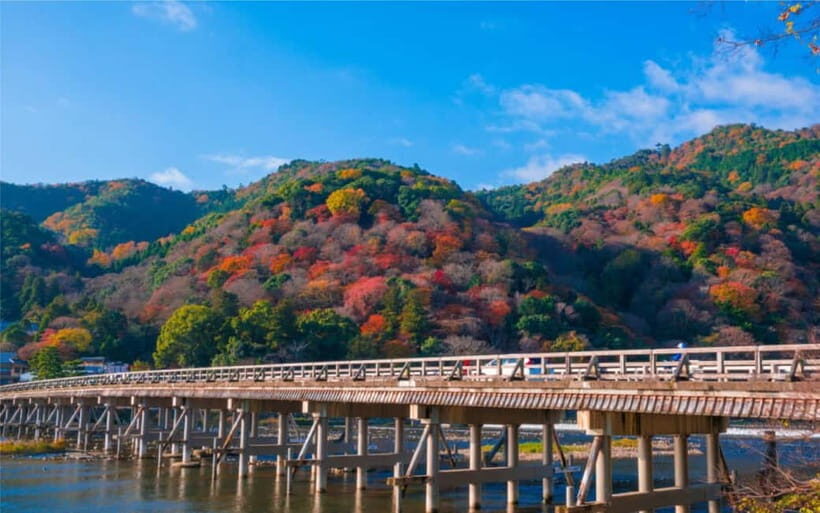
Then comes a scenic finish: crossing Togetsu-kyō Bridge for views of the Katsura River. The bridge is a great wrap-up because it shifts you from temple-and-gate intensity into a broader sense of place. It helps your brain register Kyoto as a landscape of rivers, paths, and neighborhoods instead of a checklist.
Transportation and Timing: Why the Private Van Helps So Much
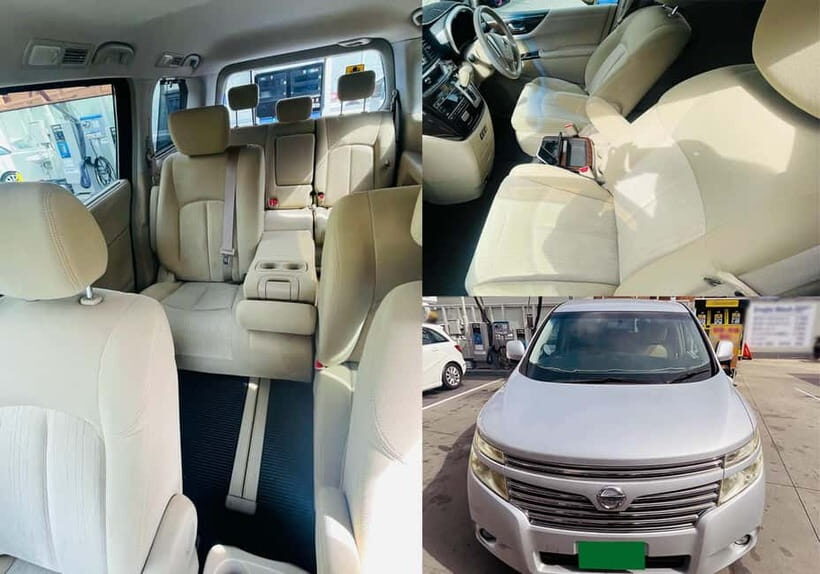
The van rides may sound like filler, but in Japan they’re often the difference between a pleasant day and a stressful one. You’re not dealing with train schedules while your feet are already tired. The itinerary uses drive time in chunks—think around 40 minutes between major clusters—so you can reset, hydrate, and plan your next stop.
The driver is also part of the value. You’re not just paying for wheels; you’re paying for someone who can handle the day smoothly in English (and possibly Hindi or Urdu). That matters if you want to adjust the plan slightly while you’re on the move.
In the real world, people have had especially positive experiences with drivers like Musa for safe, calm driving and flexibility with last-minute changes. Others reported excellent guiding and photo help with Nomi Nomi, including tailoring the day for families.
Price and Value: $474 for Up to 6 People (What That Really Means)
The price is $474 per group up to 6 for a 10-hour private day trip. If you divide it evenly at full capacity, that’s about $79 per person—before you consider that entrance fees and meals aren’t included.
So what are you paying for?
- Private transportation with hotel pickup and drop-off
- A professional driver (English, Hindi, Urdu)
- A day structured around multiple major stops without you micromanaging routes
The value is strongest if:
- You’re traveling as a small group of friends or a family up to 6
- You want to maximize time and minimize transit hassle
- You appreciate photo stops and guided walking segments rather than doing everything solo
The value is weaker if:
- It’s just one or two people. You still get privacy, but the per-person cost climbs fast.
- You’re on a tight schedule and only care about one or two sites. You might prefer a shorter, more focused plan.
Also remember: entrance fees are not included, and meals and beverages are not included. That’s normal for tours like this, but it’s important for budgeting so the day doesn’t feel more expensive once you’re on the ground.
What to Pack and How to Keep Your Feet Happy
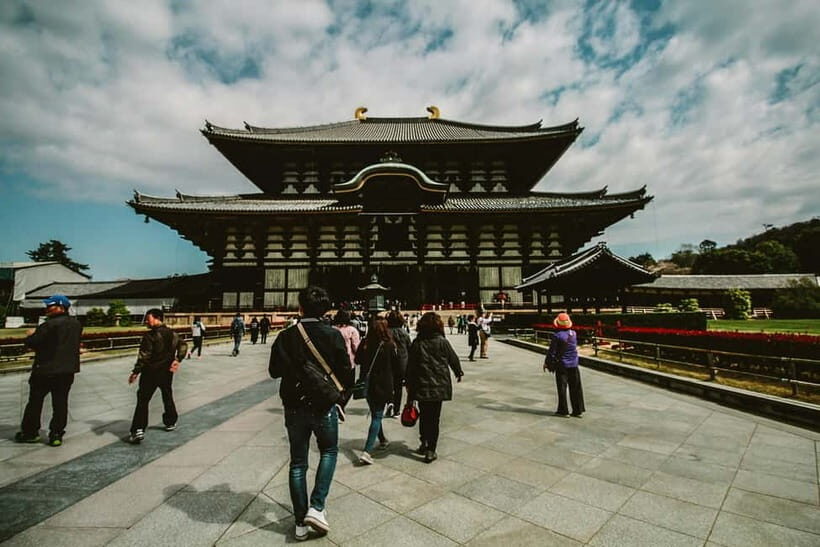
The walking is described as moderate, but “moderate” in Kyoto and Nara can still mean a lot of steps. Make it easy on yourself.
Bring:
- Comfortable shoes
- A hat and sunscreen
- Camera
- Water
And plan for weather. Japan’s conditions can change quickly, so pack a raincoat or umbrella. Also, keep belongings secure in crowded areas—Kyoto hotspots can get packed, and you’ll be close to lots of people during some of the walks.
Finally, keep the deer safety rule in your head. Fun photos are great. Reckless behavior is not.
When Private Days Go Sideways: What to Watch For
Most experiences are described as smooth, flexible, and well handled, especially with drivers like Musa and guide moments with Nomi Nomi. People also described professional photo help, friendly personalities, and patience with families (including children).
Still, two issues show why you should plan smart:
- One booking reported a late driver and included a delay of about an hour.
- One booking reported that the driver never showed up and there was no communication.
I can’t predict which scenario you’ll get. But you can protect yourself: confirm pickup details the day before and keep your contact info handy. If you’re traveling with kids or have firm reservations for the evening, keep some buffer time after the tour.
Should You Book This Osaka to Kyoto and Nara Day Trip?
I’d book this if you want a private, high-impact day that hits both Nara and Kyoto without making you wrestle with transit. It’s a good fit for small groups (up to 6) who care about major icons like Tōdai-ji, Fushimi Inari Taisha, Kinkaku-ji, and also want Kyoto texture through stops like Nishiki Market, Gion, and Kiyomizu-dera. The Arashiyama finish with Togetsu-kyō Bridge and Katsura River views is a satisfying way to end.
I would hesitate if you:
- Hate long walks (even “moderate” can feel like a lot after 10 hours)
- Are only interested in one main site and would rather slow down
- Need wheelchair accessibility (it’s not suitable for wheelchair users)
If you’re flexible, comfortable on your feet, and traveling with people who will share the van cost, this is a solid way to see a lot of Japan in one day without losing your mind.
FAQ
How long is the Osaka: Kyoto and Nara Private Day Trip?
The trip lasts 10 hours.
What does it cost, and how many people can join?
It costs $474 per group, up to 6 people.
Where can I be picked up and dropped off?
Pickup has 3 location options: Nara, Kyoto, or Osaka. Drop-off also has 3 options: Kyoto, Osaka, or Nara.
What’s included in the price?
Hotel pickup and drop-off, private transportation, and a professional English-speaking driver are included.
What isn’t included?
Meals and beverages, personal expenses, and entrance fees are not included.
What languages can the driver speak?
The driver speaks English, Hindi, and Urdu.
Is there a lot of walking?
You’ll do a moderate amount of walking. Bring comfortable shoes, and plan for weather changes with a hat and sunscreen, plus a raincoat or umbrella if needed.
Can I interact with the deer at Nara Park?
You can interact with the deer, but it’s at your own risk because the deer are wild animals.
Is this tour wheelchair accessible?
No, it’s not suitable for wheelchair users.
You Might Also Enjoy
 VIP Private Hostess Club Tokyo Night Life Karaoke with Girls
 Guided Gion Tour: Explore Kyoto’s Historic Geisha District
 Gyoza Cooking Class in Kyoto: Traditional Japanese Dumplings
![[electric bicycle tour]: 6-hour travel course by electric bicycle Asakusa, Ueno Park, Edo-Tokyo Museum, and Sky Tree. (There is a support car.) - Lunch at Ednoren: How to Plan Your Meal Without Losing Time](https://images.thejapantraveler.com/wp-content/uploads/electric-bicycle-tour-6-hour-travel-course-by-electric-bicycle-asakusa-ueno-park-edo-tokyo-museum-and-sky-tree-there-is-a-support-car.jpg) [electric bicycle tour]: 6-hour travel course by electric bicycle Asakusa, Ueno Park, Edo-Tokyo Museum, and Sky Tree. (There is a support car.)
[electric bicycle tour]: 6-hour travel course by electric bicycle Asakusa, Ueno Park, Edo-Tokyo Museum, and Sky Tree. (There is a support car.)