REVIEW · KYOTO
Guided Gion Tour: Explore Kyoto’s Historic Geisha District
Book on Viator →Operated by Ahmed Abu Tayeh · Bookable on Viator
Gion has stories in every doorway. This private 2-hour guided walk through Kyoto’s Gion district keeps things focused and photo-friendly, from Yasaka Shrine to Hanamikoji Street, with a chance to spot geisha or maiko as the light changes.
I love how much you can ask and steer the conversation, especially when a guide takes the time to explain what you’re seeing and why it matters. Free entry stops also help the value feel real, since you spend your money on the guide, not on tickets.
One consideration: a geisha or maiko sighting isn’t guaranteed, and on very hot days the pace can feel like it’s moving. Bring water and wear comfy shoes, because this is still a walk.
In This Review
- Key highlights that make this tour worth your time
- Gion in 2 Hours: what this private walk really feels like
- Starting with Gion proper: Hanamachi streets and quick geisha chances
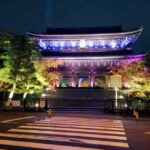
- Chion-in Temple Gate: the stop that gives scale to the area
- Izumo no Okuni Statue: kabuki origins in a quick, meaningful pause
- Yasaka Shrine and Maruyama Park: photos, festivals, and a breather
- Hanamikoji Street: where the geisha-district atmosphere becomes obvious
- How the guide shapes the experience (Ahmed Abu Tayeh, Ahmed, Mat)
- Photo strategy: what to do before you start clicking
- Price and value: $350 per group can work out well
- Timing choices: morning vs evening logic
- If you care about geisha and maiko: what you can and can’t expect
- Who this tour suits best
- Should you book this Guided Gion Tour?
- FAQ
- Is this tour private?
- How long is the Guided Gion Tour?
- How much does it cost?
- Do we get pickup, and is there a mobile ticket?
- Will I see a geisha or maiko?
- What stops are included?
- Is there an admission fee for the listed places?
- How far in advance is this tour commonly booked?
- What happens if the weather is bad?
Key highlights that make this tour worth your time
- Gion spotting with context: You visit the lanes where geisha and maiko are most likely to appear, but without promising a specific encounter.
- Landmarks that fit in two hours: Yasaka Shrine, Maruyama Park, Chion-in, and Hanamikoji are all reachable without turning it into an all-day slog.
- Your questions actually matter: The tour is built around a private guide who can answer as you go.
- Photo stops, not just sightseeing: You’ll have clear stops for pictures at major Kyoto icons.
- Well-priced for a group: $350 per group (up to 8) means the cost per person drops fast if you’re traveling with friends or family.
- Guides named Ahmed and Mat show up here: Ahmed Abu Tayeh is the listed provider, and past walks have been led by guides with names like Ahmed and Mat.
Gion in 2 Hours: what this private walk really feels like
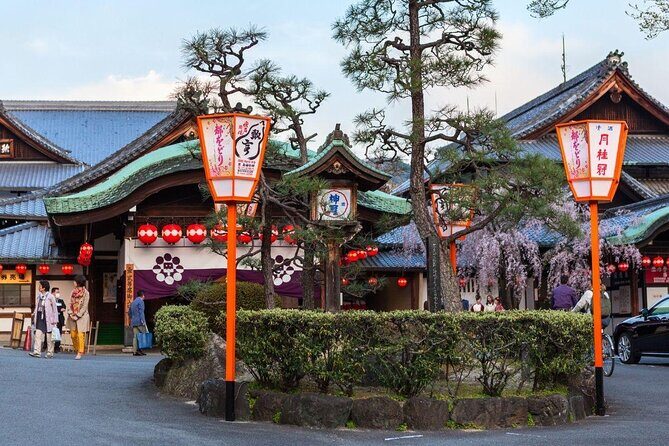
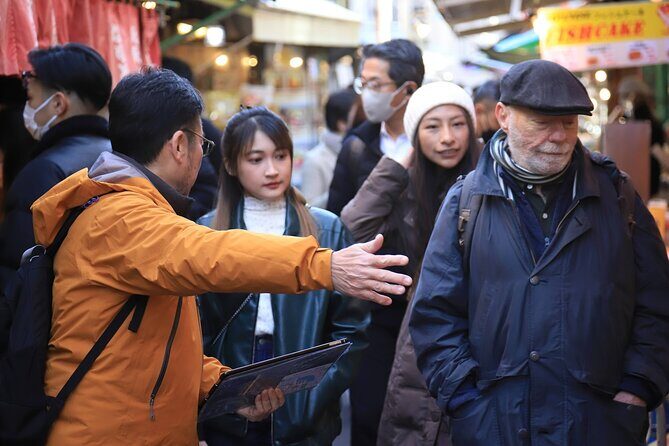
If Kyoto is the whole story, Gion is the chapter you can walk through quickly. This tour is designed to keep you from bouncing around on your own and missing the small meanings along the way. You get a guide with you for about two hours, so you’re not stuck deciphering signs while trying to catch a glimpse of tradition in motion.
Because it’s private (up to 8 people), the pace can be adjusted to the group. You can ask questions freely, which matters in Gion, where looks can be deceiving. A street can seem like a movie set, but the details are tied to real customs, festivals, and a neighborhood that still functions today.
The tour also offers pickup, and it uses a mobile ticket. That combination helps you reduce friction at the start of your day, especially if you’re not staying in the exact center of Kyoto.
You can also read our reviews of more guided tours in Kyoto

Starting with Gion proper: Hanamachi streets and quick geisha chances
The walk begins right in the Gion area, where the architecture and lanes are part of the show. One of the practical perks of a guided loop here is knowing where to look without turning your day into a guessing game. You’ll get a chance to see spots where geisha or maiko are more likely to be seen, including the stretch where people often try to catch a sighting.
A highlight early on is the sense of timing. Go earlier and the area can feel calmer; go later and the lighting does some of the storytelling for you. Either way, you’re not just sightseeing. You’re learning how this district is set up to be noticed at street level: small corners, narrow sidewalks, and building facades that change the mood with every turn.
You may be lucky and spot a geisha on Hanami Street, but the tour keeps expectations grounded. The guide’s job is to help you experience Gion in a meaningful way while also scanning for chances that can happen naturally in the neighborhood.
Chion-in Temple Gate: the stop that gives scale to the area
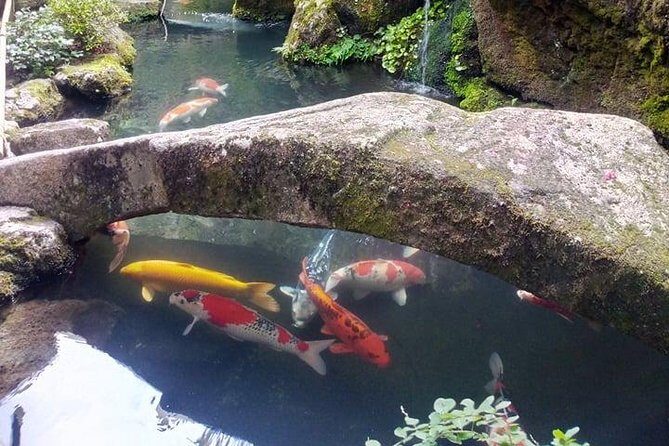
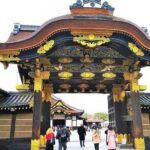
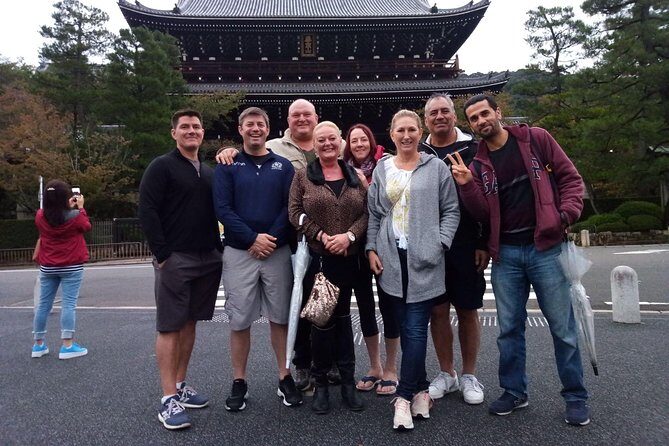
Next comes Chion-in Temple Gate, a massive wooden structure with intricate carvings. Even if you don’t read every detail, this is a stop that gives you scale fast. Kyoto temples often feel big in photos, but in person you notice how gate design funnels your eye and changes your walking rhythm.
This stop is also valuable because it breaks up the street-scene feeling of Gion. You shift from neighborhood architecture to a temple landmark that anchors the area’s spiritual tone. You’ll spend around 15 minutes here, which is enough to see the gate clearly, take pictures, and absorb why locals treat these spaces differently than a typical tourist stop.
Admission is listed as free for this segment, which makes it an easy win. You get an iconic Kyoto moment without adding extra costs on top of your guide fee.
Izumo no Okuni Statue: kabuki origins in a quick, meaningful pause
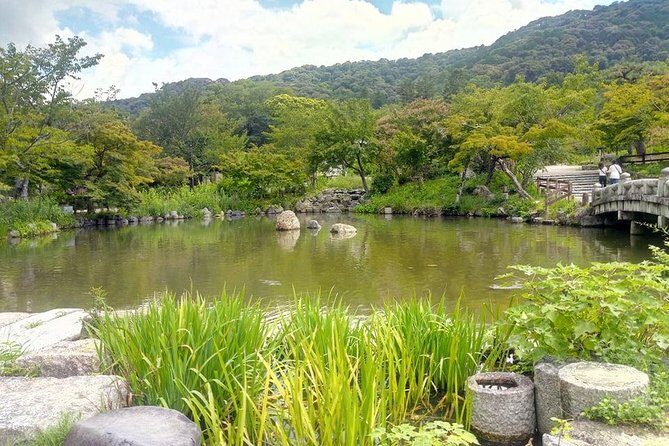
Then you’ll pause at the Statue of Izumo no Okuni, dedicated to the pioneering figure who helped found Kabuki theater. It’s a short stop, about 15 minutes total in the sequence, but it adds a layer you might miss if you’re only thinking about geisha and traditional streets.
Why this matters: Gion is famous for tea houses and geisha culture, but Kyoto’s performing arts history is broader than one scene. Seeing a statue tied to Kabuki helps connect the dots between performance, tradition, and how Kyoto became a stage for art in multiple forms.
The statue stop is also a nice reset. You go from temple gate visuals to a cultural origin story you can carry with you while you continue walking.
Yasaka Shrine and Maruyama Park: photos, festivals, and a breather
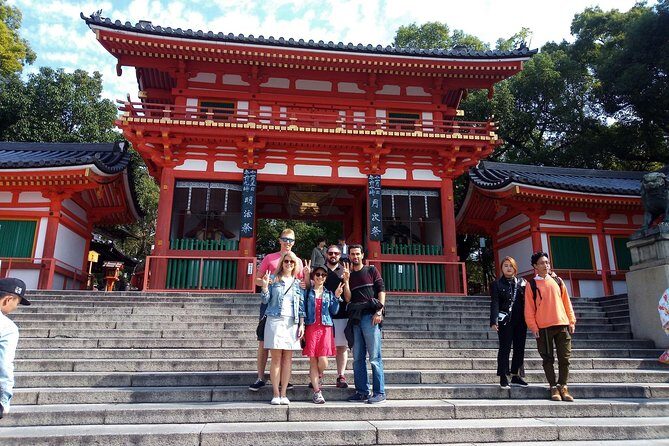
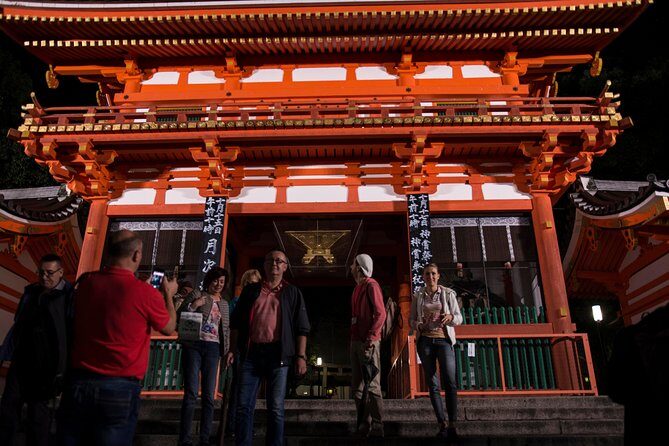
Yasaka Shrine is next, and it’s one of those Kyoto stops that always feels alive. The focus here is on its Shinto identity and its association with lively festivals. You’ll also get lantern-lit pathways to experience the shrine vibe the way it’s meant to be seen.
Timing can change the mood a lot. If you’re there when lights come on, Yasaka Shrine feels cinematic—without needing theatrics. And because the tour is guided, you’re not stuck asking where to stand for photos. You’re directed to the spot that matches what you came for.
After that, Maruyama Park gives you a breather. This is a lush green oasis with ponds and seasonal cherry blossoms (when in season), plus tranquil paths that make the walking feel lighter. The park stop is brief—around 10 minutes—but it matters. It’s the kind of break that helps you keep energy for the next part of the route, especially if the weather is warm.
Both of these segments list free admission, so they work smoothly inside the tour’s cost structure.
You can also read our reviews of more historical tours in Kyoto

Hanamikoji Street: where the geisha-district atmosphere becomes obvious
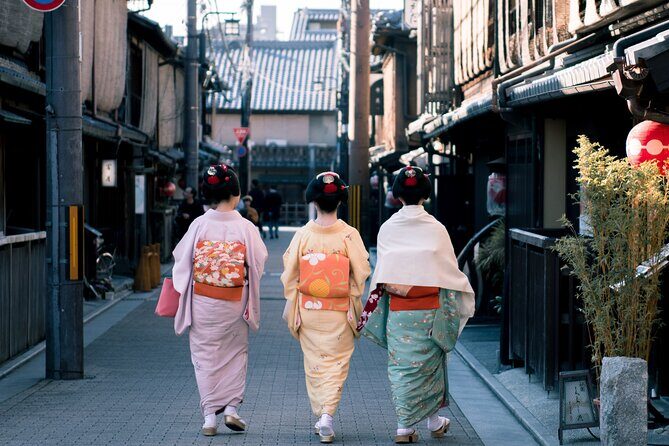
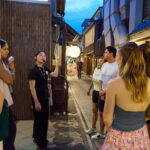
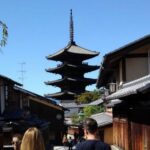
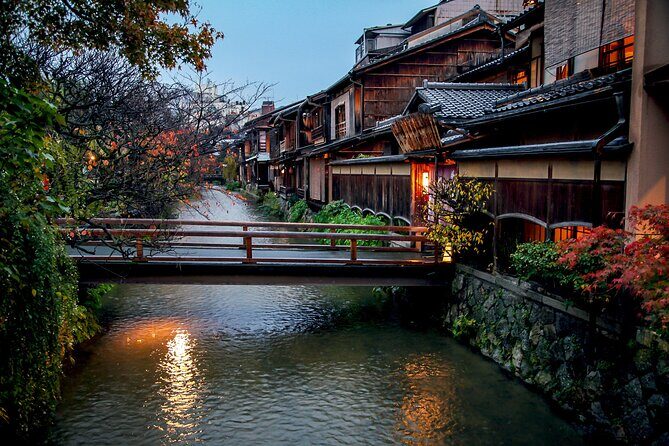
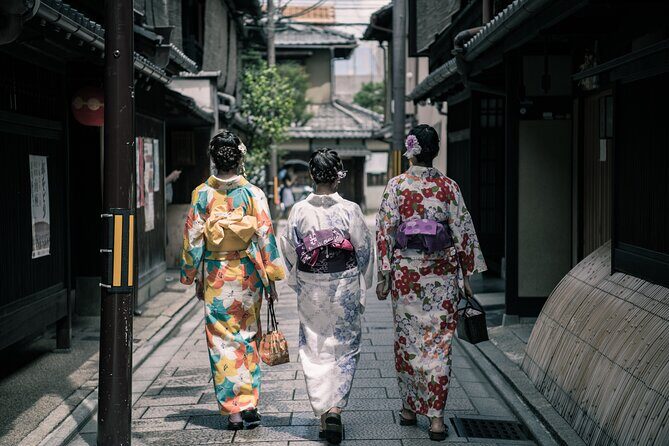
Finally, you’ll walk down Hanamikoji Street, often described as the heart of Kyoto’s historic geisha district. What makes this street special is how it visually communicates the district’s identity: traditional teahouses and elegant wooden machiya houses line the area, giving you the feel of old Kyoto at close range.
This is the section where the tour becomes most atmospheric. Without a guide, it’s easy to treat Hanamikoji like just another picturesque street. With a guide, you tend to notice more: the relationship between storefronts, the rhythm of pedestrian flow, and the small cues that explain how the district preserves its look while remaining a lived-in place.
The stop is about 10 minutes, so it’s long enough for photos and a slow walk, but not so long that you feel stuck in one spot while the rest of Kyoto passes by.
How the guide shapes the experience (Ahmed Abu Tayeh, Ahmed, Mat)
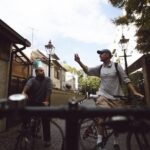
The best part of a private walk isn’t the route. It’s the person leading it. This tour is repeatedly praised for guides who show up on time and explain things clearly—especially local customs, not just facts.
If your guide is Ahmed Abu Tayeh (the listed provider) or a guide with a name like Ahmed or Mat, you can expect an emphasis on Q and A. People have liked how the guidance gave meaning to what you’d otherwise just photograph. That changes your takeaway. Instead of collecting images, you collect context.
One note that keeps things realistic: the experience isn’t set up to guarantee a geisha or maiko encounter. If you’re hoping for a guaranteed appearance, you may leave thinking, well, that part is random. But if you care more about learning what the neighborhood is, why it’s preserved, and where to look, the guide adds a lot of value.
Photo strategy: what to do before you start clicking
This is a photo-friendly route, but you’ll get better results if you plan your angle rather than shooting everything at chest height.
Here’s what works well in a walking tour like this:
- Use the landmark stops (Yasaka Shrine, Chion-in gate) for your wider shots.
- Save the closer shots for Hanamikoji Street, where traditional facades fill the frame.
- Ask the guide when the lighting might help, since the tour runs throughout the day and lighting shifts quickly in Kyoto.
Also, remember that Gion is a working district. You’ll enjoy the vibe more if you move calmly and avoid treating every person on the street like part of a photo scene. If you’re respectful, the experience feels better for you and for the people who live around those sights.
Price and value: $350 per group can work out well
The tour costs $350.00 per group, up to 8 people, for about two hours. On paper, it can look steep if you’re traveling solo. But the real math is per group, not per person.
Where the value comes from:
- You’re paying for a private guide for the full time, which is the main expense.
- Multiple stops list free admission, so you’re not stacking entrance fees onto the price.
- Pickup offered plus a route designed to hit key Gion landmarks reduces time spent figuring out logistics.
If you have two, three, or four people in your group, the cost becomes easier to swallow fast. If you’re solo, you’ll want to weigh this against the alternative of exploring Gion on your own. The big reason to choose the guided format is the meaning: a guide helps you notice things you’d likely skip.
Timing choices: morning vs evening logic
This tour is offered throughout the day, and the experience changes with timing. An early morning tour can mean fewer crowds and a calmer neighborhood feel. A later tour can show how the district shifts as streetlights come on, which pairs nicely with your Yasaka Shrine stop.
Practical tip: choose the time that matches your energy. If you’re sensitive to heat, aim earlier. If you want the “Kyoto lights” mood, go later, but plan to move at a comfortable pace.
One review-style caution you should take seriously: on a very hot day, some people found the pace a bit quick and missed commentary. That doesn’t mean the tour is wrong. It means you should come prepared—water, hats, and sensible shoes.
If you care about geisha and maiko: what you can and can’t expect
This is the point people worry about most, and the honest answer is simple. A geisha or maiko sighting is possible, but it’s not guaranteed.
The tour is set up so you visit places where sightings are more likely, and the guide actively looks for chances in the district. You might get lucky, especially around the streets people associate with the geisha district. But you shouldn’t plan your day around a guaranteed encounter.
If you’re the kind of traveler who wants meaning, not a lottery ticket, you’ll still get a lot out of this. You’ll see Yasaka Shrine, Chion-in gate, a cultural statue tied to Kabuki origins, and a park break that makes the route feel human.
Who this tour suits best
This private Gion walk is a good fit if you:
- Want a focused Kyoto experience without turning it into a full-day marathon.
- Like asking questions and learning how customs connect to what you see.
- Are traveling with a small group (up to 8) and want the price to make sense.
- Care about both temples and the geisha-district streetscape.
It’s also a nice option if you want structure. Some people love wandering. Others get tired quickly once the streets start looking similar. This tour keeps you moving with purpose.
If you’re only in Kyoto for a short time, it’s a smart way to cover the “great hits” in a tight window while adding context to your photos.
Should you book this Guided Gion Tour?
Book it if you want the best of Gion without the guesswork. The value is strongest for small groups, and the guide-led explanations can turn a pretty walk into something you remember with details.
Skip it (or adjust expectations) if your main goal is a guaranteed geisha or maiko appearance. This walk helps increase your odds by visiting the right streets, but it can’t control what the neighborhood does on a specific day.
If you’re flexible on timing and you come ready for a walk, you’ll likely feel like you got your money’s worth in two hours: meaningful stops, great photo moments, and a private guide who helps you understand the place you’re standing in.
FAQ
Is this tour private?
Yes. It’s a private tour/activity, and only your group participates.
How long is the Guided Gion Tour?
The duration is about 2 hours.
How much does it cost?
It’s $350.00 per group (up to 8 people).
Do we get pickup, and is there a mobile ticket?
Pickup is offered, and you’ll use a mobile ticket.
Will I see a geisha or maiko?
You may spot geisha or maiko, but it’s not guaranteed. The guide will take you to the spots where you’re most likely to see them.
What stops are included?
You’ll visit Gion and then several major nearby points including the Izumo no Okuni Statue, Chion-in Temple Gate, Yasaka Shrine, Maruyama Park, and Hanamikoji Street.
Is there an admission fee for the listed places?
The stops listed for Chion-in Temple Gate, the Izumo no Okuni Statue, Yasaka Shrine, and Maruyama Park are marked as free admission.
How far in advance is this tour commonly booked?
On average, it’s booked about 40 days in advance.
What happens if the weather is bad?
This experience requires good weather. If it’s canceled due to poor weather, you’ll be offered a different date or a full refund.