REVIEW · TOKYO
Private Sushi Making Tokyo Roll and Authentic Japanese Sushi
Book on Viator →Operated by Sushi Making Tokyo Cooking Class in Japan · Bookable on Viator
Sushi starts with your hands, not a menu. In Asakusa, you can learn to make roll sushi and authentic nigiri step by step, with an English-speaking instructor guiding you.
I especially love that it’s a beginner-friendly, private class where you actually eat the sushi you make, not just watch. I also like the class’s focus on technique plus Japanese food culture, so you leave with skills you can use again.
One thing to consider: the group price is high per booking, so it’s best when you can share the cost with up to 15 people or you really want a private, guided experience.
In This Review
- Key things to know before you go
- Asakusa Set-Up: Learning Sushi Steps From Sensoji
- What You Make: Rolls, Nigiri, and Temari-Style Fun
- The Teaching Style: Patient Guidance Like Yui, Masaki, and Ayu
- Where Flavor Comes From: Fresh Fish and Build-Your-Own Satisfaction
- The Meal Moment: Eating Your Sushi and Taking Photos
- Price and Value: Private Up to 15 for $1,300.72
- Logistics That Affect Your Day: Mobile Ticket and No Hotel Pickup
- Who This Sushi Class Fits Best
- Quick tips to get the most out of your session
- Should You Book Sushi Making Tokyo in Asakusa?
- FAQ
- Is this a private sushi making class?
- How long does the sushi making class last?
- Where do I meet for the class?
- Do I need any sushi-making experience?
- What sushi will I learn to make?
- Is there an English-speaking instructor?
- What’s included in the price?
- Is hotel pickup or drop-off provided?
- When do I need to cancel for a full refund?
Key things to know before you go
- Asakusa location near Sensoji Temple makes it easy to pair with sightseeing before or after.
- You learn rolls and nigiri in a structured, beginner-friendly way.
- English-speaking instructors keep the steps clear and stress low (teachers like Yui and Masaki get praised for patience).
- You eat what you make, so the payoff is immediate, not theoretical.
- The setting can offer a great view of the Sumida River area, adding atmosphere while you learn.
Asakusa Set-Up: Learning Sushi Steps From Sensoji
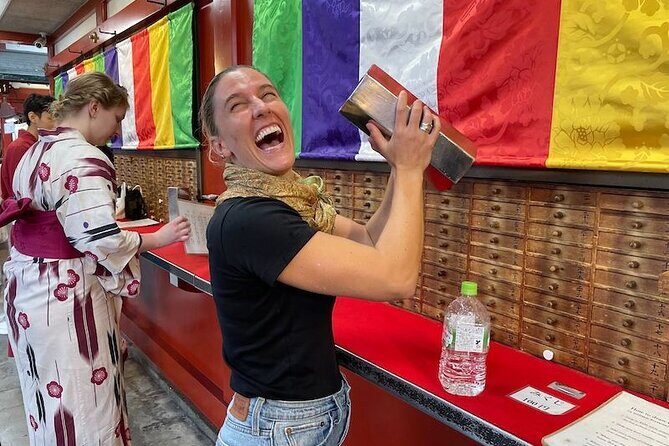
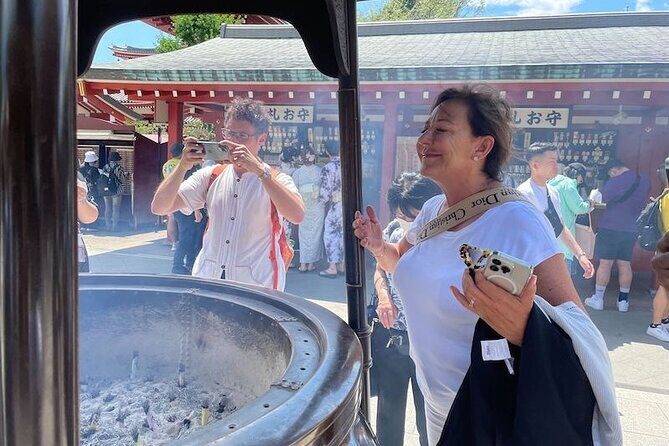
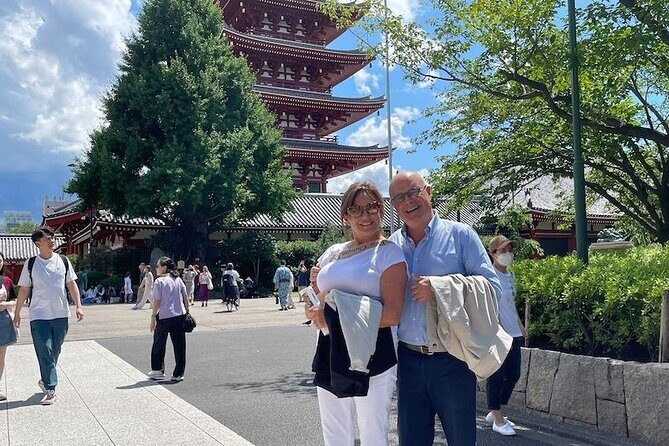
This class is in Asakusa, one of Tokyo’s most atmospheric neighborhoods, and it’s just steps from Sensoji Temple. That matters because sushi workshops can sometimes feel detached from the city. Here, you’re doing a hands-on activity in the same area people come to for classic Tokyo sights.
The meeting point is at 2-chōme-17-9 Kaminarimon, Taito City, Tokyo. It’s a private experience, so your group stays together and the pace is set by the instructor, not by a crowd. The activity also ends back at the meeting point, which keeps your logistics simple when you’re planning the rest of your day.
Timing-wise, you’re looking at about 1 hour 40 minutes. That’s long enough to learn technique, make the sushi, and sit down to enjoy it—without swallowing your whole afternoon.
You can also read our reviews of more private tours in Tokyo



What You Make: Rolls, Nigiri, and Temari-Style Fun
The core of the experience is learning to make sushi rolls and authentic nigiri step by step. Even if you’ve never made sushi, the structure is built for newcomers. You’ll be guided through the process in English, so you’re not relying on visual guesswork.
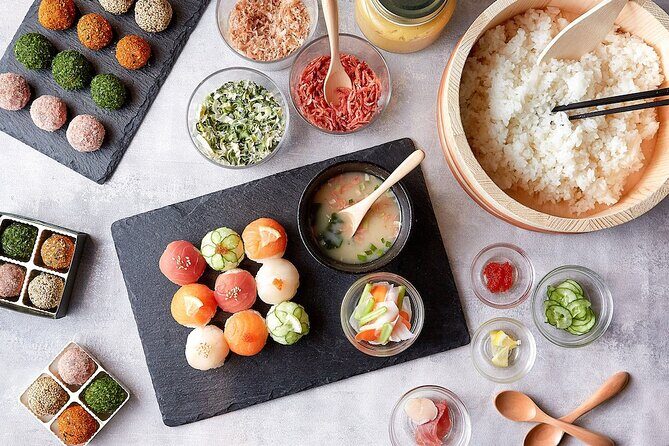
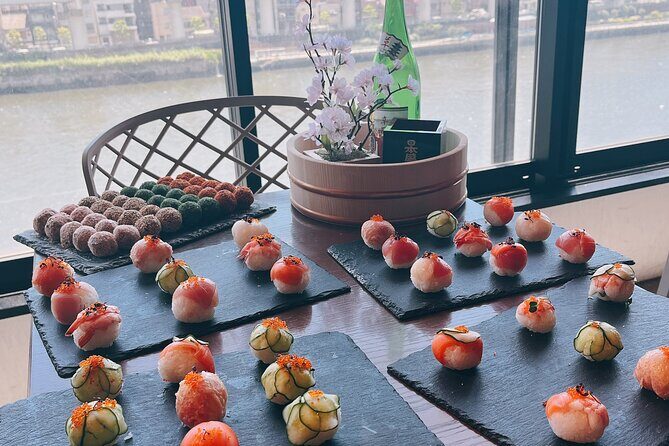
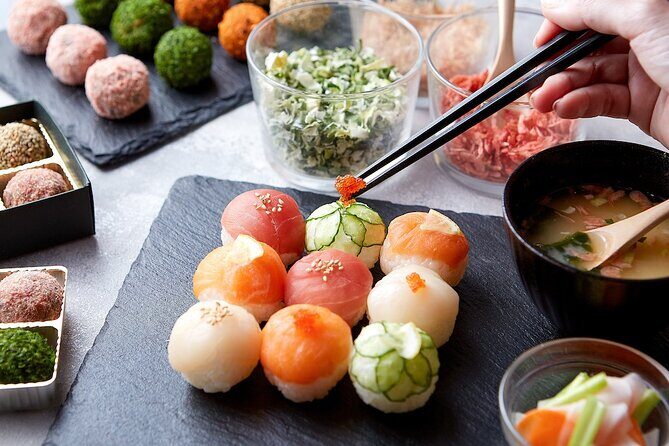
You’ll also get exposure to different styles beyond the basics. In particular, one instructor-led highlight mentioned in class feedback includes learning temari sushi. That’s a fun format because it shows how technique can be adapted into smaller, more playful shapes—useful if you want to impress friends later.
What I like about this combination (rolls + nigiri + the possibility of temari-style variety) is that it covers two sides of sushi:
- Rolls teach you how fillings and texture work together.
- Nigiri teaches how rice and fish pairing is meant to feel.
And since you eat at the end, there’s a clear “why” behind each step. You’re not just assembling for a photo—you’re building something you’ll actually taste.
The Teaching Style: Patient Guidance Like Yui, Masaki, and Ayu
This is a class where the instructor matters. The feedback around this experience repeatedly points to teachers who are patient, enthusiastic, and genuinely engaged with the group.
For example, one class feedback specifically credits Yui for being fun to talk with and for giving advice that helped make sushi look better. Another highlights Masaki as patient and joyful, with a teaching style that made the steps feel manageable. You’ll also see Ayu mentioned for teaching temari sushi and for pointing the group toward a nice area to enjoy views of the Sumida River.
Even if your instructor isn’t one of those names, the teaching approach seems consistent: you get clear direction, encouragement, and enough time to keep up. For first-timers, that kind of calm instruction is the difference between learning and getting frustrated with rice and toppings.
Where Flavor Comes From: Fresh Fish and Build-Your-Own Satisfaction
Sushi is all about ingredients, and this class is built around feeding you what you make. The experience includes ingredients of the cooking class and the meal, which means you’re working with what the instructor plans for the lesson, not improvising with whatever you brought from a convenience store.
Class feedback also emphasizes that the fish is fresh and tastes fantastic. That’s a big deal because sushi at home can be hit or miss—especially if you’re trying to source the right fish and handle it properly.
The best part is that you taste your work right away. When the instructor walks you through how it should look and feel, your brain connects technique to result immediately. It turns sushi from something you order into something you understand.
The Meal Moment: Eating Your Sushi and Taking Photos
After the teaching portion, you’ll enjoy the sushi you created. This sounds simple, but it’s actually the payoff that makes these classes worth the time.
The experience also specifically includes time to take photos to remember the moment. If you’re the kind of traveler who wants proof of craft as well as flavor, this is your moment—because your sushi will look different from a restaurant plate, since you made it.
There’s also a cultural layer. The class includes cultural insights alongside technique, so you’re not just learning how to press rice and shape fillings—you’re learning why sushi is built the way it is.
And because you’re in Asakusa, the meal feels connected to Tokyo rather than something added on like a generic activity. It’s one reason cooking classes can feel more meaningful than standard sightseeing stops.






Price and Value: Private Up to 15 for $1,300.72
Let’s talk numbers without dodging the reality. This costs $1,300.72 per group, up to 15 people. That’s not cheap if you’re booking solo. But the math changes quickly if you’re traveling with family or friends and can split the total.
Here’s how I think about the value:
- Private format: you’re not competing for attention in a large shared class.
- English-speaking instructor: you get a guided experience, not a self-serve workshop.
- Meal included: you don’t just learn; you eat.
- Ingredients included: you’re paying for the materials and instruction together.
So if you have a group—especially kids, multi-generational travel parties, or anyone who wants a more personal experience—this can feel like good value. If you’re flying in as a solo traveler, it may feel more like a splurge, and you’ll want to confirm that you truly want the private, hands-on format rather than an open shared class.
Booking is also described as being booked about 44 days in advance on average. That’s a hint that popular time slots go first, especially around peak travel seasons.
Logistics That Affect Your Day: Mobile Ticket and No Hotel Pickup
This is a private activity that starts and ends at the meeting point. No hotel pickup and drop-off are included, so you’ll want to plan for self-guided transit to Asakusa.
The listing says it’s near public transportation, which helps. Still, because the meeting point is a specific address, I suggest doing one quick check on your route before you go, especially if you’re relying on subway transfers with a timed class.
The ticket is mobile, so you’ll want phone battery confidence on class day. Confirmation is received at booking, so you should have what you need once your date is secured.
Also worth noting: service animals are allowed. If you’re traveling with one, this is a helpful detail.
Who This Sushi Class Fits Best
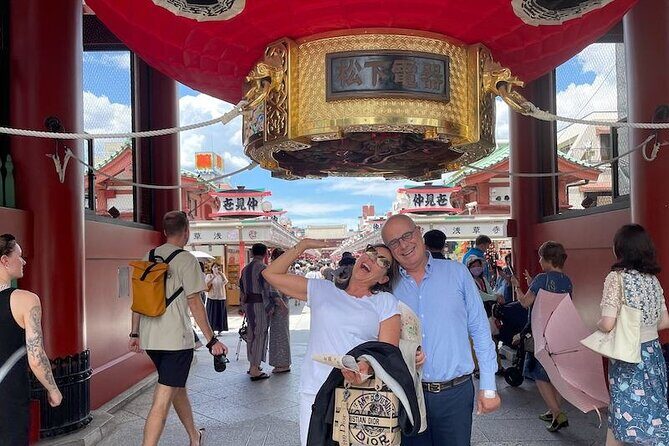
This experience is a strong match if you want a hands-on Tokyo activity with real take-home value.
You’ll likely enjoy it most if:
- You’re a beginner who wants structure and an English instructor.
- You’re traveling with kids or family and want an interactive meal at the end.
- You want a private group experience in a classic Tokyo neighborhood.
- You care about authenticity and want to learn sushi beyond ordering off a screen.
It may be less ideal if you’re only in Tokyo for a very short time and can’t fit 1 hour 40 minutes plus a commute. Or if you’re traveling solo and the cost per group feels too steep for one person.
Quick tips to get the most out of your session
A cooking class goes better when you treat it like practice, not performance. Here are a few practical ideas that align with how these lessons are set up:
- Come hungry. Since you’ll eat what you make, your appetite helps.
- Expect rice and shaping to feel different from restaurant precision. Focus on learning the steps, not making perfect-looking nigiri on the first try.
- Use your phone camera during the photo moment so you can compare your finished pieces to what you’ve seen online.
Should You Book Sushi Making Tokyo in Asakusa?
I’d book it if you want a private, guided sushi workshop in a neighborhood that’s already famous for atmosphere. The biggest reasons are straightforward: you learn real technique for roll sushi and nigiri, you get English instruction, and you eat the results right after.
The main reason to hesitate is the price per group. If you’re traveling with enough people to share the total, it becomes a much easier decision. If you’re solo, treat it as a splurge and make sure you’re excited by the idea of hands-on learning, not just a quick bite.
FAQ
Is this a private sushi making class?
Yes. It’s listed as a private tour/activity, and only your group participates.
How long does the sushi making class last?
The duration is about 1 hour 40 minutes.
Where do I meet for the class?
The meeting point is at 2-chōme-17-9 Kaminarimon, Taito City, Tokyo 111-0034, Japan.
Do I need any sushi-making experience?
No experience is needed. The class is beginner-friendly and taught in English.
What sushi will I learn to make?
The experience focuses on making roll sushi and authentic Japanese nigiri. Temari sushi is mentioned as something you may learn in the class.
Is there an English-speaking instructor?
Yes. An English-speaking instructor is included.
What’s included in the price?
The class includes the English speaking instructor and ingredients of the cooking class and meal.
Is hotel pickup or drop-off provided?
No. Hotel pickup and drop-off are not included.
When do I need to cancel for a full refund?
You can cancel up to 24 hours in advance for a full refund. If you cancel less than 24 hours before the start time, you won’t be refunded.
If you want, tell me your group size and travel dates, and I’ll help you sanity-check whether the private-group price is likely to feel fair for your exact situation.