REVIEW · TOKYO
Sushi Making Tokyo with Traditional Rickshaw Ride Tour in Asakusa
Book on Viator →Operated by Sushi Making Tokyo Cooking Class in Japan · Bookable on Viator
Sushi plus a rickshaw in Asakusa. That combo turns a sightseeing stop into something you can taste and feel. You’ll learn hands-on sushi techniques with an English-speaking instructor, then spend time guided through the atmospheric lanes that echo the Edo period.
Two things I really like: the English-led experience (so you’re not stuck guessing what you’re doing), and the warm, talkative hospitality from guides such as Shogo and Hero. It’s the kind of class where you’re given room to ask questions, not just follow along.
One consideration: the experience needs good weather, and there’s no hotel pickup. So you’ll want to show up on time at the meeting point and be ready for rain plans.
In This Review
- Key Points at a Glance
- Sushi Making and Rickshaw Ride: What Makes This Tour Work
- Where You Start: Kaminarimon Meeting Point and Getting There Smoothly
- The Sushi Class in English: What You’ll Learn and What You’ll Eat
- Traditional Rickshaw Ride Through Asakusa: Seeing It at the Right Speed
- The Group Size and Atmosphere: Small Enough to Feel Personal
- Price and Value: Is $156.77 a Smart Spend?
- Timing That Actually Fits Tokyo: Plan for a 3.5-Hour Block
- Who Should Book This (and Who Might Skip It)
- Simple Tips for Getting the Most Out of It
- Should You Book Sushi Making Tokyo With Traditional Rickshaw Ride in Asakusa?
- FAQ
- FAQ
- What is the meeting point for the tour?
- How long is the Sushi Making Tokyo with traditional rickshaw ride tour?
- Is the tour conducted in English?
- Is hotel pickup included?
- What is included in the price?
- Do I need a printed ticket?
- How big is the group?
- What happens if the weather is bad?
- What is the cancellation policy?
- When will I receive confirmation after booking?
Key Points at a Glance
- Hands-on sushi making with ingredients and your meal included
- English instruction throughout, with instructors used to hosting international visitors
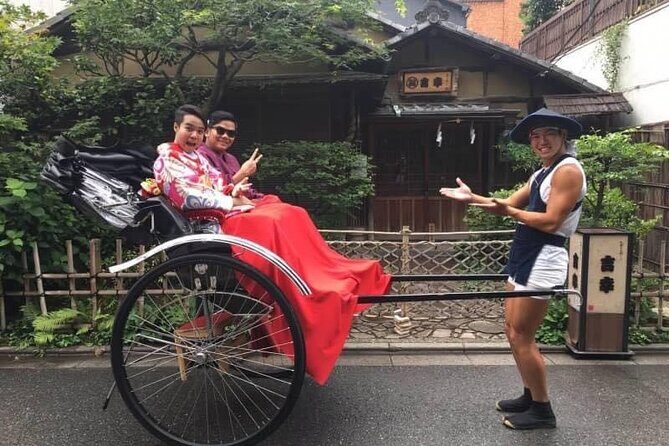
- Traditional rickshaw time in Asakusa, guided so you understand what you’re seeing
- Small group size (max 30), which keeps the vibe friendly and less rushed
- Easy ticketing with a mobile ticket, near public transportation
- Meet on your own at Kaminarimon, since there’s no hotel pickup
Sushi Making and Rickshaw Ride: What Makes This Tour Work
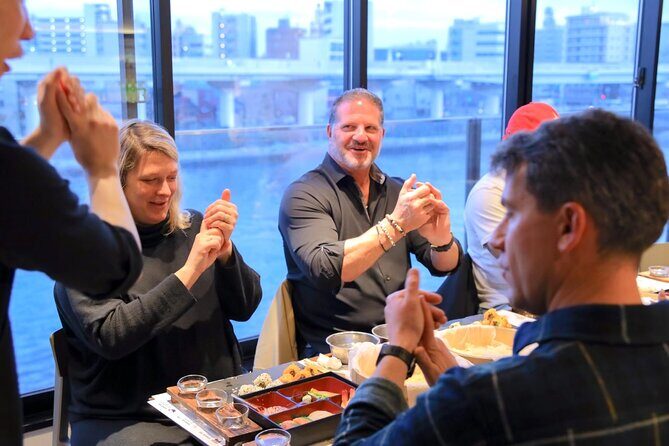
This tour is built for travelers who want more than photos. You do two distinct kinds of “Japan” in one outing: kitchen time and street time. And you get a guiding voice in English the whole way, which matters a lot in a neighborhood like Asakusa where details are everywhere.
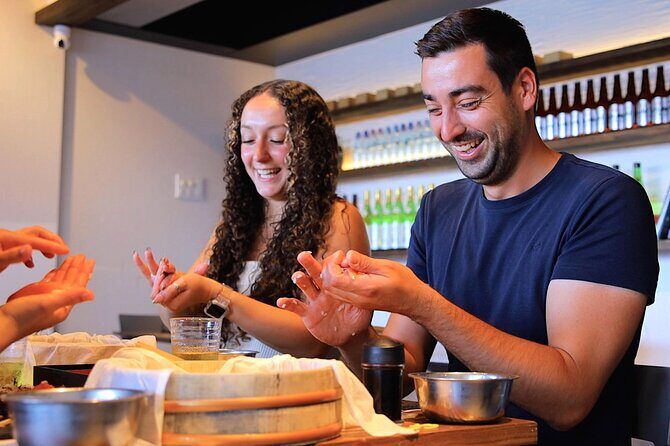
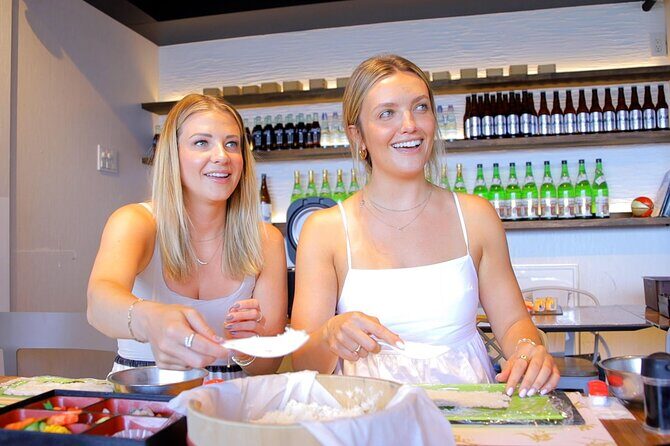
On the sushi side, the value is practical. You’re not just watching someone else cook—you’re making sushi using the class ingredients provided, then eating what you make. That’s a fast route to understanding what “proper” sushi behavior feels like: how the ingredients work together, how technique affects the result, and how picky presentation can be without turning the class into a stress-fest.
On the Asakusa side, the rickshaw ride is the change of pace. You’re moving through streets in a traditional way, guided by someone who helps you connect landmarks to stories. Several participants highlighted that drivers and staff share interesting context about Asakusa, which is exactly what you want if you’ve only got a few hours in the area.
You can also read our reviews of more tours and experiences in Tokyo.



Where You Start: Kaminarimon Meeting Point and Getting There Smoothly
You’ll meet at 2-chōme-17-9 Kaminarimon, Taito City, Tokyo 111-0034. The good news is that it’s listed as near public transportation, so it’s not an expedition just to begin the day.
The less fun part: there’s no hotel pickup and drop-off. That means your logistics are on you. Build a little buffer time before the start so you’re not sprinting through Asakusa with a growling stomach. This is especially smart because the tour is only about 3 hours 30 minutes total, so late arrivals can throw off the flow.
Also, the tour ends back at the meeting point. That’s helpful because it simplifies your next step—once you’re done, you can either stay in Asakusa or head elsewhere without a complicated return plan.
The Sushi Class in English: What You’ll Learn and What You’ll Eat
The heart of the experience is a cooking class branded as Sushi Making Tokyo, described as the No1 cooking class in Japan. While you don’t need to get hung up on the ranking, you should pay attention to what’s actually included: ingredients for the cooking class and your meal.
Here’s how this type of class typically pays off for you: sushi is one of those foods people love in theory, but it’s hard to understand until you try. In a structured class with an English-speaking instructor, you learn the basics without losing time translating. You also get feedback in real time—so if your rice, toppings, or shaping approach is off, you’re not stuck guessing.
From the tone of the experience, the teaching focuses on making it fun and doable for non-experts. One person praised the staff’s hospitality and another pointed out how sushi was fresh to make and then eat. That lines up with what you should expect from a class that’s meant to be hands-on: you’re not just assembling; you’re learning how the ingredients behave.
And because the entire tour is conducted in English, you can ask practical questions like:
- What should the rice texture feel like?
- How do you handle toppings without messing up the shape?
- What’s the key difference between looking right and being right?
If you’ve ever taken a cooking class in Japan where the language barrier turns it into a performance you watch, this style should feel like a relief.
Traditional Rickshaw Ride Through Asakusa: Seeing It at the Right Speed
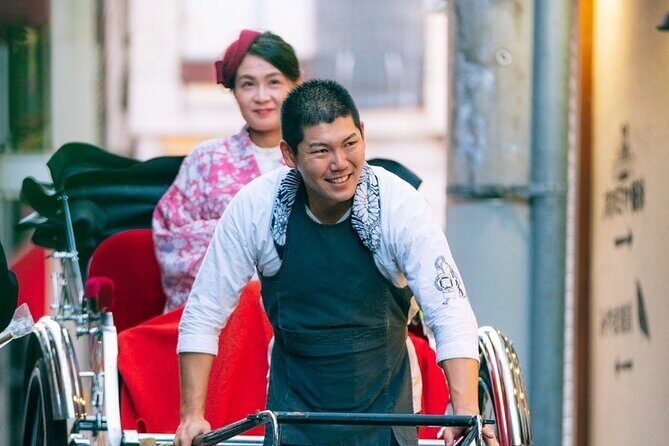
After (or alongside) the cooking portion, you’ll get guided time in Asakusa, described as reminiscent of the Edo period. A rickshaw isn’t just a novelty. It forces a slower pace than walking and it changes what you notice. You catch details from street level, and you can focus on stories instead of scanning for where to turn next.
The tour notes that a local staff member guides you through the area. The practical benefit: you’re less likely to walk past interesting sights without understanding why they matter. Several experiences highlighted that the driver shared stories about Asakusa’s history, which is exactly the kind of context that turns a neighborhood into a place you remember.
One more thing to keep in mind: rickshaws are weather-dependent. The experience requires good weather, so if you’re traveling in a season with frequent rain or sudden showers, check forecasts and have a backup mindset. The tour provider also offers a plan if the tour is canceled due to poor weather.
The Group Size and Atmosphere: Small Enough to Feel Personal
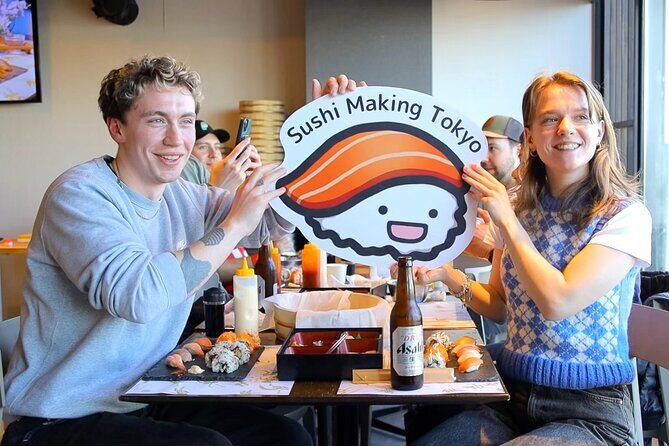
This activity has a maximum of 30 travelers. That’s a sweet spot for this kind of setup. In a large group, cooking classes can feel like a conveyor belt. Here, smaller groups usually mean you get more attention when you need it—especially when you’re learning something hands-on like sushi shaping.
The vibe from the host side seems to lean into hospitality. Multiple participants thanked the staff for being fun, kind, and genuinely enjoyable to talk to. Names like Shogo and Hero came up in praise, and that matters for you because it signals a consistent hosting style: knowledgeable on the content, but also comfortable interacting with international visitors.
If you want a tour where you can actually talk to your guide rather than listen from a distance, this format fits.






Price and Value: Is $156.77 a Smart Spend?
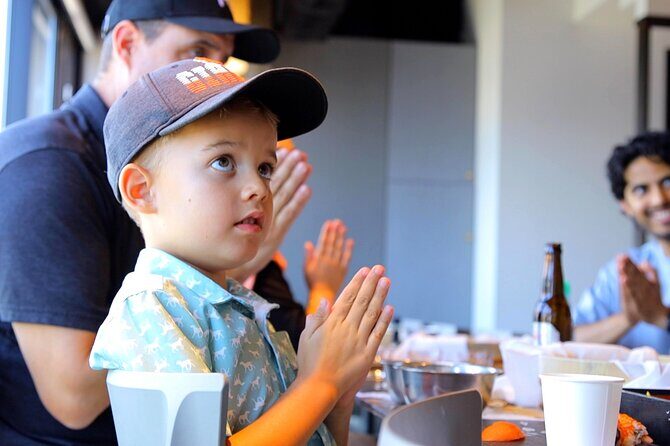
At $156.77 per person, this tour isn’t the cheapest thing you can do in Tokyo. But it’s also not priced like a private chef experience. The value comes from what you get for that time window:
- A structured sushi making class
- Ingredients and the meal included
- English speaking instruction throughout
- Guided time in Asakusa with a traditional rickshaw element
- A max group size of 30
When you compare that against the cost of buying sushi for a few people plus paying for a guided cultural experience, the math starts to make sense. You’re paying for instruction and access—plus the rickshaw time, which is harder to recreate on your own without knowing local routes or history context.
One practical way to judge whether it’s worth it for you: if you’re the type who enjoys learning a skill (even a small one) and you care about understanding where you are, this will feel like a good use of a half day. If you only want to eat casually and don’t care about technique or explanations, you might decide to do sushi on your own and spend the money elsewhere.
Timing That Actually Fits Tokyo: Plan for a 3.5-Hour Block
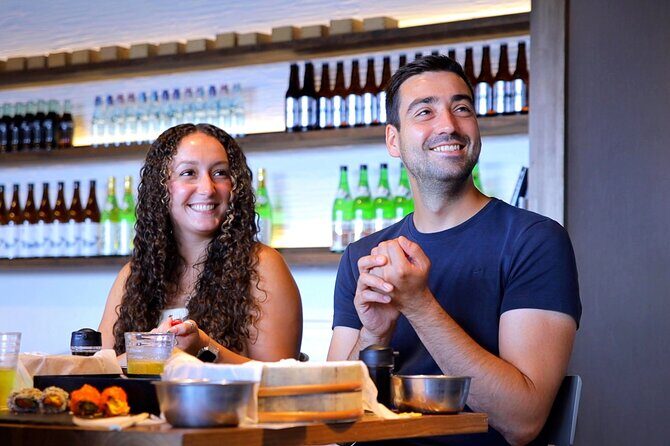
The duration is about 3 hours 30 minutes. That’s long enough to feel like you did something real, but not so long that it eats your entire day in Asakusa.
One useful planning note: the tour is often booked around 23 days in advance on average. So if you’re traveling during busy periods, don’t wait until the last minute. Even though confirmation is usually provided within 48 hours, that still assumes availability.
Also, because there’s no hotel pickup, you’ll want to schedule your day so you can reach Kaminarimon comfortably. If you’re hopping between neighborhoods that day, give yourself travel buffer time.
Who Should Book This (and Who Might Skip It)
This tour is a strong match if:
- You want hands-on sushi learning instead of just a restaurant meal
- You appreciate cultural context while sightseeing
- You prefer English guidance to make the experience smoother
- You like activities that are small enough to feel human
You might consider skipping or swapping to a different option if:
- You’re traveling on a very tight schedule and can’t reliably meet at the start point
- Weather is uncertain for your dates (since the rickshaw/cultural plan needs good conditions)
- You mainly want independent exploration and you don’t want an organized time block
For many first-time Tokyo visitors, Asakusa is one of the most rewarding neighborhoods to learn in. Pairing it with sushi is a smart way to use that time efficiently.
Simple Tips for Getting the Most Out of It
You’ll get the best experience if you treat it like a skill-building workshop, not just a show:
- Ask questions early so you understand the workflow before you start working.
- Go in hungry. The meal is included, and you’ll likely enjoy what you make more because you worked on it.
- Wear comfortable shoes. Even though much of the experience involves seated time, you still need mobility around the meeting point and between parts of the tour.
- Check the weather the day before. Since good weather is required, it helps to know what you’re walking into.
Should You Book Sushi Making Tokyo With Traditional Rickshaw Ride in Asakusa?
If you want a memorable Tokyo afternoon that mixes food, culture, and a fun mode of seeing the streets, I’d book it. The biggest reason is the blend of hands-on sushi making plus guided Asakusa time in English, all in a small-group setting. At $156.77, you’re paying for more than ingredients—you’re buying clarity, coaching, and a structured way to enjoy Asakusa without feeling lost.
Skip it only if the weather risk or the no-pickup logistics would stress you out. Otherwise, this is the kind of tour that gives you something you can talk about later, because you didn’t just observe Japan—you practiced a tiny piece of it.
FAQ
FAQ
What is the meeting point for the tour?
The tour starts at 2-chōme-17-9 Kaminarimon, Taito City, Tokyo 111-0034, Japan.
How long is the Sushi Making Tokyo with traditional rickshaw ride tour?
The duration is approximately 3 hours 30 minutes.
Is the tour conducted in English?
Yes. The class and tour are conducted in English.
Is hotel pickup included?
No. Hotel pickup and drop-off are not included.
What is included in the price?
The price includes an English speaking instructor and the ingredients of the cooking class and meal.
Do I need a printed ticket?
No. The tour uses a mobile ticket.
How big is the group?
The tour has a maximum of 30 travelers.
What happens if the weather is bad?
The experience requires good weather. If it’s canceled due to poor weather, you’ll be offered a different date or a full refund.
What is the cancellation policy?
Free cancellation is available. You can cancel up to 24 hours in advance for a full refund.
When will I receive confirmation after booking?
Confirmation is received within 48 hours of booking, subject to availability.