REVIEW · TOKYO
Tokyo Cherry Blossom Matcha Experience in Yoyogi Park (Shibuya)
Book on Viator →Operated by 明治神宮で本物の日本文化を体験 · Bookable on Viator
Sakura and matcha beats anything. This one-hour picnic in Yoyogi Park near Shibuya and Harajuku lets you whisk Uji matcha with traditional tools under blooming cherry blossoms. I love that it is relaxed and beginner-friendly, and I also like the small-group pace. The one drawback to plan around: it runs only during a short spring window and depends on weather.
The host is a certified Matcha Hospitality Adviser, and you get Japanese hospitality explained in English without the pressure of a formal ceremony. I also really like the seasonal wagashi sweets that turn your bowl of matcha into a full snack-and-sakura moment.
Logistics are easy: a mobile ticket, a maximum group size of 6, and it ends back near where you meet at Harajuku Station.
In This Review
- Key Things That Make This Matcha Picnic Worth Your Time
- Matcha Under Sakura at Yoyogi Park: What This One Hour Feels Like
- Certified Matcha Hospitality: How the Host Guides You Without Making It Rigid
- Whisking Uji Matcha and Using Traditional Tools: The Part You’ll Remember
- Walking From Shibuya to Yoyogi and Back: Why the Route Is More Than Just Movement
- Stop-by-Stop: What You Can Expect at Each Area
- Harajuku Station: Your Calm Start
- Shibuya: Setting the Modern Scene
- Yoyogi Park: The Sakura Picnic Core
- Harajuku Station Again: Easy Exit
- Omotesando: A Stylish Finish
- Wagashi Sweets and Several Cups of Matcha: How the Pairing Works
- Price and Value: Is $100.80 Worth It?
- Timing, Weather, and the Short Spring Window You Can’t Miss
- Who Should Book This Matcha Picnic (and Who Might Not)
- Should You Book This Tokyo Cherry Blossom Matcha Experience?
- FAQ
- How long is the Tokyo Cherry Blossom Matcha Experience?
- Where does the experience start and end?
- Is this a formal Japanese tea ceremony?
- Do I need prior matcha experience or any special dress code?
- What’s included in the experience?
- Is this experience available year-round?
- What if the weather is bad?
- How many people are in each group?
- How will I get my ticket?
- Can I get photos during the experience?
Key Things That Make This Matcha Picnic Worth Your Time
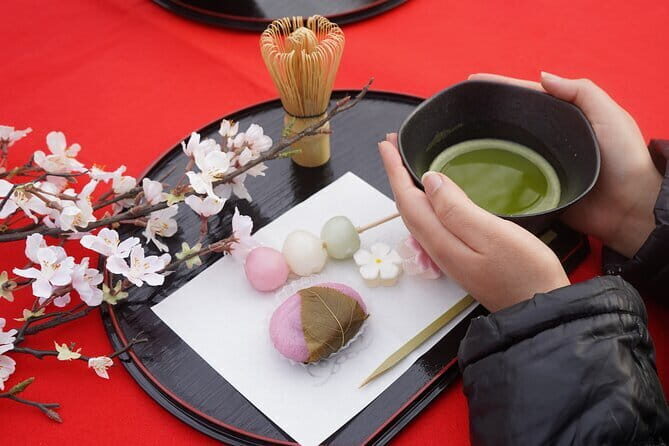
- Rare Uji matcha you can actually taste: you’re not just hearing about matcha; you’ll prepare and drink it
- Traditional tools, hands-on: you whisk your own bowl (no experience needed)
- Sakura-season only: available around March 23 for roughly two weeks depending on conditions
- Certified hospitality guidance: led by a Matcha Hospitality Adviser in English
- Seasonal Japanese wagashi included: the sweets pair with what you’re drinking
- Photo-friendly optional sessions: great for memories without formal posing rules
Matcha Under Sakura at Yoyogi Park: What This One Hour Feels Like
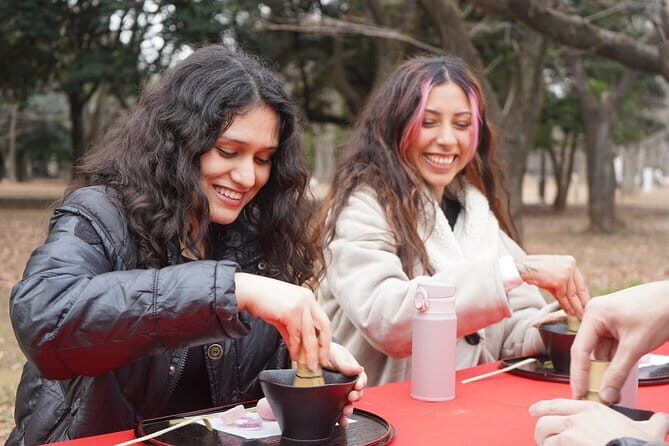
Think of this as a calm spring break from the usual Tokyo rush. You’re in Yoyogi Park—one of the city’s best-known sakura areas—with a host who keeps things simple and welcoming. The goal is not perfection. It’s connection: to the season, to Japanese tea culture, and to the people next to you.
The experience is built for first-timers. You don’t need prior matcha know-how, and there’s no dress code. That matters because it lowers the barrier when you’re already planning a packed day around Shibuya and Harajuku.
You’ll also appreciate the time length. At about one hour, you can fit it early in a Tokyo itinerary without worrying you’ll lose half your day. The trade-off is that it’s not a long, deep workshop. It’s a focused taste-and-learn moment, then you’re back out into the neighborhood.
You can also read our reviews of more tours and experiences in Tokyo.



Certified Matcha Hospitality: How the Host Guides You Without Making It Rigid
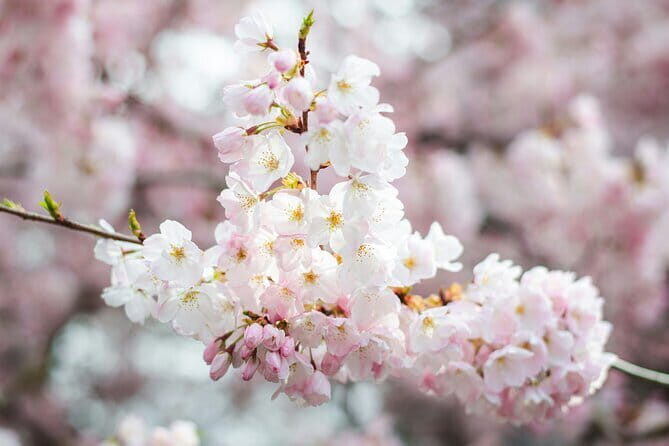
One thing I like in Japanese cultural experiences is when the guide can explain without lecturing. Here, the host is a certified Matcha Hospitality Adviser, and the instruction stays practical and human. You’ll learn authentic matcha basics and how Japanese hospitality shows up in small actions.
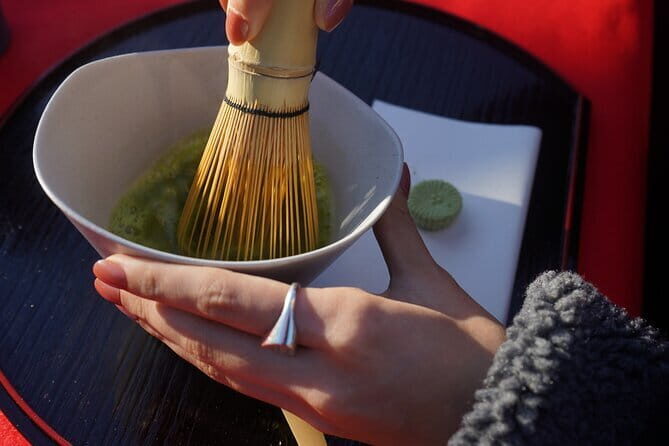
You’ll whisk your own bowl using traditional tools. That hands-on piece is the heart of it. Instead of watching from the sidelines, you do the motions, ask questions, and get feedback. Even if you’ve never handled matcha tools before, the guide keeps you in “you can do this” territory.
The experience is also explicitly not a formal tea ceremony. That helps you relax. You can treat it like a guided picnic with structure, not a performance with rules.
And the English support is a big deal. Japanese tea culture can get technical fast, but you’ll be able to follow along in English while learning what matters.
Whisking Uji Matcha and Using Traditional Tools: The Part You’ll Remember
Here’s the payoff: you taste rare Uji matcha with traditional tools, prepared by you. Uji matcha isn’t just a buzzword in Japan. It’s a specific regional style that people often seek out because of its reputation. This experience builds that into the experience so you’re not just getting “any green tea.” You’re getting the real thing in a visitor-friendly way.
You’ll also enjoy the contrast between the tools and the setting. Yoyogi Park is outdoors, springy, and naturally chaotic in a good way. Then you’re doing something precise enough to feel satisfying—whisking matcha until it comes together.
If you like small challenges, you’ll find this fun. If you’re more of a “tell me what to do” person, you’re also covered. Either way, the host’s job is to keep the experience smooth and beginner-safe.
One practical tip: if you’re taking photos, keep your phone in a position where you can keep your attention on whisking. Matcha preparation moves quickly, and you don’t want to drop your focus just to chase a perfect shot.
Walking From Shibuya to Yoyogi and Back: Why the Route Is More Than Just Movement
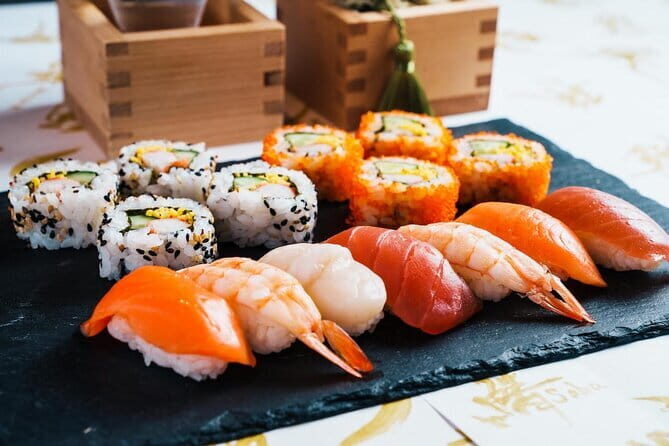
The activity is centered on Yoyogi Park, but the route matters because it stitches together the vibe of Tokyo neighborhoods. You start around Harajuku Station, then head through Shibuya and Harajuku Station area again, with Omotesando also included in the path.
That pattern is useful if you’re sightseeing by theme. Shibuya gives you the modern energy. Harajuku and Omotesando add style and street-life contrast. Then Yoyogi Park pulls you into a calmer pocket where the sakura becomes the main event.
At a simple level, the route also helps you avoid the “how do I get there from Shibuya?” headache. It’s near public transportation, and it is designed to end back at the meeting point, so you can keep moving right after your matcha break.
If you’re worried about timing, remember this is about one hour total. The walking and setup are part of the experience flow, not extra tasks you must manage on your own.
Stop-by-Stop: What You Can Expect at Each Area
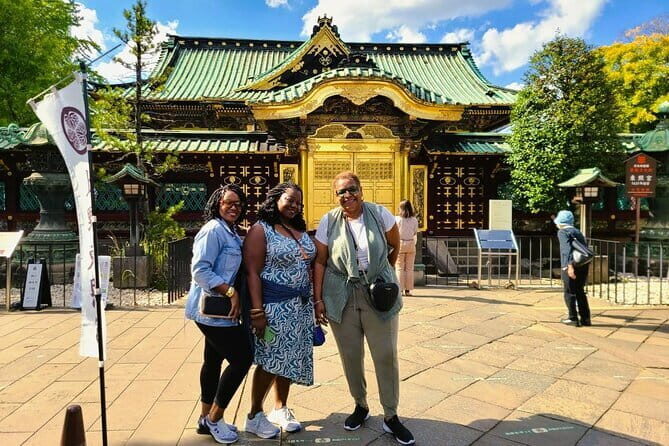






Harajuku Station: Your Calm Start
You’ll meet at Harajuku Station (near 1 Chome-18 Jingumae, Shibuya, Tokyo). This is a smart starting point because it sits between Shibuya and Harajuku. It also makes the whole experience easier to plug into the rest of your day.
Expect the group to get oriented, then head out toward the sakura-focused portion. The key here is mindset: treat this like a guided breather, not a formal instruction class.
Shibuya: Setting the Modern Scene
You’ll pass through Shibuya as part of the flow. Even though the matcha picnic is the real centerpiece, moving through the area helps you feel like you’re doing something specific for Tokyo spring—not just standing in one place.
If you’re starting fresh to Japan, this also helps you ease into the rhythm of the city while keeping your schedule structured.
Yoyogi Park: The Sakura Picnic Core
Yoyogi Park is where the experience earns its name. This is the part built around cherry blossom season only. You’ll enjoy your matcha preparation and sipping under blooming sakura.
This is also where the experience becomes more than a drink. You’re combining seasonal nature, Japanese tea culture, and a relaxed picnic-style format. It’s the kind of cultural moment that feels real because it’s tied to the season, not to a showroom.
Photo-wise, this is your main target. Optional photo sessions are available, which can help if you want a clear memory shot without juggling a crowd and your own timing.
Harajuku Station Again: Easy Exit
Ending back near Harajuku Station is convenient. Once your matcha picnic ends, you can keep exploring without needing to backtrack across the city.
This “start and end in the same area” structure is a quiet quality-of-life win—especially if you booked this as your first activity on a first day.
Omotesando: A Stylish Finish
Omotesando is included in the path. Even if you only see it for a short time, it rounds out the experience visually. It turns your matcha session into a spring day that connects multiple Tokyo moods.
Wagashi Sweets and Several Cups of Matcha: How the Pairing Works
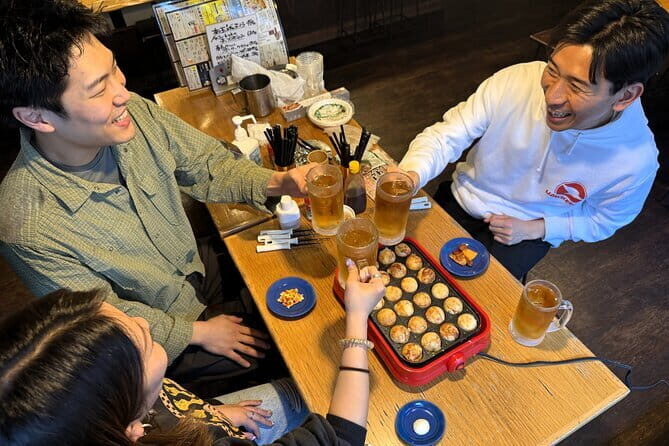
The snacks matter here. The experience includes seasonal Japanese wagashi sweets, plus coffee and/or tea and several cups of matcha tea. In other words, you’re not just doing one sip and moving on.
Wagashi can be a great way to understand the “seasonal thinking” behind Japanese food culture. Even without turning it into a lesson, you’ll feel the difference when your sweets match the spring moment you’re sitting in.
Also, multiple cups of matcha means you can taste at a steady pace. That’s helpful because matcha is more than just a color. It has a taste profile that changes slightly depending on preparation and how you sip.
One more practical thing: bring a normal appetite for a snack. This isn’t a full meal. But the combination of matcha and wagashi is enough to make the experience feel complete.
Price and Value: Is $100.80 Worth It?
Let’s talk money plainly. At $100.80 per person, this costs more than what you’d spend if you bought matcha and snacks yourself in Tokyo. You’re paying for three things:
First, you’re paying for the certified host and guided English explanations, plus the care that comes from making it smooth for beginners. Second, you’re paying for the tools and hands-on preparation of matcha, not just tasting a drink. Third, you’re paying for the timing: cherry blossom season only, when the setting is part of the product.
So if your goal is budget shopping, you might skip it. If your goal is a well-guided, low-stress cultural experience that’s hard to recreate exactly (especially the rare Uji matcha and the sakura-season picnic format), the price starts to make sense.
The small group size (max 6) also supports the value argument. You’re not getting funneled through a big crowd. You should be able to ask questions and follow along without feeling lost.
Timing, Weather, and the Short Spring Window You Can’t Miss
This experience is available only during cherry blossom season, around March 23 for about two weeks depending on conditions. That timing detail is not just marketing. It’s the whole reason to book it.
The activity also requires good weather. If it’s canceled due to poor weather, you’ll be offered a different date or a full refund. That makes it workable even if you’re worried about spring showers, but it does mean you shouldn’t treat this as a “must-happen no matter what” fixed point if your schedule is extremely rigid.
Duration is short—about one hour—so your best chance at enjoying it is booking on a day you can keep flexible in your mind. If the blossoms are peak and the sky cooperates, you’re in for a very Tokyo spring moment.
Who Should Book This Matcha Picnic (and Who Might Not)
This is a great fit if you:
- Want a beginner-friendly introduction to matcha and Japanese tea culture
- Like hands-on activities more than watching from the sidelines
- Are staying near Shibuya/Harajuku and want a short, memorable plan
- Care about sakura-season experiences but don’t want a complicated schedule
You might reconsider if:
- You only want a bargain option and can handle DIY matcha and snacks
- You dislike time-bound experiences tied to weather and a brief spring window
- You expect a long, formal tea ceremony (this is relaxed and picnic-style)
Should You Book This Tokyo Cherry Blossom Matcha Experience?
I’d book it if you want a guided, beginner-safe way to enjoy sakura season while learning the basics of matcha hospitality with a real host and traditional tools. The value is strongest when you treat it as a “first day” or “midday reset” experience: short, meaningful, and easy to fold into Shibuya/Harajuku sightseeing.
The main reason not to book is simple: it’s time-and-weather dependent, and it’s a premium price compared with buying matcha on your own. If you can match your plans to that reality, you’ll likely get a spring memory that feels very Tokyo and very personal.
FAQ
How long is the Tokyo Cherry Blossom Matcha Experience?
It lasts about 1 hour.
Where does the experience start and end?
It starts at Harajuku Station (near 1 Chome-18 Jingumae, Shibuya, Tokyo 150-0001, Japan) and ends back at the same meeting point.
Is this a formal Japanese tea ceremony?
No. It is described as a relaxed, beginner-friendly matcha picnic experience, not a formal tea ceremony.
Do I need prior matcha experience or any special dress code?
No prior experience is needed, and there is no dress code.
What’s included in the experience?
You’ll get matcha making with traditional tools, seasonal Japanese wagashi sweets, and several cups of matcha tea. Coffee and/or tea are also included, plus snacks described as traditional and modern Japanese sweets.
Is this experience available year-round?
No. It’s only available during cherry blossom season, around March 23 for about two weeks depending on cherry blossom conditions.
What if the weather is bad?
The experience requires good weather. If it’s canceled due to poor weather, you’ll be offered a different date or a full refund.
How many people are in each group?
The group size is capped at a maximum of 6 travelers.
How will I get my ticket?
It uses a mobile ticket.
Can I get photos during the experience?
Optional photo sessions are available.