Tokyo can feel like a puzzle at first, but this route makes sense fast. I like that you get a tight 7-hour circuit across Shibuya, Tsukiji, the Imperial Palace area, Tokyo Station, Akihabara, and Asakusa, and I also like that every stop is free to enter so your money goes toward getting around and eating well. The only real drawback is the pace: you’re set up for around 20,000 steps, so comfortable shoes matter.
This tour also helps you learn Tokyo beyond the photos: you’ll practice Japanese public transport etiquette and city habits with a born-and-raised guide. Many days are led by guides like Sam or Yasuko, and you can expect clear explanations, lots of questions answered, and even helpful tools like maps and simple visual aids on an iPad. Just note it’s not for everyone, especially if you’re pregnant, have mobility or back issues, or you’re under the weather.
If it’s your first day in Tokyo or you only have a short stopover, this is one of the most efficient ways to get your bearings fast and decide what you’ll revisit later.
In This Review
- Key things that make this Tokyo tour work
- A smart first-day Tokyo route that saves you mental energy
- Price and value: $77 plus the few real extras
- The walking pace: when 7 hours feels like a workout
- Stop-by-stop: what each area teaches you about Tokyo
- Konbini culture at Seven-Eleven
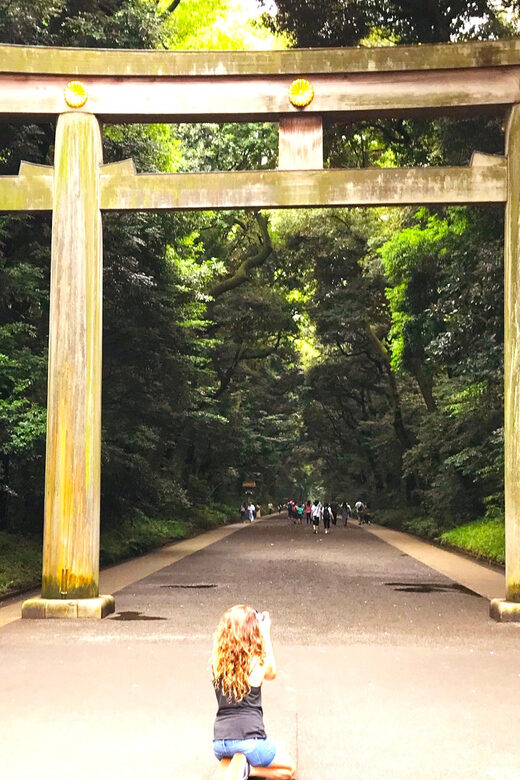
- Meiji Jingu Shrine: a forest pause inside the city
- Shibuya: Hachiko and the scramble crossing
- Tsukiji: temple architecture and a food-first market visit
- Imperial Palace and Marunouchi: a walk between old and new
- Tokyo Station: red brick and a transit landmark
- Akihabara: anime and gaming Electric Town
- Asakusa: Sensoji Temple and Asakusa Shrine
- Transportation and etiquette: how you’ll move like you belong
- Why the guides matter (Sam and Yasuko are a big part of the appeal)
- Food planning: Tsukiji lunch and konbini snacks for gaps
- Who this Tokyo tour suits best
- Should you book this Tokyo full course tour?
- FAQ
- Are entrance fees included?
- What does the price include, and what does it not include?
- How long is the tour, and how many people are in the group?
- Where do I meet the guide?
- Do I need an IC card for the metro?
- Is the tour suitable for children?
Key things that make this Tokyo tour work
- Free entry saves money: all stops on the route are free to enter.
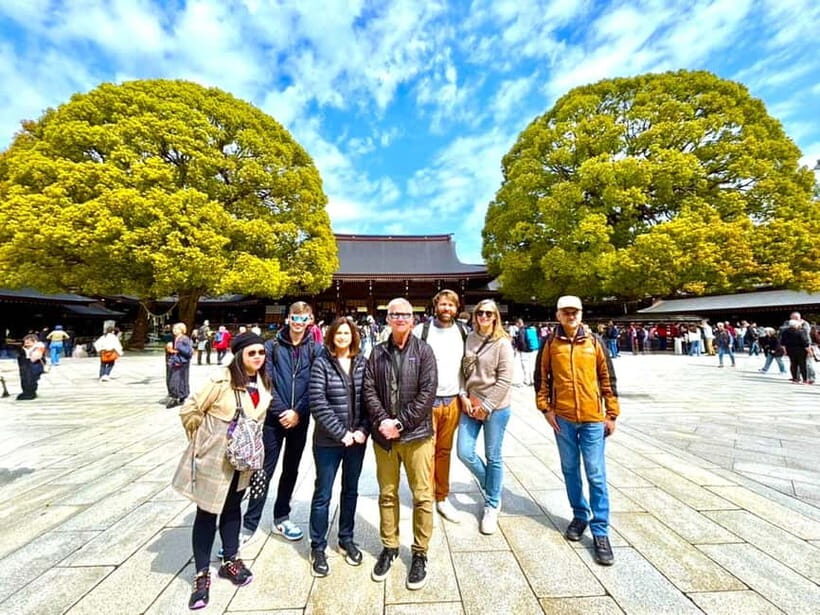
- Small group keeps it practical: limited to 7 participants, with live English guidance.
- Born-and-raised experts: guides are trained to top standards and know the rhythms of each area.
- Metro + walking style: you move between neighborhoods by train and explore on foot.
- Konbini culture and local habits: you’re not only doing temples and towers; you learn daily-life Japan too.
- Food options built in: you’ll have a lunch stop at Tsukiji, and vegetarian and vegan options are available.
A smart first-day Tokyo route that saves you mental energy
I love tours that help you stop guessing. Tokyo’s layout can be confusing, and the streets can feel like they’re designed to test your patience. This one gives you a clear plan for a single day, moving through well-known areas without requiring you to stitch together directions on your own.
You’ll meet at JR Yoyogi Station, West Exit (outside the ticket gate). From there, the tour is set up to cover a lot of ground in a focused way: metro between areas, then walking on foot where the details matter.
The value here isn’t just that you’ll see famous places. It’s that you’ll understand how to move through them. The guide’s job is to help you connect the landmarks to the everyday city life around them—how neighborhoods feel different, where to be careful, and how to behave on public transport.
You can also read our reviews of more tours and experiences in Tokyo.



Price and value: $77 plus the few real extras
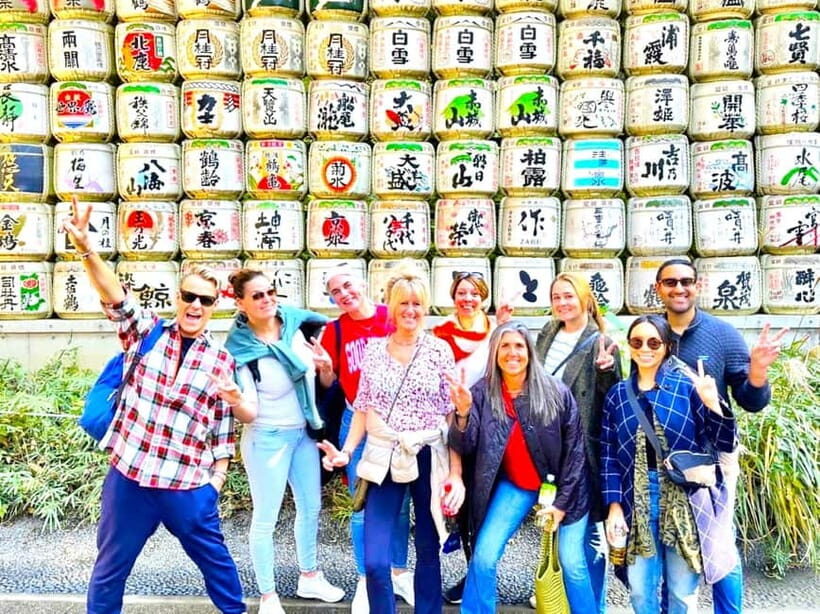
The headline price is $77 per person for a 7-hour experience. Included in that cost are the professional guide fee and all taxes. That’s already a good start, but the best part is what isn’t eating your budget: all attractions on the tour are free to enter.
Here are the add-ons you should plan for:
- Transportation fares: about 1,500 JPY (around $10) for metro and JR
- Food and drinks: lunch at Tsukiji plus snacks are not included
So what do you actually pay? You’re paying for expert guidance, efficient routing, and time saved. You’re not paying for multiple paid entrances, which adds up fast in Tokyo. If you’re budgeting for a day that includes both sightseeing and a proper meal, it’s a solid deal.
The walking pace: when 7 hours feels like a workout
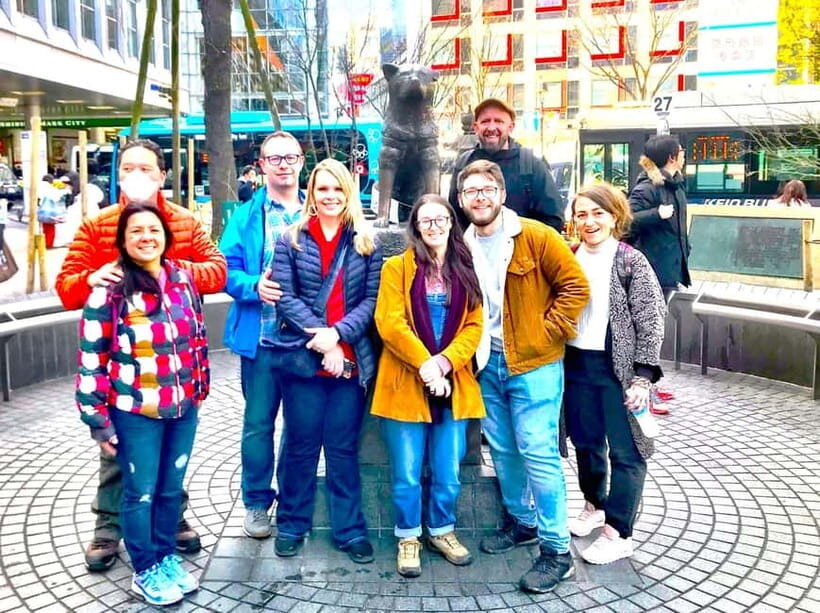
This is a day built for active sightseeing. You should expect around 20,000 steps, so you’ll want comfortable shoes and easy-to-move clothes. High heels are not allowed, and oversize luggage is also a no-go.
If you don’t like walking long distances, you’ll notice it by mid-afternoon. If you do like exploring on foot, this pace is exactly how you get the most out of Tokyo: short distances between street scenes, small side streets, and quick photo moments that you’d miss from a bus.
One practical thing I appreciate is the rain plan. You’ll keep going even if it rains, so bring an umbrella or raincoat. Tokyo weather can change fast, and dry shoes are a luxury, not a given.
Stop-by-stop: what each area teaches you about Tokyo
This route is built around a mix of iconic sights and everyday Tokyo culture. You’ll move through several “Tokyo flavors” in one day, and each stop is a chance to learn how locals experience the city.
Konbini culture at Seven-Eleven
You start with something many visitors overlook: a Seven-Eleven stop. This is where you learn why konbini culture matters in Japan—high-quality snacks, daily convenience shopping, and the idea that small stops are part of normal life.
Why I like this early: it sets expectations. Tokyo isn’t just grand temples and train stations. It’s also routine habits. Seeing a konbini up close helps you understand how to handle quick meals and snack breaks later.






Meiji Jingu Shrine: a forest pause inside the city
Next is Meiji Jingu Shrine, described as a serene forest oasis. Even if you’ve seen photos, you’ll get a different feeling once you’re walking there: quiet space, the contrast with Tokyo’s motion, and a slower rhythm.
A drawback to keep in mind: shrine visits can feel more meaningful when you’re not rushing. The tour timing is tight, so you’ll want to bring patience and take your time during the moments you have.
Shibuya: Hachiko and the scramble crossing
In Shibuya you’ll hit two big hits:
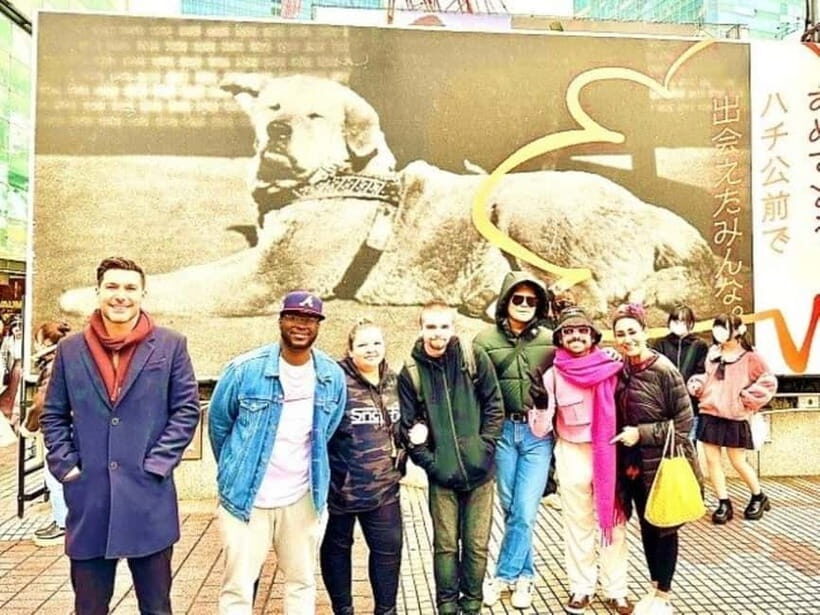
- Shibuya Hachiko, with the true story of Japan’s most loyal dog
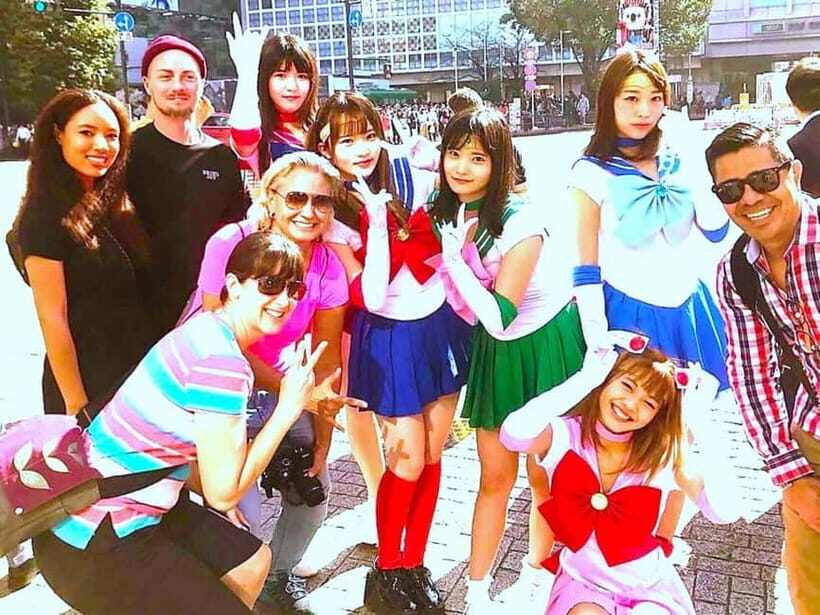
- Shibuya Scramble Crossing, a world-famous photo moment
I like that the tour doesn’t just drop you at landmarks. You’ll learn the story behind Hachiko, which makes the statue more than a background prop. Then you get the energy of the crossing, one of Tokyo’s most instantly recognizable scenes.
Because this is Shibuya, expect the area to be energetic. If you hate crowds or standing in one spot for photos, mentally prepare. This stop is about the spectacle and the vibe.
Tsukiji: temple architecture and a food-first market visit
Tsukiji brings two different experiences back to back:
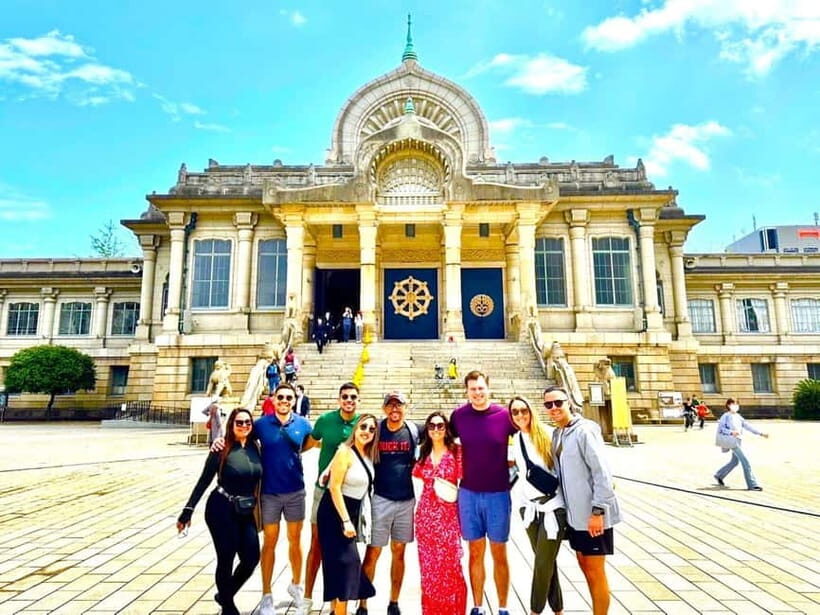
- Tsukiji Honganji Temple, with Indian-inspired architecture and stained glass
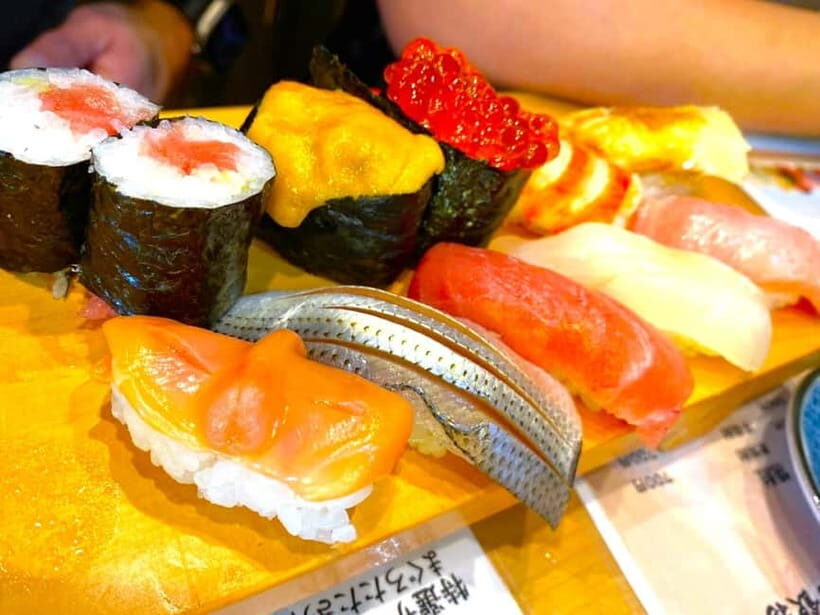
- Tsukiji Outer Market, often described as Japan’s Kitchen for seafood, Wagyu, and local delicacies
If you love food, this is the part that turns the day from sightseeing into a full Tokyo experience. The market visit is the kind of place where even if you don’t buy much, you’ll leave understanding what people actually eat and how a working food district feels.
Lunch is tied to this area, but note that lunch at Tsukiji is not included. The good news is that vegetarian and vegan options are always available, so you shouldn’t feel stuck.
Imperial Palace and Marunouchi: a walk between old and new
You’ll visit:
- The Imperial Palace, walking the grounds of the former Edo Castle and along majestic stone walls
- Marunouchi Area, where modern skyscrapers meet imperial heritage
This section gives you Tokyo’s “two speeds”: tradition and modern city planning next to each other. It’s a nice reset from the high-volume districts like Shibuya and the neon intensity of Akihabara later.
Because the palace area is more about walking and space than about shopping, it’s a great break if you start feeling sensory overload.
Tokyo Station: red brick and a transit landmark
Then comes Tokyo Station, known here as the stunning red-brick landmark. It’s also a major transit gateway, so you’ll see why it’s such a central piece of the city’s movement.
I like adding Tokyo Station to a first-day tour because it’s practical. Once you’ve seen the station in person, you’ll understand why Tokyo is easier than it looks on maps.
Akihabara: anime and gaming Electric Town
You’ll head to Akihabara, described as a neon paradise for anime and gaming and the hub of Japanese pop culture. This is where you can slow down and look around—signs, stores, and the feeling that Tokyo has a playful side.
If you don’t care much about games or anime, you can treat this stop as a cultural contrast. Tokyo isn’t one mood, and Akihabara proves it.
Asakusa: Sensoji Temple and Asakusa Shrine
You finish with Asakusa highlights:
- Sensoji Temple, Tokyo’s oldest temple, with the Kaminarimon Gate as the spiritual heart of old Asakusa
- Asakusa Shrine, a peaceful Shinto gem within Sensoji grounds
This closing section is often what turns a “tour day” into a memory. Temples are more than architecture here—they’re a slower, more reflective ending.
The practical downside: by the time you reach Asakusa, your legs may be tired. Build in your own pace. Take breaks when you need them so you can still enjoy the atmosphere.
Transportation and etiquette: how you’ll move like you belong
The tour is built around metro and JR connections, with time spent walking between stops. What makes this valuable isn’t only where you go. It’s learning how to travel without chaos.
The guide specifically focuses on public transport etiquette and daily life in Japan. That matters because Tokyo transit has rules that aren’t always intuitive at first. You’ll also need what the tour calls for:
- A public transport ticket / IC card like Suica, Pasmo, or Icoca (pre-charged)
- Some cash in JPY for shops or spots that accept cash only
I recommend you treat cash as your backup plan. Even in a tech-heavy city, cash-only moments show up.
Why the guides matter (Sam and Yasuko are a big part of the appeal)
This tour has a simple edge over DIY exploring: you have a guide who can interpret what you’re seeing.
On many days, the guide is Sam or Yasuko (and you may see other names too). In the strongest feedback from past participants, the guides are praised for:
- explaining history and culture in a clear way
- teaching Japanese courtesies at the places you visit
- answering questions patiently
- offering helpful support like maps and simple slide guidance on an iPad
- bringing a kind, welcoming attitude
That’s not fluff. In Tokyo, the difference between a good day and a great day is whether someone helps you understand what you’re walking past. When you know what a place represents, you remember it longer—and you know what to revisit later.
Food planning: Tsukiji lunch and konbini snacks for gaps
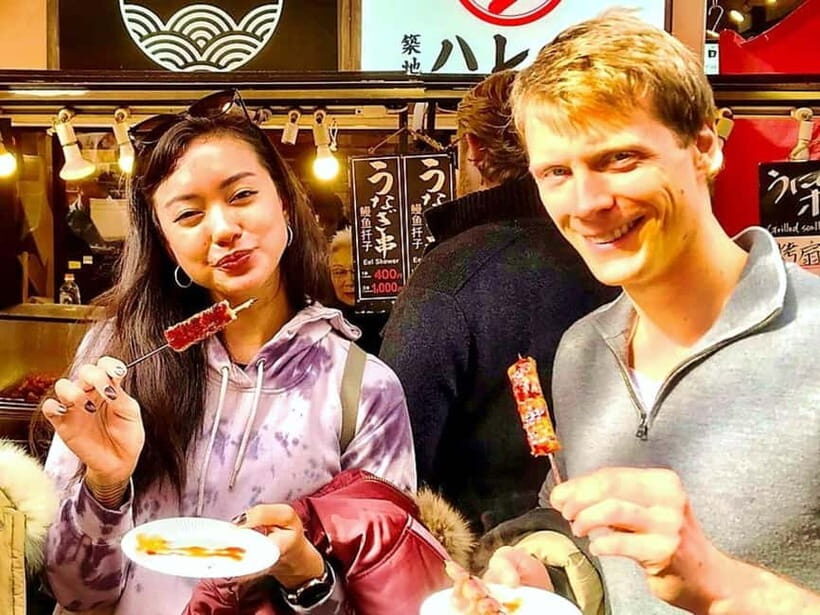
Food is part of the tour design. Lunch is planned around Tsukiji, and snacks are part of the day, but food and drinks aren’t included. You’ll want to budget for them separately.
The tour also states that vegetarian and vegan options are always available, which is a relief if your diet needs a little extra care. For your own sanity, I’d plan to eat your biggest meal at Tsukiji and use konbini snacks to fill the in-between spaces.
Cash helps here too. If a shop is cash-only, you’ll be ready.
Who this Tokyo tour suits best
This one is ideal if you want a first-day overview that doesn’t leave you exhausted mentally. You’ll especially like it if:
- it’s your first day in Tokyo
- you have a short stopover
- you want to know where to return later
- you like guided context, not just photos
It’s not the right fit if you:
- are under 13 (under-13 requires a private tour)
- need wheelchair access (wheelchair users are not suitable)
- are pregnant or have back problems
- have low fitness
- are dealing with a cold
- plan to bring intoxication (not allowed)
Should you book this Tokyo full course tour?
I’d book it if you want to get organized fast and make Tokyo feel navigable on day one. The best reason is the combination: free entry for the core stops, a guide who teaches practical etiquette, and a route that covers major areas without requiring you to plan every train hop.
Pass on it only if the walking pace sounds miserable or if your health limits long days on foot. Otherwise, this is a strong value way to see a lot of Tokyo while learning how the city works at street level.
FAQ
Are entrance fees included?
Yes. All attractions on the tour are free to enter.
What does the price include, and what does it not include?
The price includes the professional guide fee and all taxes. It does not include transportation fares (metro and JR), food and drinks (including lunch at Tsukiji and snacks).
How long is the tour, and how many people are in the group?
The tour lasts 7 hours and is a small group limited to 7 participants.
Where do I meet the guide?
Meet at JR Yoyogi Station on the West exit, outside the ticket gate (1-chōme-34 Yoyogi, Shibuya City, Tokyo 151-0053).
Do I need an IC card for the metro?
Yes. The tour requires a pre-charged IC card such as Suica, Pasmo, or Icoca for metro travel.
Is the tour suitable for children?
Under 18s must be accompanied by an adult. Under 13s require a private tour, so this group tour isn’t for children under 13.