REVIEW · TOKYO
Tokyo Nagano Snow Monkey Park and Zenkoji Temple English driver
Book on Viator →Operated by Ohayo Trip · Bookable on Viator
Nagano turns a day trip into a storybook—if you dress right and pick your comfort level. I love the pairing of Zenko-ji with guided context and the sheer closeness of the Snow Monkeys at Jigokudani. The one drawback to keep in mind is that driving style can be a wild card; if speed and lane changes make you uneasy, say so early.
This is a private full-day outing from Tokyo with an English-speaking driver/guide, priced by the group (up to 6) and designed to cover big-name sights around Nagano without you having to stitch together train times. You’ll use a mobile ticket, ride in an air-conditioned vehicle, and get bottled water while you move between stops.
Plan on a long day—about 10 hours—and a bit of walking before the monkeys. Lunch is not included, so you’ll want to treat the food stop as your main meal plan, not just a coffee break.
In This Review
- Key highlights before you go
- Zenko-ji Temple: where Nagano’s legends start
- Nishimon Yoshinoya sake tasting: what makes Nagano famous
- Jigokudani Snow Monkey Park: the hot-spring spectacle and the walk
- Dazaifu Monzen Machi lunch stop: a comfortable break from sightseeing
- Obuse and Onsen Kannon-no-yu: Hokusai, chestnuts, and an art-shaped town
- English driver and private logistics: where value really lives
- Price and value: $538 per group and how to judge it
- Who this trip suits best
- Should you book Tokyo Nagano Snow Monkey Park and Zenkoji Temple with an English driver?
- FAQ
- How long is the Tokyo to Nagano snow monkeys and Zenko-ji tour?
- Is this tour private, and who else will be with us?
- Is pickup included?
- Is lunch included in the price?
- Do I need to pay entry fees at the stops?
- Can I cancel and get a full refund?
Key highlights before you go

- Zenko-ji Temple with guided legends: you get a walkthrough that helps you read the myths behind the place
- Sake tasting at Nishimon Yoshinoya: learn how sake culture works, not just what to drink
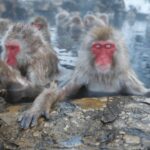
- Jigokudani’s hot-spring monkeys up close: no big barriers, and the monkeys really do soak
- The 1.6 km forest walk each way: about 25 minutes each way in summer, slightly longer in winter
- About 1 hour at the monkey park: time is planned for real observation, not a rushed pass-through
- Obuse’s Hokusai connection: the art link is a major part of why this town is worth the stop
Zenko-ji Temple: where Nagano’s legends start
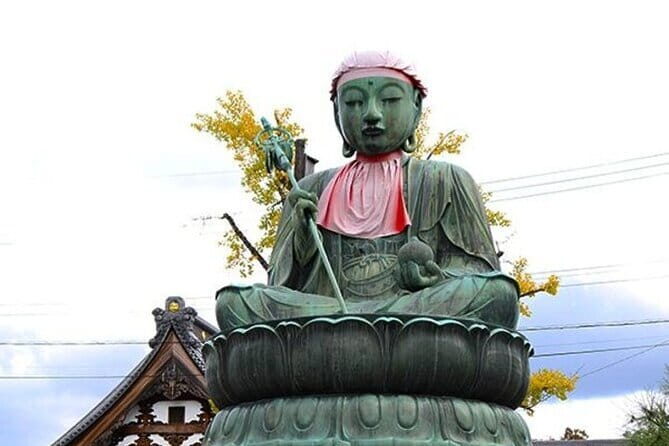
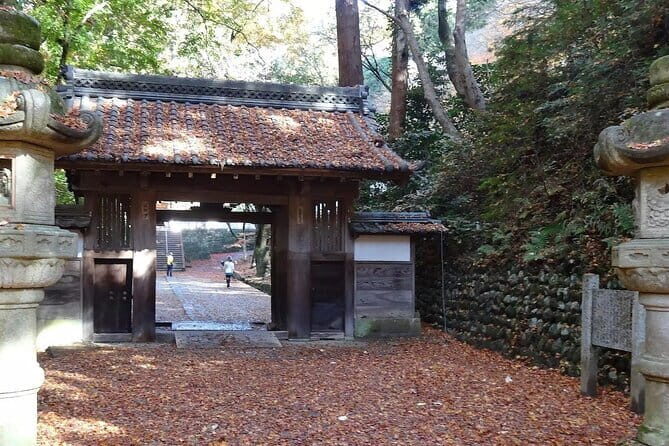
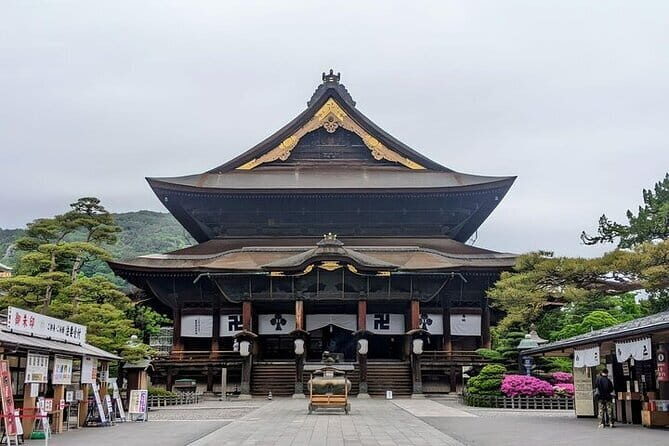
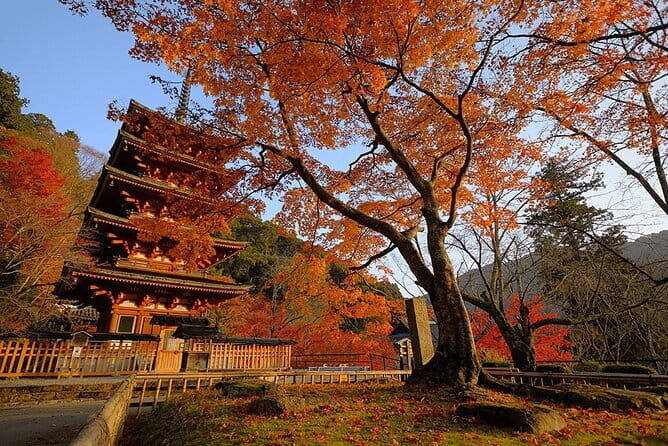
Zenko-ji is the big spiritual anchor for Nagano, and it’s one of Japan’s oldest and most important Buddhist temples. What I like about this stop is that it’s not just a walk through stone and incense—your guide helps you make sense of the legends and the temple’s long timeline (about 1,400 years).
You’ll spend around two hours on-site. That time matters because Zenko-ji isn’t the kind of place you can properly scan from the sidewalk. You’ll have guided time around the temple precinct, and then time to breathe and wander if your schedule allows.
Practical note: temples are calm, but they are still real public places with steady foot traffic. If you like photos, aim for gentler times within the allotted window rather than trying to “chase the perfect angle.” Also, keep your voice level down—this is a working, meaningful site.
A few more Tokyo tours and experiences worth a look
Nishimon Yoshinoya sake tasting: what makes Nagano famous
Nagano and sake are basically cousins. This stop is a simple, fun way to understand why—Nishimon Yoshinoya is where you’ll get a guided sake tasting and learn what you’re actually tasting.
You’ll have about one hour here, which is a good length: enough time to sample and ask questions, but not so long that you feel stuck in a formal session. Since the tasting is guided, you’re not left guessing whether you like sweet, dry, light, or more robust styles.
A quick strategy for you: pace yourself. Sake tasting is meant to be educational and enjoyable, but it’s still alcohol. If you’re planning a long afternoon (and you are—monkeys take effort), go easy so you’re fresh when the walk starts.
Also, this stop is listed as free for admission, so you’re not paying extra just to get your bearings in Nagano’s food-and-drink culture. Lunch later is on you, but at least the tasting itself isn’t another bill.
Jigokudani Snow Monkey Park: the hot-spring spectacle and the walk
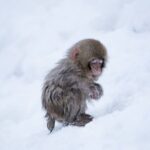
This is the reason many people book the day: Jigokudani Snow Monkey Park and its famous troop of monkeys that bathe in hot springs. The park is established in 1964 and is known for a very specific behavior—watching monkeys soak, groom, wrestle, and simply hang around you at close range.
Here’s the key practical detail: the time on the ground includes the hike in and out. You’ll walk about 1.6 km each way along a forest trail. In summer, that’s roughly 25 minutes each way; in winter it’s slightly longer.
That means your footwear choice affects your entire experience. Wear shoes that can handle damp, muddy ground and still feel secure if the path gets slick. If you only bring delicate sneakers, you’ll likely spend the later part of the walk thinking about your grip instead of the monkeys.
Once you reach the viewing area, you’re aiming for about one hour at the park itself. This is smart planning. Watching snow monkeys takes time because they rarely follow a human schedule. One minute they’re ignoring you, the next they’re hopping, grooming, and settling right where you’re standing.
What to expect in general:
- The monkeys are presented as calm and used to visitors.
- There are no barriers between you and the monkeys, so you’ll feel the closeness immediately.
- The hot-spring setting is part of the show—don’t treat it as a quick photo stop.
If you’re traveling with kids, this is one of the rare animal attractions where kids can watch real behavior instead of just posing for a photo. If you’re sensitive to noise, remember there will be other visitors—and the area can get lively as people spot movement.
Dazaifu Monzen Machi lunch stop: a comfortable break from sightseeing
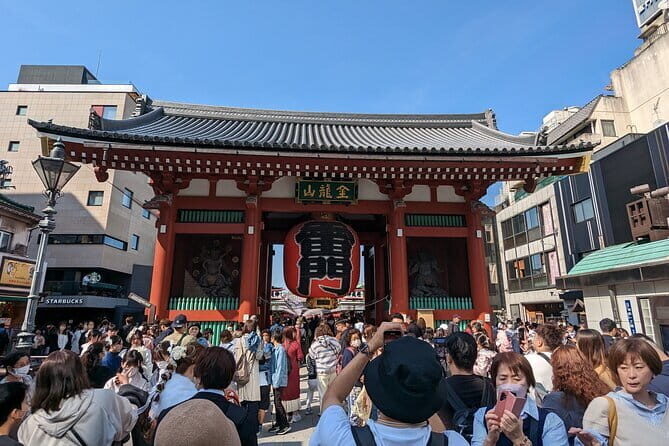
Between temple time and monkey walking, you’ll want an actual break. That’s where Dazaifu Monzen Machi comes in. This stop is framed as a meal-and-rest area near Nagano, with plenty of seating options so you can recover without feeling shoved into a cramped corner.
What I like here is the variety of spaces:
- Spacious seats on the first floor
- Counter seats if you prefer a more direct dining setup
- A second-floor area with sofas where you can relax
- An open terrace in front of the store, where dogs are welcome
In other words, it’s designed for different moods, not just one narrow dining style. And since lunch is not included in the tour price, you’ll appreciate having an easy, comfortable place to eat rather than hunting down a restaurant with limited time.
Because the day runs about 10 hours total, treat lunch as fuel. Eat something warm and filling, especially if you’re visiting in colder months. After lunch, your energy directly impacts how much you enjoy the rest of the day.
Obuse and Onsen Kannon-no-yu: Hokusai, chestnuts, and an art-shaped town
Obuse is one of those places where the “why” is part of the appeal. It’s a small town, but it has a clear identity tied to Edo Period art. Hokusai—famous for ukiyo-e woodblock prints like The Great Wave off Kanagawa—spent his later years in Obuse with Takai Kozan, a local merchant and art enthusiast.
This tour uses that story to guide you through what’s worth seeing. You’ll spend time tied to that art world, including the Hokusai Museum (listed as about two hours and free admission in this itinerary). The broader Obuse theme also includes connections to Takai Kozan’s museum and a painted ceiling in a local temple.
It’s not just about art trivia. Hokusai’s presence helps you read the town: you can see how a major artist’s “home base” shapes what visitors experience. If you love Edo art, you’ll likely come away with a stronger sense of place than you would from a quick stop in a generic shopping street.
Obuse is also known for seasonal produce, especially locally grown chestnuts. The tour data doesn’t promise you a chestnut snack at every step, but the connection is strong enough that it’s worth watching for chestnut items while you’re eating or browsing.
A few more Tokyo tours and experiences worth a look

English driver and private logistics: where value really lives
This is a private tour. Only your group participates, so you’re not stuck waiting on strangers who move at a different pace than you do. That matters for a day like this, where timing is tight and weather can change everything.
You’ll get:
- An air-conditioned vehicle
- Private transportation
- Bottled water
- All tolls and taxes
- Pickup offered (where available in the program setup)
There’s also mobile ticket support. That’s small, but it cuts friction when you’re trying to get going quickly on a full schedule.
One more note on comfort and safety. A previous booking raised concerns about driving style—fast speeds and abrupt lane changes. I can’t treat that as a universal rule, but it is enough for you to take action: if you prefer slower, smoother driving, say it early and make sure everyone in your group is comfortable. This kind of day is long, and you don’t want added stress on top of the walking.
Guide personalities can vary too. One name came up clearly in the feedback: Vicky. If your guide is Vicky, expect a friendly, easygoing approach that helps the day feel more like conversation than a checklist.
Price and value: $538 per group and how to judge it
At $538 per group (up to 6), the math works differently than per-person city tours. If you fill all seats (6 people), you’re around $90 per person before any small extra admissions. If you travel as a smaller group, the per-person share rises—but you still get private transport and an English-speaking guide.
So what are you paying for, really?
- Covering several major sites in one day without public-transport planning
- Having a guide interpret Zenko-ji and the sake culture (which is hard to replicate on your own)
- Getting coordinated time at Jigokudani that accounts for the walk in and out
What can add cost:
- Lunch is not included.
- Any entry tickets under $10 are listed as not included.
- Jigokudani Snow Monkey Park entry is also listed as not included if it’s under $10.
This is why I think the tour is best when you want the convenience plus the interpretation. If you’re the type who loves building your own routes and reading everything yourself, you might do it cheaper. But if you want a day that runs with less friction and more guidance, this price starts to feel fair.
Also, it’s typically booked about 70 days in advance on average. If you’re going in a busy season (snowy months especially), don’t wait until the last minute.
Who this trip suits best
This tour is a strong match if you:
- Want snow monkeys without planning travel between Nagano-area stops
- Appreciate a guided explanation at temples and local food culture
- Prefer private transport and fewer moving parts
- Can handle a 1.6 km forest walk each way with some uneven, possibly muddy ground
It may be less ideal if you:
- Have limited mobility or struggle with winter paths (the walk time gets longer)
- Are very sensitive to driving style and need a calm, steady pace
- Expect lunch to be included (it isn’t)
Should you book Tokyo Nagano Snow Monkey Park and Zenkoji Temple with an English driver?
If your top priorities are Zenko-ji, sake tasting, and the Jigokudani snow monkey experience, this is the kind of one-day route that saves you headaches. The tour is priced by group, so it becomes especially good value if you’re traveling with family or friends and can fill the seats.
Before you book, do two things:
- Plan your clothing and shoes for the forest trail, especially in winter.
- Tell your driver what makes you comfortable in the car. One account flagged driving behavior, and you’ll feel better if your group sets expectations early.
If you want a guided day that connects the spiritual side of Nagano with its living animal spectacle and food culture, I’d say it’s worth your shortlist.
FAQ
How long is the Tokyo to Nagano snow monkeys and Zenko-ji tour?
The trip runs about 10 hours.
Is this tour private, and who else will be with us?
Yes. It’s a private tour/activity, and only your group participates.
Is pickup included?
Pickup is offered.
Is lunch included in the price?
No. Lunch is not included.
Do I need to pay entry fees at the stops?
Most admission is listed as free on the schedule, but the tour notes that entry tickets less than $10 are not included. Jigokudani Snow Monkey Park entry is also listed as not included if it’s under $10.
Can I cancel and get a full refund?
Yes. You can cancel up to 24 hours in advance for a full refund.