REVIEW · KYOTO
Kyoto: Kimono and Tea Ceremony Experience at Cultural Asset
Book on GetYourGuide →Operated by Tondaya, Co., Ltd. · Bookable on GetYourGuide
Old Kyoto gets personal in 90 minutes. This Kyoto experience blends a visit to a 140-year-old machiya with help dressing in a silk kimono and a tea ceremony performed by a tea master. One watch-out: if you join the shared-group option, it can feel a bit busy, and the quality of English explanation can depend on the guide.
You’ll start at Tondaya-Nishijin Japanese Cultural Experience Museum in Kamigyo Ward and step into a traditional townhouse with woodwork, a serene garden, and historically meaningful details. You’ll also need to plan for basics like socks only (no bare feet), looser clothes at the neck, and a dry shirt—kimono fitting is hands-on, and they won’t be able to dress you if your T-shirt is wet.
In This Review
- Key Points
- Step Into Tondaya, a Real Kyoto Townhouse
- Kimono Dressing Room: Fast, Thorough, and Hands-On
- The Machiya Walkthrough: Architecture, Artifacts, and Photo Stops
- Tea Ceremony Time: Matcha in a Traditional Setting
- Etiquette and Group Energy: When It Feels Zen and When It Doesn’t
- Price and Value: $222 for Kimono + Ceremony + Access
- Getting There in Kyoto: A Location That Can Fight Back
- Who Should Book This Experience
- Quick Decision: Should You Book Tondaya’s Kimono and Tea?
- FAQ
- How long is the Kyoto kimono and tea ceremony experience?
- Is this experience private or shared?
- Where do I meet for the experience?
- What’s included in the price?
- Do I need to bring anything?
- Are bare feet allowed?
- What should I wear so the kimono fits well?
- Is hair styling or makeup included?
- What languages are available during the experience?
- FAQ
- What happens if I need translation in English?
- Is the tea ceremony something I can participate in, or just watch?
- What if I’m worried about crowding during the ceremony?
- Are there photo opportunities?
- What are the most important clothing rules before I arrive?
Key Points
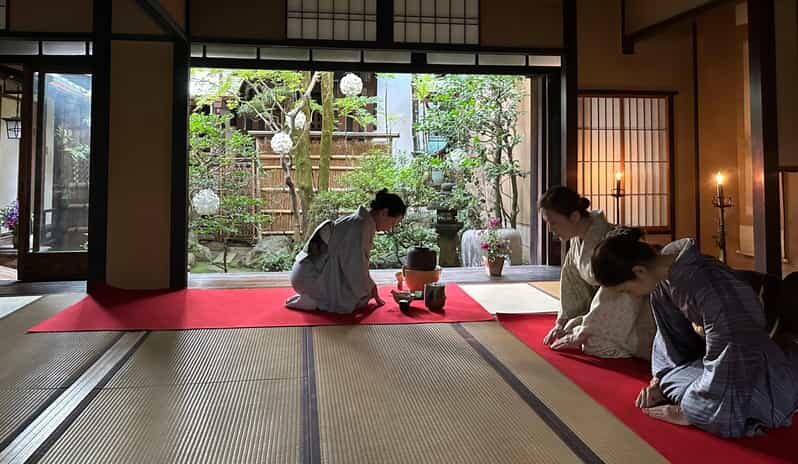
- Tondaya Machiya: A 140-year-old townhouse recognized as a cultural landmark by Kyoto City.
- Silk Kimono Fitting: Staff help you choose and fit high-quality kimono in the dressing room.
- Matcha Tea Ceremony: Watch a traditional ceremony led by a seasoned tea master in a historically significant setting.
- Photo-Friendly Layout: The house and garden make excellent backdrops, with time to take your own photos.
- Group Dynamics Matter: Shared sessions can get crowded, so choose private if you want quiet and slower pacing.
- Practical Dress Rules: Socks are required, stockings are discouraged, and your shirt must be dry.
Step Into Tondaya, a Real Kyoto Townhouse
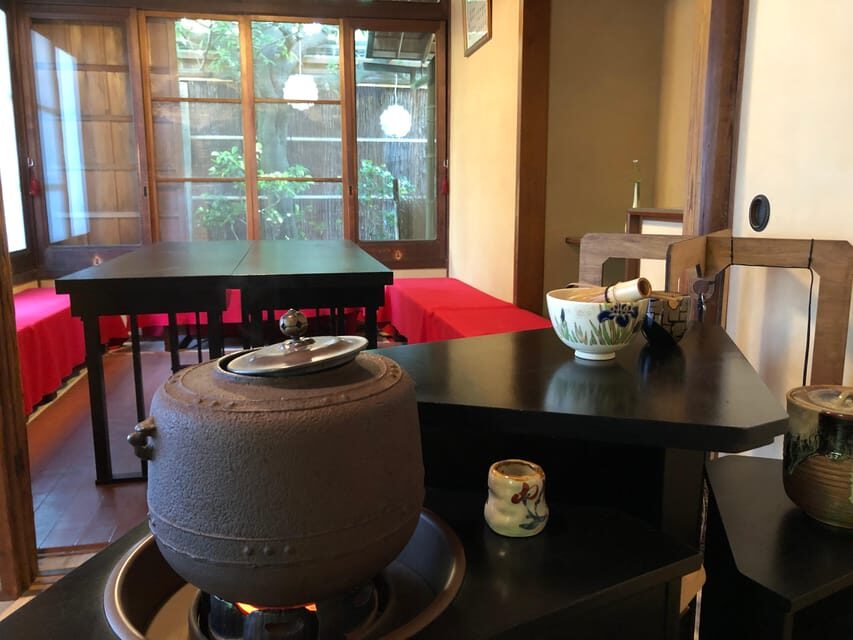
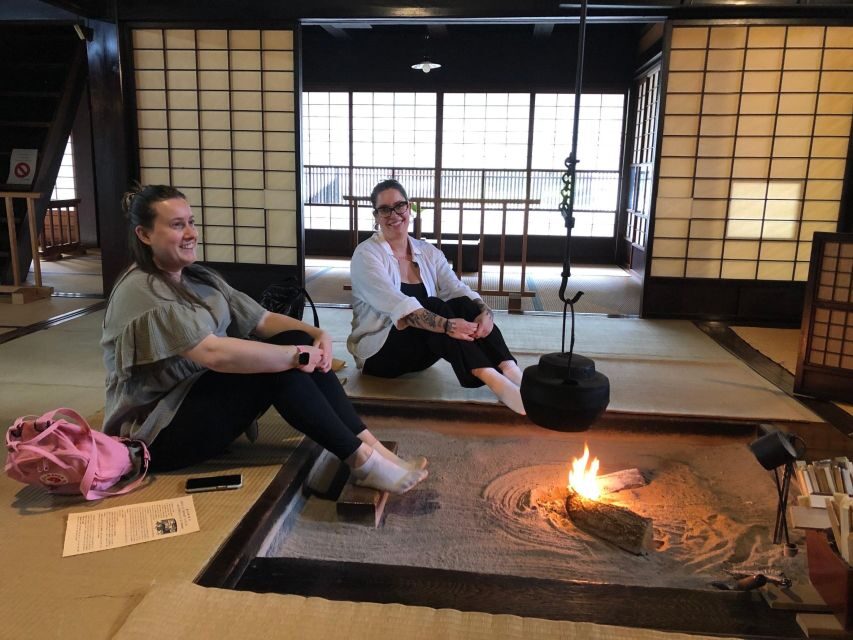
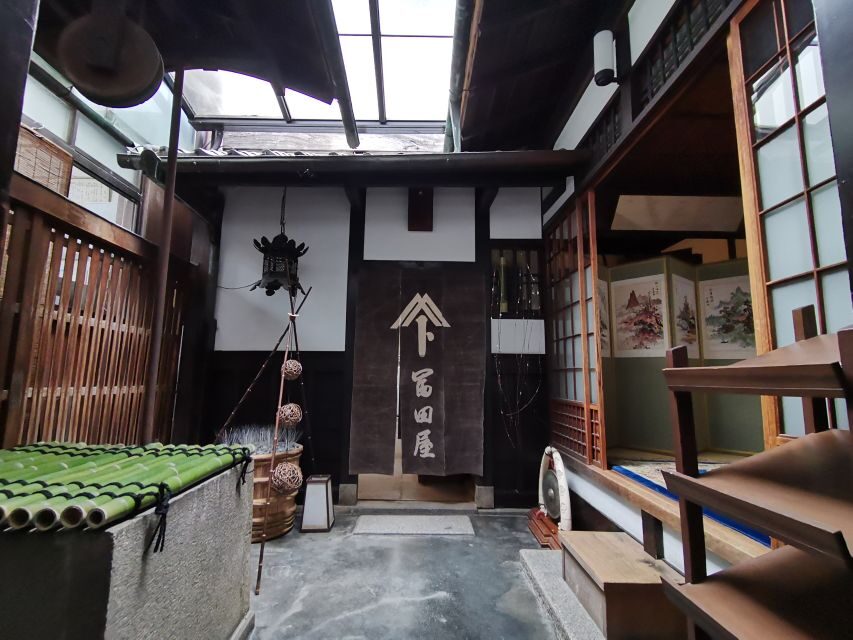
Meet at Tondaya-Nishijin Japanese Cultural Experience Museum (697 Ishiyakushichō, Kamigyo Ward). You’re not just walking through a showroom. This is a working, lived-in style machiya space—wood structure, interior rooms, and garden views that make Kyoto feel less like a theme park and more like someone’s home.
The value here is the setting. Kyoto’s famous sights can be loud and crowded. A machiya like this slows you down. You’ll get guided access through the townhouse areas tied to its cultural significance, and it’s the kind of place where your brain starts noticing the small design choices—timber proportions, room transitions, and the way light hits the garden.
A practical tip: plan to arrive on time. When the group flow starts, kimono fitting begins quickly, and late arrivals can throw off the schedule for everyone—including you.
You can also read our reviews of more tours and experiences in Kyoto.


Kimono Dressing Room: Fast, Thorough, and Hands-On
This part is half the fun. You’ll be assisted in selecting and fitting an authentic kimono, and it happens in a dedicated dressing room. The experience is designed to get you into your outfit smoothly, not through a long DIY process.
Before you go, read the rules like they’re part of the performance—because in kimono world, they are.
- Bring socks. Bare feet aren’t allowed.
- Avoid stockings. You’ll be asked to wear socks instead.
- Wear clothing that fits well at the neck. Tight collars can make kimono styling less flattering.
- Keep your T-shirt dry. If it’s wet, the staff can’t help with dressing.
Comfort note: kimono fitting is also where your body type matters. If you’re tall, you might be assigned larger sizes, and those sizes can mean fewer pattern options. I’d treat that as normal logistics, not a disappointment—just know that your print might not match what you see in photos online.
Also, hair styling and makeup aren’t included. If you want a polished look, do your hair beforehand or plan simple, camera-ready styling at the hotel. And if you want extra kimono explanation, don’t be shy—ask direct questions while you’re getting dressed.
The Machiya Walkthrough: Architecture, Artifacts, and Photo Stops
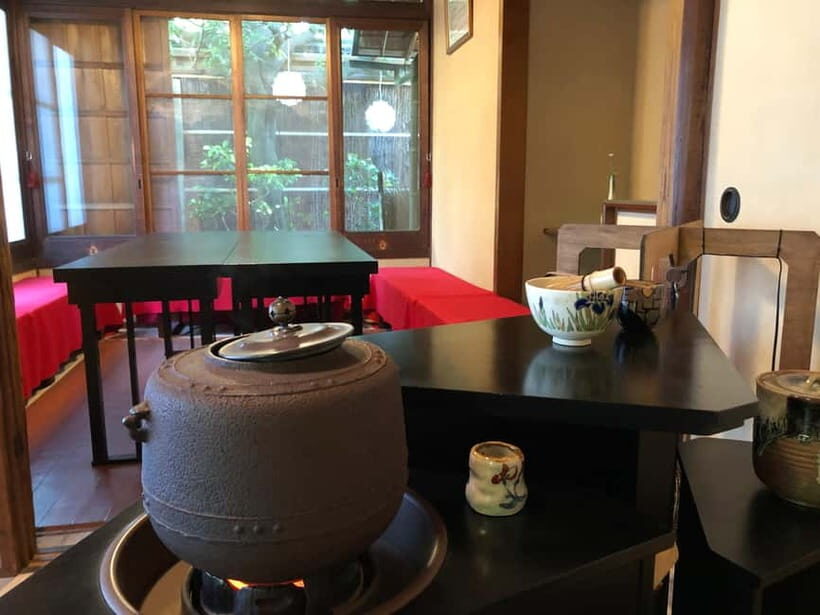
After you’re dressed, you’ll move through Tondaya with staff guidance. The townhouse is known as a culturally important landmark, and that shows in the care taken around historically valuable objects and the way rooms are arranged.
This walkthrough is where you’ll get context. Some explanations focus on the building itself and why it’s culturally recognized. Others connect the space to tea culture and daily life in older Kyoto. Depending on the guide and language support, you may feel like you’re learning a lot—or you might want a bit more depth on kimono details and garment significance.
Expect photo opportunities, but also expect rules. While dressing or changing, photography may be restricted. The good news: once you’re ready, there’s time to take photos in a way that feels unhurried. One of the repeated joys here is how intimate the pictures can look even when the experience is shared—because the rooms are narrow, and your “background” is real architecture, not a blank wall.
Tea Ceremony Time: Matcha in a Traditional Setting
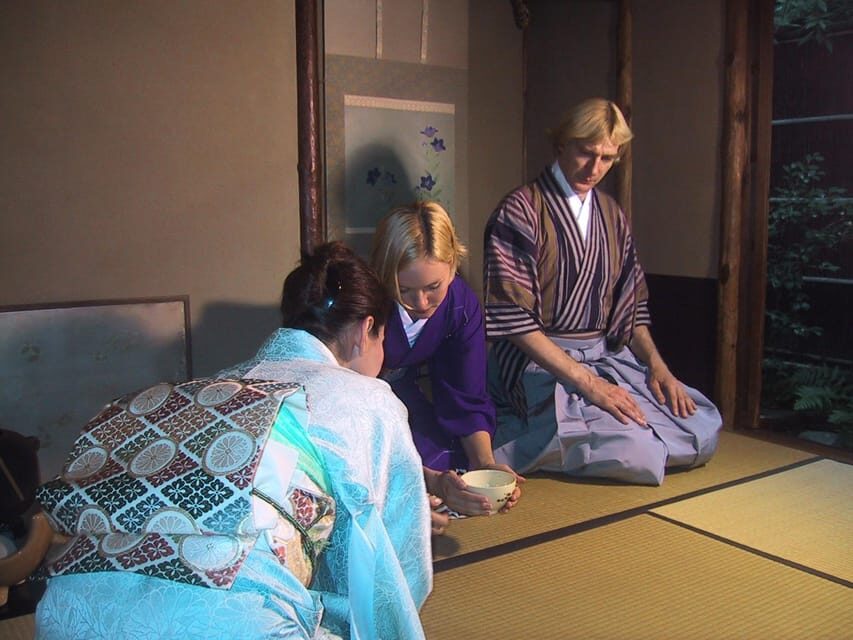
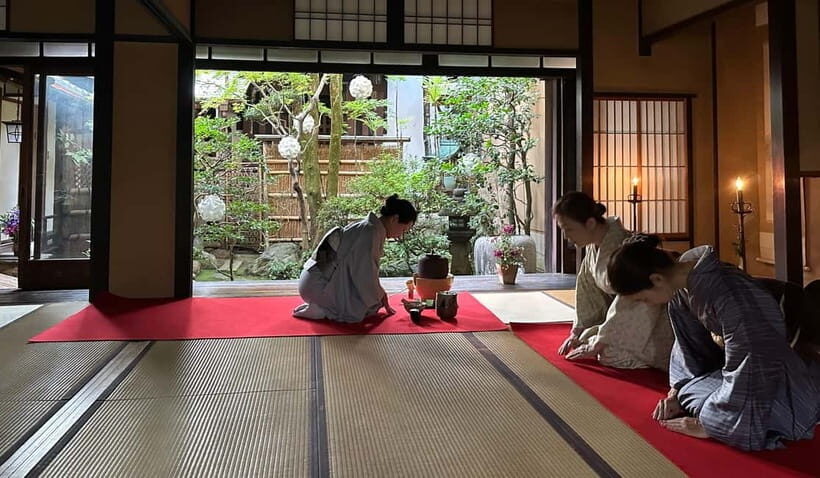
The core cultural moment is the tea ceremony itself, performed by a tea master in the traditional machiya setting. You’ll typically watch the ceremony as it unfolds, with explanations along the way so you understand what you’re seeing and why each step matters.
Tea culture in Japan isn’t just about drinking matcha. It’s about timing, attention, and etiquette—small movements, clear pacing, and a calm tone. That’s why behavior from the group matters so much. The experience is designed to feel peaceful, but if people are noisy or constantly filming, the mood can break.
One helpful detail: guides may use a translation device when needed. English and Japanese instruction is available, but not every staff member may speak English fluently. If you rely on smooth English explanations, consider choosing a private option so you get more focus and less waiting.
Also, there can be limited seating. You may be seated on the floor for parts of the ceremony, though a few small chairs can be available. If you have knee or back issues, think ahead. The experience can still be worth it, but you’ll want comfort planning.
A small note on participation: the ceremony is described as a performance you watch. Some people hope for more hands-on mixing, but what you can do depends on how the ceremony is run that day.
Etiquette and Group Energy: When It Feels Zen and When It Doesn’t
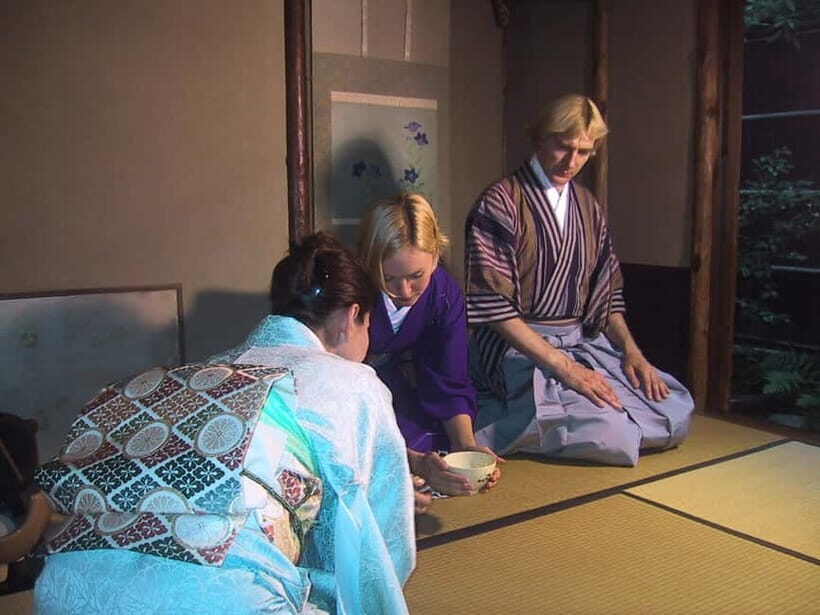
This is where you’ll either love the experience even more—or it’ll annoy you.
On the positive side, when the group behaves well, the tea ceremony becomes calming fast. There’s something about being in kimono—paired with the stillness of a formal tea procedure—that makes the mind slow down. People often describe it as “zen,” like their pace matches the room.
On the negative side, shared groups can get crowded. In a small townhouse, too many people means less quiet air. Phones are also a frequent friction point. You’ll get photo moments, so do yourself a favor: put your phone away during the ceremony parts that require calm attention. It’s good manners, and it protects the experience for everyone, including the hosts.
If you’re sensitive to noise, you’ll probably enjoy the private session more. Not only do you avoid some waiting, but you also reduce the chance you’ll be distracted by impatient behavior from others.

Price and Value: $222 for Kimono + Ceremony + Access
At about $222 per person, this isn’t a budget activity. So the key question is: what are you actually buying?
You’re paying for three things together:
- Access to a culturally significant, 140-year-old machiya
- Dressing assistance in a silk kimono
- A traditional tea ceremony led in that setting by a tea master
If you were to do these pieces separately—kimono rental plus a tea ceremony plus a guided visit to a historically recognized townhouse—you’d likely spend similar money anyway, often with less polish. The main value is the package: it’s timed, guided, and set in one place, so you don’t have to coordinate everything yourself.
Is it still expensive? Yes. Is it worth it for the right traveler? Often, yes—especially if you care about doing tea culture in a proper traditional environment rather than as a rushed “photo stop.”
What would make it better? A few guests wanted deeper education about kimono garment origins and symbolism. If that matters to you, ask questions early. When the staff knows you’re paying attention, you can usually get clearer explanations.
Getting There in Kyoto: A Location That Can Fight Back
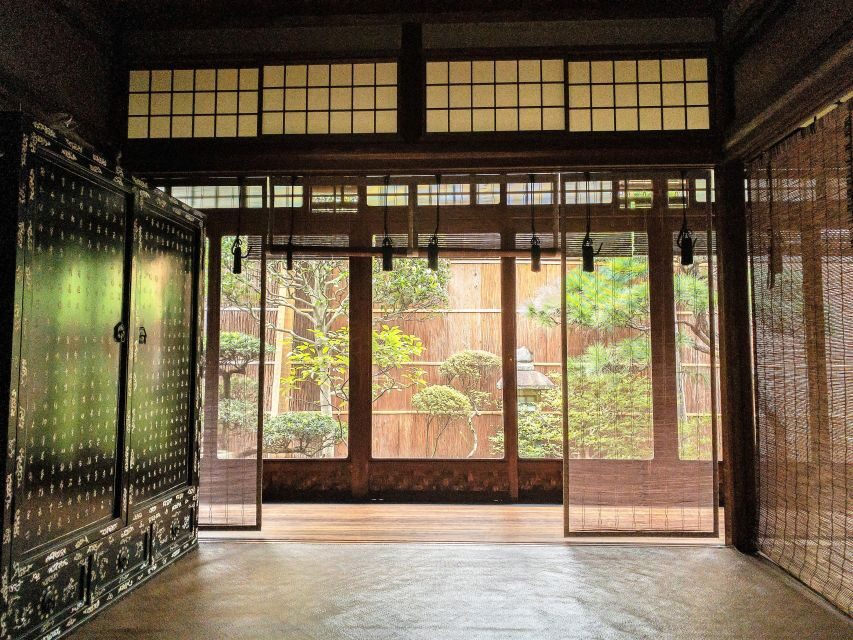
The meeting point is in Kamigyo Ward at 697 Ishiyakushichō. That area feels more local than the busiest tourist corridors, which is part of the charm—but it can be harder for taxis to find quickly.
If you’re using ride-hailing, build in buffer time. One simple strategy: confirm the exact drop-off point on your map before you head out. Kyoto addresses can be tricky for drivers, and you don’t want to arrive late when kimono fitting begins on schedule.
Once you arrive, expect walking inside to be easy. The main “comfort challenge” is footwear and floor seating during parts of the ceremony.
Who Should Book This Experience
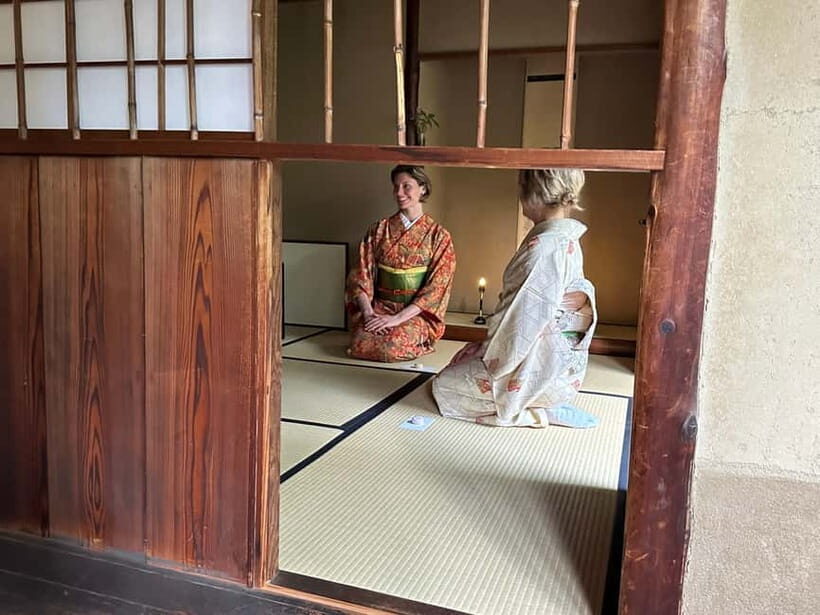
You’ll likely love this if you:
- Want a formal tea ceremony in a real machiya townhouse, not just a quick tasting
- Like the idea of dressing in a silk kimono with staff help
- Want strong photo backdrops with time to take your own pictures
- Prefer a structured cultural activity where etiquette is part of the point
You might reconsider if you:
- Hate crowds or noise, and you’re joining a shared group
- Need detailed garment education and can’t get it from the guide’s language level
- Have trouble with floor seating for ceremonies
If you’re going with a friend and you can afford private, it’s the easiest way to protect the calm and get more individualized pacing.
Quick Decision: Should You Book Tondaya’s Kimono and Tea?
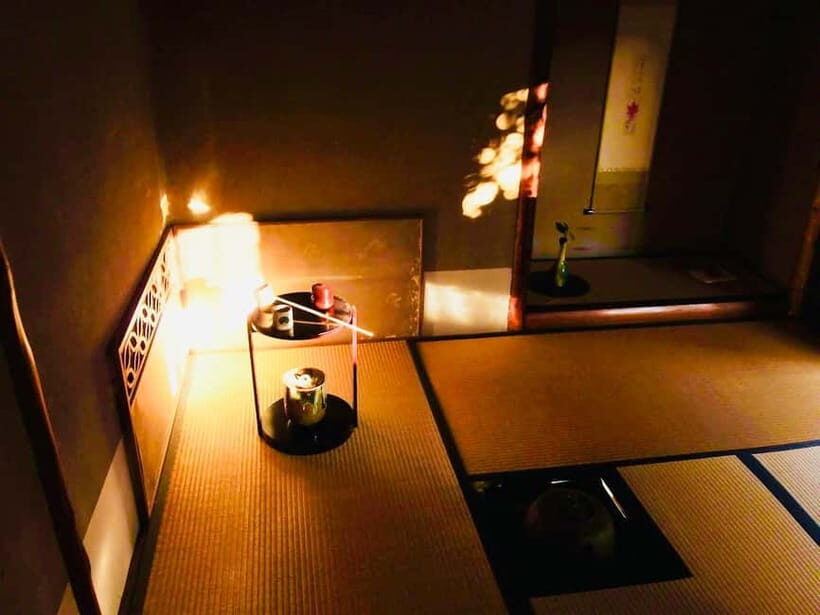
Book it if you want an old-Kyoto feeling that’s practical and photogenic, with the main cultural focus on a traditional matcha ceremony. The kimono dressing support and the machiya setting are the big winners, and the overall flow is designed to feel special without being complicated.
Skip or choose a different option if your priority is quiet, classroom-level explanations, or if you’re worried the group environment could distract you during the ceremony. In that case, pay attention to the shared vs private setup before you decide.
If you do book, show up on time, wear the right clothes for kimono fitting, and keep your phone down during the ceremony. That’s how you turn a nice cultural activity into a genuinely memorable Kyoto moment.
FAQ
How long is the Kyoto kimono and tea ceremony experience?
The duration is listed as 90 minutes to 4 hours, depending on the scheduled time and how the session runs.
Is this experience private or shared?
It can be a private group. If you don’t choose private, you’ll join the tea ceremony with other participants and may wait at times.
Where do I meet for the experience?
Meet at Tondaya – Nishijin Japanese Cultural Experience Museum, 697 Ishiyakushichō, Kamigyo Ward, Kyoto, Japan.
What’s included in the price?
Included are the entrance fee, the tea ceremony, and kimono dressing.
Do I need to bring anything?
Yes. You should bring socks.
Are bare feet allowed?
No. Bare feet are not allowed, and socks are required.
What should I wear so the kimono fits well?
Wear clothes that are not too tight around the neck to show the kimono style properly. Also, your T-shirt needs to be dry since staff can’t assist if it’s wet.
Is hair styling or makeup included?
No. Hair styling and makeup are not included.
What languages are available during the experience?
The experience is offered in English and Japanese. A translation device may be used if needed.
FAQ
What happens if I need translation in English?
English is available, but not all staff may speak English fluently, so a translation device may be used during the tour when necessary.
Is the tea ceremony something I can participate in, or just watch?
The experience is described as watching a traditional tea ceremony performance, with the ceremony led by a tea master.
What if I’m worried about crowding during the ceremony?
Crowding depends on whether you book private and on group timing. If you want a quieter setting, choosing private is the best match for your comfort.
Are there photo opportunities?
Yes. The setting is used for photos, and you should have time to take your own pictures after getting dressed, following any rules during dressing or changing.
What are the most important clothing rules before I arrive?
Bring socks (no bare feet), avoid stockings, wear neck-friendly clothing for kimono styling, and make sure your shirt is dry.