REVIEW · KYOTO
Art Sushi Class At Local Home With Professional Instructor
Book on GetYourGuide →Operated by Kangetsu Kyoto · Bookable on GetYourGuide
Sushi turns into art in a Kyoto home. In this 1-hour art sushi class near Nijo Castle, you learn the story behind sushi rolls and then make flower-like rolls using nori, vinegar-seasoned rice, and colorful fillings. Two things I’d focus on are the hands-on instruction that produces rolls that match the visual guide and the chance to hear sushi trivia from local experts. One watch-out: video recording isn’t allowed, and you should use a freshly updated map app to find the house quickly.
You’ll work with rental tools, get Japanese tea or water, and wear a traditional komono while you cook. The class is set up as a private group, so you get real attention rather than a rushed demo. If you want sushi that looks like it belongs in an art gallery and not a takeout menu, this is a good fit.
In This Review
- Key Points You Should Know Before Going
- Kyoto Art Sushi Class in a Local Home: The Big Idea
- The 1-Hour Flow: From Edo-Period Sushi to a Flower-Like Roll
- Sushi roll history, explained in plain language
- Building the roll: rice, vinegar seasoning, and the rice pattern
- The flower effect: technique you can repeat
- What You’ll Make (and What Makes It Different From Restaurant Rolls)
- Where You Cook: Nijo Castle Area, Authentic House, Easy Landmark
- Instructor Attention and the Little Details That Change the Experience
- Price and Value: Is $82 Worth It?
- Who This Sushi Class Is Best For (and Who Might Skip It)
- Simple Strategy for Getting the Most Out of Your Hour
- Should You Book This Art Sushi Class at Kangetsu Kyoto?
- FAQ
- How long is the art sushi class?
- Where is the class located?
- What does it cost?
- Is the class private?
- What language is the instructor?
- What’s included in the price?
- Can I record video during the class?
- What do I make during the lesson?
- What should I bring or wear?
- Is it suitable for young children?
- Is the building accessible for wheelchairs and strollers?
Key Points You Should Know Before Going
- Flower-style sushi rolls you learn to build step-by-step, not just copy from a photo
- Sushi roll history and trivia, including how quick vinegar-based styles became mainstream
- A real Japanese home setting near Nijo Castle, with an authentic front gate and noren curtain
- Rental tools plus an original recipe booklet, so you can repeat the patterns at home
- No video recording, and the location is easiest when you use a current map app
Kyoto Art Sushi Class in a Local Home: The Big Idea
This class is about more than making sushi. It’s about learning the pattern logic behind ornate rolls, so you can recreate the look later instead of guessing at the technique. In practical terms, that means you spend your time forming, compressing, and arranging the rice and fillings so the finished roll has clean lines and a decorative effect.
You’ll also get the context most restaurant menus skip. Sushi rolls didn’t just appear fully formed. They evolved over time—especially during the Edo period—so the techniques and flavors you’re using today make more sense after a quick guided explanation.
And because it’s hosted in an authentic style house, the vibe feels personal. You’re not standing in a commercial classroom. You’re working like a guest in someone’s home while the instructor explains what matters and why.
A few more Kyoto tours and experiences worth a look

The 1-Hour Flow: From Edo-Period Sushi to a Flower-Like Roll
The session runs for about an hour, and it’s structured so you don’t feel like you’re waiting around. First, you get oriented, meet your instructor, and settle in with Japanese tea or water. Then you start on the food work—rice, nori, and fillings—while you learn what makes sushi roll construction different from other casual sushi styles.
Sushi roll history, explained in plain language
You’ll hear a short history of sushi rolls, anchored in Japanese time periods. The class notes that sushi rolls were created between 1750 and 1776 during the Edo period (1603–1868), when popular culture flourished. At that time, sushi made using sake and vinegar spread, and a wider variety of foods became popular.
In the early 1800s, vinegar-based sushi that could be made quickly became mainstream. Later, during the Showa period, sushi rolls began to feature more complicated patterns—exactly the direction your class is going in.
This matters because the decorative look you’re learning isn’t random. It’s tied to the idea that rolls can be fast, repeatable, and visually impressive once you understand the structure.
Building the roll: rice, vinegar seasoning, and the rice pattern
Your ingredients include rice vinegar, sugar, sesame, ginger, vegetables, and nori (seaweed). You’ll learn how to handle the rice so it sticks and presses cleanly without turning into a gummy lump. The goal is a roll that holds its shape and shows the pattern clearly when sliced.
One useful detail from the class info: to create the ornate patterns, natural edible pigments are used to color the rice. That’s a big deal for realism. It also helps you understand why the visuals can look so crisp compared with homemade versions where people color with whatever they can find.
The flower effect: technique you can repeat
The highlight here is making sushi rolls that look like a beautiful flower. The class teaches you the special steps and ingredient choices needed for an ornate design. In a short class, you won’t have time to freestyle—so you’ll follow a guide pattern closely and build confidence quickly.
In multiple write-ups of the experience, the same theme shows up: the instructor is patient, and the finished sushi comes out looking like the example. You also get a recipe booklet, which is what turns this from a one-time craft into something you can recreate at home.


What You’ll Make (and What Makes It Different From Restaurant Rolls)
Restaurant sushi is often delicious, but you don’t usually get to see the pattern design process. Here, you do. You’re making a roll with an intentional, decorative layout—one that’s described as something you cannot find in restaurants.
That uniqueness comes from two places:
- the specific pattern approach taught during the session
- the use of natural pigments to color rice for ornate effects
So even if you’ve had sushi rolls your whole life, you’re learning a different kind of sushi craft. This is more like sushi origami meets cooking.
The practical win for you: you leave with skills. The class is designed so you can continue making the recipe at home, not just enjoy the meal during the hour. The included original recipe booklet is the bridge for that.
Where You Cook: Nijo Castle Area, Authentic House, Easy Landmark
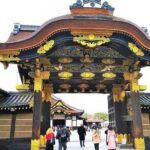
The meeting point is very close to Nijo Castle—about a 3-minute walk from it. You’ll find the host by searching for Sakura Experience Japanese Culture in your map app.
Two logistics details are worth taking seriously:
- your location is only about 200 meters east of Nijo Castle
- older map versions can show the wrong spot, so update your app before you go
That last point is important. Even a small routing error can cost time when you’re on a tight one-hour schedule.
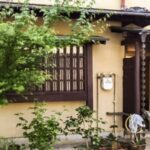
When you arrive, look for an authentic Japanese-style house. There’s a small wooden gate at the front with a noren curtain. It’s the kind of exterior you could easily miss if you’re rushing, so slow down once you’re in the right lane.
Transport-wise, you’re also well placed:
- about 3 minutes from the Kyoto city bus Fuchomae stop
- about 3 minutes from Kyoto subway Nijojomae station
- around 15 minutes on foot from Hankyu Shijo station
- roughly 10 minutes by taxi from JR Kyoto station
If you’re biking, there’s space to park your bike near the house.
Instructor Attention and the Little Details That Change the Experience
The instructor is listed as teaching in English and Japanese, and this matters because sushi technique can be hard to translate through a language barrier. If you’re an English speaker, you still get clear guidance while you work, rather than standing there hoping you guessed correctly.
In feedback about the experience, the instructor’s approach is repeatedly described as thoughtful and creative. One comment specifically names Aya, and emphasizes that she takes care with the process and supports you through the steps. Another highlights patience and the way the class uses photos to capture the finished moment.
You’ll also wear komono during the class. That’s not just for photos. It subtly shifts the tone from casual cooking to mindful craft. You slow down enough to focus on technique and presentation.
And the class includes rental tools. That’s a quiet but big value point. Sushi roll tools can be awkward to find while traveling. Here you don’t need to hunt or pack anything—you show up and cook.
Price and Value: Is $82 Worth It?
At $82 per person for a 1-hour class, you’re paying for three things at once: expert instruction, a structured pattern you likely can’t guess on your own, and the materials and guidance to reproduce it later.
Here’s how that value plays out for you:
- Time and clarity: a structured hour beats hours of trial-and-error at home
- Tools and ingredients handled for you: you’re not scrambling for specialty items
- Recipe booklet included: you’re not leaving with only memories; you’re leaving with a repeatable plan
Also, this is a private group experience. Even if it’s just you and a few others, private instruction usually makes the difference between rolling something that looks okay and rolling something that actually matches the example pattern.
If your goal is to eat sushi, you can do that in Kyoto for less. If your goal is to learn a decorative roll craft you can redo at home, this is the kind of class that can justify the price.
Who This Sushi Class Is Best For (and Who Might Skip It)
This class works especially well if you fall into one of these groups:
- You like hands-on activities where you actually make something, not just watch
- You want a Kyoto experience that doesn’t feel like a factory tour
- You care about cultural context and want a quick history lesson tied to what you’re doing
- You enjoy food presentation and want skills for making ornate rolls
It’s also fairly practical for families in terms of space—the building is wheelchair accessible and baby strollers can access the space too. That said, it’s not suitable for children under 4.
One more consideration: video recording isn’t allowed. If you’re hoping to film the whole process for later, plan to take notes instead and enjoy the moment in real time.
Simple Strategy for Getting the Most Out of Your Hour
This kind of class rewards focus. You only get about an hour, so show up ready to work, not ready to wander around looking for the gate.
A few practical tips:
- Use an updated map app before you leave your hotel, especially since the location can display incorrectly on older versions
- Aim to arrive early so you can settle in without rushing once you spot the noren curtain
- Pay attention to how the rice is handled. The pattern depends on it, and that’s where most at-home attempts fail
- Don’t treat it as a casual snack-making session. The ornate patterns require care, including the use of natural edible pigments
If you do those things, you’ll get the best result the class is designed for: a roll that looks like the pattern and tastes like proper sushi.
Should You Book This Art Sushi Class at Kangetsu Kyoto?
I’d book it if you want an authentic, hands-on Kyoto food experience with a clear outcome. The combination of a local-home setting, the sushi roll history context, and the chance to make flower-like rolls you can’t find in restaurants makes the hour feel purposeful.
I’d hesitate only if you strongly need to record video, or if you’re prone to arriving late and stress easily. The class is tight on time, and the location is easiest when you navigate with a current map.
If you’re the type who likes taking home real skills—not just photos—this class earns its $82 price tag.
FAQ
How long is the art sushi class?
It lasts about 1 hour.
Where is the class located?
It’s in Honshu, Japan, in Kyoto near Nijo Castle. You’ll find it by searching Sakura Experience Japanese Culture in your map app.
What does it cost?
The price is $82 per person.
Is the class private?
Yes, it’s listed as a private group.
What language is the instructor?
The instructor teaches in English and Japanese.
What’s included in the price?
You get Japanese tea or water, rental tools for sushi making, and an original recipe booklet.
Can I record video during the class?
No. Video recording isn’t allowed.
What do I make during the lesson?
You’ll make sushi rolls, with a flower-like pattern as the main craft focus.
What should I bring or wear?
The class includes komono for you to wear during the session, so you don’t need to arrange that yourself. You just need to show up ready to cook.
Is it suitable for young children?
It’s not suitable for children under 4 years old.
Is the building accessible for wheelchairs and strollers?
Yes. The building is accessible to wheelchairs and baby strollers.