Kyoto’s ghosts feel close to the ground. This 4-hour guided Dark Kyoto Tour swaps the usual checklist for shrine and temple stories tied to religion, superstition, and history. I love that it covers big-name places like Gion and Kiyomizudera, but it also sends you to quieter corners where the stories are less expected. A second thing I like: the pacing is built for fun, not fear—so you get creepy vibes without turning the whole trip into a horror movie. One thing to consider is that the theme leans into ghostly and supernatural tales, so it may not be ideal if you really dislike scary stories.
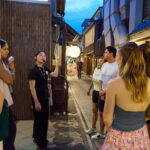
You also get a small-group feel, with a maximum of 10 people, guided by Atticus Sims. The tour uses a mobile ticket, starts at Yasaka Shrine, and keeps things moving across central areas on foot and public transit. Still, because it runs on a set schedule and depends on weather, you’ll want to be flexible if conditions force a reschedule.
In This Review
- Key Points Worth Knowing Before You Go
- Dark Kyoto Tour: What You’re Actually Buying for $175
- Meeting at Yasaka Shrine: Starting With a Plague-Defense Story
- Gion After Dark: Back Streets With Haunting Tales
- Kennin-ji Temple: Old Zen Calm Meets a Supernatural Theme
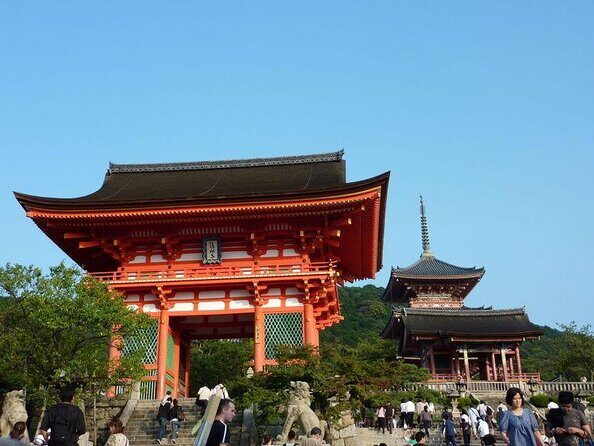
- Kiyomizudera: UNESCO Beauty With a Darker Local Angle
- Toyokuni Shrine: Hideyoshi’s Enshrined Presence
- The Guide Factor: Atticus Sims and Storytelling With Context
- How the Route Fits First-Timers and Repeat Kyoto Fans
- Expect the Right Kind of “Creepy”: Fun, Not Scary Overkill
- Practical Tips for Getting the Most Out of a Night Walk
- Price and Logistics: Why the Setup Makes Sense
- Who Should Book the Dark Kyoto Tour
- Should You Book This Tour?
- FAQ
- FAQ
- How long is the Dark Kyoto Tour?
- What does the tour cost?
- Where does the tour start?
- Is there a mobile ticket?
- How many people are in the group?
- Which stops are included?
- Is admission included anywhere?
- Is this tour scary?
- What happens if the weather isn’t good?
- What is the cancellation policy?
- When will I get confirmation after booking?
Key Points Worth Knowing Before You Go
- Small group, max 10 for a more personal storytelling pace
- Yasaka Shrine and plague-era legends set the tone from minute one
- Gion back streets are treated as more than a postcard district
- Kennin-ji (Japan’s oldest Zen temple) adds calm under the spooky theme
- Kiyomizudera admission included so you’re not piecing together tickets mid-walk
- Cemeteries and a haunted candy store hint at surprises beyond the main sights
Dark Kyoto Tour: What You’re Actually Buying for $175
At $175 for about four hours, this isn’t a “quick photo stop” activity. You’re paying for two things: a guide who can connect spooky folklore to Japanese culture and religion, and a route that takes you past the obvious highlights. In other words, you’re buying context and momentum—so you don’t just see sites, you understand why people linked them to spirits, taboos, and the unseen.
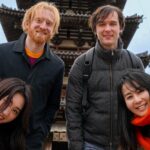
The small group size (up to 10) matters here. When stories are the point, you want time to hear them clearly and ask questions. It also helps the guide keep the pace steady, rather than turning the night walk into a shuffle through crowds.
The tone is also pretty specific. The tour is designed for people who aren’t too sensitive to scary ghost stories. That’s useful guidance: you should expect creepy themes, but not something that stays mean or overly intense the whole way through. If you’re the type who loves a good legend and can handle a chill moment or two, this fits.
You can also read our reviews of more tours and experiences in Kyoto.


Meeting at Yasaka Shrine: Starting With a Plague-Defense Story
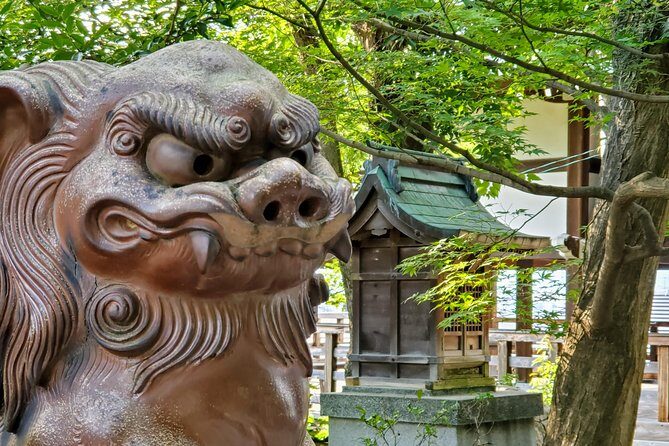
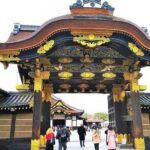
The tour begins at Yasaka Shrine at 625 Gionmachi Kitagawa, Higashiyama Ward. Starting here is smart, because the theme has a “why” early on. Yasaka Shrine isn’t just a pretty landmark. It played an important role in attempts to ward off a plague that struck Kyoto in the 9th century CE.
That matters because it turns “dark Kyoto” from spooky sightseeing into cultural storytelling. In Kyoto, religion and community history are never far apart. When your guide frames the shrine through plague-era fear—how people tried to protect themselves, what symbols meant, and how belief shaped daily life—you’re set up to understand why later stops also carry supernatural associations.
Expect a short, focused first stop (about 15 minutes). You’ll be listening, not wandering endlessly. That’s good for first-time visitors and repeat visitors alike. If you’ve been to Yasaka Shrine before, you’ll still pick up a different lens.
Gion After Dark: Back Streets With Haunting Tales
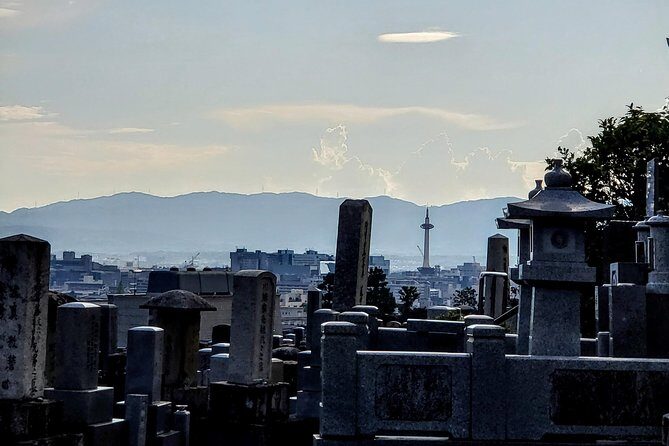
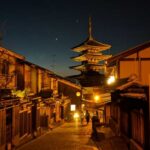
Next comes Gion, one of Kyoto’s best-known districts—except this version isn’t all lanterns and photo angles. The tour focuses on the back streets and how they connect to haunting tales. You get about 30 minutes here, which is enough time to walk through the atmosphere and hear the stories without turning the stop into a long bottleneck.
Gion is crowded on many evenings, so having a guided route helps. You’re not just trying to find where the folklore happens; you’re hearing how people in the area interpreted odd events, lingering spirits, or strange coincidences. Even if you don’t know Kyoto’s street-by-street layout, the guide’s context helps you “read” the district.
One practical note: Gion’s streets can be uneven and narrow. Wear shoes you trust for nighttime walking. The tour theme asks you to slow down and listen, and comfort helps you do that.
Kennin-ji Temple: Old Zen Calm Meets a Supernatural Theme
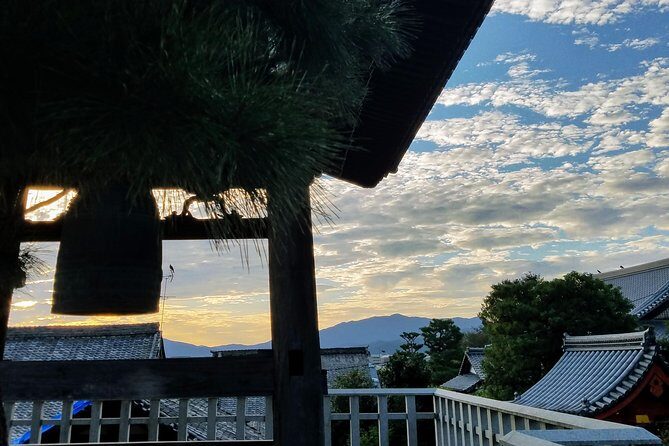
Then you’ll head to Kennin-ji Temple, about 15 minutes. This is one of the stops that balances the “dark” theme. Kennin-ji is the oldest Zen temple in Japan, and that age brings a different kind of gravity to the walk.
What I like about this kind of pairing is that it prevents the tour from feeling like it’s only about jump-scare moments. A Zen temple isn’t automatically “spooky,” and that contrast is the point. You hear how belief and practice can coexist with ghost stories, moral lessons, and warnings that show up in folklore.
If you want Kyoto to feel layered—spiritual, historical, and human—this is where that layering becomes real. You’re not just collecting creepy facts. You’re watching how a major religious site can hold stories that are emotionally intense, even if the tone isn’t loud.
Kiyomizudera: UNESCO Beauty With a Darker Local Angle
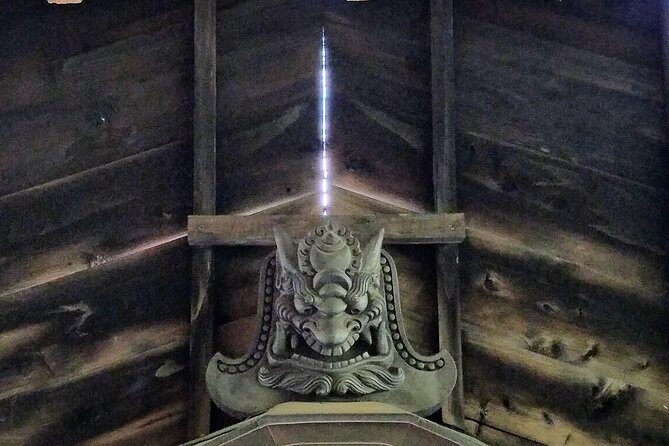
Kiyomizudera is the UNESCO World Heritage Site on the schedule, and it’s about 30 minutes. What makes this stop different for a “dark” tour is the local emphasis on its darker history. That theme gives you a reason to look beyond the obvious viewpoints and into the darker side of why the site became meaningful over time.
Admission to Kiyomizudera is included, which is a real value point. It saves you time and mental energy. When you’re doing a guided walk, the last thing you want is to stop mid-route to figure out tickets, timing, or lines.
Also, Kiyomizudera at night changes how you experience the place. You’re still in a high-profile location, but the atmosphere shifts from daytime sightseeing to story-listening mode. The guide’s job is to help you notice what you might normally ignore, and the dark theme gives you a new filter: not just what you’re seeing, but what people were afraid of, what they protected themselves against, and what they believed could cross boundaries between worlds.

Toyokuni Shrine: Hideyoshi’s Enshrined Presence
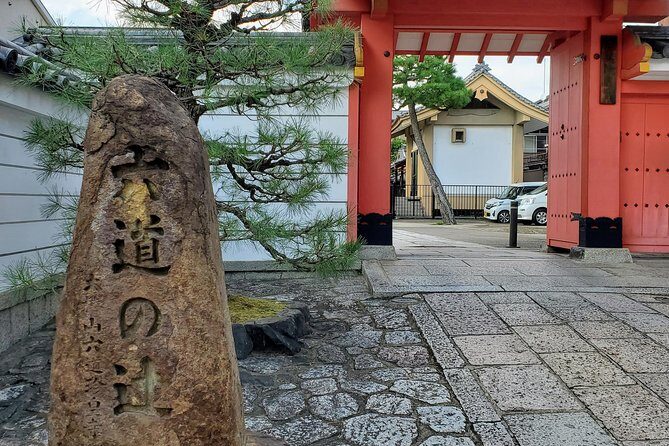
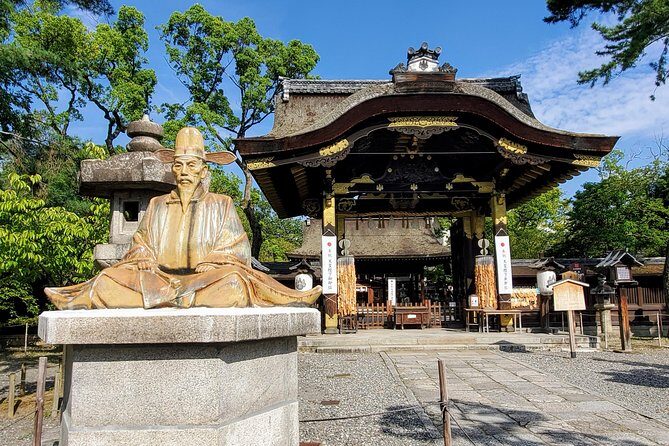
The final named stop is Toyokuni Shrine (about 10 minutes). This is where shogun Hideyoshi is enshrined. Even in a tour themed around ghosts, this kind of stop is important because it anchors the supernatural elements to real power and real eras.
Hideyoshi’s presence turns “mystery” into something political and cultural. Kyoto isn’t just legends in the rain. It’s also how leaders, shrines, and public memory get tied together. When you end at a shrine connected to a major historical figure, the tour lands with a sense of closure: not just “spooky stories,” but the way society structured meaning.
This stop is shorter on purpose. After walking and listening for hours, you want a final moment that feels focused rather than exhausting. Toyokuni Shrine works well as a wrap-up because it’s distinct, and the guide can bring the theme together quickly.
The Guide Factor: Atticus Sims and Storytelling With Context
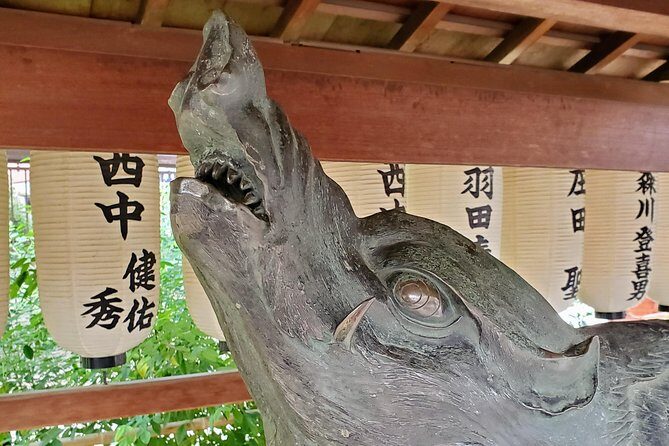
A huge part of why this tour gets such strong praise is the guide. The experience provider is Atticus Sims, and the tone coming through is not just “tell scary tales.” It’s talk-to-you guidance—making the meaning behind each location feel understandable.
One reason this tour feels fun for different ages is the mix of myth, culture, and history explained in plain language. The stories connect to what you’re seeing: plague references at Yasaka Shrine, district lore in Gion, Zen context at Kennin-ji, darker local framing at Kiyomizudera, and the historical anchor at Toyokuni Shrine.
In practice, that kind of guidance helps you enjoy Kyoto even if you’re not a “temple encyclopedia” person. You can just be curious. You can ask questions. You’ll likely leave feeling like you noticed details you would’ve otherwise brushed past.
How the Route Fits First-Timers and Repeat Kyoto Fans
This tour works well whether you’ve never been to Kyoto or you’ve been a dozen times. Here’s why:
- First-timers get the big-name framework (Gion and Kiyomizudera) but also receive the added value: less obvious places and a story lens that ties everything together. You also start at Yasaka Shrine, which is a strong introduction to how Kyoto thinks in symbols.
- Repeat visitors get a different angle. Even if you already know what the buildings look like, you’ll likely learn how the same sites connect to fear, protection rituals, and local supernatural storytelling.
The tour also hints at extra creepy stops beyond the main list—places like cemeteries and a haunted candy store. That’s the kind of detail that makes the trip feel specific, not generic. It’s Kyoto folklore flavored with real-world settings.
Expect the Right Kind of “Creepy”: Fun, Not Scary Overkill
The description makes one thing clear: this is ideal for people who aren’t too sensitive to scary ghost stories. Translation: you should expect eerie themes, haunted-tale energy, and a guide who leans into the supernatural angle.
But it’s still a guided cultural experience. It doesn’t rely on cheap tricks. Instead, it uses real sites and believable contexts—religion, history, and how communities explained the unknown. If you’re the type who enjoys chilling legends the way you’d enjoy a gripping ghost story, this is likely your speed.
If you’re easily rattled by ghosts, sudden fear, or anything that feels too intense, you may want to skip this one. The theme is the product.
Practical Tips for Getting the Most Out of a Night Walk
This is a walking-focused, story-focused tour, so small practical things affect the whole evening.
Wear shoes that handle Kyoto’s uneven surfaces. You’ll be on foot long enough that comfort matters, especially if you’re listening while you walk.
Dress for the weather. This experience requires good weather. If conditions aren’t right, it can be canceled and you’ll be offered a different date or a full refund. That’s not just policy—it’s also a reality check for enjoying an evening route without stress.
Bring your appetite for questions. The guide approach is very conversational. If you want to ask what a symbol means or how a belief tied into the past, you’ll get more out of the stops.
Price and Logistics: Why the Setup Makes Sense
You’re paying $175 for about four hours with a maximum of 10 people, and you get a mobile ticket. That combination often delivers good value because you spend less time figuring out logistics and more time learning.
Admission is also partially handled: Kiyomizudera is included, and the other listed stops (Yasaka Shrine, Gion sites, Kennin-ji, Toyokuni Shrine) note free admission. That means your budget stays predictable during the tour.
The meeting point is clearly defined at Yasaka Shrine, so you’re not guessing where the “real start” is. For a nighttime themed walk, clarity matters.
Who Should Book the Dark Kyoto Tour
I’d book this if you want Kyoto to feel like a living storybook. This is a good fit for:
- First-time visitors who want more than standard sightseeing
- Repeat visitors who want a fresh angle on famous areas
- Couples and families who enjoy legends and cultural myths
- People who can handle spooky themes but still want it fun and respectful
It’s also a nice choice for social travelers who like small-group experiences. With a max of 10, you’re less likely to feel lost in the shuffle.
Should You Book This Tour?
Yes, if you want Kyoto through a “dark-but-cultural” lens and you enjoy ghost stories that connect to real places and real beliefs. The strongest selling points are the small group feel, the guide-led storytelling from Atticus Sims, and the way the route connects famous locations with lesser-seen, creepier stops like cemeteries and a haunted candy store.
Skip it if scary ghost stories are a hard no for you, or if you prefer quiet temples only. This tour isn’t trying to be spooky for shock value—it’s building a themed evening around the darker side of Kyoto—but the theme is still the theme.
FAQ
FAQ
How long is the Dark Kyoto Tour?
It runs for about 4 hours.
What does the tour cost?
The price is $175.
Where does the tour start?
The start point is Yasaka Shrine, at 625 Gionmachi Kitagawa, Higashiyama Ward, Kyoto, 605-0073, Japan.
Is there a mobile ticket?
Yes. The tour uses a mobile ticket.
How many people are in the group?
The tour has a maximum of 10 travelers.
Which stops are included?
The named stops are Yasaka Shrine, Gion, Kennin-ji Temple, Kiyomizudera Temple, and Toyokuni Shrine.
Is admission included anywhere?
Admission for Kiyomizudera Temple is included. The other named stops list free admission.
Is this tour scary?
It’s meant to be good fun for people who aren’t too sensitive to scary ghost stories, so it does lean creepy.
What happens if the weather isn’t good?
The experience requires good weather. If it’s canceled due to poor weather, you’ll be offered a different date or a full refund.
What is the cancellation policy?
Free cancellation is available. You can cancel up to 24 hours in advance for a full refund.
When will I get confirmation after booking?
Confirmation is received within 48 hours of booking, subject to availability.