REVIEW · KYOTO
Explore Arashiyama Bamboo Forest with Authentic Zen Experience
Book on Viator →Operated by TripGuru · Bookable on Viator
Kyoto slows down fast when you leave the bamboo crowds. This Arashiyama outing pairs iconic sights with a real Zen lesson at a hilltop temple, plus tea and a scenic walk through old Kyoto corners.
I especially love how the day is built around the Daihikaku Senkoji experience, not just sightseeing, and I like that you get food breaks (snacks) along the way so you do not burn energy on an empty stomach. The one drawback to plan for: there is a real climb up to the temple after you have already walked around town.
In This Review
- Key things to know before you go
- Why this Arashiyama Bamboo Forest tour feels different from the usual walk
- The main trade-off
- Price and Logistics: what $114 buys you in Kyoto
- Where the tour begins (and how to set yourself up for an easy start)
- Stop 1: Arashiyama Bamboo Forest, Togetsukyo Bridge, and the Zen-ready walk (about 30 minutes)
- Stop 2: Nonomiya Shrine and the mountaintop shift (about 30 minutes)
- Stop 3: Kameyama area tea ceremony and a second bamboo taste (about 30 minutes)
- Stop 4: Senko-ji Temple and the Daihikaku Senkoji Zen Mountain Temple experience (about 1.5 hours)
- Stop 5: Randen Keifuku Arashiyama Station, Kimono Forest, and a relaxing foot bath (about 1 hour)
- The most praised part: meditation with a monk, translated for real participation
- Hiking reality check: how much effort you should expect
- Who this tour is best for (and who might want a different plan)
- Should you book it?
- FAQ
- Where does the tour start and end?
- What time does the tour start?
- How long is the tour?
- What’s included in the price?
- Is hotel pickup included?
- Is there a fitness requirement?
- Can I cancel for a refund?
Key things to know before you go
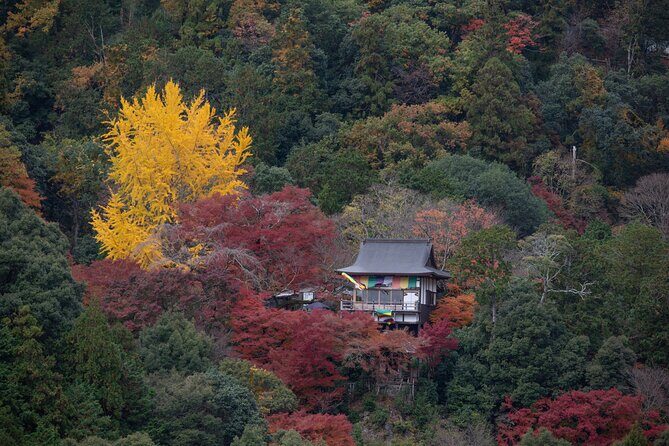
Zen instruction with a qualified monk at Daihikaku Senkoji, with meditation guidance and sacred chants
Hilltop views over Kyoto, Arashiyama, and the Hozu River valley
Tea ceremony in the Kameyama area as a calm pause mid-walk
Comfort matters because the route involves hiking and endurance
Small-group feel with an English-speaking guide and a private setup for your group
Why this Arashiyama Bamboo Forest tour feels different from the usual walk
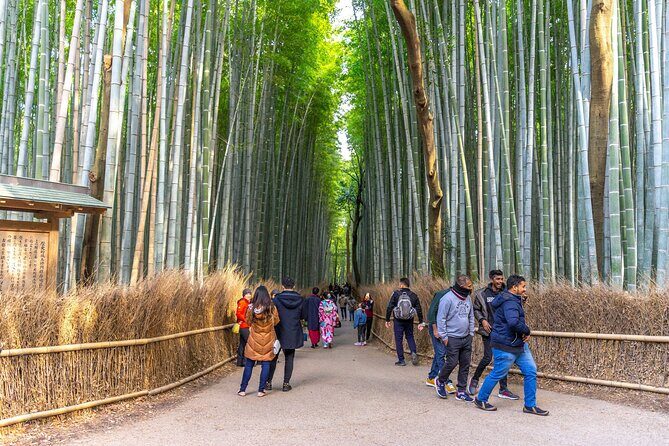
Arashiyama’s Bamboo Forest has a gravity of its own. But if you treat it like only a photo stop, you miss the point of this part of Kyoto. This tour threads the bamboo sights into something quieter: Zen practice, guided by a monk at Daihikaku Senkoji, high enough to make your eyes naturally lift toward the sky.
Two things make it work. First, the Zen segment is not a quick talk. You get hands-on meditation instruction, and you learn what to do in your body and breath, not just what to think. Second, you’re walking with context. The stops are spaced so the day alternates between outdoors and reflection, so you do not feel rushed from one landmark to the next.
You can also read our reviews of more tours and experiences in Kyoto.



The main trade-off
The itinerary includes time walking before you reach the hilltop temple. Reviews and your own legs will tell you the same story: this is not a stroller-friendly stroll. If you have limited mobility, go in with realistic expectations and wear shoes built for uneven ground.
Price and Logistics: what $114 buys you in Kyoto
At about $114 for roughly 4 hours, you’re paying for more than entry tickets. You’re paying for a guide who can translate what you’re seeing and hearing, and for a structured experience at a mountain temple where the order of events matters. You’re also getting snacks, which sounds small, but it helps when the day includes both city walking and uphill trekking.
A couple practical points help you gauge value:
- You start at Saga-Arashiyama Station and end at Randen Keifuku Arashiyama Station, so you do not waste time crisscrossing Kyoto.
- The tour uses a mobile ticket, which makes check-in simpler if you are already traveling light.
- It lists stops with admission tickets handled as part of the experience flow (for example, multiple stops are marked admission ticket free).
So yes, it costs more than a self-guided bamboo walk. But the “extra” is mostly the Zen instruction, the mountain-temple access experience, and the guidance that keeps you from feeling lost while you’re doing a quiet, unfamiliar activity.
Where the tour begins (and how to set yourself up for an easy start)
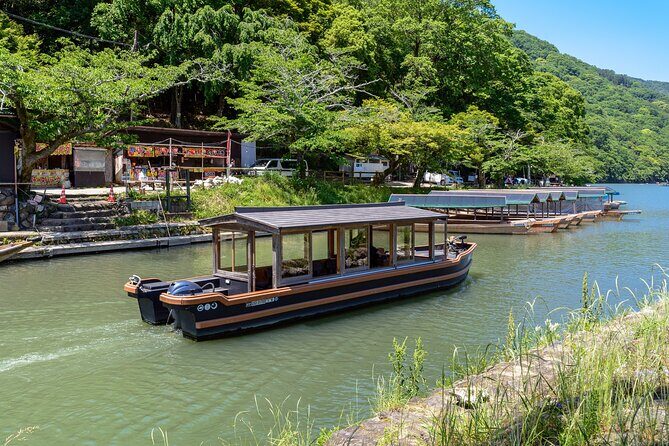
The meeting point is Saga-Arashiyama Station (11-1 Sagatenryūji Kurumamichichō, Ukyo Ward, Kyoto). The tour starts at 12:00 pm.
From there, your guide leads you through the Arashiyama area in a loop that ends at Randen Keifuku Arashiyama station. That matters because Arashiyama is spread out enough that ending near a transit stop keeps the day from turning into extra time in transit.
This is also described as a private tour/activity, meaning your group will be the only participants with the guide. You still may see other tourists at public sights (bamboo is famous), but the learning portion stays focused and less chaotic.
Stop 1: Arashiyama Bamboo Forest, Togetsukyo Bridge, and the Zen-ready walk (about 30 minutes)
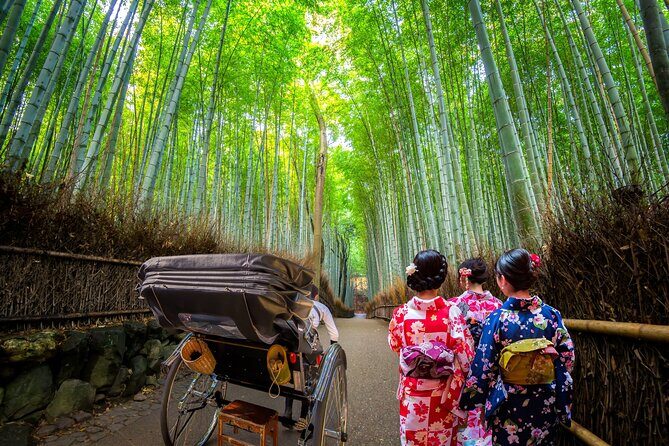
You begin in Arashiyama where the mood is immediately different from central Kyoto. Expect the famous visual rhythm: walking lanes, historic scenery, and the classic approach toward the Togetsukyo Bridge. This bridge area is a big reason so many people come to Arashiyama, because it frames the river and hills in a way that feels cinematic.
The trick is that this stop is short on purpose. If you spend too long here, you lose momentum for the rest of the day, especially the temple climb. You get enough time to take it in and then move on with the tour’s calmer rhythm.
What to watch for: this is the segment where your timing and energy matter most. If you sprint for photos, you’ll feel it later when the uphill portion starts. I recommend keeping your pace steady and saving the slow staring for later viewpoints.




Stop 2: Nonomiya Shrine and the mountaintop shift (about 30 minutes)
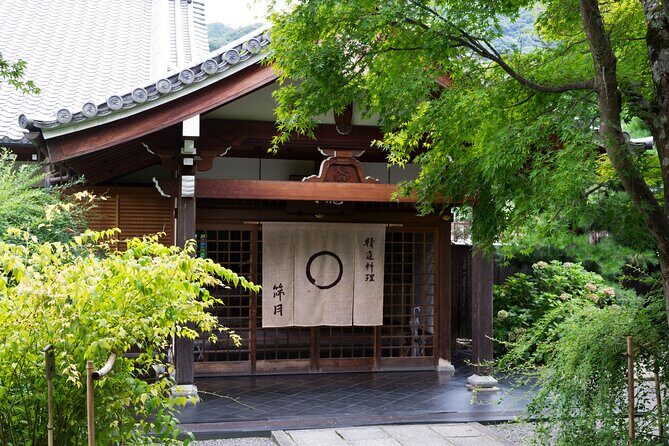
Next comes Nonomiya Shrine, where the tour turns your attention toward Buddhist teachings and conversation. The goal here is not just to look at a shrine. It’s to understand the meaning behind what you’re doing next and why the Zen portion has a particular tone.
You also start building toward the panoramic part of the day. From the route around here and later at the hilltop, you’ll get framed views over Kyoto, Arashiyama, and the Hozu River valley. Even on days when the light isn’t perfect, the height makes the scenery feel bigger than a flat street view.
A practical consideration: shrine areas can involve more stairs or uneven walking than you expect. If your legs are already tired from morning sightseeing, plan this day as your main Arashiyama workout.
Stop 3: Kameyama area tea ceremony and a second bamboo taste (about 30 minutes)
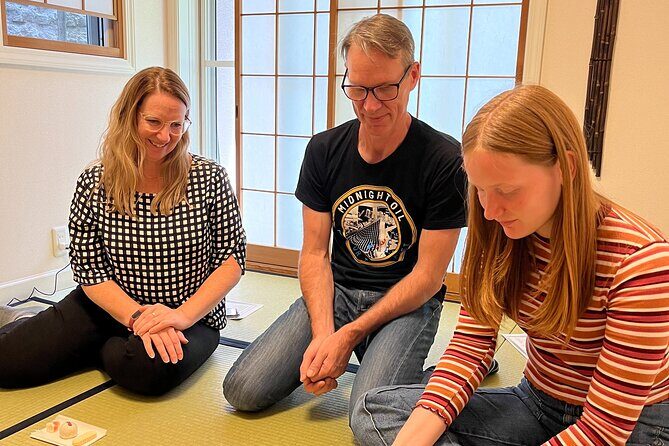
Then you slow things down with a traditional tea ceremony. This is one of the smartest parts of the day because it resets your body temperature and your attention. Tea in a quiet setting also makes the meditation instruction later feel less like an activity and more like a continuation.
After tea, the schedule moves back into walking: you go up through the area and through an ancient bamboo grove up toward Arashiyama-Kameyama Park. This is where the bamboo starts to feel less like a landmark and more like a living environment.
If you are the kind of traveler who enjoys contrast—busy streets, then quiet groves—this stop is built for you. You get a gentle pause before the final temple segment.
Stop 4: Senko-ji Temple and the Daihikaku Senkoji Zen Mountain Temple experience (about 1.5 hours)
This is the heart of the tour.
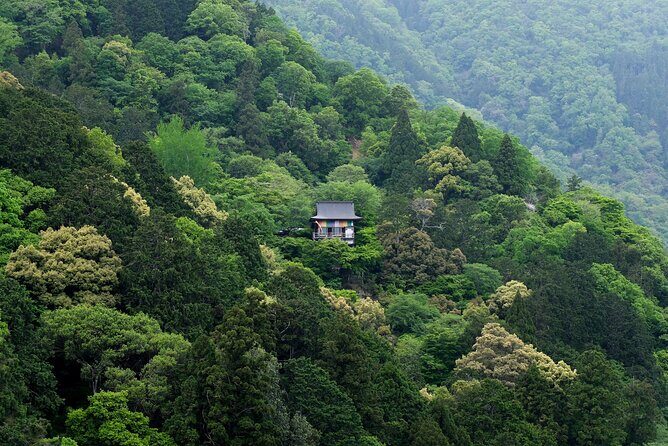
At Senko-ji Temple, you spend about 1 hour 30 minutes, and the big focus is the Daihikaku Senkoji Zen Mountain Temple experience. Here, a monk guides you through meditation and sacred chants. The tone is calm, but it’s also practical: you’re taught how to participate, not just watch.
What makes it memorable is that it happens in an environment that feels removed from everyday noise. One of the standout comments from people who did this is that the meditation instruction felt unforgettable because it took place at an isolated Buddhist temple. The setting helps you stop performing “tour mode” and start paying attention.
Your guide plays a key role here. In multiple experiences, the translation was called out as especially helpful, including during the teaching and the steps of what to do. If you worry about missing meaning due to language, this is where you’ll feel the benefit most.
Views during the temple segment: the route and timing give you panoramic sightlines over Kyoto, Arashiyama, and the Hozu River valley. That view is not just pretty wallpaper. It quietly reinforces why people come to mountain temples in the first place: you feel time widen.
Possible drawback: the temple experience is worth the climb, but you should treat it like an activity day, not a light afternoon. If you are out of practice with walking, bring your best shoes and do not plan tight connections immediately after the tour.
Stop 5: Randen Keifuku Arashiyama Station, Kimono Forest, and a relaxing foot bath (about 1 hour)
After the hilltop, you earn the relaxed part.
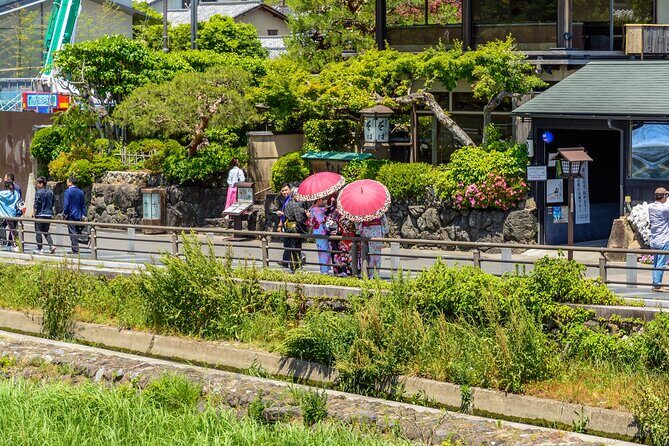
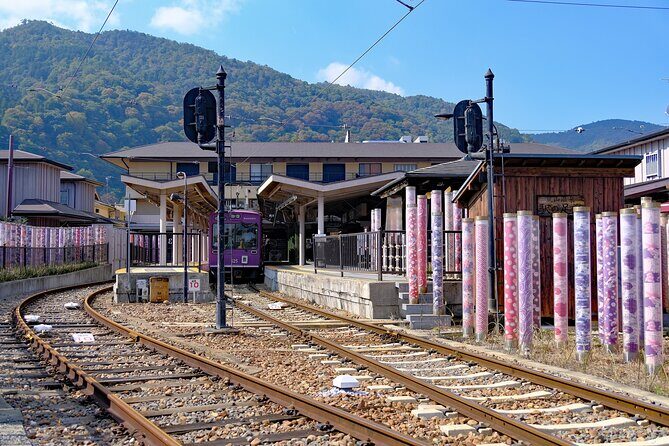
You end at Randen Keifuku Arashiyama station. Here you can unwind with traditional Japanese snacks, browse the Kimono Forest area with patterned kimono displays, and take advantage of a soothing foot bath to ease tired feet.
This is a smart closer because your body will be ready for downshift. The foot bath is especially helpful if you did extra walking chasing photos during the day. It also gives the day a “full circle” feeling: bamboo and temples up top, then comfort down below.
The last hour is flexible in feel. You are still part of the tour schedule, but this segment is more about recovery and seeing a creative, playful side of Arashiyama.
The most praised part: meditation with a monk, translated for real participation
If you care about the Zen portion beyond the idea of Zen, this tour is built well.
The meditation instruction is described as about an hour and comes with guidance from the monk, including sacred chants. This is not a generic spiritual show. It’s closer to learning a skill: how to sit, how to focus, and how to approach the practice with your attention.
What you’re also paying for is the translation and coaching from the guide. In experiences like this, guides such as Miyake and Miya are often mentioned for being gracious, informative, and clear while handling the teaching moments. That matters because meditation can feel awkward if you do not know what to do with your hands, posture, or timing. Good interpretation turns it into something you can actually participate in.
Hiking reality check: how much effort you should expect
The tour requires moderate physical fitness. The reason is simple: you climb up to the temple area after already exploring Arashiyama streets and shrine grounds. Some people note that there is quite a bit of city walking prior to reaching the temple, and that the climb takes energy and endurance.
So here’s the honest checklist you should run:
- Wear comfortable walking shoes with good grip.
- Bring water if you’re prone to getting thirsty.
- Plan your photo pace. If you run ahead for bamboo photos, you’ll pay for it on the ascent.
- Go into the temple knowing you’ll be out of breath at first. That’s normal. The practice part helps reset you.
Also, because Arashiyama is a major attraction, you may encounter disruptive behavior in crowded public areas. The temple portion itself tends to feel calmer and more focused, especially when everyone is participating in the structured guidance.
Who this tour is best for (and who might want a different plan)
I think this tour is a strong match if you want Arashiyama to feel meaningful, not just scenic. You’ll enjoy it if you like:
- guided experiences where the guide explains what you’re doing and why
- Zen meditation and chants, taught in a way you can follow
- a day with both outdoors time and quiet cultural practice
You might consider a different plan if:
- you have limited mobility and do not handle uphill walking well
- you want a purely leisurely bamboo stroll with no structured climbing
- you are short on time and already plan to squeeze in other strenuous activities right afterward
Should you book it?
If you’re coming to Kyoto and you want more than the standard bamboo photo loop, I’d book this. The value is strongest in the Zen mountain temple experience: meditation instruction with a monk, chants, a translated flow you can understand, plus temple views that feel like a reward rather than a checkbox.
Also, the tea ceremony and the ending at Randen Keifuku Arashiyama station give your day natural rhythm: calm, effort, then recovery. That’s a great formula in a place that can easily feel exhausting if you try to do it all on your own.
FAQ
Where does the tour start and end?
It starts at Saga-Arashiyama Station (11-1 Sagatenryūji Kurumamichichō, Ukyo Ward, Kyoto) and ends at Randen Keifuku Arashiyama station.
What time does the tour start?
The listed start time is 12:00 pm.
How long is the tour?
The tour runs for about 4 hours (approx.).
What’s included in the price?
The tour includes an English-speaking tour guide, the Daihikaku Senkoji Zen Mountain Temple experience, and snacks.
Is hotel pickup included?
No. Hotel pick up and drop off are not included.
Is there a fitness requirement?
Yes. You should have moderate physical fitness, since the route includes hiking/climbing to the mountaintop temple area.
Can I cancel for a refund?
Yes. It offers free cancellation up to 24 hours before the experience start time for a full refund. If you cancel within 24 hours, no refund is provided.