REVIEW · TOKYO
From Tokyo: Top 5 Scenic Spots of Mount Fuji Full-Day Tour
Book on Viator →Operated by Hotel Takitei · Bookable on Viator
Fuji looks different from five angles. This day trip is interesting because it trades DIY stress for round-trip transport and stacks the day with multiple Mt. Fuji viewpoints, guided context, and quick photo planning. The one big consideration: visibility of Mt. Fuji isn’t guaranteed, so a cloudy day can change what you get.
You’re paying about $56.14 for an 11-hour outing that’s built around getting you out of Tokyo fast, then positioning you at the right places (and in time) for views at different angles. The value is the logistics: air-conditioned bus, pickup/drop-off at two points, a multilingual guide, and a group capped at 45.
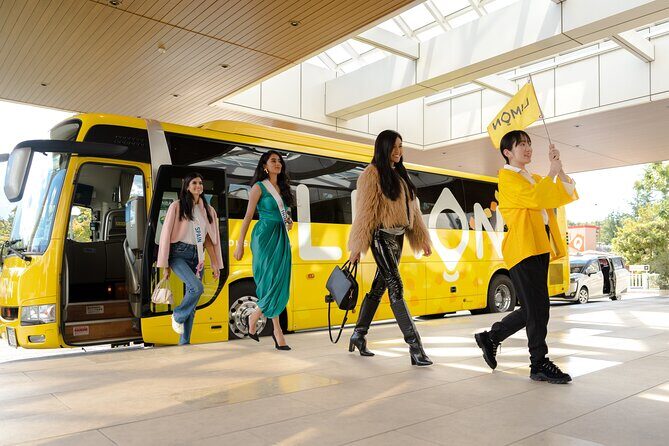
If you want help taking better photos, this is the right setup. The guide carries a yellow flag with the Gogoday logo at the meeting point, and in past groups guides such as Luna, David, Seki, and James were specifically praised for organization and photo support (taking pictures for people, pointing out spots, keeping everyone moving).
In This Review
- Quick Take
- How This Tokyo-to-Fuji Day Trip Really Feels (11 Hours, Bus + Photo Stops)
- Meeting Up in Tokyo Without Stress
- Stop 1: Arakurayama Sengen Park and the Pagoda Perspective
- Stop 2: Nichikawa Clock Shop Area for Hidden Street Angles
- Stop 3: Oshino Hakkai Springs (Plus a Complimentary Grass Cake)
- Stop 4: Lake Kawaguchiko (Oshi Park) for Seasonal Flower Work
- Stop 5: Lawson Fujikawaguchiko for the Classic Fuji Photo Backdrop
- Price and Value: Why $56.14 Works Better Than DIY
- Weather, Crowds, and the Realistic Fuji Plan
- Best For Who: Photographers, First-Timers, and Time-Squeezed Trips
- The Guide Factor: How Much Does It Matter?
- Should You Book This Mount Fuji Full-Day Tour?
- FAQ
- How long is the Mount Fuji full-day tour from Tokyo?
- What is included in the price?
- Is lunch included?
- Will I definitely be able to see Mount Fuji?
- Are entrance fees included for all stops?
- Where do I meet the guide in Tokyo?
- What if traffic delays the return to Tokyo?
- Is there a group size limit?
Quick Take
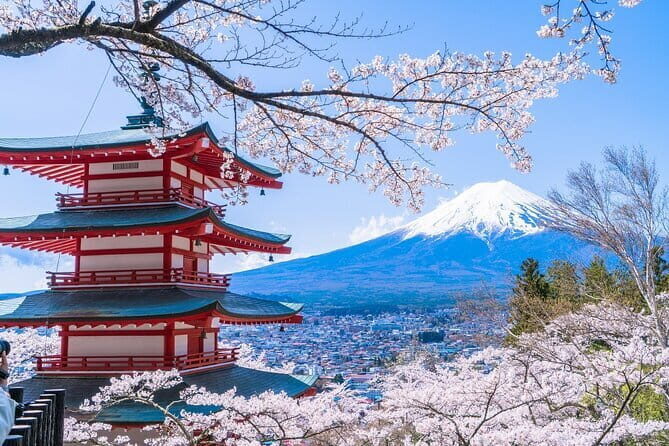
- Five Fuji viewpoints in one day: Arakurayama Sengen Park, Nichikawa Clock Shop area, Oshino Hakkai, Lake Kawaguchiko, and a Lawson photo stop.
- No navigation headaches: round-trip bus from Tokyo with planned stops and a multilingual guide.
- Photography-friendly pacing: short targeted photo windows plus longer scenic time where it counts.
- Real culture and scenery, not just viewpoints: springs at Oshino Hakkai and seasonal flower areas around the lake.
- Weather can be the spoiler: if Fuji is hidden, the day turns into scenery-hunt mode.
- Lunch and most snacks are on you: you’ll need to plan what to eat during the day.
How This Tokyo-to-Fuji Day Trip Really Feels (11 Hours, Bus + Photo Stops)
This tour is basically a one-day Fuji mission with a bus. You start early from Tokyo Station (meet at 8:00 at Marunouchi Front Square), then you’re on the move almost constantly for views, culture stops, and photo angles.
The structure matters. A lot of Fuji tours fail because you waste time figuring out transit, finding parking, and squeezing into crowded viewpoints at the wrong moment. Here, the point is to let someone else handle the driving, while you focus on where to stand, what to shoot, and when to move on.
Eleven hours can sound long, but it’s often the practical reality for a Mount Fuji day trip from Tokyo. You’ll have time for five stops plus travel, which means you don’t get to “slow travel” the way you might on an overnight trip. If you’re the type who wants to linger, this will feel like a schedule. If you want maximum coverage, it’s a decent match.
A few more Tokyo tours and experiences worth a look
Meeting Up in Tokyo Without Stress
You meet at Tokyo Station Marunouchi Front Square at 8:00, and the guide will be holding a yellow flag with the Gogoday logo. The instructions are simple: arrive about 15 minutes early and tell the guide your booking name to join the group.
This sounds minor, but it’s huge on a day trip. Tokyo Station can be a maze when you’re standing there trying to match a person to a bus. A clear meeting-point system reduces that first-hour panic, and it sets you up to start taking photos sooner rather than later.
The tour also includes pickup/drop-off at two designated points, which usually means fewer wandering pickups. It’s still a group outing, so you should expect bus time to be bus time—great for charging your camera batteries and reviewing your shot ideas, not great for roaming Tokyo.
Stop 1: Arakurayama Sengen Park and the Pagoda Perspective
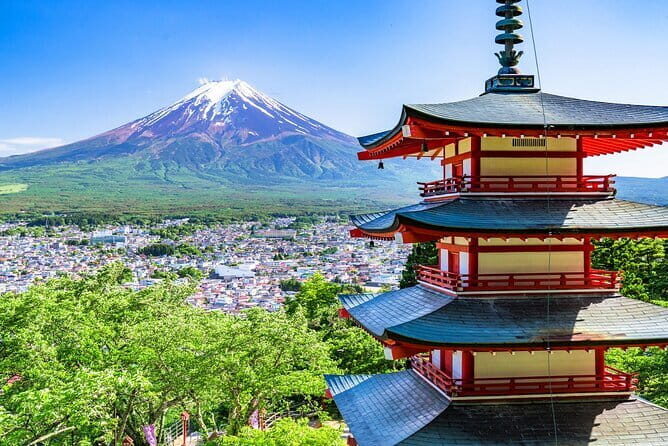
The first scenic stop is Arakurayama Sengen Park. This is where many people go for the classic Mount Fuji look tied to the pagoda view and the steps that climb up toward it.
Why it’s worth doing early: the morning is often your best shot at better visibility. Even when clouds roll in later, the first main viewpoints can still work if Fuji decides to show up.
Practical note: the tour allocates about one hour here. That’s enough to walk to a good viewpoint, get photos, and regroup—but it’s not enough to treat it like a full hike. If it’s crowded, you’ll likely have to shoot in quick bursts rather than set up a long tripod setup and wait for the light to perfect itself.
Stop 2: Nichikawa Clock Shop Area for Hidden Street Angles
Next up is Nichikawa Clock Shop for roughly 20 minutes. This stop is about getting Fuji in a more everyday, street-scene way—less “grand postcard” and more “here’s how Fuji sits in real life.”
The time window is short on purpose. This kind of angle works best when you treat it as a focused photo moment: step into a good position, frame your shot, then move on before the light shifts and the crowd thickens.
The value here is variety. If your Fuji photos all come from the same style of viewpoint, your camera roll can start to look repetitive. Nichikawa helps break that pattern by adding a different visual texture—buildings, street lines, and a more intimate view of the mountain in the background.
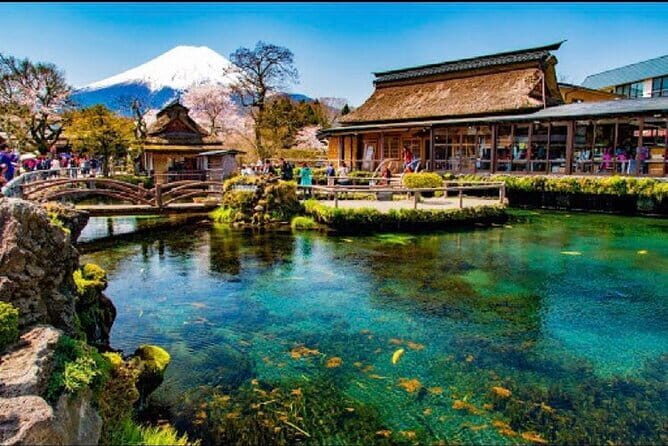
Stop 3: Oshino Hakkai Springs (Plus a Complimentary Grass Cake)
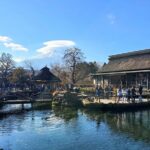
Then you hit Oshino Hakkai, about 90 minutes, which includes one complimentary grass cake. This is the cultural and nature side of the day. Oshino Hakkai is known for spring-fed ponds fed by snowmelt from Mount Fuji, and it feels calmer than the bus-and-photo sprint style of other stops.
This is also where you slow down a bit. You’re not just taking one quick picture—you’re walking through a scenic area, seeing how the spring water plays a role in the village setting, and picking up those small details that make Fuji feel more than a distant peak.
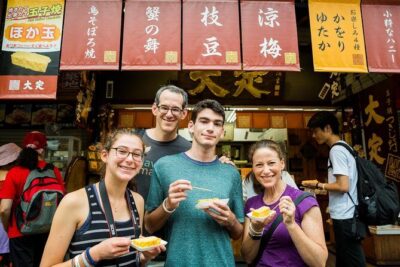
The grass cake is a small add-on, but I like these moments because they make the stop feel like something you did, not just something you passed through. If you’re the type who skips snacks on tours, at least consider trying it—this kind of included bite is part of the value you’re already paying for.





Stop 4: Lake Kawaguchiko (Oshi Park) for Seasonal Flower Work
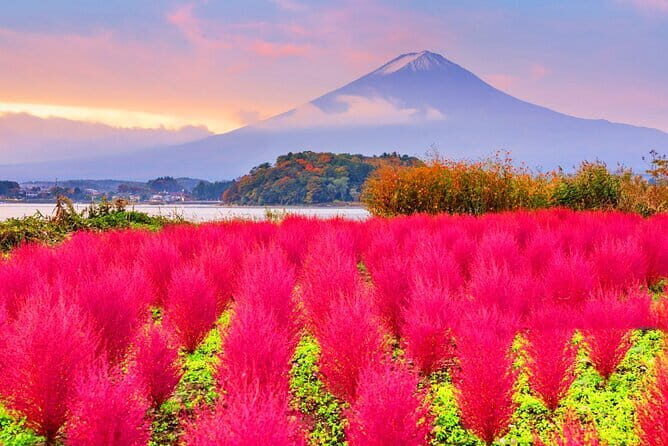
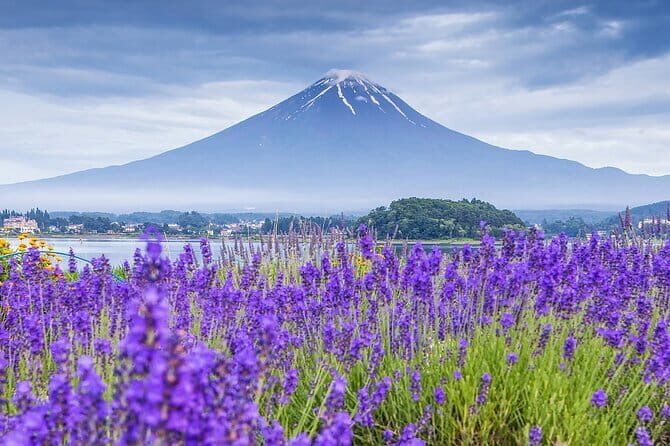
After that comes Lake Kawaguchiko and a visit to Oshi Park for about 50 minutes. This is the seasonal section of the itinerary—depending on the time of year, the park is associated with different blooming plants.
This is where you can get a wider “Fuji plus foreground” feeling. If Fuji is visible, you’ll have a stronger chance of getting layered compositions: mountain in the background, plants or pathways in the front, and a lot of composition options without needing a long hike.
Two realities to keep in mind:
- The park time is short. You’ll get enough time to see key areas and grab photos, but you should move with purpose.
- Crowds can be intense, especially around peak tourism seasons. If it’s busy, plan on shorter photo moments rather than perfect solitude.
Also, the tour notes that an admission ticket for the Lake Kawaguchi Cherry Blossom Festival may be required in cherry blossom season (listed at $9). The standard stop time includes the park visit, but that festival situation is a separate add-on.
Stop 5: Lawson Fujikawaguchiko for the Classic Fuji Photo Backdrop
The final photo stop is a Lawson convenience store in Fujikawaguchiko, around 20 minutes. Yes, it’s a convenience store. No, it’s not random.
This is a well-known Fuji photography location because the setting frames the mountain. You get a quick chance to shoot a different kind of Fuji image—the kind that looks like a real moment from a real day, not just an overlook.
This is also where you’ll feel the schedule most clearly. Twenty minutes is enough to take a few photos, grab a drink if you want one, and get back on the bus. It’s not enough to browse or linger.
Price and Value: Why $56.14 Works Better Than DIY
At $56.14 per person, the tour price is pretty reasonable for what’s included. You’re getting:
- Air-conditioned transportation for most of the day
- Pickup/drop-off at designated Tokyo points
- A multilingual guide plus a driver
- A full loop of major Fuji-related viewpoints
What you’re not getting is also clear: food and drinks aren’t included, and Lake Kawaguchiko seasonal festival ticket costs may apply. That means your true daily spend depends on what you eat and whether you buy festival admission or snacks.
Here’s my take on value: the tour price buys you time. It’s easy to burn half a day figuring out routes and getting everyone back to Tokyo on time—especially if you’re juggling timing and crowds. For many people, the bus-and-guide structure is what makes the trip feel worth it.
Also, group size matters. This tour caps at 45 travelers. Bigger groups can get chaotic fast. A limit like this usually helps the guide keep people moving and helps photo stops stay usable instead of turning into total gridlock.
Weather, Crowds, and the Realistic Fuji Plan
Mount Fuji is famous for one reason: it’s worth seeing. It’s also famous for one problem: visibility can change fast.
The tour explicitly warns that weather is unpredictable and Fuji may not show. That doesn’t mean the day is ruined. It means you need a mindset shift:
- If Fuji is visible, you’ll get the reward photos at multiple stops.
- If Fuji is cloudy or hidden, you’ll still get scenic water-and-steps beauty at places like Oshino Hakkai, plus alternative views at each stop.
Crowds are the other factor. Arakurayama Sengen Park and Lake Kawaguchiko can get busy, and the schedule doesn’t pretend otherwise. That’s why the stop times are what they are. You’ll likely spend more time waiting for photo windows and less time wandering freely, especially in peak seasons.
My practical advice: bring a light layer you can handle outdoors, keep your camera accessible, and be ready to move when the group moves. If you hesitate, you’ll lose your place—and in crowded places, that can mean losing your shot.
Best For Who: Photographers, First-Timers, and Time-Squeezed Trips
This tour is a strong fit if:
- You want five Fuji angles in one day without figuring out routes.
- You care about photos and appreciate help with timing and positioning.
- You’re okay with a guided pace and short bursts at some stops.
It’s also a decent choice for first-timers. You get a classic pagoda viewpoint, a spring-water stop, and a lake setting tied to seasonal color. That spread covers the “greatest hits” of Fuji experiences without requiring multiple transfers or an overnight stay.
If you prefer slow travel, quiet mornings, or long, unhurried wandering, you may feel rushed. Even with great views, this is still a day-trip schedule—short windows, bus travel, and moving to the next place when it’s time.
The Guide Factor: How Much Does It Matter?
A guide can make or break a day trip, mostly by handling timing, keeping the group together, and helping you get better photos.
Based on what people praised, guides on this tour often focus on:
- Keeping everyone on schedule
- Helping with photo stops and camera positioning
- Sharing cultural context about what you’re seeing
- Sometimes adding fun during long rides (trivia or small activities were mentioned in past experiences)
You’ll know you’re in the right group when you see the yellow Gogoday flag. Beyond that, I’d look for what the guide does at the first stop: do they clearly explain the plan, where to stand, and when to come back? If yes, your day is already trending well.
Should You Book This Mount Fuji Full-Day Tour?
Book it if you want the most efficient Fuji day from Tokyo. For $56.14, the included transport, the guide, and the five-point photo plan make it a solid way to turn one day into a usable camera roll—especially when Fuji shows up.
Hold off or manage expectations if you’re deeply schedule-sensitive or if you can’t handle crowds. This is also the wrong fit if you’re hoping for an all-day relaxed hike. It’s organized and photo-focused, not slow and open-ended.
My final rule of thumb: if you’re going to Tokyo only briefly and Mount Fuji is on your must-do list, this tour is one of the practical ways to hit the highlights. Just go in knowing the mountain’s mood is part of the deal.
FAQ
How long is the Mount Fuji full-day tour from Tokyo?
The tour runs for about 11 hours.
What is included in the price?
The tour includes air-conditioned transportation, pickup and drop-off at two designated points, a multilingual tour guide, and a driver.
Is lunch included?
No. Food and drinks are not included. You can bring your own lunch or buy food along the way at your discretion.
Will I definitely be able to see Mount Fuji?
No. Weather conditions are unpredictable, and visibility of Mount Fuji cannot be guaranteed.
Are entrance fees included for all stops?
Admission is listed as free for some stops, but Lake Kawaguchi Oshi Park has admission that is not included. The Cherry Blossom Festival ticket at Lake Kawaguchi is listed separately at $9 per person.
Where do I meet the guide in Tokyo?
You meet at Tokyo Station Marunouchi Front Square at 8:00. The guide holds a yellow flag with the Gogoday logo.
What if traffic delays the return to Tokyo?
Weekend and holiday traffic may delay the return time past 9 p.m. The company covers overtime fees for the guide and driver, and you’re advised not to schedule activities or transport after the tour.
Is there a group size limit?
Yes. The tour has a maximum of 45 travelers.