REVIEW · KYOTO
Himeji Castle and Akashi Kaikyo Bridge Walking Tour from Kyoto
Book on Viator →Operated by JTB Global Marketing & Travel Inc. · Bookable on Viator
Himeji Castle plus Akashi Bridge in one day sounds wild. What makes this tour work is the mix of expert-guided walking and train time that’s planned to get you from Kyoto to Himeji to Maiko without the usual scramble.
I especially love how the guide frames Himeji Castle as a living piece of 14th-century Japan, not just a pretty stop. I also like that lunch at Hotel Nikko Himeji is included and split between Japanese and Western buffet options, so you’re fueled before the Akashi Bridge viewing.
One thing to consider: this is a full day with trains and stair-heavy sightseeing, plus some people find the castle queues and the walking pace a lot—so good shoes and patience matter.
In This Review
- Key takeaways before you go
- Himeji Castle: White Heron Castle logistics and what the guide actually adds
- Two hours doesn’t mean rush: how guide quality changes everything
- Kyoto to Himeji by Shinkansen: nice, quick, and not reserved seating
- Lunch at Hotel Nikko Himeji: value comes from timing, not just food
- Maiko Marine Promenade: Akashi Kaikyo Bridge views that feel engineered
- Train-and-walk balance: why the schedule can feel perfect or tiring
- Price and value: what $252.90 actually buys you
- Who should book this tour (and who might prefer a simpler plan)
- Should you book it?
- FAQ
- What’s included in the ticket price?
- How long does the tour last?
- Is lunch buffet-style, and can I request special meals?
- How much walking is involved?
- Do I need socks for Himeji Castle?
- Are train seats reserved?
- What’s the starting point and start time in Kyoto?
Key takeaways before you go
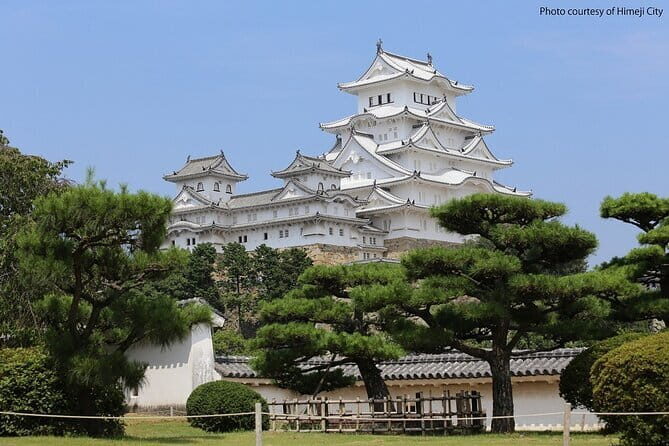
- UNESCO time at Himeji Castle (White Heron Castle) with an English guide to connect the architecture to feudal history
- Lunch buffet included at Hotel Nikko Himeji, with both Japanese and Western dishes
- Akashi Kaikyo Bridge from the Maiko Marine Promenade plus an exhibition center stop for context
- JR rapid trains both ways on non-reserved seating, so you’ll want a flexible mindset
- About 4 km of walking total, plus socks/shoe-off rules inside Himeji Castle
- Small group size (max 15), which usually makes it easier to hear the guide and move together
Himeji Castle: White Heron Castle logistics and what the guide actually adds
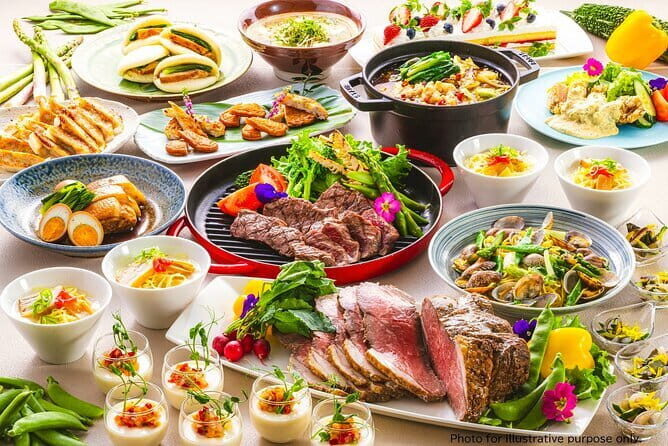
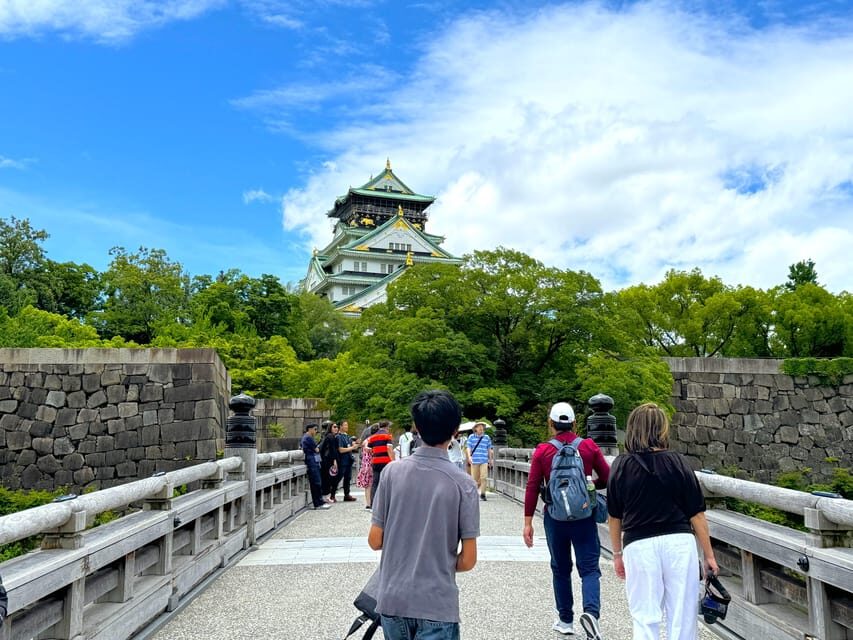
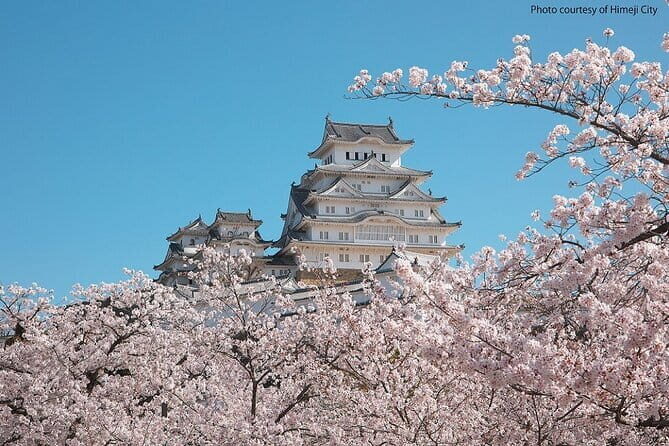
Himeji Castle is one of those places where you can see why it became a World Heritage site. It’s a huge 5-story fortress complex with that famous white exterior, and it even has a nickname: Shirasagi Castle (White Heron Castle), inspired by exterior design that looks like a bird taking flight.
The tour schedules about 2 hours at the castle grounds with the guide. That’s long enough to do more than a quick photo run. You’ll get guided context on the castle’s feudal-era purpose and key architectural elements, plus time to stroll and take it in at a calm pace.
Now, here’s the practical part that matters: when you go inside areas of Himeji Castle, shoes must be removed, so you’ll want socks that are comfortable for indoor walking. You’ll also deal with steep steps and low ceilings in some areas, so I’d treat this as a “stairs day,” not a casual stroll.
You can also read our reviews of more walking tours in Kyoto

Two hours doesn’t mean rush: how guide quality changes everything
This tour’s biggest variable is the guide. When the guide is strong, the day feels smooth and meaningful; when the guide’s English is tough or the pace is too fast, the castle can start feeling like sightseeing autopilot.
And the good news is that guide performance seems to swing toward the positive often. Names like Sachiko, Saiko, Yuki, and Gucchi show up with consistent praise for clear explanations and keeping the walk manageable. One standout detail: a guide (Sachiko in one account) even suggested reducing walking by using a cab from the station area to the castle when it made sense—exactly the kind of practical judgment that can save your energy.
So how do you protect yourself? Show up ready to walk, but don’t hesitate to ask questions the moment you have them. A small-group format (up to 15) helps because you’re less likely to get swallowed by the crowd.
Kyoto to Himeji by Shinkansen: nice, quick, and not reserved seating
Your day begins at the JTB Sunrise Tours desk in Kyoto (8:30 am start), then you head to Kyoto Station and take the Shinkansen to Himeji. The ride is fast—about 45 minutes—which is exactly what you want when you’re also planning a longer day.
One important detail: the tour uses non-reserved seats on public trains. That means seating is not guaranteed. The upside is that this is still efficient; you’re not locked into a specific reserved car. The downside is that you should aim to board promptly when instructed, especially if you don’t want to deal with standing.
Also, don’t think of the train portion as downtime you can ignore. You’re going to be doing a lot of on-your-feet time later, so use the travel time to organize yourself: water, layer, and where your socks are in your day pack.
Lunch at Hotel Nikko Himeji: value comes from timing, not just food
After the castle, you’ll head to Hotel Nikko Himeji for a buffet lunch. You’re given about 1 hour 15 minutes, and I like this timing because it prevents the day from turning into one long snack-and-stall situation.
The buffet is a mix of Japanese and Western dishes. That matters because it gives you options if you’re tired of one flavor profile (or if you want something lighter before more walking). It also keeps you from doing a separate food hunt in an unfamiliar area when your schedule is already packed.
Two practical notes to keep expectations realistic:
- The meal requests like vegetarian or allergy-friendly options are not accepted. If you have restrictions, you’ll need to plan accordingly.
- Because it’s a buffet, you’ll want to eat efficiently—this isn’t the moment to turn lunch into a slow hangout.
Maiko Marine Promenade: Akashi Kaikyo Bridge views that feel engineered
After lunch, the tour takes you from Himeji to Maiko Station by JR rapid train, again using non-reserved seating. Then it’s a short walk to Akashi Kaikyo Bridge.
Before the promenade, you stop into the Bridge Exhibition Center to learn about the bridge. This is useful because the bridge itself is impressive, but knowing what you’re looking at makes it much more satisfying. The bridge spans 12,828 feet (3,910 meters) between Kobe and Awaji-shima Island—the longest suspension bridge in the world. Yes, that number is big. What it means in real life is that your brain keeps trying to measure it, and you end up appreciating the scale in layers.
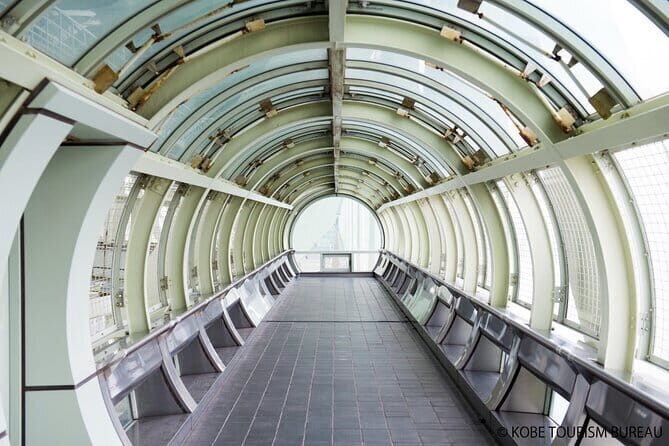
Then you walk the Maiko Marine Promenade, an observation walkway under the roadway, about 154 feet (47 meters) above the waters of Akashi Strait. Some sections have glass flooring, so you get a direct view down toward the sea below. With the glass and the height, this is one of those spots where your photos look better when you slow down instead of rushing straight to the best angle.
Expect about 45 minutes here. It’s enough time to feel the scale, not enough time to wander for hours—so focus on the view points and the exhibition center context.
Train-and-walk balance: why the schedule can feel perfect or tiring
This tour is built around the idea that two far-apart icons—Himeji Castle and Akashi Kaikyo Bridge—can fit into a single day if the travel is timed well. It is timed well, but it still comes with the reality check: you spend a meaningful chunk of time on trains.
At the end, you return to Kyoto by train in the early evening, and your tour ends around 6:00 pm at Kyoto Station. The guide service ends at Osaka partway, and you’ll follow provided instructions to get yourself back to Kyoto.
Total walking distance is about 4.0 km (2.5 miles). That’s not extreme on paper, but factor in the castle’s steep steps and the shoe-off rules. This is why the tour asks for moderate physical fitness.
If you’re someone who hates crowds and lines, know that Himeji Castle can be popular. Your best strategy is simple: wear your socks, move steadily, and accept that you may spend time in lines to enter or access certain parts.
Price and value: what $252.90 actually buys you
At $252.90 per person, you’re paying for more than transport between two cities. You’re buying a guided day that bundles:
- Himeji Castle admissions
- Akashi Bridge exhibition/observation admissions
- Lunch buffet
- National Government licensed English guide service
- Round-trip JR rapid train travel and Shinkansen from Kyoto
For me, the value is strongest if you want the guide to connect the dots at Himeji Castle. That’s where the day turns from “I saw a castle” into “I understood why the design matters.” The included lunch also saves time you’d otherwise spend tracking down a place to eat that fits your schedule.
If your goal is strictly lowest cost and maximum control, DIY can be cheaper. But if you want a smoother day with fewer decisions and fewer ticket/route headaches, this price starts looking fair—especially with the admissions and lunch already handled.
Who should book this tour (and who might prefer a simpler plan)
This tour is a great match if you want:
- One-day coverage of Himeji + Akashi Bridge without complex planning
- A small group and an English-speaking guide to keep the story clear
- A structured day with lunch included and minimal guesswork
I’d be a little cautious if:
- You dislike long train days and prefer to spend most time right at the sight
- You need strict dietary accommodations, since buffet requests like vegetarian or allergy-friendly meals aren’t accepted
- You’re sensitive to steep stairs or dislike walking with the castle shoe-off routine
Should you book it?
If you’re a first-timer in the Kyoto area and you want the most iconic architecture and bridge views in one day, I’d book this. The guide-led walkthrough at Himeji Castle is the reason to pay for a tour, and the Maiko Marine Promenade gives you an Akashi Bridge perspective that feels both technical and scenic.
If you’d rather spend a slower day near Kyoto and build your own route, then DIY might work better. But if you want your day organized—Shinkansen timing, admissions, lunch, and the bridge viewpoint handled—this is the kind of guided day that can actually make the “far away” feel manageable.
FAQ
What’s included in the ticket price?
The tour includes the lunch buffet, admission fees for the included sights, transportation costs, and the National Government licensed English guide interpreter fee.
How long does the tour last?
It runs for about 9 hours 30 minutes. The tour ends around 6:00 pm back at Kyoto Station.
Is lunch buffet-style, and can I request special meals?
Lunch is served buffet-style. Requests such as vegetarian meals and allergy-friendly meals are not accepted.
How much walking is involved?
Sightseeing is on foot, with total walking distance of about 4.0 km (2.5 miles). Himeji Castle also includes steep steps and areas where shoes come off.
Do I need socks for Himeji Castle?
Yes—since shoes must be removed inside parts of Himeji Castle, the tour recommends wearing socks.
Are train seats reserved?
No. The tour uses non-reserved seats on public transportation, so seating is not guaranteed.
What’s the starting point and start time in Kyoto?
The tour starts at 8:30 am at the JTB Sunrise Tours desk at Kyoto Station (JTB SUNRISE TOURS DESK KYOTO).