REVIEW · HIROSHIMA
Hiroshima Local Life Walking Tour (Private)
Book on Viator →Operated by Sachi · Bookable on Viator
Quiet streets make Hiroshima feel real fast.
This private 2-hour walk is a smart way to see Hiroshima through everyday places: the Hondori Shopping Arcade start gives you grounding in how the city works, and the Memorial Cathedral for World Peace stop hits with meaning before you even move on. I also liked how the tour mixes history with real local routines, from a tea-shop pause to a stamp-maker stop, then ending in Okonomimura where you learn what makes Hiroshima okonomiyaki special.
One thing to consider: you’ll be on your feet for a full loop, and the tour requires good weather, so you’ll want a plan for rain or heat.
In This Review
- Key points worth knowing before you go
- A 2-hour Hiroshima walk that connects daily life to peace history
- Starting at Hondori Shopping Arcade (and why the orientation is more than a warm-up)
- Ebisu Shrine: prosperity, business culture, and a 400-year thread
- The Memorial Cathedral for World Peace: respect, context, and rebuild-era meaning
- Fukuya Hatchobori Honten: preserved bombing traces in a commercial building
- Okonomimura: learning Hiroshima okonomiyaki while you walk through the place
- Local shops, tea stops, and stamp making for a more human Hiroshima
- Private guide time with Sachi (and extra explanations from her colleague)
- Price and value: what $65.15 buys you in real experience
- Practical travel notes before you lace up
- Who this tour suits best (and who might want something else)
- Should you book it? My straight take
- FAQ
- How long is the Hiroshima Local Life Walking Tour (Private)?
- Where does the tour start?
- Is the tour private?
- What’s included in the price?
- Are admissions free for the stops?
- Is lunch included?
Key points worth knowing before you go
- Hondori Shopping Arcade orientation: a guided start that explains Hiroshima Prefecture and the arcade’s history.
- Ebisu Shrine’s long local presence: a prosperity-focused shrine cherished by Hiroshima residents for about 400 years.
- Peace sites with context: time at the Memorial Cathedral for World Peace, plus nearby buildings tied to the atomic bomb story.
- Fukuya Hatchobori Honten stop: a preserved building that helps you “see” the bombing traces in a lived-in area.
- Okonomimura okonomiyaki intro: learn the basics and history, then tour inside the okonomiyaki building.
- Private pace, with guide depth: Sachi leads the walk, and her colleague may join for extra explanations (including science-minded context).
A 2-hour Hiroshima walk that connects daily life to peace history
Hiroshima can feel like two different places: the famous memorial sites, and the city’s normal rhythm—shops, shrines, local food, and neighborhood businesses. This tour is designed to put those together in one continuous walk. You start in a main shopping area, then step into quieter pockets where the city’s character comes through.
The pace stays manageable, and because it’s private, you don’t have to fight for attention at each stop. You also get a guide who doesn’t treat the tour like a checklist. The stops are chosen to help you understand how Hiroshima’s people lived, were affected, and then rebuilt—without losing the human scale.
Value matters here. At $65.15 per person, you’re mostly paying for guided time and interpretation. Admissions listed for each major stop are free, so the money goes into what you’ll actually take away: explanations, context, and the chance to see Hiroshima as locals move through it.
You can also read our reviews of more walking tours in Hiroshima
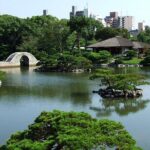
Starting at Hondori Shopping Arcade (and why the orientation is more than a warm-up)
The tour begins at Starbucks Coffee – Hiroshima Hondori, right along the Hondori Shopping Arcade, one of the city’s busiest, most important retail streets. That matters because it gives you immediate context. Before you head into smaller roads, you get a briefing on Hiroshima Prefecture and a short history of Hondori itself.
I like this setup for two reasons. First, it helps you recognize what you’re looking at as you walk—where you are in the city’s layout and why this area matters. Second, it sets an easy tone. You’re not instantly staring at solemn memorial space; you’re seeing how Hiroshima functions day to day, which makes what comes next land harder.
If you’re the type who usually rushes through shopping streets without thinking, this stop changes that. You’ll learn what to notice—how the arcade fits into Hiroshima’s public life—so it feels like information, not just geography.
Ebisu Shrine: prosperity, business culture, and a 400-year thread
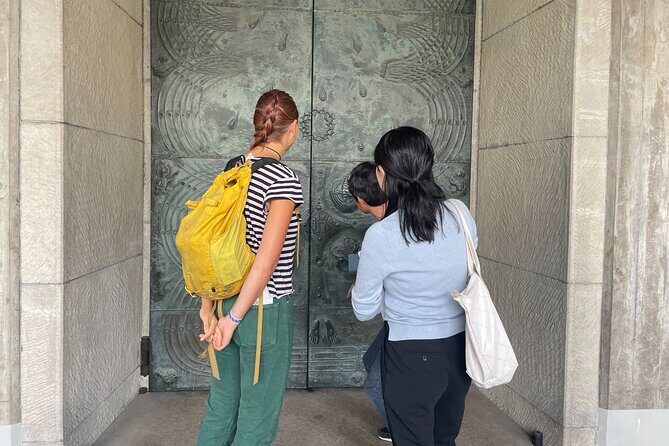
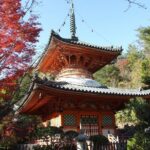
Next is Ebisu Shrine, a place Hiroshima residents have valued for around 400 years. Ebisu is often linked to prosperity, especially for people involved in commerce or business. Even if you don’t know the details of the shrine tradition before you arrive, the guide’s explanation gives you a clear lens.
What I found useful is how this stop reframes “history.” Instead of thinking only about events and dates, you start seeing continuity—how beliefs and local customs kept shaping daily life long after generations changed. It’s a quieter kind of learning, and that calm helps you recover your attention before the peace-related sites.
This is also a good moment for questions. If you’re wondering how shrines work in everyday Japan, this stop gives you a simple starting point without overwhelming you.
The Memorial Cathedral for World Peace: respect, context, and rebuild-era meaning
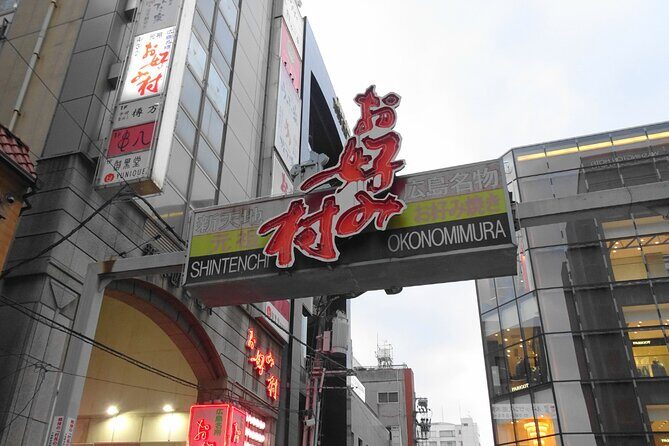
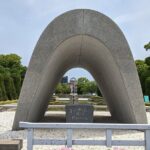
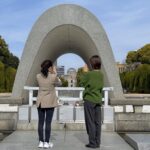
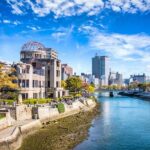
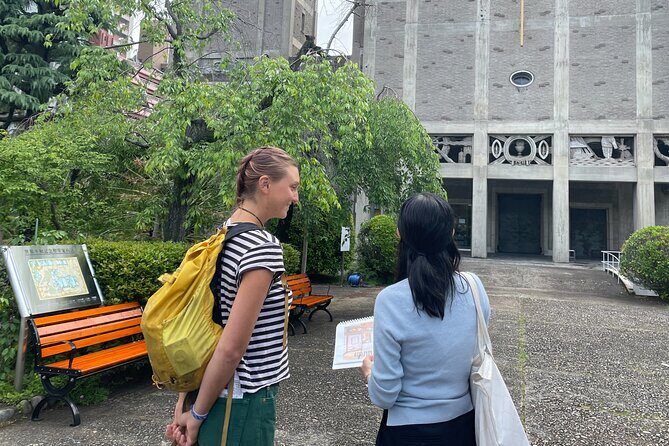
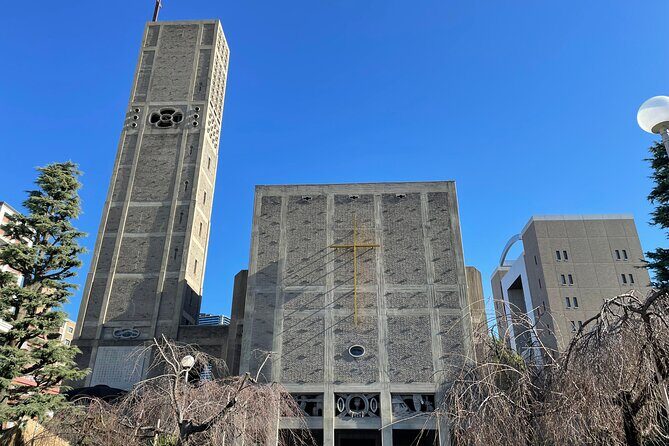
The heart of the tour is Memorial Cathedral for World Peace, supported by the surrounding area tied to the atomic bombing remembrance. The cathedral was built to commemorate the victims and to pray for world peace. It’s described as the first post-war building designated as an Important Cultural Property, which signals both significance and the care Hiroshima has put into preserving meaning.
This stop works well because it’s not just about looking. The guide gives you context so you understand what the building represents, not only what it looks like. And there’s a real connection to upkeep: a portion of the tour proceeds goes toward preserving the cathedral for future generations.
I also appreciated the pacing here. You don’t rush through, and the tour stays respectful. If your goal is to understand Hiroshima’s rebuilding story, this is the moment where the tour stops being “local-life sightseeing” and becomes “local-life with purpose.”
Fukuya Hatchobori Honten: preserved bombing traces in a commercial building
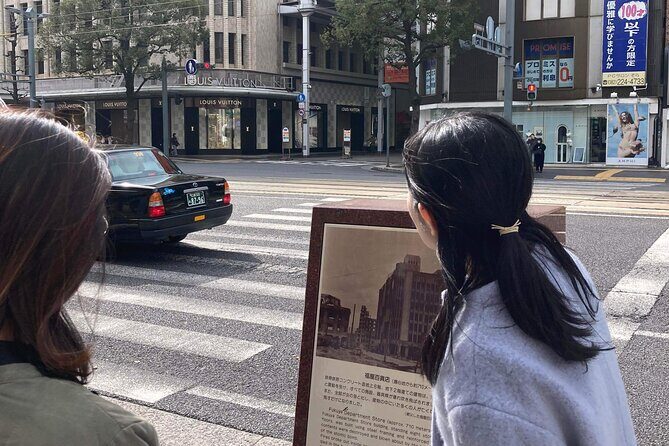
After the cathedral area, the tour continues to Fukuya, Hatchobori Honten. This is a preserved building that continues to be used and is described as a testament to the traces of the atomic bombing.
If you’ve seen memorial museums, you may expect everything to be explained behind glass. This stop offers a different kind of learning. You’re seeing traces within a structure that’s part of ongoing city life, not sealed away from it. That contrast makes the message feel more connected to Hiroshima’s everyday fabric.
One practical tip: take a moment here to slow down and look at the building as a whole, not just at any single detail. The tour is short, so your attention matters. If you’re the kind of person who likes photos, this is also where you’ll naturally want a few—just don’t rush the looking part to get the shot.
You can also read our reviews of more private tours in Hiroshima


Okonomimura: learning Hiroshima okonomiyaki while you walk through the place
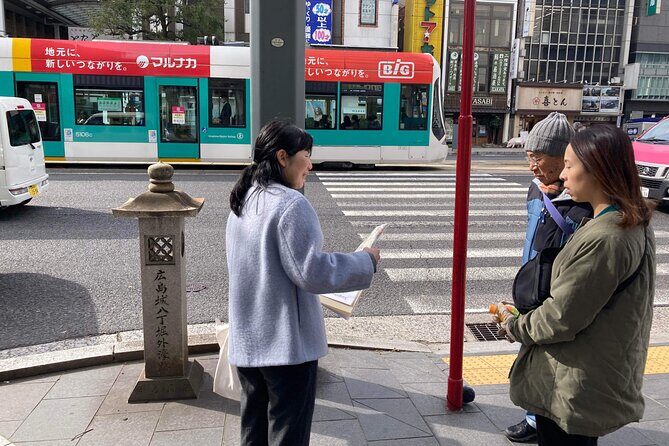
The last major stop is Okonomimura, where you can explore the okonomiyaki stalls. The guide introduces what okonomiyaki is and shares its history, then you can tour inside the building. Even if you already know you’ll like okonomiyaki, this is still a smart stop because you learn the logic behind the dish and how the place is set up.
This is a nice tonal shift. After shrine and peace sites, ending in a food-focused space keeps the tour from feeling like all heaviness and no release. It also gives you something concrete to take into the rest of your trip—when you order okonomiyaki later, you’ll have a stronger sense of what you’re tasting and why Hiroshima is proud of it.
If you’re traveling with kids, this is often the easiest “everyone agrees” part of the walk. It’s interactive, and the setting is lively in a local way.
Local shops, tea stops, and stamp making for a more human Hiroshima
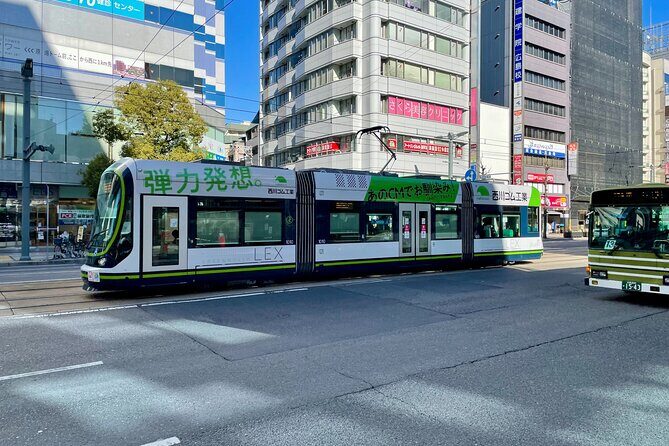
Beyond the big named landmarks, the tour is built to bring you into ordinary neighborhood experiences. The overview highlights stops where you can engage with locals at a traditional tea shop and visit a stamp maker. These kinds of activities are small, but they do a lot of work for your understanding of a city.
Here’s why those stops matter: they show you culture as a process, not a performance. Tea and crafts aren’t just decorative themes—they’re part of how people pass time, exchange ideas, and keep traditions practical. A good guide can explain the meaning quickly, then let you absorb it with your senses while you’re there.
Also, a tea-shop pause helps you manage energy. Two hours is not long, but Hiroshima summer rain or winter chill can still wear you down. A short break keeps the walk comfortable and keeps your attention sharp for the peace sites.
Private guide time with Sachi (and extra explanations from her colleague)
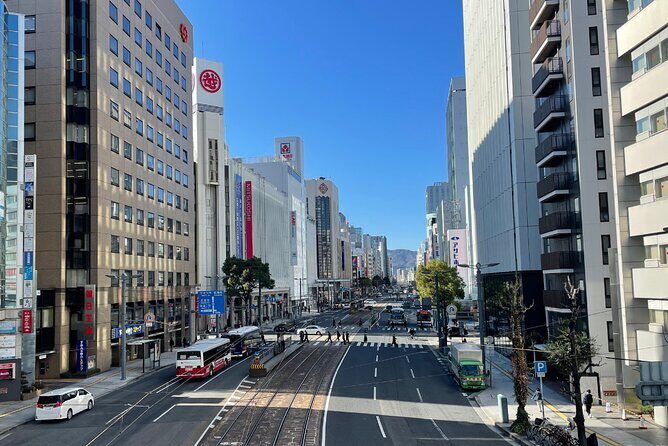
This is a private tour, so only your group participates. That matters more than it sounds. You can ask for clarification at a shrine, get a better explanation at a memorial site, and move at a pace that fits your group.
Sachi is listed as the guide, and in at least some cases, she brings along a colleague for additional depth. One review mentioned her colleague as a former chemistry teacher, which hints at the kind of clear, cross-disciplinary explanations you might get—especially if you’re the type who likes understanding why things are the way they are.
Even when you don’t care about chemistry specifically, that “why” style of teaching can change how you process the atomic bomb-related context on the tour. Instead of only facts, you get reasoning and a clearer sense of perspective.
Price and value: what $65.15 buys you in real experience
Let’s talk value without hand-waving. At $65.15 per person for about 2 hours, you’re paying for:
- A guide fee (this is what’s explicitly included)
- A planned route that includes multiple named stops
- Free admission for the major stops listed in the tour details
- Private time, not a shared crowd experience
- Mobile ticket entry
What you don’t get is a built-in meal, and you don’t get private transportation. That’s fine. This is a walking tour, so it’s priced like one. You’ll usually spend more than that for a shorter, more generic “see the sights” tour in a group without the same interpretive time.
For the money, the biggest value is the interpretation—especially around Memorial Cathedral for World Peace and the nearby building tied to atomic bomb traces. Those moments are where most tours either skim or turn into photo stops. Here, you get help understanding what you’re looking at.
Practical travel notes before you lace up
This experience runs on a set start time: 10:00 am, and it meets at Starbucks Coffee – Hiroshima Hondori. The tour ends back at the meeting point, so you don’t have to plan a second trip across town just to finish.
Because it’s a walking tour, wear shoes you’re comfortable in for a couple of hours. And since the tour requires good weather, keep an eye on conditions that morning. If weather is poor, you’ll be offered a different date or a full refund.
Finally, if you want the most out of the guide, bring your curiosity. Ask about why a prosperity shrine matters in a city like Hiroshima, or what it means that the cathedral is a preserved post-war building. Those are the kinds of questions that turn a short walk into something you’ll remember.
Who this tour suits best (and who might want something else)
This private Hiroshima Local Life Walking Tour is a good fit for:
- Families who want a mix of culture and food at a calm pace
- Couples looking for a more personal, story-driven experience
- Solo travelers who want context without getting lost
It’s also a strong choice if you want peace history without feeling like you’re only bouncing between memorial exhibits. The tour connects that theme with everyday Hiroshima: shopping streets, shrines, local crafts, and the okonomiyaki culture at Okonomimura.
If you’re short on time and only want the absolute top peace monuments, you might feel this tour is “too much variety.” But if you want depth that’s grounded in local life, this format is hard to beat.
Should you book it? My straight take
Book it if you want Hiroshima with context. This tour does a good job pairing everyday places (Hondori, Ebisu Shrine, tea, stamp making, Okonomimura) with the atomic bomb rebuilding story in a way that feels connected, not disconnected.
Skip it if you’re looking for a long, detailed museum-style program. This is short—about 2 hours—so the goal is perspective and guided meaning, not exhaustive coverage.
If you can only do one “extra” tour besides main memorial time, I’d put this near the top of your list. It helps you understand what Hiroshima is like now, not only what happened there.
FAQ
How long is the Hiroshima Local Life Walking Tour (Private)?
It runs for about 2 hours.
Where does the tour start?
The meeting point is Starbucks Coffee – Hiroshima Hondori at 9-1 Hondōri, Naka Ward, Hiroshima.
Is the tour private?
Yes. It’s a private tour/activity, so only your group participates.
What’s included in the price?
The included item listed is the guide fee.
Are admissions free for the stops?
The tour details list free admission for the stops mentioned in the itinerary.
Is lunch included?
No. Lunch is not included.