REVIEW · HIROSHIMA
Hiroshima: Okonomiyaki Cooking Class with a Local Chef
Book on GetYourGuide →Operated by Pinpoint Traveler · Bookable on GetYourGuide
Okonomiyaki turns history into dinner. This Hiroshima cooking class puts you grill-side with a bilingual guide and a professional okonomiyaki chef at a real local restaurant, where you learn the Hiroshima method and build your own pancake. I love the hands-on feel and the fact that you can pick a Hiroshima-style version (meat, seafood, vegetarian, and a gluten-free option by request). One watch-out: one review flagged the restaurant as unclean, so if that’s a big deal for you, keep your expectations realistic and pay attention when you arrive.
If you’re starting near the Atomic Bomb Dome, the experience is also logistically friendly. You meet by the fountain at Peace Memorial Park, then ride Hiroshima’s tram to the restaurant for a short, easy taste of everyday city life. The payoff is practical too: you leave full, with a dish that actually makes sense once you see how it’s built and cooked.
In This Review
- Key Highlights You’ll Remember
- From the Atomic Bomb Dome Fountain to the Griddle
- Why Hiroshima Okonomiyaki Layers Instead of Mixing
- Pick Your Style: Meat, Seafood, Veg, and Gluten-Free
- The Cooking Class Flow: What You Do During Those Hours
- Meeting and context
- The local restaurant setup
- Step-by-step cooking
- One drink included, food accounted for
- Eating it hot and fresh
- Hiroshima’s Food Story: The Meaning Behind the Griddle
- Price and Value: Is $56 Fair for a 2 to 6 Hour Class?
- What to Watch For (A Realistic, Practical Take)
- Tips to Get the Most Out of Your Class
- Who This Is Best For (and Who Might Skip)
- Should You Book Hiroshima Okonomiyaki Cooking Class with a Local Chef?
- FAQ
- Where is the meeting point?
- How long is the okonomiyaki cooking class?
- What does the price include?
- Is the experience small group or private?
- Do I have to cook, or can I watch?
- What kinds of okonomiyaki options are offered?
- Do you ride public transport during the tour?
- Is there an English guide?
- Is the tour wheelchair accessible?
- What is the cancellation policy?
- Is the gluten-free option available for everyone?
Key Highlights You’ll Remember
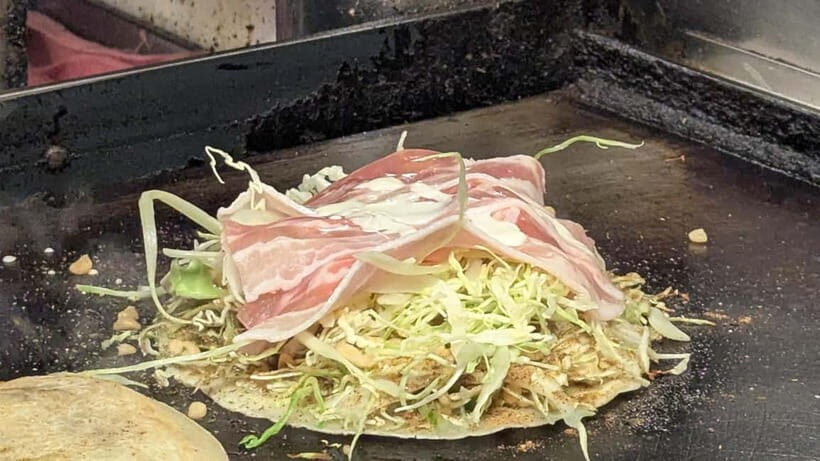
- Grill-side cooking instruction so you can make your own Hiroshima okonomiyaki, not just watch.
- Four menu styles to match your cravings, including a gluten-free option if you request it ahead.
- Layering, not mixing: Hiroshima-style uses a careful stacked method with cabbage, sprouts, noodles, egg, and your choice of filling.
- Short tram ride from Peace Memorial Park that helps you see Hiroshima without doing a big detour.
- A small-group vibe led by Ken (English guide), which keeps the class relaxed and easy to follow.
From the Atomic Bomb Dome Fountain to the Griddle
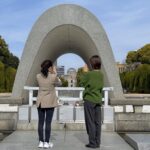
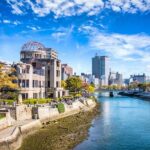
This tour starts in a place you won’t forget quickly: the fountain next to the Atomic Bomb Dome at Peace Memorial Park. Meeting there is smart. It puts you in the right mental zone—Hiroshima isn’t just another food stop. Even before the cooking starts, your guide sets the tone about why okonomiyaki matters locally, not just why it tastes good.
From the meeting point, you take a short ride on Hiroshima’s historic tram system to the okonomiyaki restaurant. I like that the transfer is simple and local. You’re not stuck in a long bus ride to a faraway location. You’re in the city, moving like people actually move around.
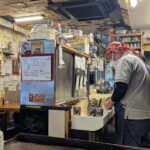
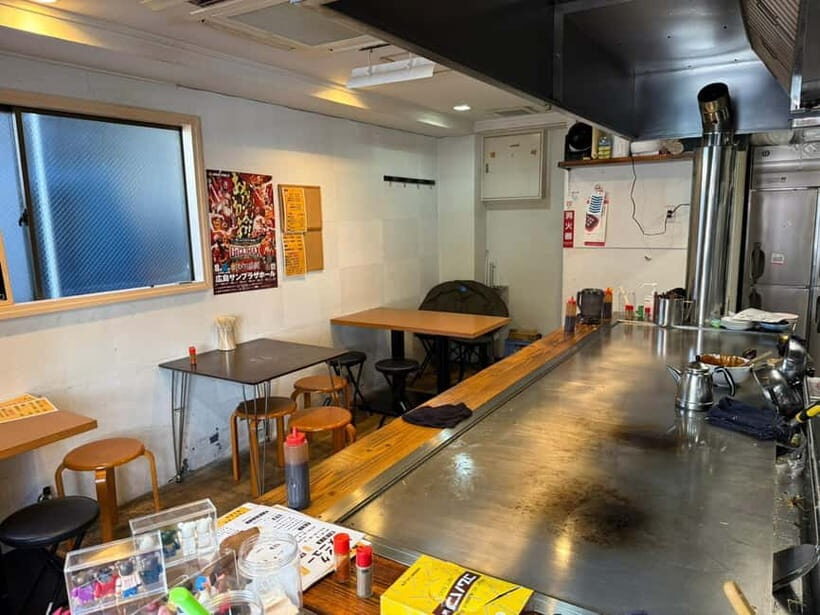
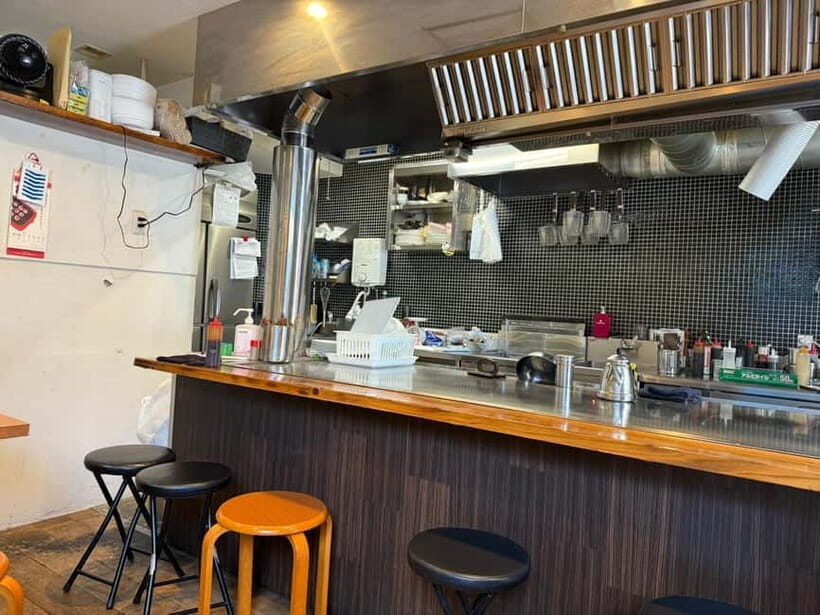
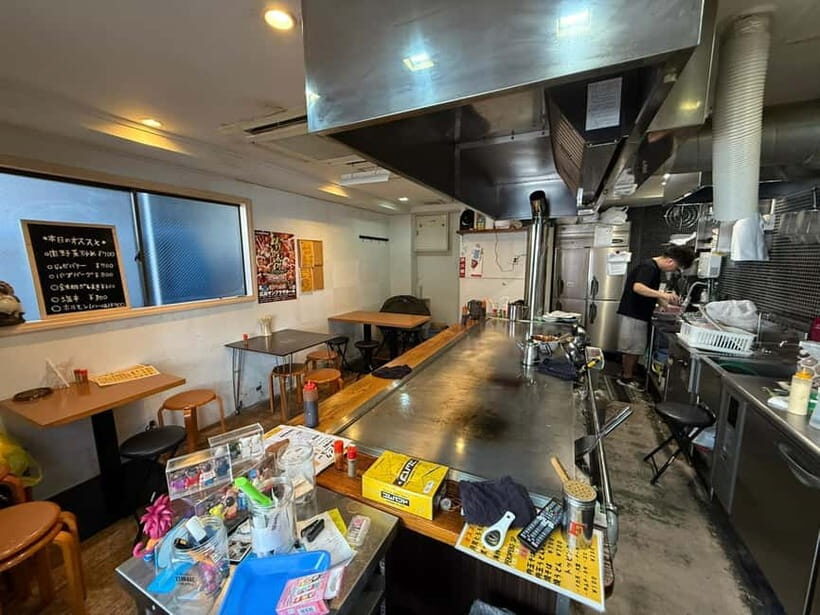
Once you arrive, you settle into the restaurant experience: sit close to the action, with the guide translating and the chef running the show. That matters because okonomiyaki isn’t just ingredients—it’s timing and technique. Watching the griddle work up close helps you understand why Hiroshima’s style can look bigger, thicker, and more engineered than the flat, stirred versions you might have seen elsewhere.
You can also read our reviews of more cooking classes in Hiroshima
Why Hiroshima Okonomiyaki Layers Instead of Mixing
Okonomiyaki has a name that basically says it all: grill it how you like. But Hiroshima and Osaka often get compared like sports teams. Osaka-style is famous for throwing things together more directly. Hiroshima has a different reputation: layering.
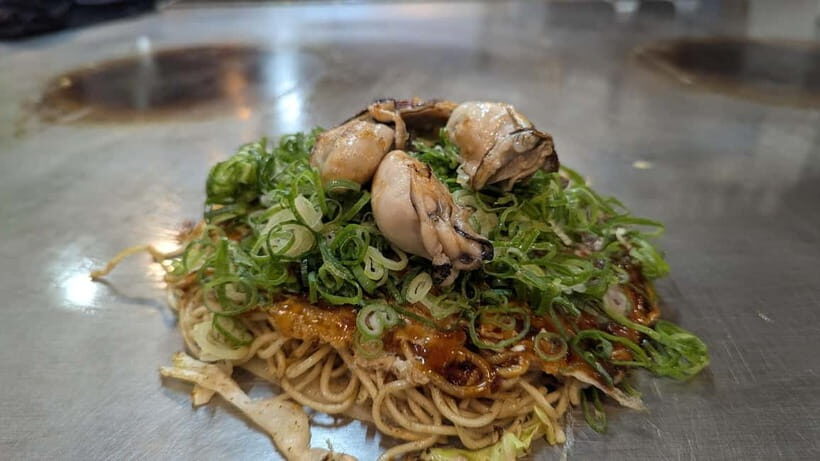
In this class, you learn what that means on the griddle. Hiroshima-style okonomiyaki typically stacks batter with shredded cabbage and bean sprouts, adds noodles when appropriate, then tops it with your chosen filling—meat or seafood—or a vegetarian variation. A fried egg often enters the mix, and the chef’s technique is about cooking each layer so it holds together.
Why this matters for you: if you’ve ever had okonomiyaki that fell apart into a soggy mess, layering is the fix. It also affects taste. With Hiroshima’s method, you get a mix of crispy edges from the griddle contact and softer interior textures from the cooking steam trapped between layers.
The class is structured so you don’t just eat the result. You see how it’s built. That turns the dish from a one-time novelty into something you can recreate later at home with way more confidence.
Pick Your Style: Meat, Seafood, Veg, and Gluten-Free
One of the best value points here is choice. You can select from meat, seafood, vegetarian, and a gluten-free option (available by request). That’s not just menu variety. It changes what you’re learning on the griddle because your toppings and filling behave differently during cooking.
Here’s how to think about it when you decide:
- If you want the most classic experience, choose meat or seafood.
- If you’d rather keep it lighter or want something more plant-forward, the vegetarian option is the way to go.
- If gluten is part of your diet planning, request the gluten-free option so the chef can adjust appropriately. (The tour explicitly states it’s available by request.)
Even if you’re not picky, having options makes the class feel personal. It’s easier to pay attention when you’re cooking something you actually want to eat.
And yes, you’ll also get to hear the cultural angle. Your guide walks you through what okonomiyaki represents in Hiroshima—especially its post-World War II roots when food needed to stretch further. That history is simple, human, and tied to the name meaning grill it how you like, which helps explain why this food refuses to stay rigid.
The Cooking Class Flow: What You Do During Those Hours
The whole experience runs about 2 to 6 hours depending on the session, but the format stays clear and focused.
Meeting and context
You start at Peace Memorial Park by the Atomic Bomb Dome fountain. Then the guide helps you get oriented before you move to the restaurant. In at least one account, Ken also included an impromptu tour of nearby landmarks around Hiroshima. That kind of extra walking isn’t about checking boxes. It helps you connect the food to the city you’re actually standing in.
A few more Hiroshima tours and experiences worth a look

The local restaurant setup
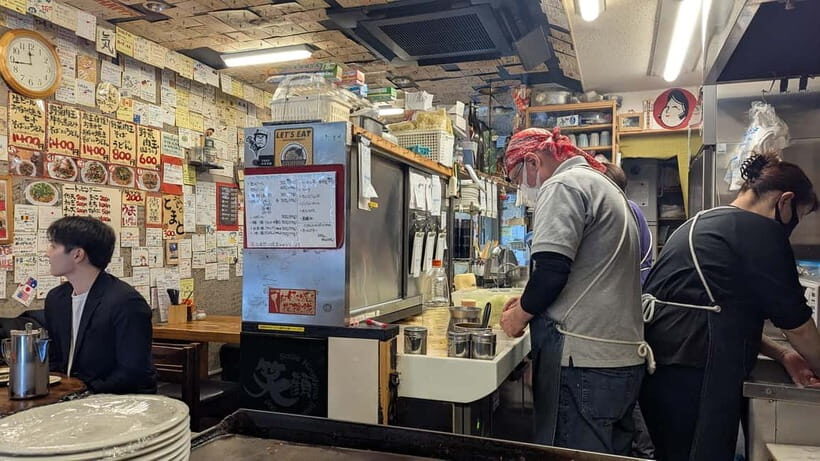
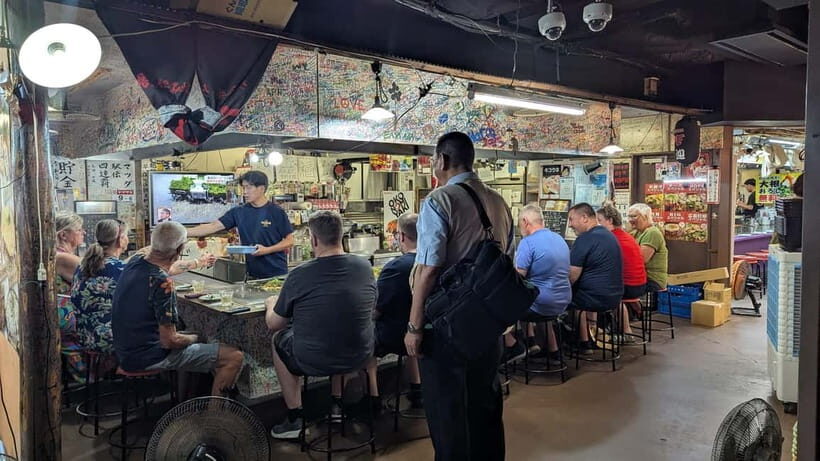
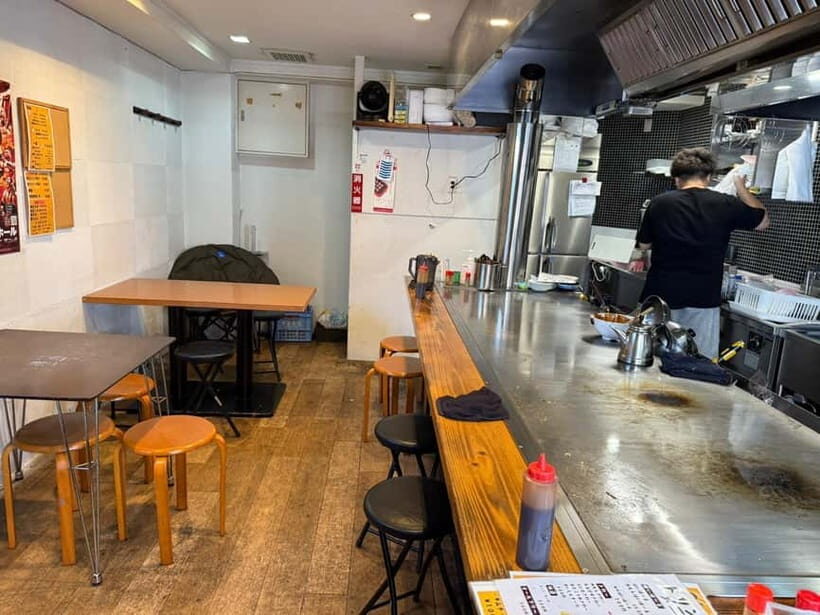
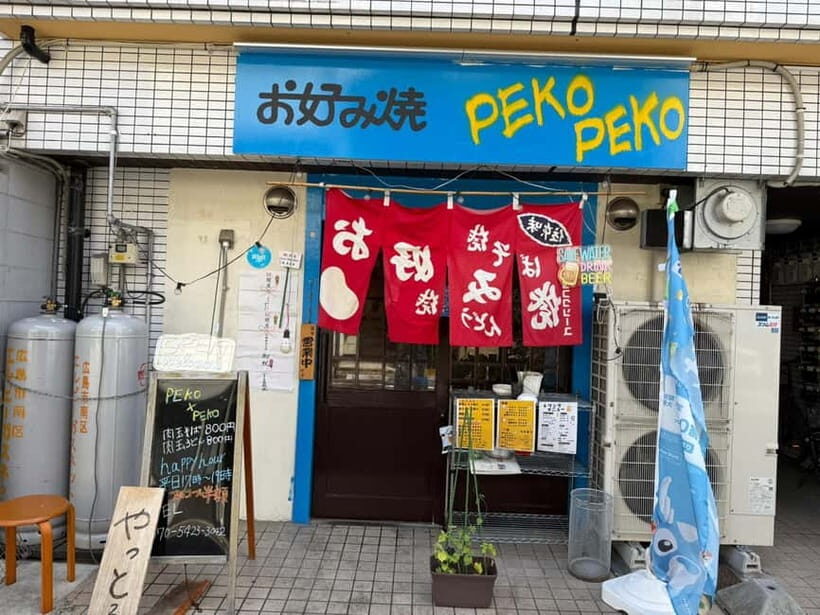
This is described as a small group experience at a local restaurant, not a tourist setup. You’ll be seated grill-side, which means you’re not stuck at a table far away. That proximity makes your questions easier and lets you follow what the chef does with your own pancake.
Step-by-step cooking
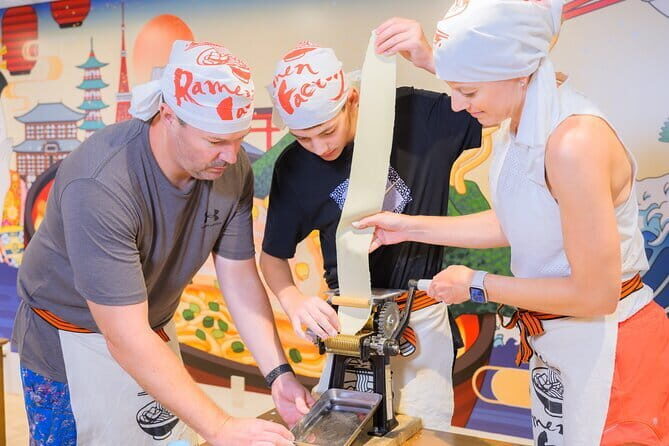
You can choose to cook your own okonomiyaki or simply relax while the chef guides the process. If you want the full experience, cooking is the goal. The chef teaches step by step, and the guide translates everything into English.
In the feedback I saw, the chef’s patience and friendly approach really landed. People liked that instruction wasn’t rushed. It’s exactly what you want when you’re learning a technique that depends on timing and heat.
One drink included, food accounted for
You get one drink included—alcoholic or non-alcoholic. Additional drinks and food are not included, so if you like to linger, plan on ordering extra once you’ve finished your class okonomiyaki.
Eating it hot and fresh
Okonomiyaki is meant to be eaten hot off the griddle. That’s how you’ll get it here. The class format makes sure you’re not eating your pancake 40 minutes after cooking. You’ll taste the real textures: crisp edges, tender interior layers, and the savory glue of egg and batter.
Hiroshima’s Food Story: The Meaning Behind the Griddle
Okonomiyaki didn’t become popular because it was complicated. It became popular because it was flexible and practical. After the war, simple ingredients had to stretch far. The result was a dish that adapted to what was available.
The name grill it how you like is more than a slogan. It’s the reason people argue about it. Even in Hiroshima, there’s pride around how it should be made. That pride shows up in Hiroshima’s layering style and in the way chefs pay attention to the order of ingredients and the cooking method.
In class, you’ll connect that story to what you’re doing with your hands on the griddle. When you’re stacking batter, cabbage, and sprouts, you understand why Hiroshima cooks with care. You’re not just assembling food. You’re building structure so every bite has the right texture.
Price and Value: Is $56 Fair for a 2 to 6 Hour Class?
At $56 per person, this isn’t a grab-and-go snack. It’s closer to a food lesson plus a city experience.
What you’re getting for the price:
- A bilingual guide (English-led)
- A professional okonomiyaki chef
- A hands-on cooking experience where you cook your own dish
- One included drink
- A local tram/train ride within Hiroshima
That’s a lot of “included time” for the money. You’re paying for instruction, chef attention, and the setup that lets you cook near the griddle. You’re also paying for convenience—meeting at a central Peace Memorial area location, then using the tram rather than arranging separate transport.
The only cost you should plan for is extra food or extra drinks. So if you usually snack lightly, you’ll likely stay close to the base price. If you’re the type who wants a second round, add a little buffer.
Also think about value in terms of memory. This is the kind of class where the technique sticks. You’ll leave with an experience you can talk about and recreate, rather than just a meal you forget two days later.
What to Watch For (A Realistic, Practical Take)
This is a hands-on class, so you should be ready for a few realities:
- Expect hands-on cooking. Even if you’re new to Japanese food preparation, the chef’s guidance is step by step. The best results come from following the method closely.
- Small group means you’ll get personal attention. That’s a plus. But it also means the vibe is more “workshop” than “show.” If you want a big performance, this won’t feel that way.
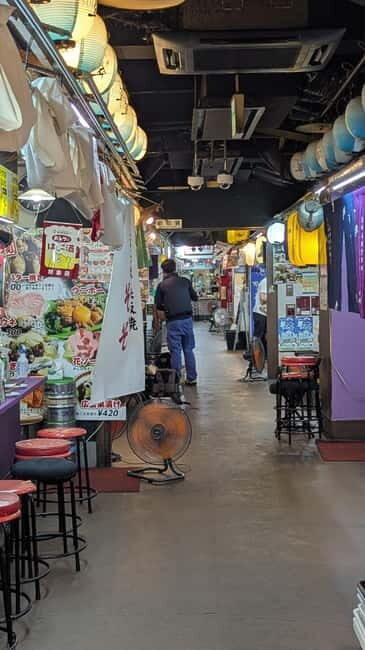
- Cleanliness standards vary by place. One review criticized the restaurant as dirty. That doesn’t mean every session is the same, but it is a fair consideration if cleanliness is a dealbreaker for you. When you arrive, do a quick check and decide what feels comfortable.
Tips to Get the Most Out of Your Class
Here are a few practical moves that help the experience feel smooth and worth it:
- Pick a filling you genuinely want to eat. You’ll be tasting your work, so choose meat, seafood, vegetarian, or gluten-free based on your appetite, not just curiosity.
- Ask questions as you cook. The guide’s job is to translate and explain, so use that time. You’ll understand the technique faster.
- Wear comfy clothes. You’ll be at the griddle side, and cooking can get a little hands-on.
- If you plan to explore after, keep the tram connection in mind. After the main event, your guide can point you to the nearest tram station, or you can walk back toward the river and Peace Memorial Park area if you want the scenic route.
Who This Is Best For (and Who Might Skip)
This class fits you well if you want:
- A genuinely local meal experience in Hiroshima
- Hands-on cooking instruction, not just a passive tasting
- A small group format with an English guide who can explain both technique and cultural background
- A chance to compare Hiroshima-style okonomiyaki with the rest of Japan by seeing the differences firsthand
It might be less ideal if:
- You have a strong sensitivity to restaurant cleanliness and need guaranteed immaculate conditions
- You want a purely historical tour with museum-style pacing (this is first and foremost a cooking class)
Should You Book Hiroshima Okonomiyaki Cooking Class with a Local Chef?
Yes, I’d book it if you like learning by doing and you want a Hiroshima food experience tied to the city’s identity—not just a meal in the middle of your schedule.
The biggest reasons to say yes: the hands-on method, the layering Hiroshima style that you can finally visualize, and the small-group teaching approach led by Ken. The included drink and tram ride sweeten the deal, and the choice of meat, seafood, vegetarian, and gluten-free option makes it work for more diets than a typical class.
Just go with the right expectations. This is a real local restaurant, which means the vibe can be simple and practical rather than polished. If you can accept that and you’re excited to cook, you’ll likely walk away proud of something you made with your own hands.
FAQ
Where is the meeting point?
You meet in front of the fountain next to the Atomic Bomb Dome in the Peace Memorial Park area.
How long is the okonomiyaki cooking class?
The duration is listed as 2 to 6 hours, depending on the session.
What does the price include?
The included items are a bilingual guide, a professional okonomiyaki chef, the cooking experience, one drink (alcoholic or non-alcoholic), hands-on cooking of your own okonomiyaki, and a local train ride within Hiroshima.
Is the experience small group or private?
It’s a small group experience, with private or small groups available.
Do I have to cook, or can I watch?
You can cook your own okonomiyaki with the chef’s guidance, or if you’d rather relax, the tour indicates you can choose to not cook.
What kinds of okonomiyaki options are offered?
You can choose among meat, seafood, and vegetarian options. A gluten-free option is available by request.
Do you ride public transport during the tour?
Yes. You take a local train ride within Hiroshima (by tram).
Is there an English guide?
The tour is live guided in English, with a bilingual guide provided.
Is the tour wheelchair accessible?
Yes, it is listed as wheelchair accessible.
What is the cancellation policy?
You can cancel up to 24 hours in advance for a full refund.
Is the gluten-free option available for everyone?
It’s available by request, so you should make sure you request it when booking.