REVIEW · HIROSHIMA
Hiroshima:Private lacquer workshop experience tour(gift included)
Book on Viator →Operated by 一般社団法人My Japan · Bookable on Viator
Lacquer is slower than it looks. This 2-hour workshop in Hiroshima lets you see the Hiroshima Buddhist altar lacquer roots and learn how award-winning artist Naoya Takayama turns that tradition into tableware you’d actually use. I love that you’re not just watching—you’re doing lacquer painting and hearing how the craft is changing.
The best parts for me are the teaching and the technique: you’ll learn the origins and steps behind urushi lacquer work, plus the roiro wax color approach that Naoya Takayama is known for. One fair consideration: it’s short, so you won’t leave with full mastery of a process that normally takes many careful stages.
You’ll also get real momentum from the setup—small group (up to 6), near public transportation, and you get a gift of works made by the instructor. It ends where it starts in Horikawachō, so you don’t have to plan your day around a complicated return.
In This Review
- Key Things You’ll Notice Right Away
- Meet Naoya Takayama’s Lacquer World in Horikawachō
- What Happens During the 2 Hours (and What You’re Actually Learning)
- Hiroshima Buddhist Altar Lacquer: Why the Origins Matter
- The Ro iro (Wax Color) Technique in Plain Terms
- The Hands-On Lacquer Painting Moment
- The Instructor Lineage: Naoya Takayama and the Kiyoshi Connection
- Small Group Size: Up to 6 People, Not a Crowd
- Getting the Most Value From a $287.41 Workshop
- Where It Ends: Leaving With a Gift and New Perspective
- Who This Workshop Is For (and Who Might Skip It)
- Should You Book This Lacquer Workshop?
- FAQ
- How long is the Hiroshima private lacquer workshop experience?
- Where does the workshop meet, and where does it end?
- Who teaches the workshop?
- How big is the group?
- What will I do during the experience?
- Will I receive a gift?
- Is a mobile ticket used?
- How will I get confirmation after booking?
- Is it near public transportation?
- What is the cancellation policy?
Key Things You’ll Notice Right Away
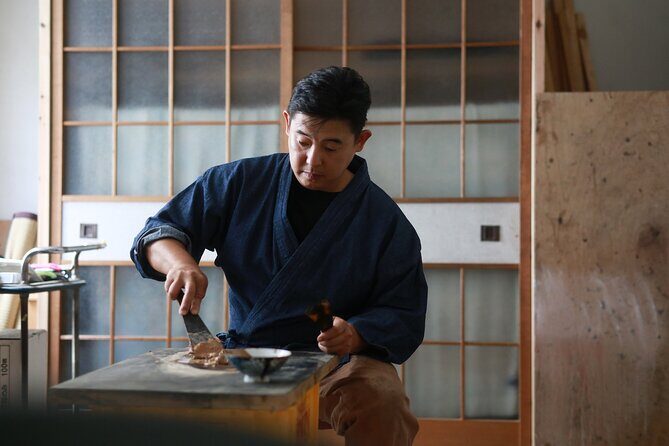
- Led by Naoya Takayama, an award-winning Hiroshima lacquer artist with roiro (wax color) technique
- Buddhist altar origins, explained in plain language and tied to everyday tableware
- Hands-on lacquer painting, not just a demo
- Talk about decline and how to sustain traditional craft
- A gift included, made by the instructor
- Small-group feel with a maximum of 6 people
Meet Naoya Takayama’s Lacquer World in Horikawachō
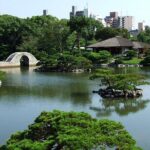
The workshop starts at 2-17 Horikawachō, Naka Ward, Hiroshima (and yes, you go back there to finish). Horikawachō is a practical base—easy to reach, and not the kind of place where you lose half your time figuring out the route.
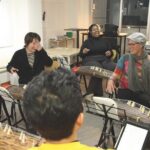
This is run as a small experience, with a maximum of 6 travelers, which matters more than you might think. In a craft setting, you want the room quiet enough to see what’s happening and close enough to ask questions. Here, the pacing feels controlled, like someone planned it for real teaching instead of crowd management.
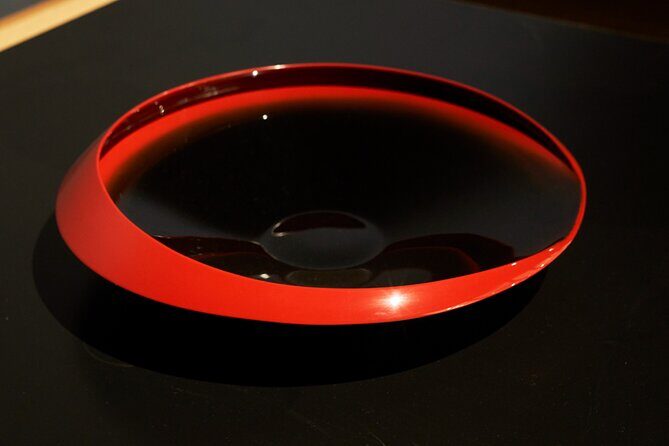
The headliner is Naoya Takayama, trained in Kyoto lacquer techniques and refined through his own approach. His work uses natural materials for lacquerware made for everyday use, and the goal is texture you can feel—not just a shiny finish.
You’ll also get the sense of lineage. The craft connects back to Kiyoshi Takayama, the founder of the company, and the spirit of that tradition is part of what Naoya teaches. That context turns the workshop from a hobby class into something more grounded.
You can also read our reviews of more private tours in Hiroshima


What Happens During the 2 Hours (and What You’re Actually Learning)
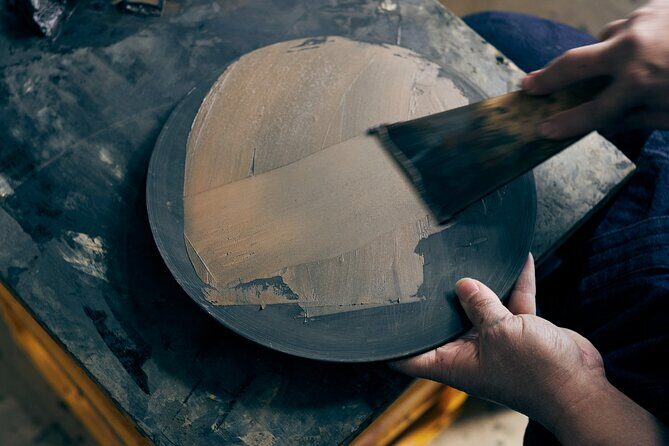
You’re there for about 2 hours, which is a sweet spot for people who want depth without burning an entire day. The flow is built around five core ideas: origins, today’s challenges, technique, hands-on practice, and a takeaway gift.
Here’s the practical meaning of each part:
First, you’ll learn about the origins and techniques behind Hiroshima Buddhist altar lacquer craft. This isn’t presented as museum trivia. It’s framed as the root system for lacquerware—why certain materials and methods exist at all.
Second, Naoya talks about the current state of decline in traditional crafts, techniques, and the ideas for sustaining them. That part can feel surprisingly relevant, even if you’re not a craft person. It turns your curiosity into an actual conversation about responsibility: how does a tradition survive when fewer people choose this kind of work?
Third, you’re introduced to Naoya’s lacquer technique, including the roiro (wax color) element tied to his award-winning style. Even if you don’t know the technical terms yet, you’ll see how the technique supports the look.
Fourth comes the hands-on lacquer painting. This is the part where you stop being an observer and start working like a beginner inside a real process.
Finally, you receive a gift of works made by the instructor. That’s a big deal for value, because you’re leaving with something created during the experience, not just a souvenir leaflet.
Hiroshima Buddhist Altar Lacquer: Why the Origins Matter
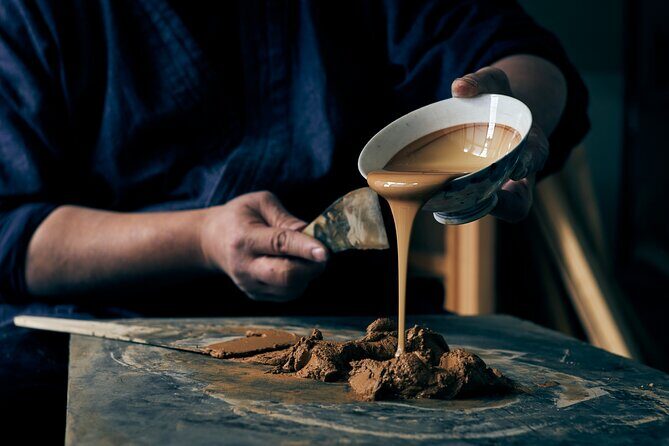
The Hiroshima Buddhist altar connection is the heart of the story. The lacquer craftsmanship developed for altar use wasn’t about decoration first—it was about creating durable, meaningful objects with layered care.
In this workshop, you learn the origins and techniques of that altar craft, and you’re taught to see the logic behind it. Why these materials? Why these steps? Why the slow attention to surface and finish?
What I like about teaching framed this way is that it connects craft to daily life. Naoya’s approach uses lacquer craftsmanship honed at Buddhist altars and applies it to tableware we use every day. That’s the bridge you want to notice: the same traditions that served sacred purposes can also create objects for normal meals.
It also helps you appreciate texture. Lacquer isn’t only visual. The surface work is meant to be touched and experienced in use. You’ll hear how natural materials are used and how that choice supports the refined feel of the final lacquer layer.
If you love cultural context, this is where it clicks. If you only care about technique, it still helps because you understand the why before the how.
The Ro iro (Wax Color) Technique in Plain Terms
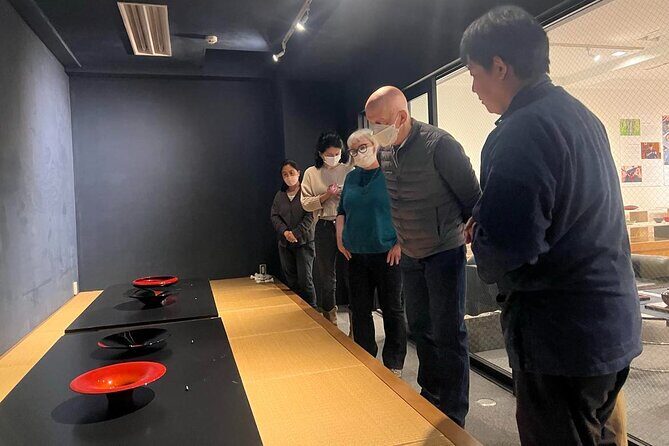
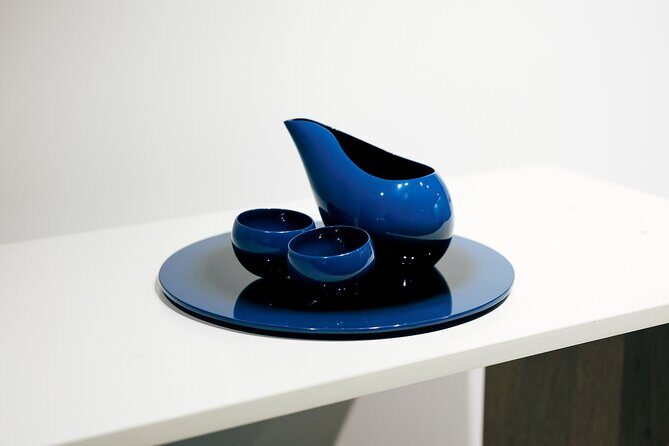
Naoya Takayama incorporates roiro (wax color) to create original pieces, and this workshop introduces you to that idea in a way that won’t make your eyes glaze over.
The practical value here is how it changes your perception. Instead of thinking of lacquer as one uniform process, you start seeing it as a system: materials, timing, and controlled visual effects. The roiro concept is a shortcut to understanding how artists can keep tradition while still creating something new.
You don’t have to be an expert to get it. Watch closely during the teaching portion and you’ll pick up the workflow habits that matter—patience, careful application, and respect for material behavior.
This also ties back to the talk about decline and sustainability. Techniques like roiro don’t survive by being static. They survive because skilled makers keep learning, experimenting responsibly, and teaching others.
If you’re the type who likes to see how a master’s creativity works inside constraints, you’ll probably enjoy this part a lot.
The Hands-On Lacquer Painting Moment
This is the payoff: you’ll have a real chance at lacquer painting. And because the group stays small (up to 6), the experience doesn’t feel like a rushed line where you only get a quick turn.
What you’ll focus on in the hands-on time is technique practice—how to apply lacquer carefully and how to work with the process you’re being shown. This is where the workshop stops being a lecture and becomes a memory you can hold.
In reviews, people repeatedly mention how fascinating it is to watch the artisan work, and how welcoming the studio staff feels. That matters because hands-on craft can be stressful if the room feels strict. Here, the vibe is supportive, and you’re given a chance to try techniques yourself.
For many visitors, this is the first time they realize how much craft depends on attention to small details. Lacquer work isn’t just about making something pretty. It’s about building layered finish through careful handling.
One honest note: because the workshop is only about 2 hours, your piece won’t reflect the full length of professional lacquer creation. Think of it as a guided start—an introduction to a craft you’ll now understand better.
A few more Hiroshima tours and experiences worth a look


The Instructor Lineage: Naoya Takayama and the Kiyoshi Connection
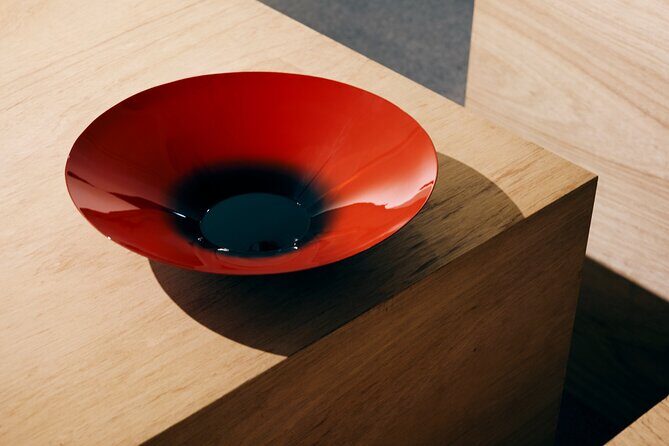
This workshop is led by Naoya Takayama, but the teaching is clearly tied to a lineage. The info emphasizes that Naoya inherited the skills and spirit of Kiyoshi Takayama, the founder of the company.
That matters because it changes what you’re learning. You’re not just learning a set of steps. You’re learning how a craft community passes down knowledge—how technique becomes mindset, and how mindset becomes repeatable skill.
Naoya’s background includes learning traditional lacquer painting in Kyoto, then refining his craft further and incorporating the roiro approach for more original pieces. He’s also described as having received numerous awards, and his works were selected as a gift at the G7 Summit.
You don’t need to be impressed by awards to benefit from the workshop. But awards and high-profile selections explain why his teaching style likely feels structured and careful. It’s the difference between hobby enthusiasm and trained professionalism.
Some reviews also mention a guide named Michi who was praised as kind and professional. If you meet someone like Michi, that’s a good sign the experience will be explained with patience and clear guidance.
Small Group Size: Up to 6 People, Not a Crowd
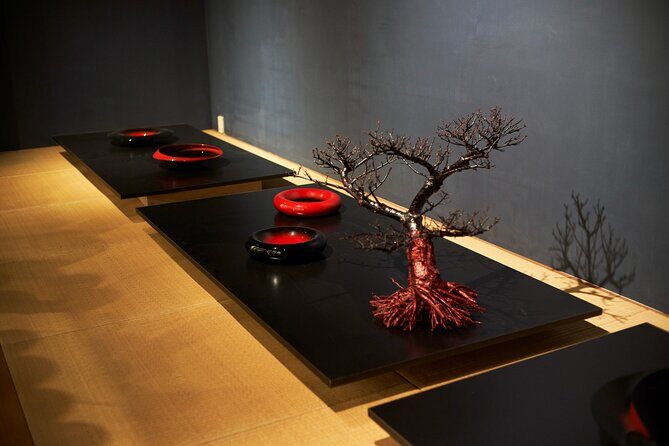
A max group size of 6 travelers is a quiet luxury. In craft workshops, the time needs to be shared with care. You want to see hand movements clearly. You want time to ask questions without feeling rushed.
This size also supports a calmer pace during the explanation of origins and the discussion about decline and sustainability. That topic can be heavy. A small setting helps it land as thoughtful, not awkward.
And if you’re the type who enjoys learning without noise, you’ll likely appreciate the limited crowd. If you’re a solo traveler, this is also a nice balance: you get attention but still experience it in a shared setting.
Getting the Most Value From a $287.41 Workshop
The price is $287.41 per person, with the average booking happening about 39 days in advance. On paper, that might sound steep compared with DIY craft options. But lacquer craft is labor-intensive and material-specific, and this workshop is teaching-level work with a named artist.
Here’s how I’d think about the value:
- You’re paying for instruction from an award-winning lacquer artist with a clear specialty.
- You’re getting hands-on practice rather than passive observation.
- You’re getting a gift of works made by the instructor, which adds tangible value.
- The experience is structured around technique and context—Buddhist altar origins, today’s decline, and sustainability thinking—not just a quick activity.
Also, this is only about 2 hours. That’s important for travelers who want meaningful culture without losing a full day. You can fit it between sightseeing blocks and still feel like you did something substantial.
If you’re comparing to cheaper souvenirs, you’re comparing apples to polished lacquer. This workshop gives you both understanding and a physical takeaway connected to the artist.
If you’re on a strict budget, consider it a splurge worth making once—especially if you like art, craft, or Japanese cultural detail.
Where It Ends: Leaving With a Gift and New Perspective
The tour ends back at the meeting point, which makes your day easier to plan. You’re not stuck half-way across town. After the workshop, you’ll likely walk out with two different kinds of souvenirs.
One is the gift of works made by the instructor. That’s the direct result of your time there, created by the maker.
The other is your new understanding of the craft. You’ll walk away noticing lacquer techniques in other contexts—because you now know the origin story and the idea behind texture and layered finishing. Even if you don’t buy more lacquer later, you’ll recognize quality.
And because the workshop included a discussion of decline and sustaining tradition, you’ll probably look at Japanese craft scenes with more respect. You’ll be able to see the human side of conservation: fewer makers, fewer apprentices, and the effort needed to keep methods alive.
Who This Workshop Is For (and Who Might Skip It)
This is a strong match if you:
- love Japanese art and craft
- want hands-on learning, not just sightseeing
- enjoy hearing how tradition survives through teaching
- like small group experiences with clear instruction
- are interested in lacquer beyond its look—materials, technique, and purpose
You might skip it if:
- you’re only looking for a quick photo stop
- you don’t want any hands-on activity
- you prefer very large group tours with big scenery beats rather than studio time
Should You Book This Lacquer Workshop?
If you care about craft and want an experience that feels like a real classroom with a master, I think you’ll enjoy booking this. The mix is smart: Buddhist altar origins, a discussion about the decline and sustainability of traditional craft, and then a chance at lacquer painting with an award-winning artist.
The value also improves because a gift is included, and the group is capped at 6, so you’re less likely to feel like a spectator. Yes, it’s not cheap, but lacquer work is specialized and this is teaching-focused, not a one-off demo.
Book it if you can fit 2 hours into your Hiroshima plan and you want something more meaningful than another photo opportunity.
FAQ
How long is the Hiroshima private lacquer workshop experience?
It’s approximately 2 hours.
Where does the workshop meet, and where does it end?
It starts at 2-17 Horikawachō, Naka Ward, Hiroshima, 730-0033, Japan and ends back at the meeting point.
Who teaches the workshop?
The instructor is Naoya Takayama.
How big is the group?
The workshop has a maximum of 6 travelers.
What will I do during the experience?
You’ll learn about the origins and techniques of Hiroshima Buddhist altar lacquer craft, hear about the decline of traditional crafts and ideas for sustaining them, learn about Naoya Takayama’s lacquer technique, and get to try lacquer painting.
Will I receive a gift?
Yes. You receive a gift of works made by the instructor.
Is a mobile ticket used?
Yes, the tour features a mobile ticket.
How will I get confirmation after booking?
You will receive confirmation at the time of booking.
Is it near public transportation?
Yes, it is near public transportation.
What is the cancellation policy?
You can cancel for a full refund if you cancel at least 24 hours before the experience’s start time. If you cancel less than 24 hours before, the amount paid is not refunded.