REVIEW · HIROSHIMA
Calligraphy Workshop at Traditional Folk Craft Shop in Hiroshima
Book on Viator →Operated by 平和都市広島で書道体験 · Bookable on Viator
A brush can change your day fast. This 45-minute calligraphy workshop in Hiroshima slows things down, right in the middle of the city’s craft scene. You’ll get step-by-step guidance from Sensai Ryosei and use handmade brushes from Kumano to write your own characters. One thing to consider: it’s on the 5th floor of Sanmall Mall, so you’ll want to factor in stairs or elevator time if you’re traveling with mobility limits.
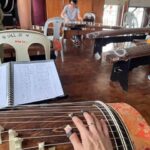
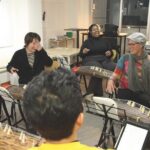
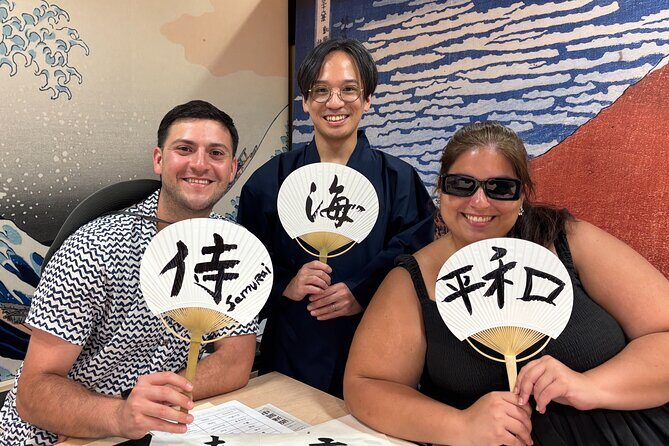
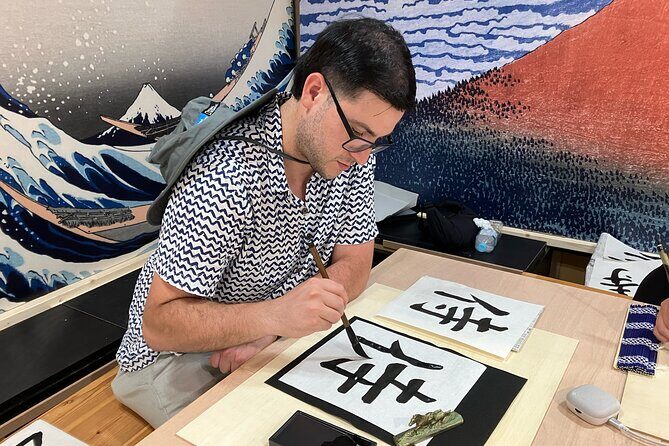
What makes it special is the setting. The workshop happens at “Takumi,” a folk craft shop known for traditional items from across Japan, with a wall decorated in ukiyo-e prints that makes the whole room feel like an art pause. You’ll practice basic strokes (dots, lines, sweeps), try hiragana and kanji, then choose your own final word to write on a hand fan (uchiwa) or a shikishi board.
In This Review
- Quick highlights you’ll actually use
- Entering Takumi near the Atomic Bomb Dome (and finding it fast)
- What happens in the 45-minute calligraphy session
- Tools that matter: Kumano brushes, ink, and why your strokes improve
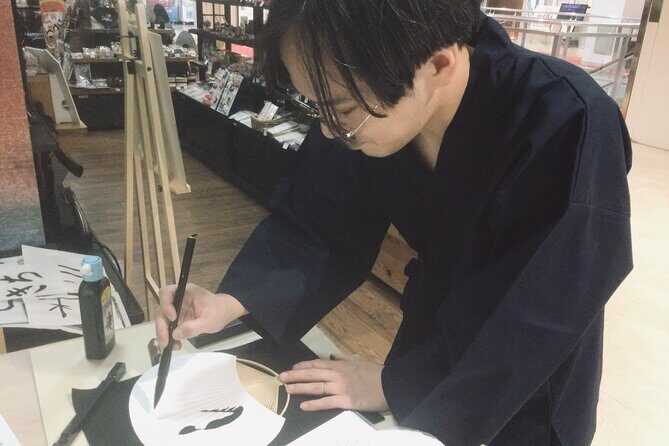
- Writing on an uchiwa fan or shikishi board
- The Takumi setting: ukiyo-e on the wall and a calmer pace
- Photos during your session: a small service with big payoff
- Price and value: is $32.81 worth it?
- Who this workshop suits best (and who might want to skip)
- Should you book? My practical take
- FAQ
- How long is the calligraphy workshop?
- What can I make during the session?
- Are beginners welcome?
- Do I need to bring my own tools or materials?
- Where is the workshop located?
- Is there a photo option?
- Is this activity private?
- What is the cancellation policy?
Quick highlights you’ll actually use
- Takumi’s 50-year-old craft-shop atmosphere with ukiyo-e artwork on the wall
- Kumano-made brushes and proper ink-and-paper handling for a real feel
- Beginner-friendly teaching from Sensai Ryosei with calm, patient technique
- Make a take-home souvenir: your own calligraphy on an uchiwa fan or shikishi board
- Free optional photo service during your session, sent to you digitally afterward
Entering Takumi near the Atomic Bomb Dome (and finding it fast)
The meeting point is at Bonkogei Takumi, 2-chōme-2-18 Kamiyachō in Naka Ward. It’s one of those locations that’s easy to plug into your day because it sits close to major sights: about a 5-minute walk from the Atomic Bomb Dome and roughly 3 minutes from Hiroden Hondori Station.
Here’s the practical detail that helps: the workshop takes place on the 5th floor of Sanmall Mall (with UNIQLO on the 2nd floor). So if you’re the kind of person who hates wandering, get to the mall first, then take the elevator or stairs up. The mobile ticket helps you move through the day without fuss.
If you’re doing Hiroshima as a mix of serious and creative time, this location is a good bridge. You’re close enough to big history to stay oriented, but the shop itself is quiet and focused—more craft room than museum hall.
A few more Hiroshima tours and experiences worth a look
What happens in the 45-minute calligraphy session
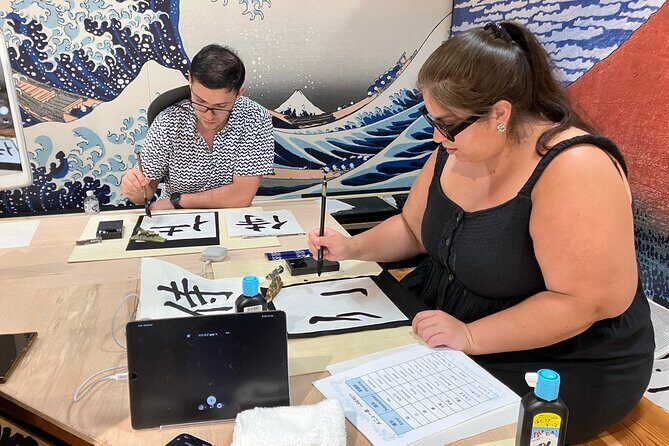
This class runs about 45 minutes. It’s long enough to feel like you progressed, but short enough that it won’t eat your entire afternoon.
You start with an introduction to tools: brush, ink, and paper (all provided). Then your instructor walks you through basic strokes like dots, lines, and sweeps. This part matters because calligraphy looks simple until you try holding the brush the “right” way. The guidance turns that first awkward moment into something you can fix quickly.
Next comes practice writing. You’ll try hiragana and kanji. Even if your Japanese is rusty, you’re not being tested. You’re building muscle memory for how thick-and-thin ink happens as you move the brush.
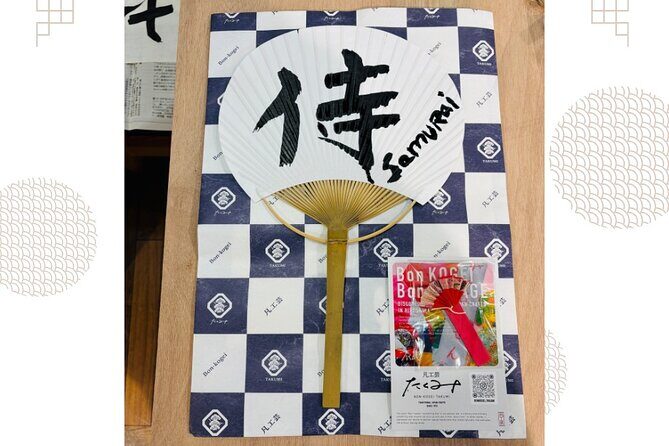
Finally, you create your own artwork with a word of your choice on either:
- a traditional Japanese hand fan (uchiwa), or
- a calligraphy board (shikishi).
You’ll leave with the finished piece, so you’re not just doing exercises for the sake of exercises.
Tools that matter: Kumano brushes, ink, and why your strokes improve
The workshop uses handmade brushes from Kumano, Hiroshima’s top brush-making town. That’s not trivia. Brush quality changes the feel in your hand and the way ink flows and dries.
In calligraphy, you’re controlling more than letters. You control pressure, speed, and angle. With the right brush, you get feedback: thicker ink where you press more, lighter marks where you lift or move faster. When you’re learning, that feedback helps you correct mistakes without feeling like you need to memorize rules.
You also get a calm rhythm from the tools-and-technique combo. The instructor’s pacing turns the session into something close to meditation. One review highlighted how easy the workshop felt thanks to Sensai Ryosei’s patient, calm teaching style. That kind of instruction matters because beginners often worry they’ll ruin the paper. Here, you’re guided through the process in a way that keeps you moving forward.
Writing on an uchiwa fan or shikishi board
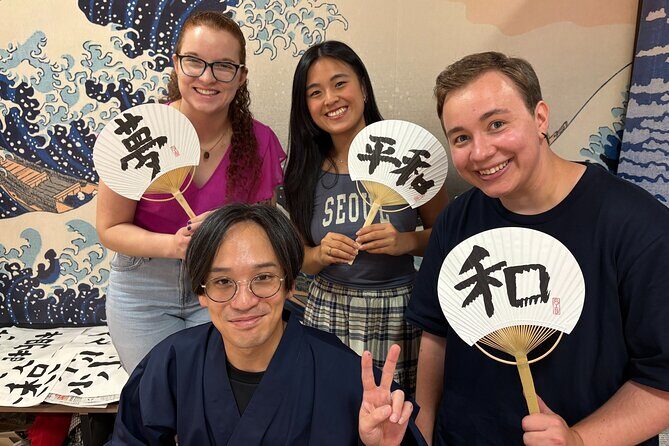
At the end, you choose what you’ll write on: an uchiwa fan or a shikishi board. This choice is more than a souvenir option. It changes how the final piece looks, and it affects how you plan your calligraphy style.
- If you pick the fan, your calligraphy becomes something you can imagine using in daily life. It’s portable and charming because it’s not a framed wall-only object.
- If you pick the shikishi, you get a classic calligraphy-board presentation. It feels more like a formal artwork you can keep on display.
Either way, you choose the word you want to write. That’s a small detail that makes the souvenir personal. It also gives you a reason to pay attention during practice—because you’re building toward a final result you care about.
When you’re taking photos, this final step is the one you’ll want to slow down for. Let the instructor know if you want an angle that shows the brush texture and ink variation.
The Takumi setting: ukiyo-e on the wall and a calmer pace
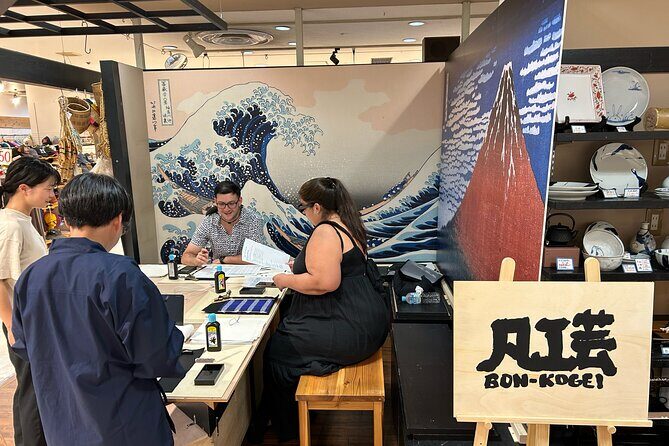
The workshop takes place in Takumi, a folk craft shop with a very visual artistic atmosphere. One wall is decorated with ukiyo-e prints, which gives you a backdrop that feels cultured without feeling staged.
This matters because calligraphy is tactile. You’ll be looking at ink flow, paper texture, and your brush path. A space like this keeps your attention where it should be—on your movement and the artwork forming in real time.
Also, Takumi is described as Hiroshima’s leading craft shop offering traditional items from across Japan. You’re not just renting a classroom. You’re stepping into a craft store with history and character, which makes the workshop feel grounded rather than like a quick tourist stop.

Photos during your session: a small service with big payoff
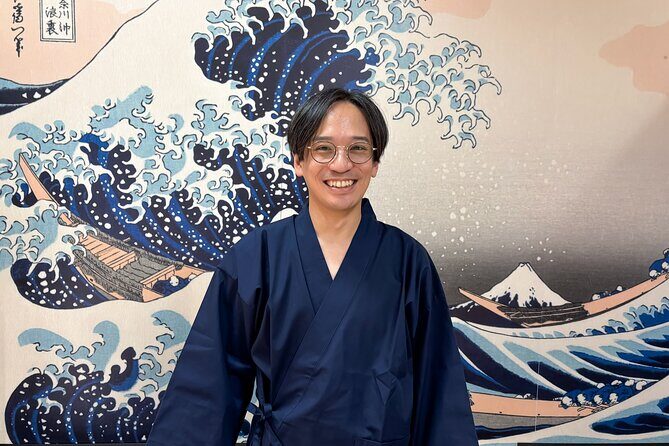
There’s an optional photo service. The shop can take photos during the workshop and send them to you digitally afterward, free of charge.
This is a smart add-on because calligraphy is hard to capture well if you’re holding your phone while writing. Your best photos usually happen when you’re not multitasking. The photo service makes it easier to remember the process—especially the moment you go from practice strokes to your final piece.
Price and value: is $32.81 worth it?
At $32.81 per person, this workshop is priced like a mid-range cultural activity. The value comes from what’s included, not just the time.
You get:
- all calligraphy tools (brush, ink, paper, etc.)
- an original calligraphy souvenir (your finished fan)
- a venue usage fee
You’re not paying extra for materials, and you’re leaving with something tangible. That’s the biggest reason I’d consider it good value for Hiroshima. A lot of experiences charge similarly but only provide instruction, then you don’t get an artifact to keep.
Also, the location is convenient. If you’re already sightseeing near the Atomic Bomb Dome and Hondori area, the short walk helps you get more out of your day without spending on transportation or long detours. (Parking fees and private transportation aren’t included, but public transit access is nearby.)
The duration is about 45 minutes, which is perfect if you want a meaningful activity that still leaves you time to explore elsewhere.
Who this workshop suits best (and who might want to skip)
This calligraphy session is a great fit if you:
- want a low-pressure cultural experience you can finish in under an hour
- enjoy Japanese crafts and want something hands-on
- travel with a mix of interests and need one activity that’s calm and creative
- like the idea of a souvenir that’s actually made by you
It’s also a strong choice for first-timers. The structure is clear: tools introduction, basic strokes, practice with hiragana/kanji, then a final artwork on a fan or shikishi board.
You might hesitate if you strongly prefer full-day activities or you’re sensitive about being on the 5th floor of a mall. The workshop itself is short and focused, so you won’t get a long, slow cultural lecture. You’re here to write, learn the basics, and leave with a finished piece.
Should you book? My practical take
If you want one short, calming workshop that gives you both skill and a take-home souvenir, I’d book this. The combination of Sensai Ryosei’s patient teaching, quality tools, and a creative end product makes it feel worth the money.
Book it if:
- you want a beginner-friendly art session
- you like craft-shop atmospheres with ukiyo-e style artwork
- you’d enjoy writing a word that feels personal
- you want photos to remember the experience without juggling your phone
Consider skipping if:
- you need a multi-hour deep lesson
- you don’t like mall floors or mobility-based logistics
- you’re looking for a purely historical tour (this is hands-on craft time)
Either way, this workshop is the kind of activity that balances Hiroshima’s emotional weight with something quiet and human. You’ll walk out with ink on your hands (maybe) and a souvenir that isn’t generic.
FAQ
How long is the calligraphy workshop?
It runs for about 45 minutes.
What can I make during the session?
You’ll create Japanese calligraphy on either a traditional hand fan (uchiwa) or a shikishi calligraphy board, using a word of your choice.
Are beginners welcome?
Yes. The workshop is designed for first-timers and includes step-by-step guidance, including basic strokes and practice with hiragana and kanji.
Do I need to bring my own tools or materials?
No. All calligraphy tools are provided, so you just bring yourself.
Where is the workshop located?
It’s at Bonkogei Takumi (Takumi), on the 5th floor of Sanmall Mall. It’s also near the Atomic Bomb Dome and Hiroden Hondori Station.
Is there a photo option?
Yes. There is an optional photo service. Photos can be taken during the session and sent to you digitally afterward for free.
Is this activity private?
Yes. It’s a private tour or activity, so only your group participates.
What is the cancellation policy?
You can cancel for a full refund up to 24 hours before the experience starts. If you cancel less than 24 hours before, the amount paid is not refunded.