REVIEW · HIROSHIMA
Home Made Onigiri and Matcha Cooking Class in Hiroshima
Book on Viator →Operated by Home Made Onigiri and Matcha Cooking Class · Bookable on Viator
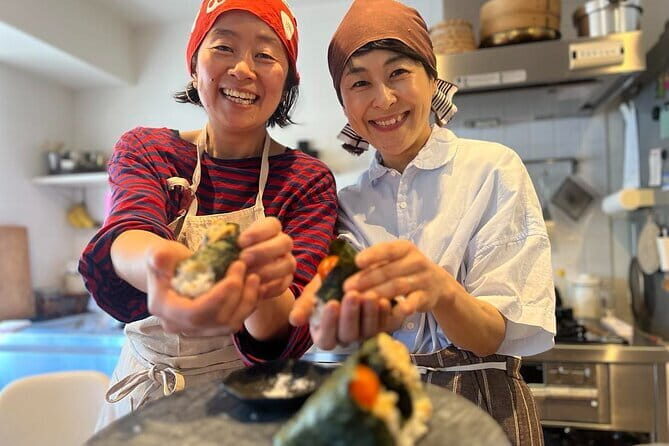
Rice balls in the morning beat aimless wandering. This small onigiri and matcha cooking class lets you make Japan’s iconic comfort food right near Hiroshima’s Peace Memorial Park, then finish with miso soup and a matcha dessert while talking with English-speaking Hiroshima mothers like Midori and Weiko.
I like that it’s hands-on from the start: you shape rice balls with warm rice, learn the manners behind a simple tea moment, and get a recipe you can actually repeat at home. I also love the human side—there’s room for conversation, and you’re not just cranking through a checklist.
One consideration: it’s a tight 1 hour 30 minutes, so if you want a long food crawl or extra tasting stops, you may feel a bit rushed. Also, bottled water and coffee/tea aren’t included, so plan a quick top-up before or after.
In This Review
- Key things to know before you go
- Where this class fits in your Hiroshima day
- The heart of the experience: onigiri, explained and made
- The onigiri flavors you’ll make
- What you’re really learning (beyond recipes)
- Miso soup and the chawan bowl: a small bowl, big comfort
- Why this part is valuable
- Matcha, wagashi, and sadō manners you can use at home
- The fun angle
- Conversations with Hiroshima locals: the “why it feels special” part
- Location strategy: Peace Park before or after your cooking class
- Price and value: what $81.65 buys you here
- Logistics that matter (without turning into a headache)
- Who should book this class
- Should you book the Home Made Onigiri and Matcha Class?
- FAQ
- How long is the onigiri and matcha cooking class?
- What’s included in the price?
- Is pickup offered, and where do I meet the group?
- How close is this to Hiroshima’s Peace Memorial Park and the Atomic Bomb Dome?
- What onigiri flavors do you learn to make?
- Is alcohol served, and are drinks like coffee or bottled water included?
Key things to know before you go
- Small group size (max 6): more time with your hosts and better pacing.
- Peace Park location: you can pair this with sightseeing right after lunch.
- Two onigiri flavors included: tuna mayonnaise and shrimp tempura, with optional add-ons by request.
- Miso soup in a chawan bowl: you learn the “how,” not just the “what.”
- Matcha + wagashi dessert: learn tea manners (sadō) with what you make.
- Family-friendly setup: toys are available, and kids are welcomed.
Where this class fits in your Hiroshima day
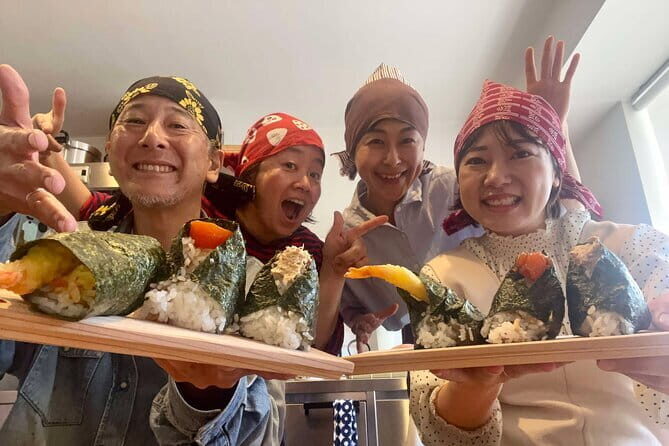
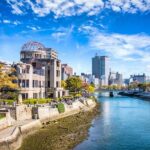
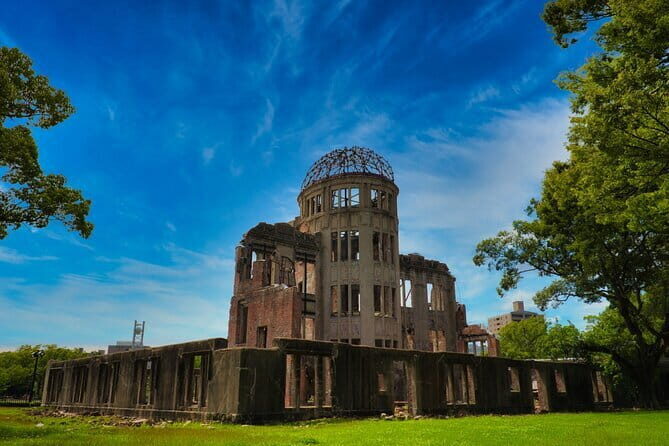
This is a morning plan that makes sense. You start at 10:30 am at Guitar Top (1-chōme-1-3 Sakaimachi, Naka Ward). If you choose pickup, Midori-style hotel collection is part of how they run it—then you head to the Sheba Cafe area near Peace Park (about a 6-minute walk from the Peace Museum). The Atomic Bomb Dome is also close—around a 5-minute walk, depending on the exact drop-off.
The timing is key. By the time the class ends, you’ve got a proper meal (onigiri, miso soup, matcha, wagashi). That means you can eat early, enjoy a calm lunch, and still have the afternoon free for Hiroshima’s major sights without feeling like you’re squeezing everything into dinner time.
The class runs about 1 hour 30 minutes. It’s short enough to be practical, but long enough to teach real technique—rice handling, filling distribution, and how to keep things neat while you work.
You can also read our reviews of more cooking classes in Hiroshima
The heart of the experience: onigiri, explained and made
Onigiri gets treated like a quick snack in some places, but here you get the context. You learn that onigiri has a longer story than sushi, and the activity is designed around that idea: you’re not just assembling food—you’re practicing a traditional rice-ball rhythm.
You’ll likely start with the basic feeling of it: holding freshly cooked rice while it’s hot. Rice is the star, and the technique matters because it determines everything else—shape, structure, and how the filling stays centered. The hosts explain methods in a way that works for different ages, so it doesn’t feel like a class only for people who already know Japanese cooking.
The onigiri flavors you’ll make
This workshop includes two onigiri types:
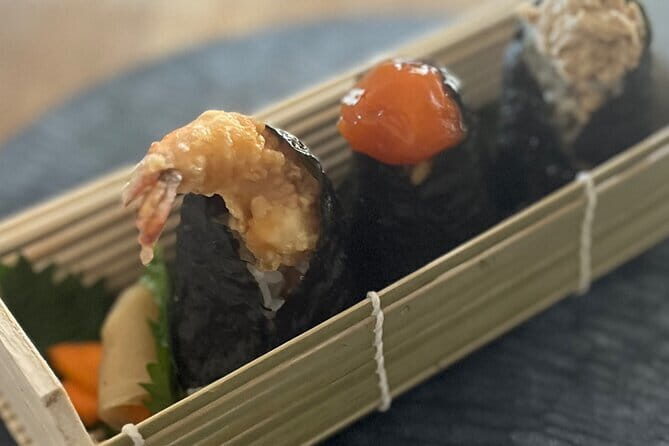
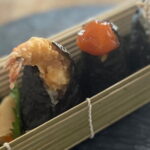
- Tuna mayonnaise
- Shrimp tempura
Those choices are approachable and also very “Japanese lunch” in spirit—savory, satisfying, and not weirdly experimental. You get the pleasure of shaping two different styles of rice balls without turning the class into a long menu audition.
There’s also an option by request:
- Fresh egg yolk placed using a special method (ask at reservation)
If you’re thinking about dietary needs, tell the team up front about allergies. They specifically ask you to mention allergies in advance, and they also note that vegetarian and vegan menus are being prepared. So if you’re traveling with restrictions, this is one of the better formats to ask about ahead of time rather than hoping for the best on the day.
What you’re really learning (beyond recipes)
The big win for me is that the onigiri isn’t taught like magic. It’s taught like craft. You’ll see how rice temperature affects handling, how fillings influence bite, and why people take the time to make the shape feel right in their hands.
And yes, it’s fun—because you’re doing it with others, guided by hosts who speak English and who have lived overseas. That combo helps a lot. You can ask questions like a normal human, not like you’re decoding a script.
Miso soup and the chawan bowl: a small bowl, big comfort
After shaping onigiri, you move into miso soup. You’ll make it using a chawan bowl (a style of bowl used for tea-related serving), which gives the experience a gentle cultural “extra.” It’s not just about eating; it’s about learning how utensils and habits connect.
Miso soup also comes with a practical note: the soup can include shellfish. That matters if you have allergies or avoid certain ingredients. The safe move is to tell them your needs in advance so they can confirm what goes into your bowl.
A few more Hiroshima tours and experiences worth a look

Why this part is valuable
A cooking class that ends with rice balls can feel incomplete. Adding soup changes the meal from snack to something you’d actually serve as a proper home lunch. It also teaches you a second Japanese core flavor: fermented miso depth, balanced warmth, and the comfort factor that makes onigiri feel like more than convenience food.
Matcha, wagashi, and sadō manners you can use at home
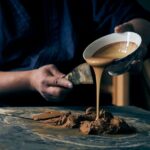
The dessert part is one of the most memorable elements, mainly because it’s practical. You’ll make matcha tea and enjoy it with Japanese sweets (wagashi). Then you learn simple manners connected to tea ceremony (sadō).
You don’t have to be a tea expert to get this. Think of it as learning the respectful rhythms behind a familiar ritual—how you hold yourself, how you serve, and how to slow down for a minute during a busy day.
The fun angle
Matcha can be intimidating if you’ve only had the sweet, bottled versions. Here, it’s part of the meal you made, which makes it easier to taste and understand. And wagashi adds that old-school Japanese pairing idea: the sweetness and texture aren’t random; they’re designed to make the bitterness of matcha feel balanced and pleasant.
The hosts also mention that if you have a cafe au lait bowl at home, they’ll share recipes you can make after you return. It’s a small detail, but it signals the intention: you’ll leave with something usable, not just photos.
Conversations with Hiroshima locals: the “why it feels special” part
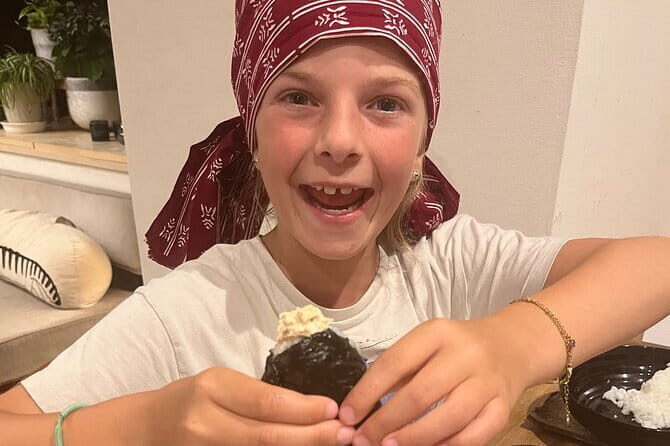
Food experiences often fall into two traps: either they’re all performance with no real talk, or they’re so quiet you don’t know what you’re doing.
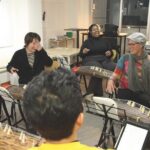
This class avoids both. The format is designed for conversation while you cook. You’re making onigiri with mothers who speak English and have lived overseas, which helps you ask real questions about ingredients, daily life, and local preferences. If you like authentic cultural connection, this is one of those experiences where the meal becomes the excuse to meet people.
The class also includes a kid-friendly setup. There’s an area with toys, and children are welcomed. In practice, that means families can participate without the entire experience turning into chaos.
Location strategy: Peace Park before or after your cooking class
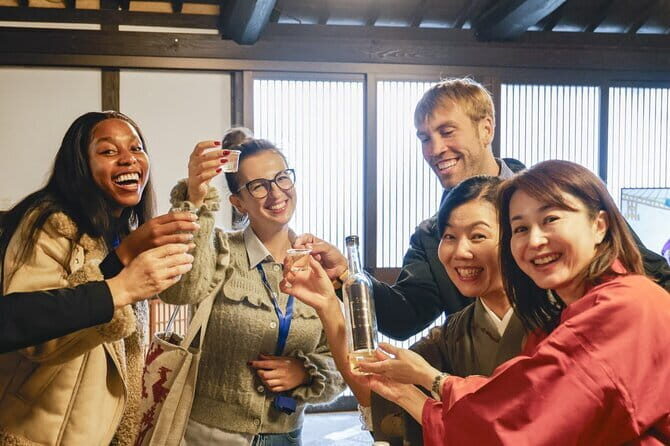
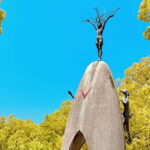
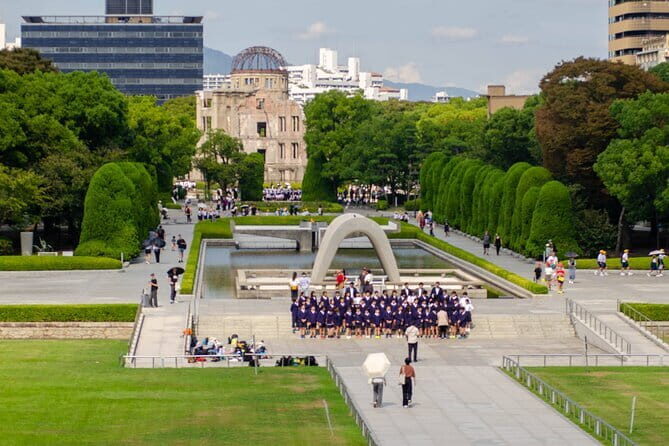
You’re placed right by some of Hiroshima’s most important sights. The Peace Museum is close, and the Atomic Bomb Dome is a short walk away. That means you can plan the day without over-transporting yourself.
For example, you can think of the morning as your “soft start.” Cook, eat, and recharge. Then later, when you walk around Peace Memorial Park, you’ll have the energy to be present—rather than hungry and rushed. That balance matters in Hiroshima, where you’ll likely want quiet attention as well as sightseeing.
Also, you avoid the common problem of food tours: long transit time. Here, the cooking place is positioned so you can connect your meal with your memory of the city.
Price and value: what $81.65 buys you here
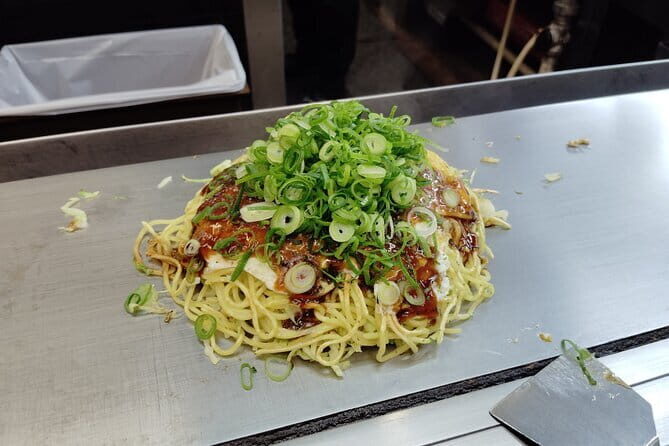
At $81.65 per person, this isn’t the cheapest thing you can do in Hiroshima. But you’re not paying just for ingredients. You’re paying for:
- a guided, English-friendly cooking experience with real instruction
- a meal included (two onigiri, miso soup, matcha, wagashi)
- a small group format (max 6)
- optional pickup service
- a cultural activity element (tea manners)
In other words, you’re essentially buying a hosted lunch plus a skill lesson. With cooking classes, the price often swings based on how individualized the teaching is. Here, the small size is the practical value driver. It’s easier to ask questions, correct technique, and enjoy the conversation without feeling like you’re watching a demonstration from the back row.
If your budget allows one “hands-on culture” activity in Hiroshima, this is a strong candidate—especially because it conveniently pairs with Peace Park sightseeing afterward.
Logistics that matter (without turning into a headache)
This runs on public transportation proximity and returns to the meeting point at the end, so you’re not stuck in an awkward location after lunch. Pickup is offered, which helps if you’d rather not navigate the streets near downtown on your own.
The class itself is about 1 hour 30 minutes, so wear comfortable shoes. You’ll be standing and moving a bit, and you’ll likely be handling hot rice and bowls. It’s simple, but it’s still active cooking.
One small note: bottled water isn’t included, and coffee/tea isn’t included either. If you’re sensitive to dehydration while walking around Peace Park, grab water right before you start—or plan to buy it after.
Who should book this class
This is ideal if:
- you want a hands-on cultural activity near Peace Park
- you like learning techniques you can repeat at home
- you’re traveling solo and want conversation in a small setting
- you’re traveling as a family, since kids are welcomed and there’s toy space
- you enjoy tea and Japanese sweets, even if you’re new to matcha
It might be less ideal if:
- you want a long, multi-stop food experience
- you need lots of dietary accommodations and didn’t mention allergies in advance
- you prefer tasting-heavy tours over cooking
Should you book the Home Made Onigiri and Matcha Class?
If you’re in Hiroshima and you’d like one morning to feel both practical and personal, I’d book it. The location makes it easy, the class structure keeps it fun, and the included meal is substantial enough that you won’t need a big lunch plan later.
The strongest reason to choose this over a generic food tour is the mix of real cooking + local conversation + tea ritual. You leave with skills (onigiri shape and miso soup rhythm), a simple tea manners lesson, and a meal you made with guidance—inside a small group where you can actually talk.
If you do have allergies, contact them early. And if you hate short classes, think of this as a focused cultural reset before your Peace Park afternoon.
FAQ
How long is the onigiri and matcha cooking class?
It lasts about 1 hour 30 minutes.
What’s included in the price?
The class includes lunch with two types of onigiri, miso soup, matcha, and wagashi, plus gratuities. There is also a restroom available on board.
Is pickup offered, and where do I meet the group?
Pickup is offered. The start meeting point is Guitar Top, 1-chōme-1-3 Sakaimachi, Naka Ward, Hiroshima. The tour starts at 10:30 am and ends back at the meeting point.
How close is this to Hiroshima’s Peace Memorial Park and the Atomic Bomb Dome?
It’s near the Peace Park area and about a 5-minute walk from the Atomic Bomb Dome. The Peace Museum is about a 6-minute walk from Sheba Cafe.
What onigiri flavors do you learn to make?
The included onigiri types are tuna mayonnaise and shrimp tempura. Fresh egg yolk is available as an optional request when you make your reservation.
Is alcohol served, and are drinks like coffee or bottled water included?
No alcohol is served. Bottled water is not included, and coffee and/or tea are not included either.