REVIEW · HIROSHIMA
History of Hiroshima: Small Group Night Walking Tour
Book on GetYourGuide →Operated by GhaniExplorer · Bookable on GetYourGuide
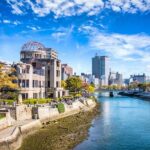
Night makes Hiroshima feel close. This small-group night walking tour guides you through the Peace Memorial Park after dark, when the mood turns quieter and the stories land harder. You’ll also see the Atomic Bomb Dome glowing against the night sky, with an expert-led pace that doesn’t rush the meaning.
I especially love the tour’s time efficiency. In just two hours, you hit the key memorials and viewpoints without feeling like you’re speed-walking through grief. The guide, led by a PhD scholar in English (and guided by people such as Ghani or Sheraz on past groups), keeps the history connected and answers questions clearly.
The main consideration: since it’s only a 2-hour loop at night, you’ll get a short, guided look at the Peace Memorial Museum. If you want to read and linger, it’s smart to plan extra museum time during the day too.
In This Review
- Key reasons this night walk works
- Night in Hiroshima Peace Memorial Park: Why the timing matters
- Meeting at Gates of Peace and the small-group advantage (max 10)
- Stop-by-stop route: what you’ll see and why each moment matters
- Gates of Peace: starting with intention (about 20 minutes)
- Prayer Fountain: a small symbol with heavy meaning (about 10 minutes)
- Hiroshima Peace Memorial Museum: quick access, not long reading (about 10 minutes)
- Hiroshima Victims Memorial Cenotaph: names and remembrance in front of you (about 10 minutes)
- Flame of Peace: a living message (about 10 minutes)
- Hiroshima National Peace Memorial: connecting personal memory to a global message (about 10 minutes)
- Children’s Peace Monument: where the grief becomes specific (about 10 minutes)
- Korean Atomic Bomb Victims Cenotaph: broadening who is remembered (about 10 minutes)
- Aioi Bridge: a key viewing point for the story (about 10 minutes)
- Atomic Bomb Dome: the glowing icon you’ll remember (about 10 minutes)
- One more guided stop, then the finish at the Hypocenter (about 10 minutes + arrival)
- What you’ll learn: the tour’s focus on connections, not trivia
- Price and value: $28 for 2 hours that actually work
- Practical tips: what to bring and how to prepare for a night walk
- Accessibility and group comfort
- Who should book this tour, and who might prefer a different plan
- Should you book the Hiroshima Small Group Night Walking Tour?
- FAQ
- How long is the Hiroshima Peace Memorial Park night walking tour?
- How much does the tour cost?
- Where do I meet the group?
- What language is the tour guide speaking?
- Is it a small group?
- Is the tour wheelchair accessible?
- What should I bring?
Key reasons this night walk works
- A calmer Peace Memorial Park after dark, so monuments feel more personal than busy
- A PhD scholar-led format in English that focuses on why events happened, not just what you see
- Iconic nighttime views, including the Atomic Bomb Dome and the Flame of Peace
- A small group capped at 10, which makes questions actually practical
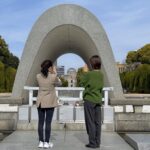
- A tight route (about 2 hours) that still covers the major memorial points
- Good pacing for a difficult topic, even when the subject matter is heavy
Night in Hiroshima Peace Memorial Park: Why the timing matters
A lot of people plan Hiroshima as a daytime checklist. This tour flips that logic, and I get it. At night, the Peace Memorial Park slows down in your mind. You’re still in the same place, but the city noise fades, and you can focus on the names, the symbols, and the physical space those memories occupy.
That quiet matters because the tour isn’t just sightseeing. It’s built to help you understand how Hiroshima’s story moves from destruction toward peace. The guided explanation connects the dots across the park, instead of leaving you to guess what each monument is trying to say.
And you get a rare visual: the Atomic Bomb Dome glowing against the dark. Daylight is fine. Night changes the feeling, and it’s easier to remember the Dome as a single, emotional image rather than a background landmark.
You can also read our reviews of more walking tours in Hiroshima
Meeting at Gates of Peace and the small-group advantage (max 10)
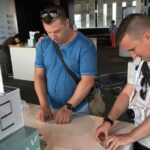
You meet at the Gates of Peace, in front of an Italian restaurant. That’s a simple landmark, and once you’re there, the tour’s structure is clear: short guided moments, quick shifts to the next point, then time to reflect as you move.
The group size is capped at 10 participants, which is a big deal here. When you’re standing by memorials, you don’t want a guide shouting over a crowd. You want space for context, and you want the chance to ask follow-up questions without feeling like you’re holding up strangers.
You also get an English live guide. That helps for two reasons. First, the explanations stay fluent and paced. Second, you can ask the kind of questions that pop up when you see names and symbols at night—questions that don’t feel silly, because the guide expects them.
Stop-by-stop route: what you’ll see and why each moment matters
This tour follows a clear arc across the Peace Memorial Park. The times are short at each stop, but the guide is there to make each piece fit into the bigger story. Here’s how the walk typically flows and what to watch for.
Gates of Peace: starting with intention (about 20 minutes)
You begin at the Gates of Peace, and that first section sets the tone. It’s not a random start point. The tour frames the park as a place where history is presented with purpose, not just displayed.
Take a moment before you move on. Even if you know the basics, that pause helps you absorb the later stops. You’ll notice the guide keeps referring back to themes like loss, memory, and peace—so the first stop works like the anchor.
Prayer Fountain: a small symbol with heavy meaning (about 10 minutes)
Next is the Prayer Fountain. In a place like this, even smaller elements feel loaded. The guide uses these symbols to help you connect what you’re seeing with what people wanted to preserve afterward.
A practical tip: at night, water sounds and lighting cues can be easy to miss if you’re trying to take photos nonstop. Look once, then listen and read what you can.
You can also read our reviews of more historical tours in Hiroshima

Hiroshima Peace Memorial Museum: quick access, not long reading (about 10 minutes)
You’ll visit the Hiroshima Peace Memorial Museum for a short guided segment. This is valuable because the park can be overwhelming. The museum stop gives you a foundation so the memorial points don’t feel like separate monuments with no story thread.
Just know the tradeoff. It’s a night tour with limited time, so you won’t have hours to walk through exhibits at your own pace. One very practical lesson from the experience is that if you want more museum reading, schedule a daytime visit too.
Hiroshima Victims Memorial Cenotaph: names and remembrance in front of you (about 10 minutes)
Then you reach the Hiroshima Victims Memorial Cenotaph. This is one of those places where the guide’s job is crucial. Without context, you might see the structure and miss the emotional function.
With the guided explanation, you learn what the cenotaph represents within the larger journey from destruction to peace. You also get a chance to slow down and let your thoughts catch up before moving on.
Flame of Peace: a living message (about 10 minutes)
The Flame of Peace stop is timed for viewing, not just passing by. At night, that flame is one of the most direct symbols you’ll encounter. It’s harder to treat it like background when it’s literally glowing in front of you.
I like that the guide keeps you thinking beyond the image. The goal isn’t just to photograph a landmark. It’s to understand why a flame belongs in a memorial park and what kind of hope it’s meant to carry.
Hiroshima National Peace Memorial: connecting personal memory to a global message (about 10 minutes)
Next is the Hiroshima National Peace Memorial. This part expands the lens from individual loss toward a wider message about peace. The tour’s structure keeps the meaning connected, so you don’t feel like you’re switching topics every few minutes.
If you’re the type who likes context—who wonders how a local tragedy became an international symbol—you’ll appreciate this stop. It’s one of the places where the guide’s explanations help you see the park as a narrative.
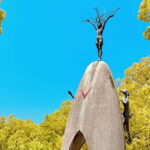
Children’s Peace Monument: where the grief becomes specific (about 10 minutes)
You’ll also see the Children’s Peace Monument. This is the moment where the theme can feel especially direct. Even with a short visit, the guided framing helps you avoid turning away emotionally.
At night, kids’ memorials can hit harder because the lighting focuses your attention. If you plan to visit with others, this is a good stop to share a moment quietly instead of rushing to the next photo.
Korean Atomic Bomb Victims Cenotaph: broadening who is remembered (about 10 minutes)
The Korean Atomic Bomb Victims Cenotaph is an important stop on this route. It broadens the story beyond a single national perspective. The tour helps you recognize that victims include people with different backgrounds, and that remembrance can be wider than you first assume.
This stop is also where you’ll benefit most from small-group pacing. You don’t have to stand under stress while a crowd keeps moving. You can take in the information and ask questions.
Aioi Bridge: a key viewing point for the story (about 10 minutes)
At Aioi Bridge, the guide brings you to a viewpoint that helps you understand the physical layout of the area. Bridges and waterways aren’t just scenery here. They’re part of how people remember where events unfolded.
In practice, you’ll want to watch your footing and keep your camera steady if it’s damp. Night air can be chilly, and you’ll be walking a lot.
Atomic Bomb Dome: the glowing icon you’ll remember (about 10 minutes)
Then comes the highlight for many people: the Atomic Bomb Dome. The tour builds to this moment, and at night it feels less like a monument on a postcard and more like a symbol in real time.
The guide’s explanation helps you see the Dome as a message that survived, not just a building that remained standing. Even if you know the story already, the nighttime setting makes it feel newly immediate.
One more guided stop, then the finish at the Hypocenter (about 10 minutes + arrival)
There’s one additional short guided stop (listed as another 10-minute segment) before you finish. Then you end at the Hiroshima Atomic Bomb Hypocenter Monument.
Finishing at the Hypocenter is a smart narrative choice. It brings the walk back to a specific point tied to the event. By the end, you’re not only looking at memorials—you’re connecting them to where the story is anchored.
What you’ll learn: the tour’s focus on connections, not trivia
This experience is designed to connect themes across the park: Hiroshima’s history, why the city was chosen as a target, and how it rose from destruction to become a global symbol of peace. You’re not just collecting sights. You’re building a mental map of meaning.
I like that the guide explains what Hiroshima was like before the atomic bombing too. That matters because it prevents the city from becoming only a single-event location. When you understand what came before, the later memorials don’t feel like abstract concepts. They feel like references to real lives and daily routines.
You also get the chance to ask questions freely in the small-group format. That’s not just convenient. It’s how you make the information stick. When you can clarify something on the spot, you stop guessing and start understanding.
Price and value: $28 for 2 hours that actually work
At $28 per person for a 2-hour guided walk, this isn’t an expensive add-on. It’s also not a vague cultural stroll. You’re paying for a guide who can explain the story behind the memorials and keep the pacing tight enough to cover major points in one evening.
Here’s the value logic I’d use if you’re comparing options:
- If you want the Atomic Bomb Dome and the key memorials with context, a guided route saves time and confusion.
- If you only wanted photos, you could walk the park on your own. But you’d miss the connected history that helps you interpret what you’re seeing.
- Since it’s at night and limited to a small group, the “time with the guide” factor matters more than you’d think.
So yes, $28 is reasonable. But the bigger value is that you’ll likely leave with a clearer story, not just a list of landmarks.
Practical tips: what to bring and how to prepare for a night walk
Because it’s a night tour, you’ll want to dress for the weather and plan for walking. The tour specifically suggests bringing an umbrella. Comfortable shoes are also non-negotiable, since you’re covering multiple stops in a short window.
If you’re someone who likes quiet reflection, bring the right mindset too. Even with a good guide, this is a heavy topic. The tour’s pacing and short stops help, but you still need a little emotional bandwidth.
One more practical idea: if the museum matters a lot to you, consider going earlier in the day for longer reading. The night tour museum visit is short, and that’s the tradeoff for fitting everything into two hours.
Accessibility and group comfort
This tour is listed as wheelchair accessible. You’ll still be walking outdoors, but it’s designed to be manageable for different needs.
The small-group size also improves comfort. With fewer people, you can keep a consistent pace and you’re less likely to get separated from the group during transitions between stops.
Who should book this tour, and who might prefer a different plan
Book this if you want:
- A guided way to see the Peace Memorial Park in one compact evening
- A small-group experience where you can ask questions
- The nighttime view of the Atomic Bomb Dome with context
- A quick framework for understanding Hiroshima’s journey to peace
I’d consider a different plan if you’re the type who needs long museum time. This tour gives a guided overview. It’s not designed to replace a full, self-paced museum visit.
Also, if you prefer daytime light for reading and photos, you can do that too. But for many people, the night atmosphere is the point.
Should you book the Hiroshima Small Group Night Walking Tour?
I think you should book it if you want the memorial park to feel like a story with clear connections. The route hits the major points you’ll remember: Prayer Fountain, the museum segment, the cenotaph, the Flame of Peace, the children’s and Korean victims monuments, Aioi Bridge, and then the Dome and Hypocenter to close.
It’s priced fairly for a guided, small-group night experience. And if you want deeper museum time, pair this with a daytime visit. Do that, and you’ll get both: context at night and space to read and linger in the museum when you’re ready.
FAQ
How long is the Hiroshima Peace Memorial Park night walking tour?
It lasts 2 hours.
How much does the tour cost?
The price is $28 per person.
Where do I meet the group?
You meet at the Gates of Peace, in front of an Italian restaurant.
What language is the tour guide speaking?
The tour is in English.
Is it a small group?
Yes. The group is limited to 10 participants.
Is the tour wheelchair accessible?
Yes, it is listed as wheelchair accessible.
What should I bring?
Bring an umbrella and wear comfortable shoes for walking at night.