REVIEW · HIROSHIMA
Hiroshima’s Heart: A 4-Hour Private Storytelling Walk
Book on Viator →Operated by Alex · Bookable on Viator
Hiroshima hits hardest with context. This 4-hour private walk turns major sights into lived meaning, with local guide Alex, who’s lived in the city for over 20 years. I love the story-first pacing that keeps you from feeling like you’re just checking boxes.
I also like the flexible start. You can begin at Shukkeien Garden for a calm opener or at Peace Memorial Park if you want to start with the emotional center. The relaxed rhythm also makes it easier to ask questions without anyone rushing you.
One thing to plan for: admissions aren’t included for Shukkeien Garden and the Peace Memorial Museum, so your total cost can rise a bit. And yes, it’s a walking tour—so comfortable shoes matter.
In This Review
- Key highlights you’ll actually feel
- Picking Your Starting Point: Shukkeien Garden or Peace Memorial Park
- Shukkeien Garden: A Gentle Warm-Up Before the Memorial
- Hiroshima Castle Grounds: Seeing the Pre-1945 City Logic
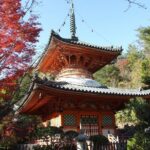
- Hiroshima Gokoku Shrine: Ritual Life Beyond the Headlines
- Peace Memorial Park: The “Peace Line” Walk That Actually Makes Sense
- Peace Memorial Museum: When You Want the Extra Clarity
- How the Private Format Changes Everything (Especially for Families)
- Price and Value: What You Pay For in a Private Hiroshima Walk
- Practical Tips to Get the Most From the Walk
- Who This Tour Fits Best
- Should You Book Hiroshima’s Heart?
- FAQ
- How long is the Hiroshima Heart private storytelling walk?
- How much does the tour cost?
- What’s included in the tour price?
- Are admission tickets included for Shukkeien Garden and the Peace Memorial Museum?
- Where do we meet and where does the tour end?
- Is pickup offered?
- What’s the cancellation deadline for a full refund?
Key highlights you’ll actually feel
- Private 4-hour walk for up to 6 people, with an English-speaking local guide (Alex)
- Two starting options: Shukkeien Garden or Peace Memorial Park, based on what fits your mood
- A calm, reflective pace with time for questions and thinking, not a sprint
- Context before 1945 via Hiroshima Castle grounds and Gokoku Shrine
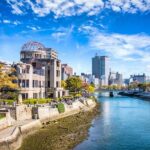
- Peace Line focus, including key park monuments like the A-Bomb Dome and Children’s Peace Monument
- Flexible museum approach if it’s crowded or if you’d rather explore quietly
Picking Your Starting Point: Shukkeien Garden or Peace Memorial Park
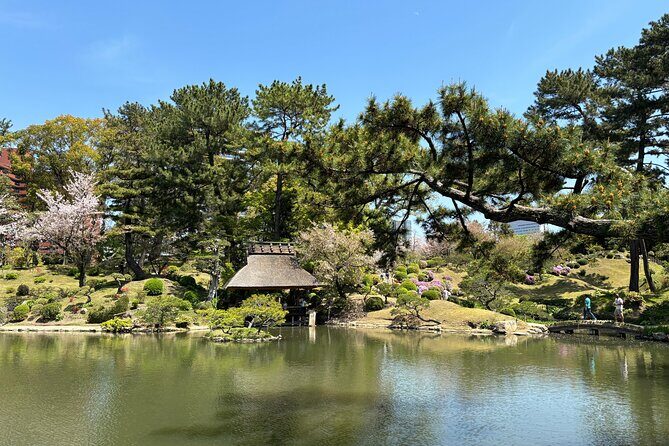
The tour works because you choose where the emotional weight starts. If you begin at Shukkeien Garden, the day eases in with quiet paths, ponds, and bridges—great for getting your brain into the slower travel mode Hiroshima deserves. If you start at Peace Memorial Park, you jump right into the city’s message of peace and then work backward through time and place.
Either way, Alex keeps the story coherent. You’re not hopping between unrelated stops. The walk builds a cause-and-effect understanding: Hiroshima as a lived city, Hiroshima as it was before 1945, and Hiroshima as it became afterward.
A practical note: since pickup is offered and the meeting point can be within central Hiroshima, you’re not stuck playing meet-the-stranger in a confusing transit maze. You’ll get an exact meeting point confirmed at booking.
You can also read our reviews of more walking tours in Hiroshima
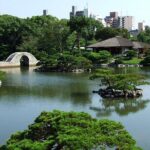
Shukkeien Garden: A Gentle Warm-Up Before the Memorial
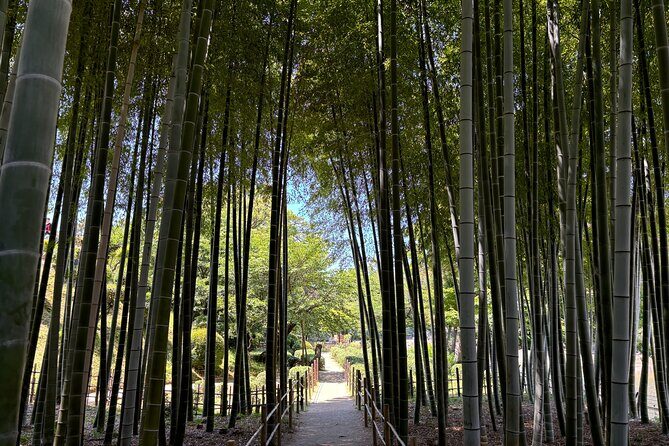
If you start at Shukkeien, you’re stepping into a traditional garden that feels like a reset button. The experience is about more than pretty scenery. You’ll explore winding paths, ponds, and small bridges while Alex explains Hiroshima’s early history and cultural roots.
This matters because it changes how you read the rest of the day. After a calm introduction, the later contrasts hit harder—in a good way. You remember this wasn’t only a tragedy; it was also a place of daily life, gardens, and community rituals.
The only real drawback here is cost and time. Admission for Shukkeien is ¥360 per person and the stop is about one hour. If you’re traveling with limited budget or you’re already emotionally stretched, you might prefer starting at Peace Memorial Park instead.
Hiroshima Castle Grounds: Seeing the Pre-1945 City Logic
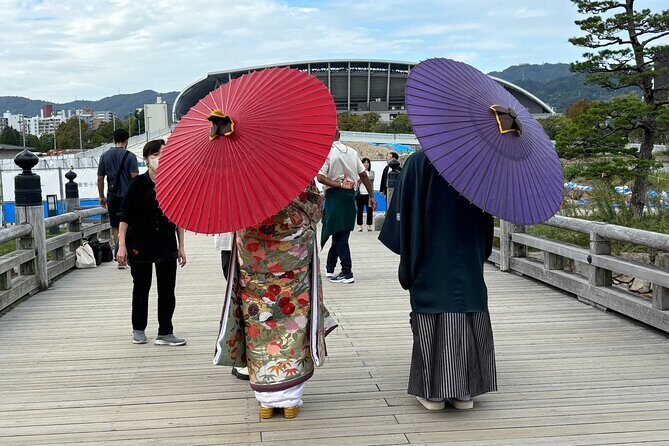
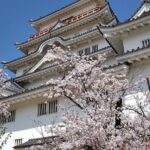
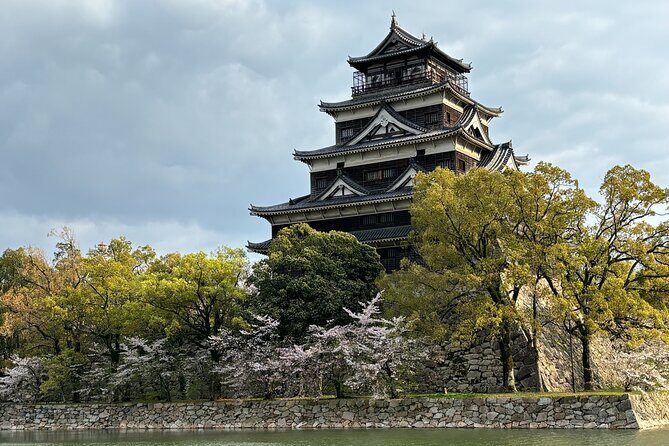
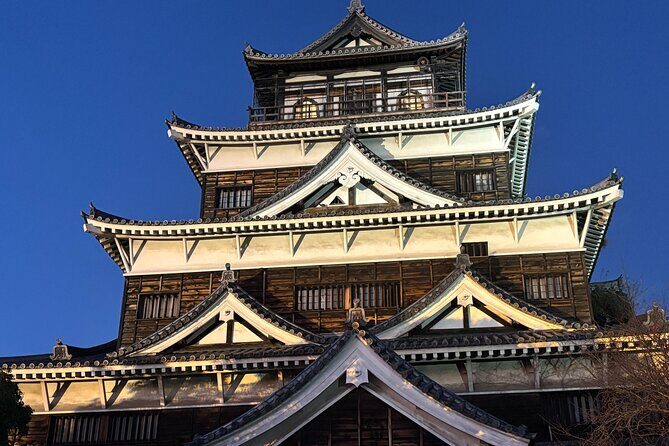
After Shukkeien, the tour shifts to Hiroshima Castle grounds. Even though the castle you’ll see is a reconstruction, the point is the layout and the idea of a central samurai-era city. You’ll spend about 30 minutes, and it’s free to enter the grounds.
What I like about this stop is how it sets the stage for what changed. Alex helps you connect the location’s meaning before 1945 to what came after. It’s not a fantasy history lesson. It’s about how cities are organized and why certain places become focal points—then what happens when history breaks that pattern.
For photography lovers, the grounds give you context without the heavy emotional pressure of the memorial zone. For anyone traveling with kids, this is also a useful breather: you can look, ask, and regroup for the next transition.
Hiroshima Gokoku Shrine: Ritual Life Beyond the Headlines
Next is Hiroshima Gokoku Shrine, with about 30 minutes here and free entry. This stop can surprise you—in a good way—because it grounds Hiroshima’s story in Shinto traditions and everyday spiritual life.
Alex points out rituals, festivals, and the quieter cultural rhythm that doesn’t fit neatly into war-and-recovery headlines. That’s valuable because it prevents Hiroshima from becoming a one-note destination. It reminds you that people build meaning with ceremonies, not just with museums.
If you’re sensitive to sacred spaces, keep your tone gentle and follow shrine etiquette. The tour pace is relaxed, so you won’t feel forced to rush through. You’ll have time to absorb details without treating the shrine like a photo booth.
Peace Memorial Park: The “Peace Line” Walk That Actually Makes Sense
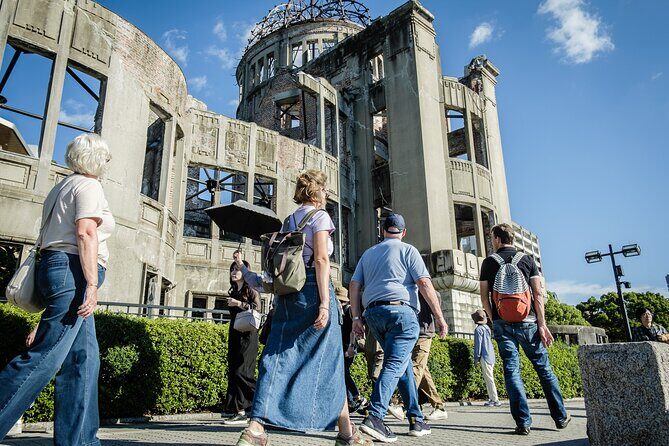
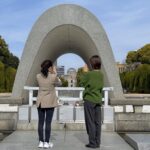
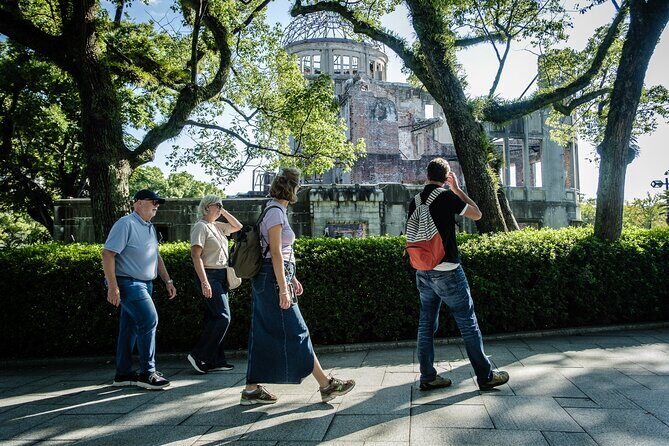
Then you reach the heart of the message: Peace Memorial Park. This is where the tour turns into storytelling with lived perspective. You’ll spend about one hour around key monuments, and Alex shares context that many visitors miss.
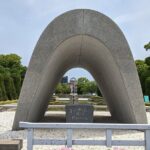
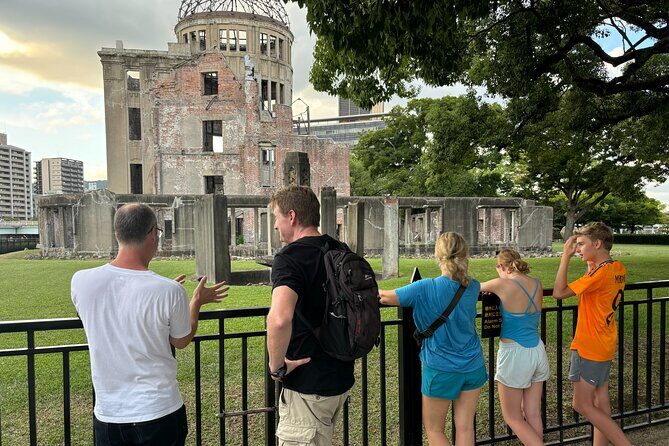
You’ll see major sights like the A-Bomb Dome and the Children’s Peace Monument. But the tour value isn’t only what you see—it’s how you understand why these objects were placed where they are and what they’re meant to communicate.
Alex’s approach is especially helpful if you’ve read about Hiroshima before but still feel like the story is fragmented. The walk along the Peace Line helps you connect space to meaning. You start noticing the city as an intentional memorial environment, not just a backdrop.
One of the strongest practical benefits here: you get time for questions and reflection. That’s huge. The subject is heavy, and a relaxed pace lets you ask the stuff that’s hard to hold in your head while you’re moving fast.
You can also read our reviews of more private tours in Hiroshima


Peace Memorial Museum: When You Want the Extra Clarity
If you choose to continue, you’ll visit the Peace Memorial Museum for about one hour. Admission isn’t included, and the entrance fee is ¥200 per person.
The museum can be intense, so I like that Alex doesn’t force a single style of visit. If the museum is crowded or if you’d rather explore quietly, he provides an introduction to the key sections so you still get clarity without feeling overwhelmed by noise and crowds.
This stop is ideal for travelers who want a deeper timeline and more specific context to connect the park’s monuments to documented events. It’s also a good match if you feel the walk gave you meaning, but you want names, dates, and details to anchor that meaning.
A small consideration: museum focus can drain energy. Since the tour is about thoughtful pacing, you’ll likely want to treat this as your “slow down and process” part of the day. If you’re the type who prefers quiet reflection over rapid information, this is the section that will suit you best.
How the Private Format Changes Everything (Especially for Families)
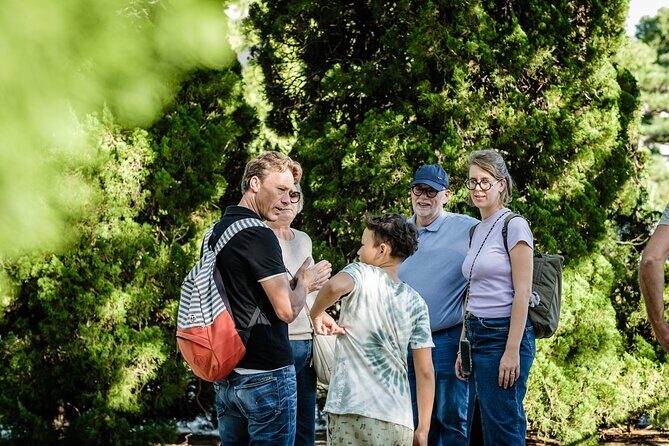
This is a private tour for your group only, up to six people. That sounds like a simple detail, but in practice it changes how the whole experience feels.
First, you can ask questions without worrying they’ll be lost in a crowd. Alex’s storytelling style is approachable and easy to follow, including for groups that include kids or mixed ages. In past tours, families have stayed engaged by asking questions and keeping energy up through the walking portion.
Second, the itinerary is customizable. That means you’re not locked into a rigid script if your group needs adjustments. In other words: if your start time changes or you’d like to shift emphasis—within reason—you have room to breathe.
Third, you get personal recommendations afterward. Since lunch and transportation aren’t included, this is a smart way to get local help for the next step: where to eat, what to do nearby, and how to keep your day moving without guesswork.
Price and Value: What You Pay For in a Private Hiroshima Walk
The price is $209.03 per group, for up to six people, for about four hours. That pricing structure matters because you’re not paying per person for the guide’s time—you’re sharing that guide experience across your group.
So how do admissions change the math? Two key fees are on you:
- Shukkeien Garden: ¥360 per person
- Peace Memorial Museum: ¥200 per person
If you’re traveling as a group of six, the private-guide cost per person drops fast. If you’re a small group of two, you feel the private price more—but you’re also getting the kind of tailored, question-friendly pacing that group tours often can’t provide.
The real value isn’t just “a guide.” It’s how Alex connects places into a single story arc: garden calm → castle-era context → shrine ritual life → Peace Park message with key monuments → optional museum clarity. That’s the kind of structure that helps you leave Hiroshima with understanding, not just photos.
Practical Tips to Get the Most From the Walk
Here’s how to set yourself up so the day feels smooth.
- Wear comfortable shoes. It’s a walking route that includes several meaningful stops. Your feet will be part of the experience.
- Decide your emotional starting point. If you’re easily overwhelmed, start at Shukkeien. If you want straight focus, start at Peace Memorial Park.
- Bring questions. Alex’s whole approach is built for context and dialogue, not just lectures.
- Plan a paced rest after. This tour includes reflective time, plus museum time if you choose it. You’ll likely want an unhurried dinner afterward.
- Expect admission add-ons. Budget for Shukkeien and the museum if you plan to visit both.
Who This Tour Fits Best
This tour is a strong match if you:
- Want a private, English-speaking guide who makes the city’s meaning clear
- Prefer a relaxed pace with time to ask questions and reflect
- Want context before 1945, not just a memorial-only visit
- Travel with a family group and want everyone engaged through short, understandable segments
It’s also a great choice for first-time Hiroshima visitors who feel the city is too big to “figure out” with only transit and a map. The tour helps you see what matters and why.
If you only want quick stops and you hate walking, you might find the full route too structured. But if you’re looking for understanding, this kind of guided story walk is exactly what you want.
Should You Book Hiroshima’s Heart?
If you’re deciding between a fast sightseeing plan and a meaningful Hiroshima introduction, I’d book this. You get a private guide, a coherent storyline, and a pace that respects the subject. Alex’s long-term local perspective and clear communication make a real difference when the day is heavy.
I’d consider skipping or starting differently only if you’re very tight on budget (because of the paid admissions) or if you expect minimal walking. Otherwise, this is one of those tours that helps you remember Hiroshima as a city of people—then understand what the memorial space asks you to carry forward.
FAQ
How long is the Hiroshima Heart private storytelling walk?
It’s about 4 hours.
How much does the tour cost?
The price is $209.03 per group (up to 6 people).
What’s included in the tour price?
It includes a private 4-hour walking tour, an English-speaking local guide (Alex), a customizable itinerary, a flexible meeting point within central Hiroshima, and personal recommendations for food and things to do afterward.
Are admission tickets included for Shukkeien Garden and the Peace Memorial Museum?
No. Shukkeien Garden costs ¥360 per person, and the Peace Memorial Museum entrance fee is ¥200 per person.
Where do we meet and where does the tour end?
You’ll meet at a convenient location in central Hiroshima. You can start in Peace Memorial Park or in front of Shukkeien Garden, and the tour ends either at Peace Memorial Park (after the museum) or at Shukkeien Garden depending on your start.
Is pickup offered?
Pickup is offered.
What’s the cancellation deadline for a full refund?
You can cancel for a full refund up to 24 hours before the experience starts. Less than 24 hours before means no refund.