REVIEW · TOKYO
Japanese Cooking class in Tokyo
Book on Viator →Operated by Morimi's Home Kitchen · Bookable on Viator
Tokyo’s best cooking happens at home. I love learning the backbone of Japanese cooking, dashi, in a hands-on way, and I love that you’ll use real tools like a suribachi instead of just watching. This is a 3-hour Japanese cooking class in Setagaya where you leave with recipes you can actually cook again.
I also like how flexible the menu is. You can pick a Tofu course, Sushi course, or Curry course, and the studio can accommodate vegetarian, vegan, and gluten-free needs when you choose the right option. One possible drawback: some courses include shrimp or pork, so you’ll want to match your course to your dietary needs before you arrive.
In This Review
- Key things to know before you go
- Japanese cooking class in Tokyo at Morimi’s Home Kitchen
- Picking the right course: tofu, sushi, or curry
- Tofu course: hands-on comfort food with real technique
- Sushi course: temari sushi plus oshizushi mold work
- Curry course: Japanese roux curry with tonkatsu and ebi fry
- The foundation of flavor: dashi and rice in a regular pot
- Tools you’ll actually use: suribachi and oshizushiki
- What’s included: lunch, coffee/tea, and optional sake
- Dietary options that actually matter (and how to choose)
- Logistics that keep the day easy: pickup, meeting point, and timing
- Value for $71: what you’re really paying for
- Who should book this class (and who might skip)
- Should you book Japanese Cooking Class in Tokyo?
- FAQ
- What time does the Japanese cooking class in Tokyo start?
- Is pickup available?
- What courses can I choose from?
- Can vegetarian or vegan guests be accommodated?
- Are gluten-free options available?
- What will I cook in the Tofu course?
- What will I cook in the Sushi course?
- Is sake included?
Key things to know before you go
- Three course choices: Tofu, Sushi, or Curry, each with its own skill set and dishes.
- Dashi and rice basics: you learn the foundation, plus how to cook rice in a regular pot.
- Hands-on tools: you’ll use a suribachi (mortar) and an oshizushiki (pressed sushi mold).
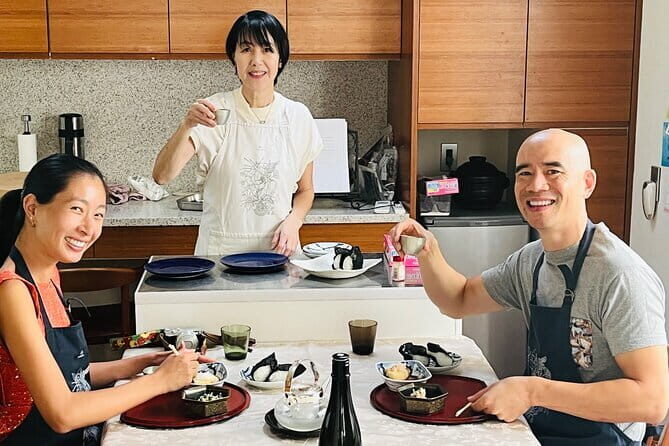
- Lunch is included: what you make becomes your meal, plus coffee/tea and mineral water.
- Diet-friendly planning: vegetarian/vegan and gluten-free options are available with the right course.
Japanese cooking class in Tokyo at Morimi’s Home Kitchen
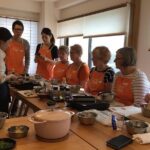
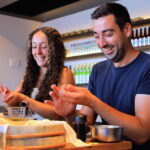
If you’ve ever cooked at home in Japan’s style, you know it’s not about fancy tricks. It’s about clean flavor building, good technique, and not overcomplicating dinner. This class puts you inside that process in Morimi’s home kitchen in Setagaya, Tokyo, where you learn by doing and taste as you go.
You start at 10:30 am and the experience runs about 3 hours. It’s a private activity, meaning it’s just your group, not a big cattle-call room. Pickup is offered, and you’ll get a mobile ticket, which makes the day feel smoother.
The vibe matters here. The cooking space feels residential and relaxed, so the class isn’t intimidating. It’s the kind of setup where you can ask questions, get small fixes on your technique, and learn the why behind the steps instead of copying a script.
You can also read our reviews of more cooking classes in Tokyo
Picking the right course: tofu, sushi, or curry
This is where you should spend a little thought. All courses include the same core idea—healthy, home-cooked Japanese food—but the skills and dishes are different enough that choosing the wrong one can leave you less satisfied.
Tofu course: hands-on comfort food with real technique
If you want lots of recipes and the broadest flexibility for dietary needs, the Tofu course is a strong pick. You’ll make three types of tofu dishes plus rice balls and soup. The list includes tofu hamburgers, agedashi tofu (deep-fried tofu), shiraae (tofu salad), tofu soup, and rice balls.
This course also covers the flavor foundation. You’ll learn how to prepare dashi stock and how to cook delicious rice using a normal pot. If you like Japanese home cooking but want a menu that feels approachable (and easy to recreate later), this one tends to land best.
Sushi course: temari sushi plus oshizushi mold work
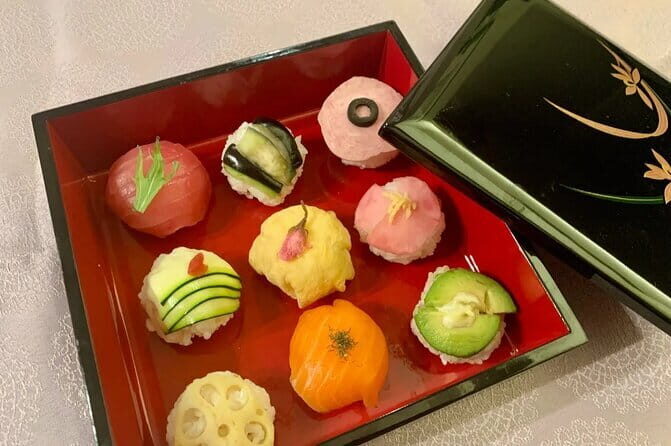
If your dream is to make sushi that looks good and tastes fresh, choose the Sushi course. The class starts with making sushi rice. Then you select ingredients—sashimi and vegetables—and build six types of temari sushi (small, round sushi you can shape with your hands).
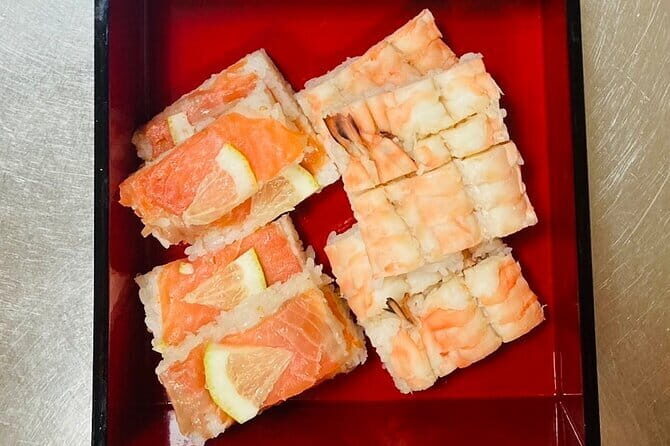
You’ll also make one roll of oshizushi using a traditional oshi-zushiki mold, with shrimp and smoked salmon. It’s a fun contrast: delicate bite-sized temari sushi alongside a more structured pressed-sushi style.
Curry course: Japanese roux curry with tonkatsu and ebi fry
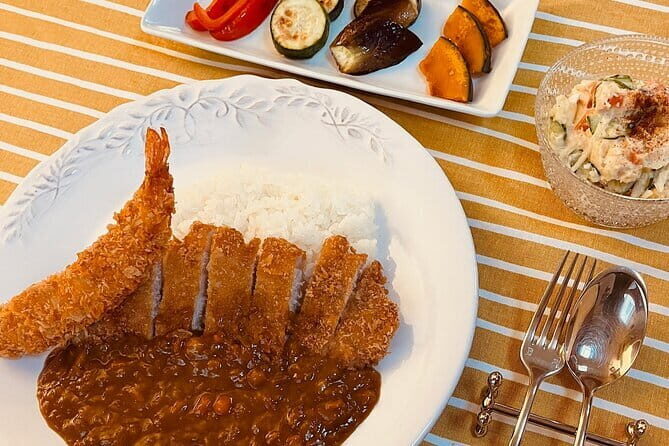
If you want something hearty and very repeatable at home, the Curry course is your match. You’ll make Japanese-style curry using roux, paired with tonkatsu (pork cutlet) plus ebi fry (fried shrimp). You’ll also make Japanese-style potato salad and eat along with grilled vegetables.
This course is also a great choice if you want a flavor profile that’s unmistakably Japanese. Japanese curry is built differently than many Western or Indian styles, and learning the base process helps you recreate that balance at home.
A few more Tokyo tours and experiences worth a look



The foundation of flavor: dashi and rice in a regular pot
A lot of cooking classes in Tokyo teach flashy dishes. This one starts with the quiet work that makes everything taste like it belongs together: dashi and rice.
You learn how dashi is built, including how to prepare dashi stock as part of the class. Dashi is the essential foundation of Japanese cuisine, and understanding it changes how you cook even after the class ends. Once you grasp what makes dashi taste rounded and satisfying, you’ll notice it shows up across soups, sauces, and simmered dishes.
Then you move to rice. Instead of teaching you complicated gear, the class shows you how to cook rice using a regular pot. That’s a practical win. When you get home, you won’t need a specialty rice cooker to make something that tastes right.
Tools you’ll actually use: suribachi and oshizushiki
Two names that come up here for good reason: suribachi and oshizushiki.
A suribachi is a Japanese mortar and pestle. You use it for grinding or mashing ingredients in a way that helps flavors blend naturally. It’s slower than a food processor, but that’s the point. The tool encourages controlled texture, and it’s a very Japanese way to handle ingredients.
The oshizushiki is the pressed sushi mold used for oshi-zushi. Pressed sushi looks intimidating until you do it. Then it becomes a satisfying, almost mechanical process—layer, press, lift, and reveal a neatly shaped bite.
In both cases, you’re not just learning recipes. You’re learning how Japanese cooks think about texture and form.
What’s included: lunch, coffee/tea, and optional sake
This class is structured around food you make and eat. The included meals are straightforward, generous, and tied to the course you choose.
- Tofu course lunch includes three types of tofu dishes, two rice balls, and soup.
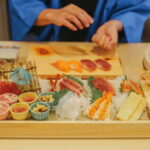
- Sushi course lunch includes temari sushi and pressed sushi, plus soup.
- Curry course lunch includes rice, curry, tonkatsu, fried shrimp, grilled veggies, and potato salad.
You also get drinks. Green tea and mineral water are unlimited, and herbal tea is also available. Optional additions include sake during the tasting session, plus wagashi (traditional Japanese sweets). If you want the full pairing experience, tell the operator during reservation so they can plan for it.
At the end, you receive a small souvenir, which is a nice touch for a class that feels more personal than big tour-style dining.
Dietary options that actually matter (and how to choose)
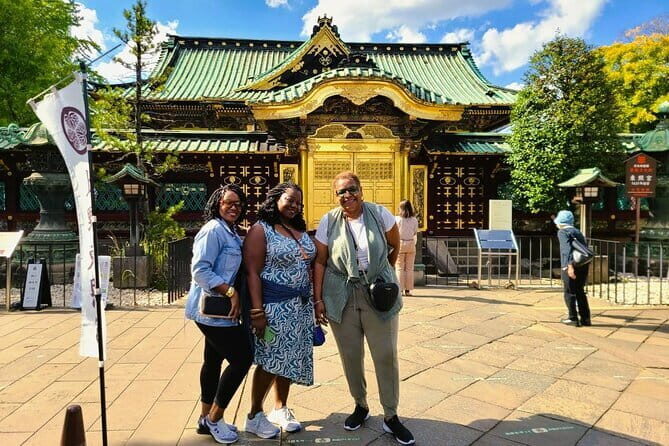
This is one of the most practical parts of the experience: the class doesn’t treat dietary needs like a last-minute afterthought. If you want vegetarian or vegan options, you should plan for the Tofu course, which can be accommodated as a tofu course specifically. It includes dishes like tofu hamburgers, agedashi tofu, shiraae, tofu soup, and rice balls, which makes it naturally easier to adapt.
Gluten-free options are also available, but the class specifies them for the Tofu course and Sushi course. So if gluten-free is important for you, it’s worth choosing one of those courses rather than leaving it to chance.
For anything else—like allergies—let them know when you book. You’ll be happier if the kitchen already has your needs in their notes.
Logistics that keep the day easy: pickup, meeting point, and timing
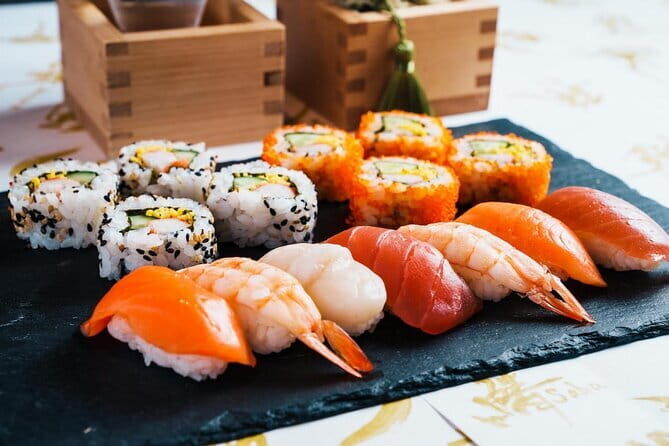
The meeting point is Morimi’s Home Kitchen, 3-chōme-19-5 Matsubara, Setagaya City, Tokyo 156-0043. The activity starts at 10:30 am and ends back at the meeting point.
Pickup is offered, which is helpful in Setagaya if you don’t want to fight transfers. At the same time, private transportation isn’t included, so you’ll want to use public transit as your default plan unless pickup is confirmed for your booking.
The class length—about 3 hours—fits well into a Tokyo day. It’s long enough to learn real technique and sit down for lunch, but short enough that you won’t feel like your whole trip disappears into a single activity.
Value for $71: what you’re really paying for
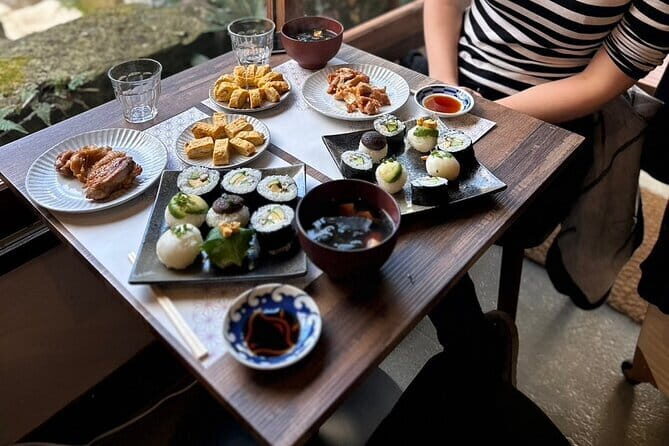
$71 may sound like a lot until you look at what’s included and how the class is run. You’re not just tasting food. You’re learning core skills—dashi, rice, sushi shaping, pressed sushi technique, and Japanese curry assembly—then eating what you make.
The biggest value driver is the format: it’s a private experience for your group in a home kitchen. That means you get more time with the chef for technique questions and course-specific guidance. It’s also not a demo-only class. You’re actively cooking and shaping, which is what makes the recipes feel usable later.
You also leave with English recipes, so you’re not stuck translating steps after your flight home. That small detail matters more than many people expect.
Who should book this class (and who might skip)
This is a great fit if you want a practical Tokyo experience that isn’t just about sightseeing. Choose it if you like:
- learning kitchen basics you can reuse at home (dashi and rice)
- hands-on technique with real tools (suribachi and the oshizushiki mold)
- a structured lunch built around cooking you do yourself
- a more personal home-kitchen atmosphere rather than a commercial studio
It may be less ideal if you want a course that’s heavy on variety outside its assigned menu. You’ll focus deeply on your chosen dishes, not on a broad sampler of everything Japanese.
Also, if you have dietary restrictions, choose your course intentionally. Sushi and curry include seafood and/or pork, while the tofu course is the easiest match for vegetarian or vegan needs based on what the class offers.
Should you book Japanese Cooking Class in Tokyo?
Yes, you should book it if you want a Tokyo cooking class that feels real, teaches fundamentals, and results in a meal you can replicate later. Pick your course based on what you actually want to cook after:
- Tofu if you want lots of recipe variety and the best fit for vegetarian/vegan planning.
- Sushi if you want the satisfaction of temari sushi and pressed sushi with a mold.
- Curry if you want hearty Japanese comfort food you can rebuild with roux curry and classic sides.
If you’re on the fence, decide using one question: do you want to learn a kitchen technique (dashi/rice + tools), or do you mostly want to eat? This class is best when you want to cook.
FAQ
What time does the Japanese cooking class in Tokyo start?
The start time is 10:30 am, and the experience runs for about 3 hours.
Is pickup available?
Pickup is offered, but private transportation is not included.
What courses can I choose from?
You can choose one of three course options: Tofu, Sushi, or Curry.
Can vegetarian or vegan guests be accommodated?
Yes. Vegetarian and vegan guests can be accommodated with the Tofu course.
Are gluten-free options available?
Gluten-free options are available with the Tofu course or the Sushi course.
What will I cook in the Tofu course?
In the Tofu course, you’ll make tofu hamburgers, agedashi tofu, shiraae (tofu salad), tofu soup, and rice balls. You’ll also learn dashi stock and cook rice in a regular pot.
What will I cook in the Sushi course?
You’ll make sushi rice, create six types of temari sushi using your chosen ingredients, and make one roll of oshi-zushi using the pressed sushi mold with shrimp and smoked salmon.
Is sake included?
Sake is optional and is available during the tasting session. Wagashi is also optionally available during tasting.