REVIEW · KYOTO
Kyoto: Kimono/Yukata Rental 5 Minute from Kiyomizu-dera
Book on GetYourGuide →Operated by 株式会社華桜花商社 · Bookable on GetYourGuide
Kimonos near Kiyomizu-dera make Kyoto easy. This rental shop is about a 5-minute walk from Kiyomizu-dera, which means you can go from fitting room to cobblestones fast. I especially liked how the staff guided the process step-by-step (I even heard Lana’s name while people described getting hair and kimono help), and how they’re used to working with visitors who don’t speak Japanese. One big thing to plan around: you have to return the kimono by 6:00 PM the same day.
The experience also feels practical, not fussy. You’ll get the core set—kimono or yukata, the half-width belt (hanhaba obi), socks, and Japanese shoes—so you can focus on walking the streets of Higashiyama and Gion in your own time. Price-wise, the entry cost is $19 per person, and the reviews repeatedly point to quick, friendly service that makes the whole outfit change feel painless.
In This Review
- Key Things to Know Before You Rent in Kyoto
- Why This Kyoto Kimono Rental Works for a Kiyomizu-dera Day
- Kimono vs. Yukata: When You’ll Get What (and Why That Matters)
- From Arrival to Street-Ready: What Your Day Actually Looks Like
- 1) Check in and reception
- 2) Choose your kimono or yukata
- 3) Getting dressed (and styled, if you choose)
- 4) Your wear time on the street
- 5) Return and change out by 6:00 PM
- Price and Value: What $19 Really Buys You
- What’s Included vs. What’s Extra (So You Don’t Get Surprised)
- Included in the rental
- Not included
- Timing: How to Make the Most of 1 Day in Kyoto Wearing Kimono
- Practical Tips: Shoes, Luggage, and Comfort
- Who Should Book This Kyoto Kimono Rental (and Who Should Skip)
- Should You Book This Kyoto Kimono Rental Near Kiyomizu-dera?
- FAQ
- What is included in the Kyoto kimono/yukata rental?
- Do you rent kimono year-round?
- How close is the shop to Kiyomizu-dera, and when should I arrive?
- Is hairstyling included?
- What happens if I return the kimono after 6:00 PM?
- Is this experience suitable for pregnancy, wheelchairs, or all sizes?
Key Things to Know Before You Rent in Kyoto
- 5-minute walk to Kiyomizu-dera means less commuting and more time wearing your outfit.
- Multiple languages are available (English, Japanese, Chinese, Vietnamese, Thai), so you won’t be stuck guessing.
- Kimono by season: October–May is kimono; June–September is yukata.
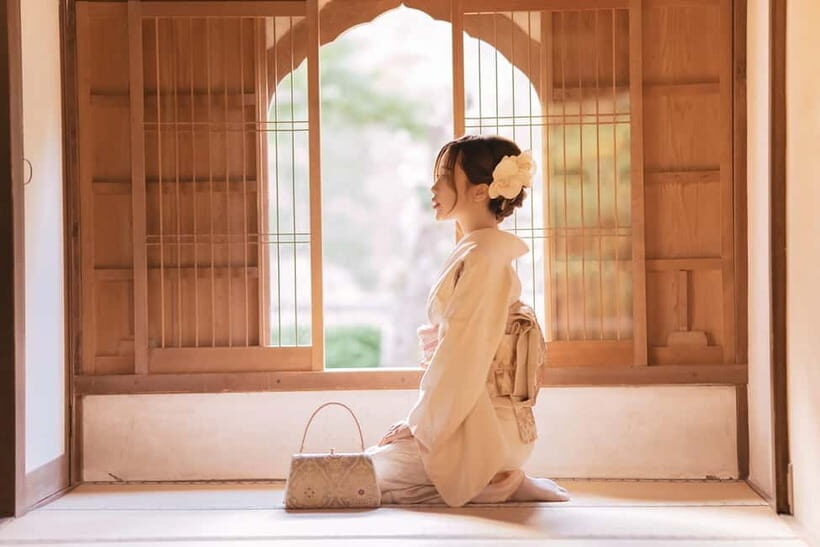
- Included outfit basics: hanhaba obi, bag, socks, and Japanese shoes are part of the rental.
- Hairstyling costs extra (1,500 yen) if you want a specific style.
- Return by 6:00 PM or you’ll pay a late fee by the hour.
Why This Kyoto Kimono Rental Works for a Kiyomizu-dera Day
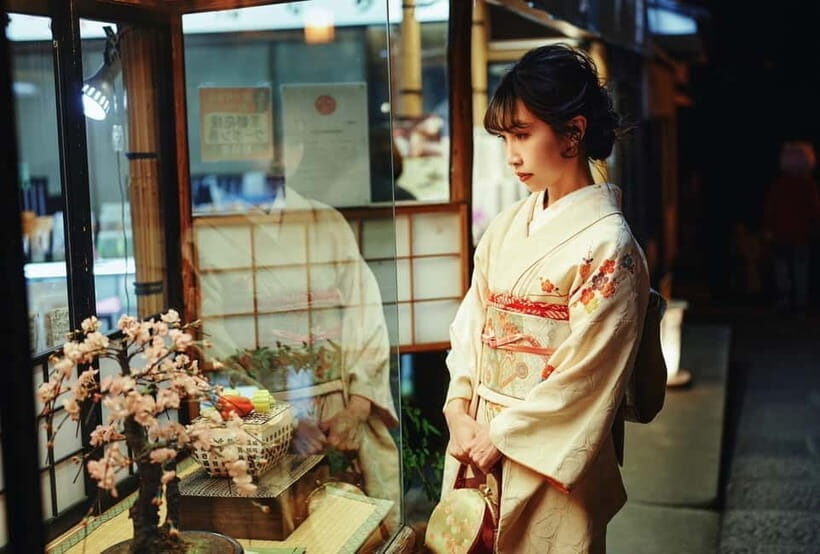
If you’re pairing a temple visit with a “try-on-the-real-thing” experience, location is everything. This shop sits at 6-583-109 Gojobashi Higashi, Higashiyama Ward, and it’s described as only a 5-minute walk from Kiyomizu-dera. That’s a smart setup: you can get dressed close to one of Kyoto’s top sights and then keep moving.
I like that the outfit rental is timed like a normal visit. Business hours run 9:00 AM to 6:00 PM, and the flow is built around a same-day wear-and-return schedule. Reviews also highlight that the staff stays on top of the details—helping with the fit and the look—so you’re not spending your Kyoto time stuck in a chair.
The other reason it works: the staff handles visitors from different countries and languages. That sounds basic, but it matters. When you can clearly communicate what you want (or at least what you’re trying to do with your outfit), the experience feels easier and faster.
You can also read our reviews of more tours and experiences in Kyoto.



Kimono vs. Yukata: When You’ll Get What (and Why That Matters)
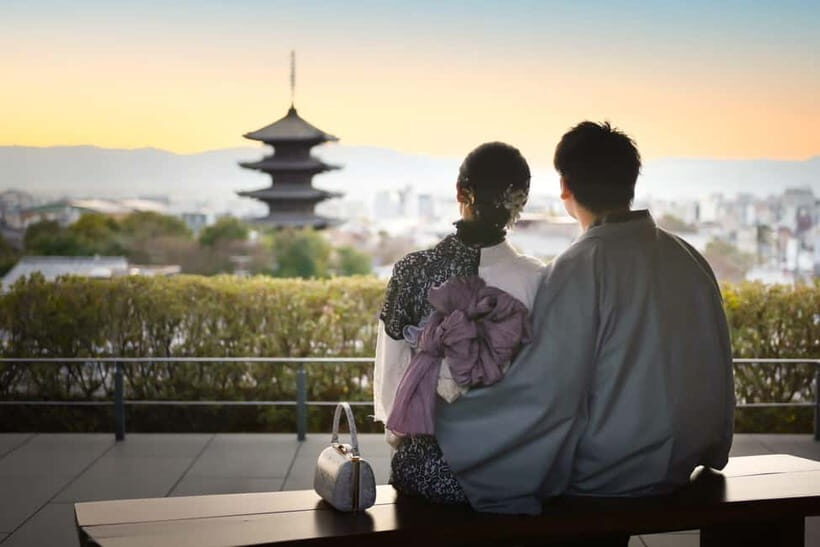
This rental is seasonal, and it’s spelled out clearly:
- Kimono: offered from October to May
- Yukata: offered from June to September
That matters because kimono and yukata aren’t just different outfits. They can also change the vibe of your day. Yukata is often lighter and more summer-friendly, so in warm months it can feel more comfortable for lots of walking. In cooler months, kimono is the classic choice—more layered look, more “Kyoto moment” energy.
The styles and colors are described as varied, which is helpful if you’re picky. You’ll be selecting from different looks rather than getting stuck with one “default” option. Just be aware there are size limits: customers taller than 130 cm may have limited choices for adult kimonos, and children’s kimonos are meant for kids taller than 70 cm (and designed for children under 12).
From Arrival to Street-Ready: What Your Day Actually Looks Like
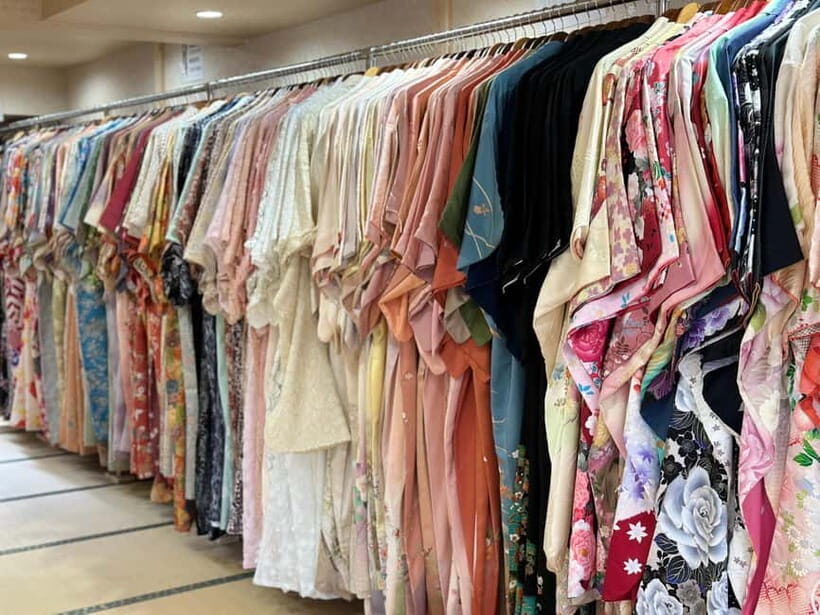
Here’s the practical rhythm you should expect, based on the listed schedule and what people describe after they’re dressed.
1) Check in and reception
You’re asked to arrive 5 minutes before your scheduled time. Then you’ll be received and guided into the process. This matters because Kyoto days move fast; being early helps you avoid rushing through fit decisions.
2) Choose your kimono or yukata
You’ll pick from available styles and colors. The staff can help you decide, including handling details for the best fit. One review even notes that someone accidentally selected a men’s kimini (men’s kimono) and the shop handled it with an additional fare difference—so the team seems used to correcting mistakes without drama.






3) Getting dressed (and styled, if you choose)
The rental includes the core outfit pieces:
- Kimono/Yukata
- Hanhaba obi (half-width belt)
- Japanese small bag
- Socks
- Japanese shoes
If you want hair styled, that’s an add-on: 1,500 yen for a hairstyle design. Reviews mention people being especially happy with hair help—fast and polished—so if you care about the full look in photos, this is usually worth considering.
One more detail that’s easy to miss: a store slope is mentioned in a review, and walking up/down in the provided socks and shoes can feel tricky. You can plan for that by moving slowly at the store entrance/exit, and you can also switch back to your usual footwear when needed.
4) Your wear time on the street
Once you’re dressed, you’re free to roam. Many people plan their outfit around Kyoto’s classic pedestrian areas. In particular, reviews mention walking the streets of Gion while wearing the outfit. Since the shop is close to Kiyomizu-dera, it’s also natural to combine temple time, then stroll into nearby lanes afterward.
5) Return and change out by 6:00 PM
You must return the kimono by 6:00 PM on the same day. The schedule includes return and changing out, so the store can keep its flow. If you’re running late, you’ll want to handle it early—don’t wait until you’re already past the deadline.
Price and Value: What $19 Really Buys You
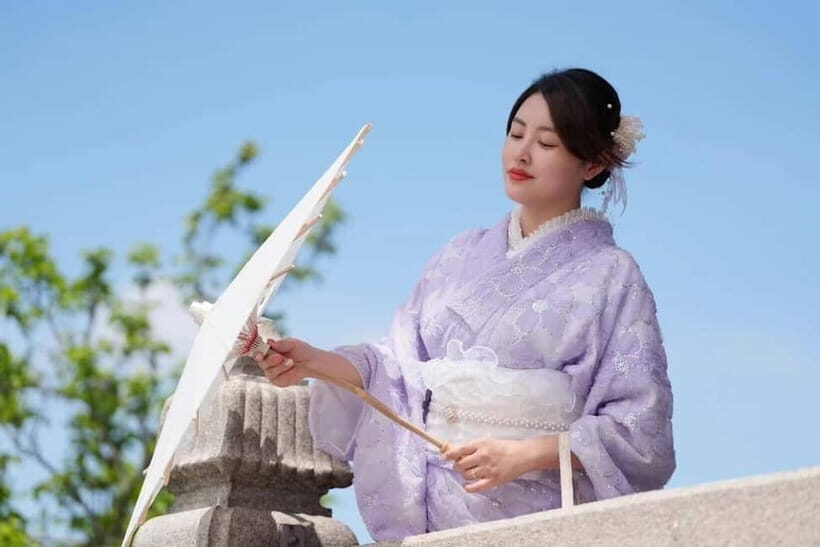
Let’s talk value, because kimono rentals can feel like a “pay for photos” thing. Here, the core offer is more solid than that.
The price listed is $19 per person for the rental day, and the included items are the real centerpiece of the experience:
- You get the full garment (kimono or yukata)
- You get the belt (hanhaba obi)
- You get socks and Japanese shoes
- You get a small bag to carry essentials
That means you’re not scrambling for basics. You can show up with normal clothes and shoes, get dressed, and head out.
Also, the language support (English, Japanese, Chinese, Vietnamese, Thai) and the staff’s attention to getting the fit right are part of the value. People repeatedly described staff as kind, efficient, and good at guiding the process. Even if your kimono experience doesn’t involve fancy extras, good dressing help changes everything.
One caution on value: hairstyles cost extra (1,500 yen). If you’re the type who wants your hair and outfit matched for photos, add that budget up front. If you don’t care about hairstyle design, you can keep costs down.
What’s Included vs. What’s Extra (So You Don’t Get Surprised)
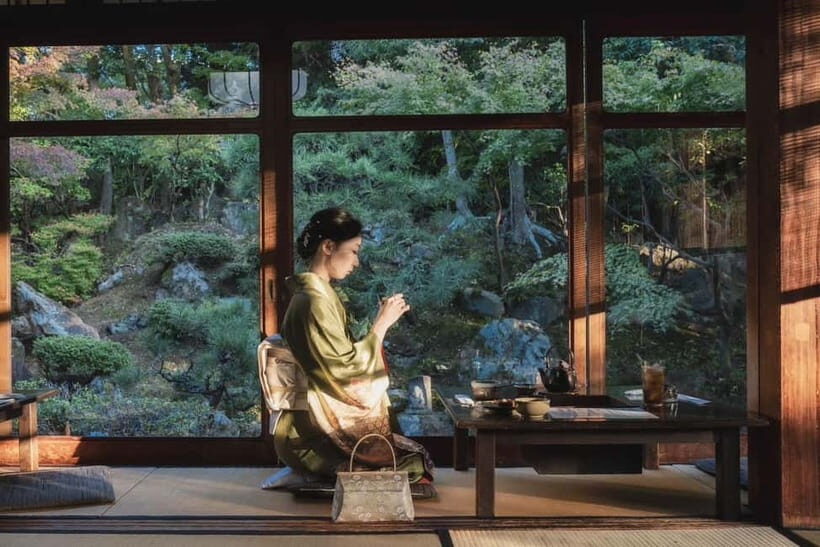
Here’s the clean split between included and not included.
Included in the rental
- Kimono (October–May) / Yukata (June–September)
- Hanhaba obi (half-width belt)
- Japanese small bag
- Socks
- Japanese shoes
Not included
- Hairstyling service (1,500 yen)
- Makeup
- Tip
- Attraction ticket
Some reviews also mention professional photos as an optional add-on. If that’s something you want, ask on-site about what’s available that day and pricing. The store does seem to handle photo-related services, and at least one review says photos were sent the same day—but treat that as an option, not a guarantee, unless confirmed when you book.
Timing: How to Make the Most of 1 Day in Kyoto Wearing Kimono
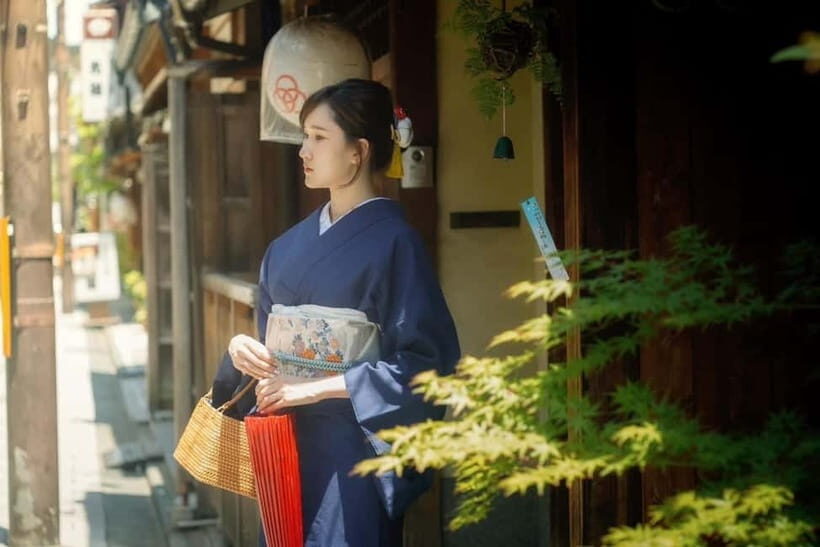
You get one rental day, and you’ll wear the outfit until close to 6:00 PM (then you return it). So the game plan is simple: pick a day when you’re already planning Kyoto walking.
Because the shop is near Kiyomizu-dera, a common winning approach is:
- Start your morning around Kiyomizu-dera
- Get dressed close by
- Then keep moving through the neighborhood lanes and toward areas like Gion later
The return deadline shapes your pacing. If you want to wander slowly, do temples and sightseeing earlier. Save longer photo stops for times when you’re not fighting the clock.
The other timing tip: arrive 5 minutes early. It’s not about strictness; it’s about staying relaxed. With clothing changes and belt adjustments, those few minutes can make a day feel smooth instead of rushed.
Practical Tips: Shoes, Luggage, and Comfort
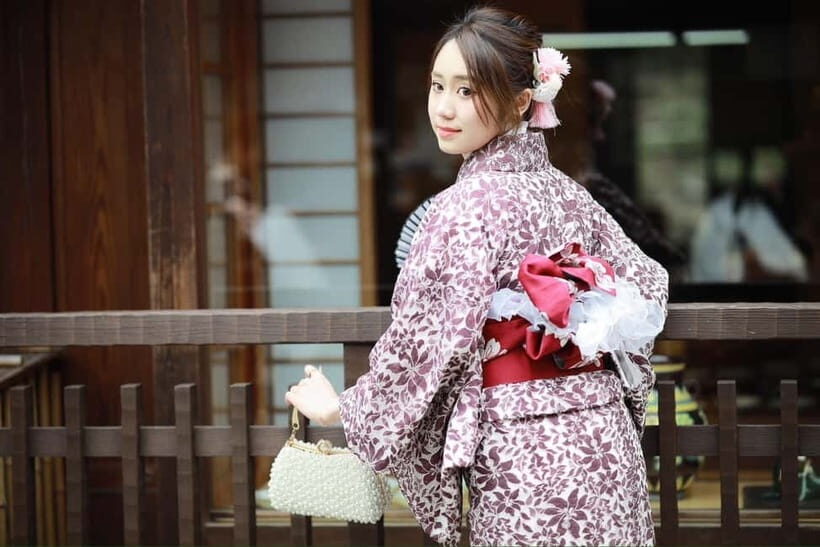
The included socks and shoes are part of the look, but they’re not your usual sneakers. Even when you’re doing everything right, the shoes can feel awkward on slopes or uneven ground.
A review specifically warns that the store is on a slope and walking up/down in the provided footwear can be tricky. That’s a real-world detail worth taking seriously. When you’re at the store, take your time. If you’re uncomfortable, consider whether you want to wear your own footwear outside the immediate dressing window.
Luggage is another practical matter. There’s free luggage storage on-site, but the shop asks you to keep valuables with you—phones, wallets, cameras, passports, and the like. They also note they’re not responsible for loss (including theft), damage, or leakage. Translation: treat the storage like helpful convenience, not a secure vault.
Who Should Book This Kyoto Kimono Rental (and Who Should Skip)
This is a great pick if you want the classic Kyoto outfit experience without complicated planning. You’ll like it most if:
- You want a short commute from a major sightseeing anchor (Kiyomizu-dera).
- You value staff help for dressing and fit.
- You’re comfortable following a same-day return schedule.
- You want the option of hairstyle design if you care about the full photo-ready look.
Skip it if:
- You’re pregnant. It’s not recommended, and wearing a kimono during pregnancy is strictly prohibited. The shop states it won’t be responsible for health issues related to concealing a pregnancy.
- You use a wheelchair, since it’s not suitable for wheelchair users.
- You don’t want to work within time boundaries. Returning by 6:00 PM is part of the setup.
Height details also affect options. If you’re taller than 130 cm, adult kimono choices may be limited. If you’re renting for a child, the shop’s children’s kimono guidelines are for kids taller than 70 cm and designed for children under 12.
Should You Book This Kyoto Kimono Rental Near Kiyomizu-dera?
Yes—if you want an easy, high-impact Kyoto day. The combination of prime location, multi-language support, and a dressing process that people consistently describe as quick and careful makes it a strong match for first-time kimono wearers.
Book it especially if:
- You’re planning your day around Kiyomizu-dera and want outfit time that doesn’t eat your schedule.
- You’d like the staff to do the hard work of getting the belt and fit right.
- You want a simple $19 rental that includes the core accessories.
Think twice if you:
- Need a flexible return window later than 6:00 PM.
- Are sensitive to discomfort from traditional socks and shoes on slopes.
- Are unsure about hairstyle costs. If hair styling matters to you, factor in the 1,500 yen add-on.
If you’re planning to walk around Higashiyama and Gion in a kimono, this shop’s location and the staff’s approach make the whole experience feel like a practical upgrade to your sightseeing.
FAQ
What is included in the Kyoto kimono/yukata rental?
You get the kimono/yukata (season-based), a hanhaba obi half-width belt, a Japanese small bag, socks, and Japanese shoes.
Do you rent kimono year-round?
No. Kimono is offered from October to May, and yukata is offered from June to September.
How close is the shop to Kiyomizu-dera, and when should I arrive?
The shop is about a 5-minute walk from Kiyomizu-dera. You should arrive 5 minutes before your scheduled time.
Is hairstyling included?
Hair styling for a hairstyle design is not included. It costs an additional 1,500 yen.
What happens if I return the kimono after 6:00 PM?
The kimono must be returned by 6:00 PM the same day. A late return fee of 1,000 yen per person per 60 minutes applies after 6:00 PM.
Is this experience suitable for pregnancy, wheelchairs, or all sizes?
It is not recommended for pregnant women, and wearing a kimono during pregnancy is strictly prohibited. It is also not suitable for wheelchair users. If you’re taller than 130 cm, adult kimono options may be limited; children’s kimonos are designed for children taller than 70 cm and under 12 years old.