REVIEW · KYOTO
KYOTO Sake Tasting Tour at Local Breweries(tasting fee included)
Book on Viator →Operated by Kampai Sake Tours · Bookable on Viator
Kyoto sake tastes better in Fushimi Inari. This afternoon tour uses the Fushimi Inari area as your backdrop while you taste 30+ sakes, learn what soft local water changes in the glass, and compare different production styles at local breweries. I like how the experience feels both educational and fun, not like a classroom with cups.
What I liked most were (1) the small group size (max 6), which makes it easy to ask questions and talk through what you’re tasting, and (2) the guide quality, with English and personality that actually carry the conversation—people like Seigo, Shinobu, TaM, and Aya set the tone.
One possible drawback: extra food and drinks are not included, so if you get hungry, plan ahead or expect to buy snacks between tastings.
In This Review
- Key things to know before you go
- Soft Water, Sweet Sake: Why Fushimi Works
- Getting Started at Momoyamagoryo-Mae Station (1:00 pm)
- How the Sake Museum and Breweries Change the Tasting
- Your Guided Comparisons: Grades, Styles, and What You’re Really Drinking
- Tasting in a Garden and Food Court (Yes, You Get Breaks)
- Fushimi Inari Area Afternoon Walk + Sipping
- Guides Who Actually Make It Fun: Seigo, Shinobu, TaM, Aya
- The Value Question: Why $104.51 Can Make Sense
- Practical Stuff You’ll Want to Plan Around
- Who Should Book This Kyoto Sake Tour?
- Should You Book This Afternoon Fushimi Inari Sake Tour?
- FAQ
- How long is the Kyoto sake tasting tour?
- How much does the tour cost?
- Where do I meet for the tour?
- What time does the tour start?
- What is included in the price?
- What is not included?
- What’s the maximum group size?
- What is the minimum drinking age?
- How many types of sake can you try?
- What happens if the tour is canceled due to weather?
Key things to know before you go
- Soft Kyoto water → better flavor logic: you’ll learn why local water matters to sake style
- Museum + brewery learning, not just sampling: you see different production processes in context
- 30+ types of sake to try: plenty of variety helps you narrow down your personal favorites
- Peaceful breaks for sipping: tastings happen in calm spots like a garden and a food court
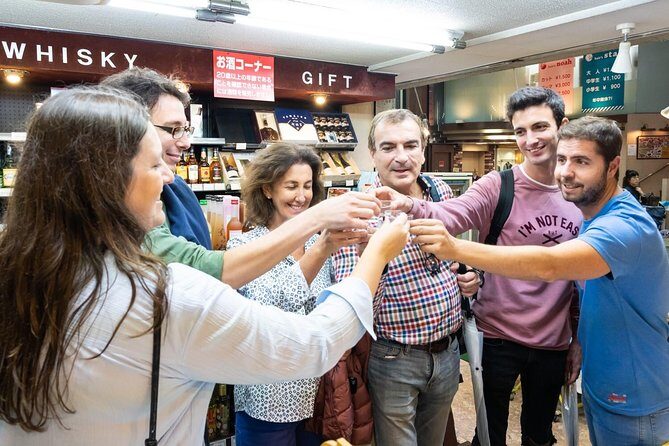
- Small group vibe (up to 6): more conversation, fewer awkward pauses
- Afternoon timing near Fushimi Inari: great if you want culture and flavor in one chunk of time
Soft Water, Sweet Sake: Why Fushimi Works
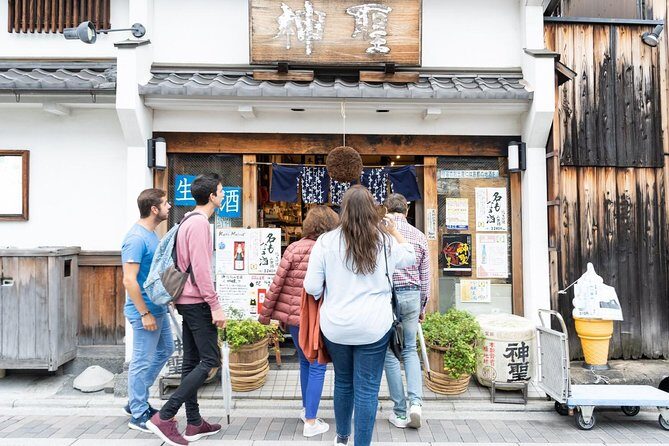
Kyoto’s sake isn’t just about tradition. Part of the appeal is how local conditions shape the drink. This tour starts you on the idea that the soft water around Kyoto affects the way sake tastes, and once you know that, your tasting notes suddenly make sense.
In the Fushimi Inari area, the focus turns toward why this region is known for high-quality sake with a sweeter profile. That doesn’t mean everything you try will be sweet, but it gives you a useful lens for sorting flavors—dry vs. sweet, light vs. round, and how “grade” shows up in the glass.
You can also read our reviews of more food & drink experiences in Kyoto
Getting Started at Momoyamagoryo-Mae Station (1:00 pm)
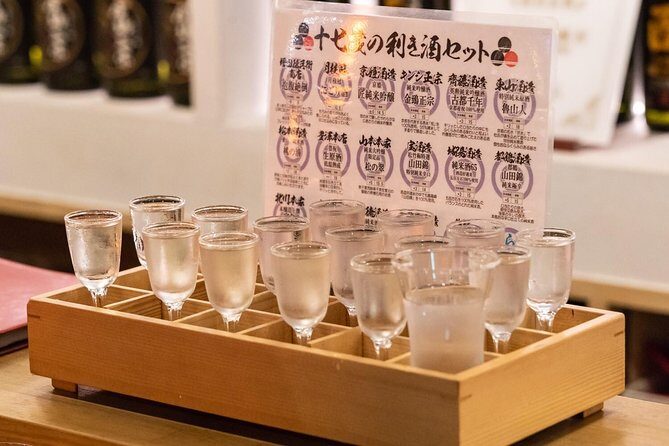
You meet at Momoyamagoryo-Mae Station in Kyoto’s Fushimi Ward, with a 1:00 pm start. The tour is built for people who want an afternoon plan that’s easy to reach by public transport, not a half-day scavenger hunt.
It’s also a good length: about 3 hours. That’s long enough to visit multiple stops and taste widely, but short enough that you’re not stuck in line all afternoon. You’ll be doing some moving between locations, and the tour asks for moderate physical fitness, so wear comfortable shoes.
How the Sake Museum and Breweries Change the Tasting
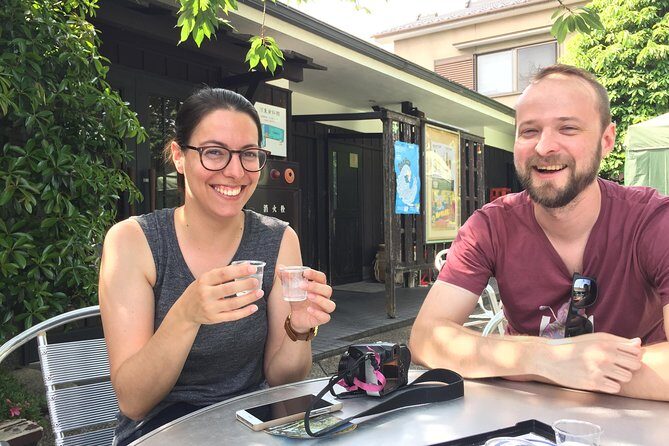
This is not just a “try random cups” outing. You’ll visit a sake museum and breweries/liquor spots to understand how sake is made and why styles differ. When you walk into a place with a production story, tasting stops feeling random.
At one point, you’ll step into three brewery places and then round out the tour with a sake bar experience. That structure matters because it pushes you from general background into concrete comparisons. One brewery may emphasize a particular process or resulting style; another may feel more traditional or bring a different approach.
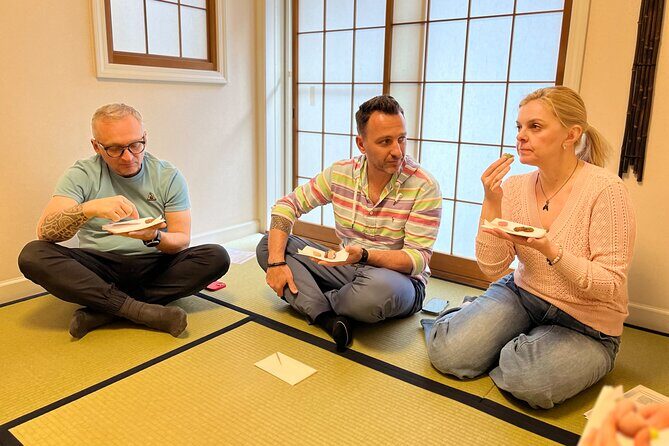
The guides also help you connect what you learn to what you taste. You talk through your favorite brands and flavors, and your questions get answered in a way that keeps the tour lively.
Your Guided Comparisons: Grades, Styles, and What You’re Really Drinking
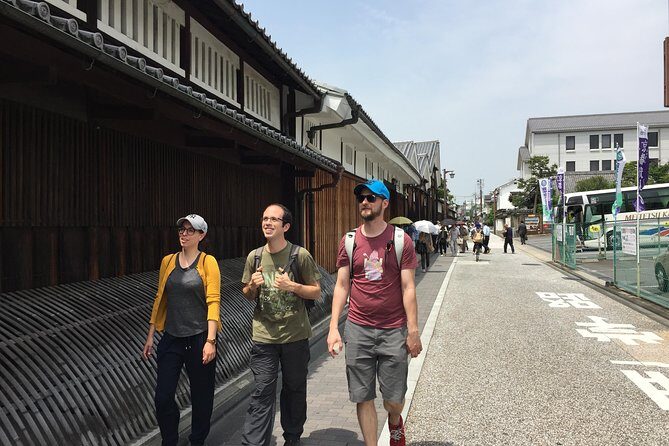
The guide’s job here is to help you make sense of the range. You’ll learn about different grades of sake, and you’ll taste enough variety to feel how grading connects to flavor and texture.
This is where the small group size pays off. In a group of up to 6, it’s easier to have a real conversation rather than just listen to explanations from the back row. You can say things like you’re drawn to something smoother, lighter, or sweeter, and the guide can steer you toward comparisons that match your taste.
This tour offers more than 30 types of sake, so you’ll get repetition without boredom. You can also start spotting patterns, like which styles feel crisp, which feel rounded, and which ones seem to pair better with food.
Tasting in a Garden and Food Court (Yes, You Get Breaks)
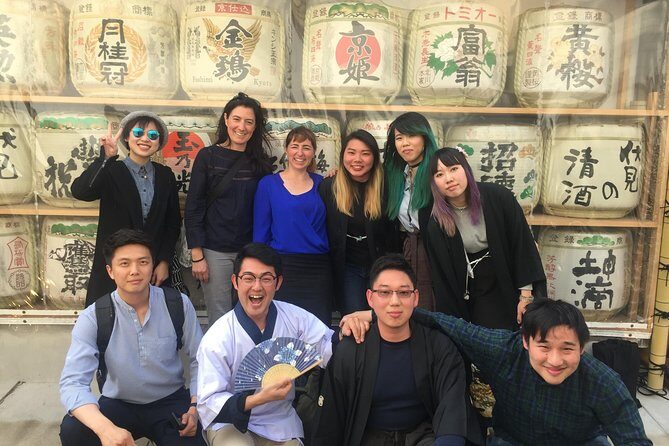
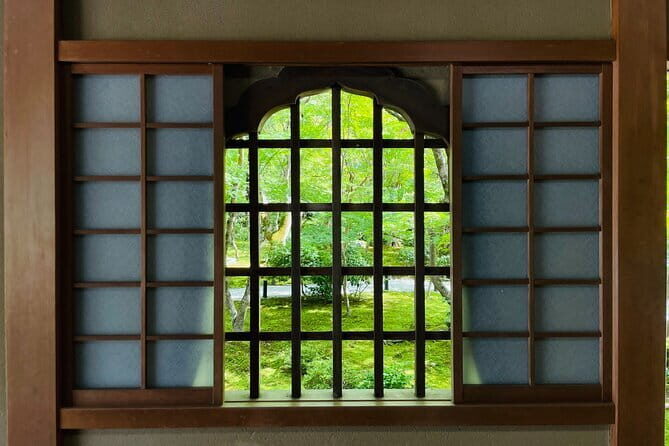
A big part of making sake tasting enjoyable is pacing. This tour builds in moments where you sip in calm locations, including a garden setting and time at a food court.
That matters because sake isn’t only flavor—it’s also aroma, temperature, and how your palate feels between pours. Taking a breather in a quieter spot helps you reset, so the next tasting feels clearer instead of like a blur of alcohol.
You’ll also be able to slow down and talk. With fewer people in the group, these breaks are where conversations tend to click: what you liked, what surprised you, and what you’d order if you were back in Kyoto on your own.
You can also read our reviews of more drinking tours in Kyoto




Fushimi Inari Area Afternoon Walk + Sipping
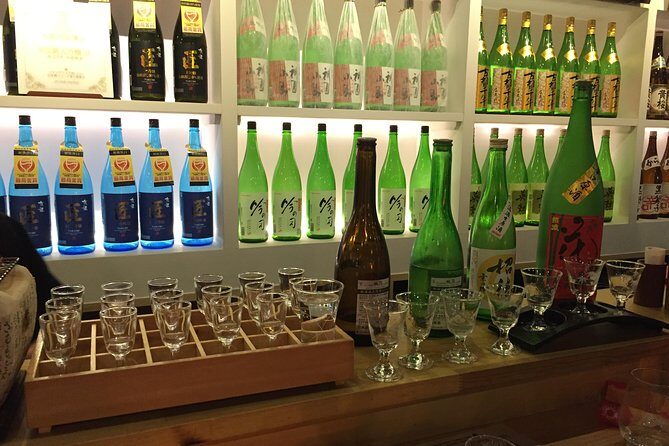
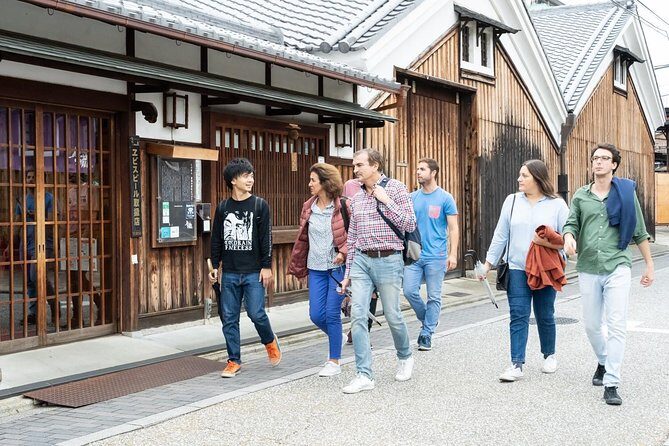
Even when your focus is tasting, the setting counts. This tour is designed around the afternoon near Fushimi Inari Shrine, so you get that sense of place while learning about sake production.
If you’re already planning time around Fushimi Inari, this tour is a smart way to turn a regular cultural stop into something more hands-on. You’re not just looking at the landmark—you’re learning about the area’s role in producing sweet-tasting, high-quality sake.
The timing also helps. An afternoon experience can feel less chaotic than peak morning hours, and you get a satisfying plan that mixes culture and palate education.
Guides Who Actually Make It Fun: Seigo, Shinobu, TaM, Aya
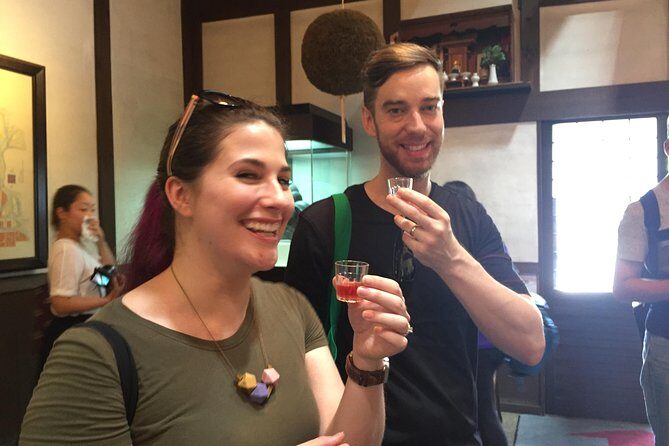
A lot of tours promise “local expert.” This one delivers real personalities. Guides like Seigo and Shinobu are noted for clear English and a warm, funny teaching style, which matters because sake can be confusing if nobody helps you connect the dots.
Some tours run explanations like a lecture. Here, the guide approach is more conversational. You’ll talk about your favorite brands and flavors, and you’ll get answers when you wonder why one sake tastes drier or why one feels sweeter even if they’re both labeled similarly.
And on practical side, guides pay attention to comfort. When it’s hot, you may be offered a cold drink and even a towel, which can be the difference between enjoying tastings and feeling drained.
The Value Question: Why $104.51 Can Make Sense
At $104.51 per person for about 3 hours, the price looks “worth checking” until you factor in what you’re actually getting. Your tastings aren’t a small sampler—this tour includes alcoholic beverages and supports a fairly structured experience with a museum and multiple brewery visits.
Also, the admission ticket is included for your time at the tour’s stops, and you’re paying for the guide time that helps you understand what you’re tasting. If you’ve ever done a self-guided tasting where you’re guessing and ordering randomly, you’ll feel the difference immediately.
One more value point: 30+ types of sake is a lot to try in a short window. That volume helps you find a favorite faster. Instead of buying a bottle you’re unsure about, you can narrow your preferences with real comparisons first.
Practical Stuff You’ll Want to Plan Around
Two practical notes help you enjoy this more:
First, extra food and drinks are not included. Sake tasting can work up an appetite, especially if you’re doing it mid-afternoon. If you like having something in your stomach, consider eating beforehand or budgeting for snacks at the places you stop.
Second, the tour calls for good weather. That doesn’t mean you’re stuck if rain shows up, but it does mean you should keep your schedule flexible. If the experience is canceled due to weather, you should expect a different date or a full refund.
Lastly, the minimum drinking age is 20, so make sure everyone in your group meets it.
Who Should Book This Kyoto Sake Tour?
This works especially well if you:
- want a guided way to learn sake styles, not just random drinking
- like small-group conversations (up to 6 people)
- are curious about why the Kyoto region’s water and production choices create recognizable flavors
- have limited time and want multiple tastings in about 3 hours
It may be less ideal if you:
- hate alcohol tasting or don’t want to commit to 30+ pours
- need a tour that includes meals as part of the price
- have very low interest in the cultural and production side of sake (since the museum/breweries are a core part)
Should You Book This Afternoon Fushimi Inari Sake Tour?
I’d book it if you want a Kyoto experience that’s genuinely about flavor and context. The combination of museum learning, brewery stops, and a high number of tastings makes it far more useful than a simple “bar hop.”
Choose it if you like asking questions and comparing styles, especially with a guide who can talk you through grades and why the local sweet profile shows up in this area. If you also plan to spend time near Fushimi Inari, this is a smart way to add a sensory layer to the neighborhood.
If you’re sensitive to alcohol or expect meals to be included, you’ll need to adjust your plan—eat beforehand and keep expectations clear. For most people, though, this is one of the more satisfying “small time, big payoff” sake tours in Kyoto.
FAQ
How long is the Kyoto sake tasting tour?
The tour lasts about 3 hours.
How much does the tour cost?
It costs $104.51 per person.
Where do I meet for the tour?
You start at Momoyamagoryo-Mae Station (Kannonjicho, Fushimi Ward, Kyoto).
What time does the tour start?
The start time is 1:00 pm.
What is included in the price?
The tour includes alcoholic beverages, a local guide, and culture and history. Admission for the included portion is also covered.
What is not included?
Extra food and drinks are not included.
What’s the maximum group size?
The tour has a maximum of 6 travelers.
What is the minimum drinking age?
The minimum drinking age is 20.
How many types of sake can you try?
You can try more than 30 types of sake.
What happens if the tour is canceled due to weather?
If it’s canceled because of poor weather, you’ll be offered a different date or a full refund.