REVIEW · KYOTO
Kyoto: Sushi Making Experience in Kawaramachi
Book on GetYourGuide →Operated by WILL Co.,Ltd. · Bookable on GetYourGuide
Sushi school in Kyoto is surprisingly hands-on. This Kawaramachi sushi-making experience pairs an easygoing, English-speaking team with a step-by-step class where you make sushi and then eat it right after the lesson.
I especially like that you get taught sushi technique first, not just shown a quick demo. It feels practical from the first minute, even if you’ve never rolled rice before. You also get to bring home a small gift, which is a nice touch for a short class.
The location is another win. It’s just a 5-minute walk from Kyoto Kawaramachi Station, so you can actually fit it into a real Kyoto day instead of building your schedule around it. The main consideration: there’s no hotel pickup/drop-off, and the class doesn’t offer special meals for vegetarians/vegans or halal diets (only shellfish allergies can be handled, with some substitutions).
In This Review
- Key things I’d clock before you go
- Kyoto Kawaramachi sushi-making: why this is a smart short experience
- Where you’ll meet and how to plan your timing
- The 90-minute flow: lecture, hands-on technique, then you eat
- Course choice: nigiri and gunkan-maki vs temari sushi
- Sushi Making Experience Course
- Temari Sushi Making Course
- What you actually learn about sushi (not just “how it tastes”)
- The meal: eating your own sushi is part of the lesson
- Included value: ingredients, meal, and a special gift
- Price check: what $40 buys in Kyoto terms
- Allergies and dietary limits: read this before you book
- Drinks, pace, and what to expect in the room
- Who should book this, and who might prefer something else
- Final verdict: should you book the Kyoto sushi-making class in Kawaramachi?
- FAQ
- How long is the sushi-making session?
- Where is the meeting point?
- Is there hotel pickup or drop-off?
- Is the class offered in English?
- What does the price include?
- Are drinks included?
- What will I make in the Sushi Making Experience Course?
- What will I make in the Temari Sushi Making Course?
- Can the class accommodate vegetarian, vegan, or halal diets?
- What allergies can they accommodate?
- Can I pay later and cancel?
Key things I’d clock before you go
- A full 90-minute session with a short history talk, hands-on sushi making, then your meal
- Clear course options: nigiri + gunkan-maki, or temari sushi + gunkan-maki
- English support from staff who speak English very fluently
- Super convenient meeting area near Kawaramachi Station on the Hankyu Kyoto Line
- Included ingredients, meal, and a special gift, so you’re not nickel-and-dimed during class
Kyoto Kawaramachi sushi-making: why this is a smart short experience
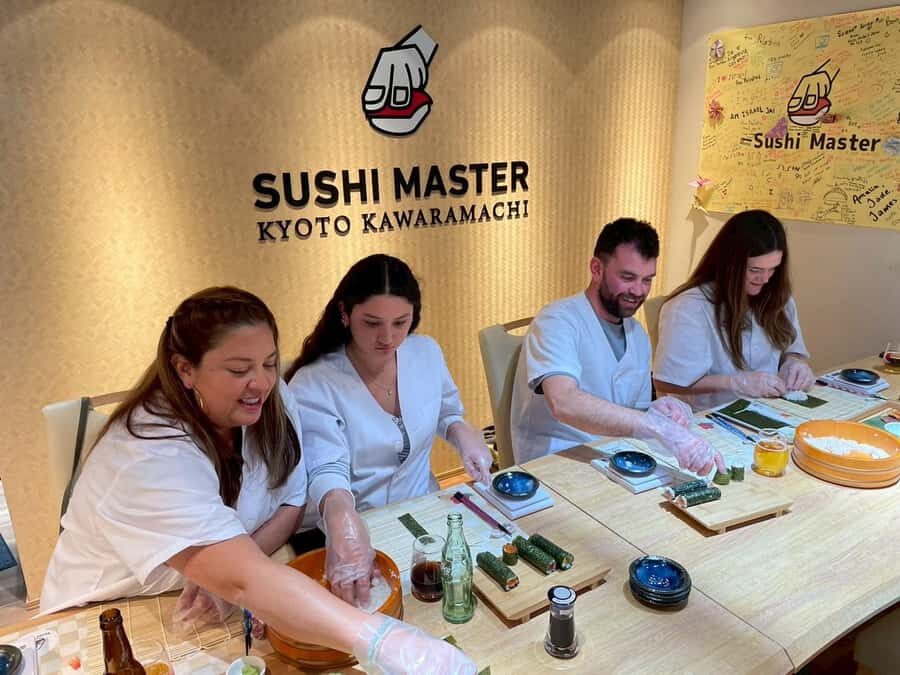
Kyoto has no shortage of food tours. But a hands-on sushi class in the city center is different. You’re not only eating. You’re learning how sushi is built—rice, seasoning, shape, and the small moves that keep everything from turning into rice confetti.
This class is also a good match for real travel pace. At 90 minutes, you get a meaningful activity without losing half a day. And because it’s in Kawaramachi, you can pair it with shopping, temple wandering, or just an easy evening stroll afterward.
Another thing I like about this setup: it’s taught with friendly Japanese staff and English-fluent guidance. That matters. Sushi techniques can get technical fast, and you’ll move more confidently when you can actually follow what’s happening.
You can also read our reviews of more tours and experiences in Kyoto.



Where you’ll meet and how to plan your timing
You’ll meet in the Kawaramachi area, with the exact meeting point varying by the option you book. The big advantage is the location: it’s about a 5-minute walk from Kyoto Kawaramachi Station on the Hankyu Kyoto Line.
That means two practical things for your day:
1) You can arrive a little early and orient yourself without stress.
2) You’re not relying on a shuttle or guide showing up at your hotel.
One more planning note: hotel pickup and drop-off service isn’t available. So if your Kyoto days involve switching districts often, build in a little travel buffer. This is the kind of activity where showing up on time keeps the class flowing.
The 90-minute flow: lecture, hands-on technique, then you eat
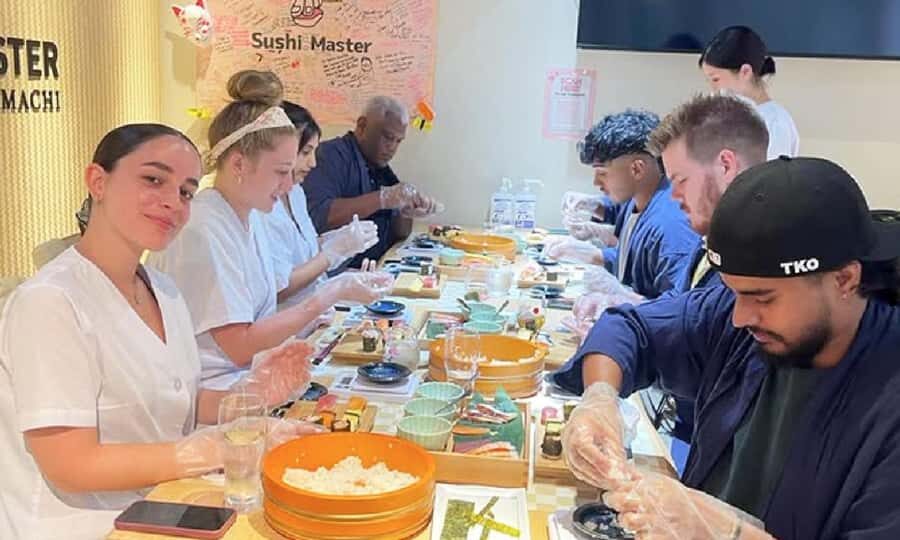
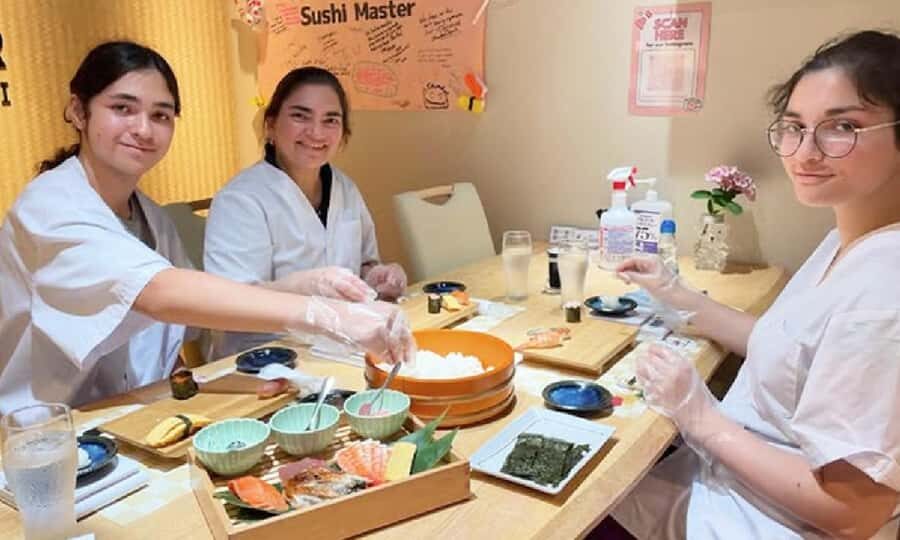
The session is structured, but not stiff. You’ll get:
- a lecture about the history of Japanese cuisine and sushi
- hands-on sushi making with guidance from staff
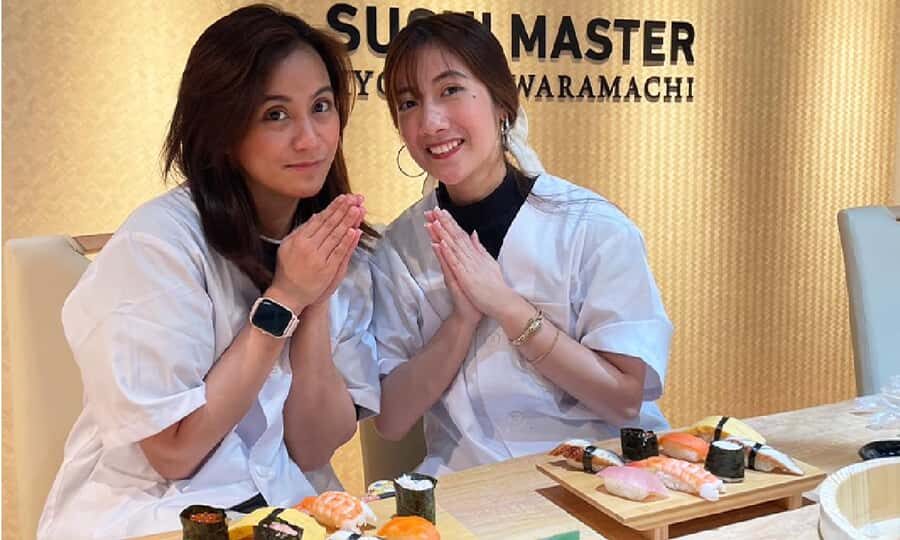
- then you eat the sushi you made
That “teach → make → eat” rhythm is exactly what makes this style of class worth your time. The history part doesn’t feel like filler because it sets context for what you’re doing. You start to understand why certain sushi styles exist and what the basic ideas are behind the flavors and presentation.
After that comes the fun part: doing it with your own hands. In sushi classes, the best moments are the small wins—when the rice lands right, when you get the shape consistent, when your topping placement looks like it should. And then you get to eat it. Not later. Not in theory. Right then.
Course choice: nigiri and gunkan-maki vs temari sushi
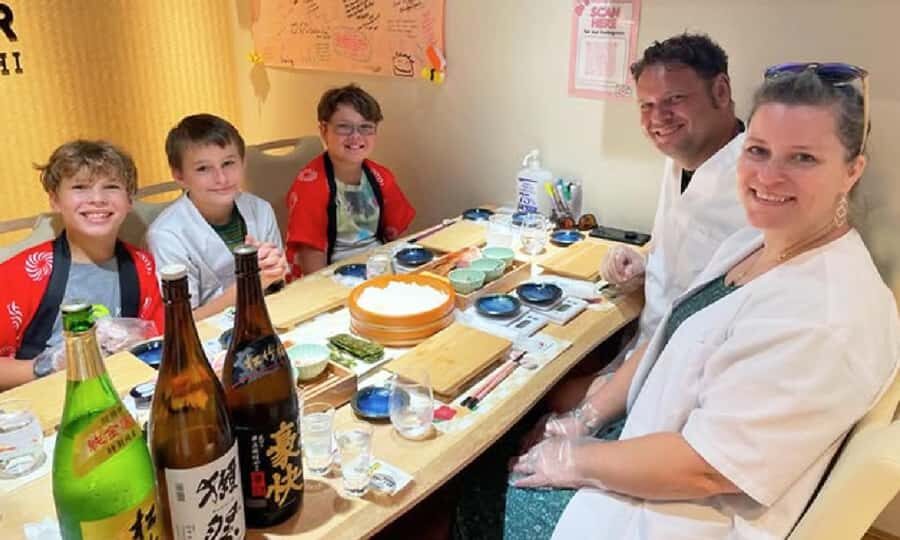
You can pick between two courses. Both are designed for people with different comfort levels.
Sushi Making Experience Course
This version focuses on classic sushi presentation:
- 9 pieces of nigiri sushi
- 3 pieces of gunkan-maki





Temari Sushi Making Course
This one leans into a more playful, ball-shaped sushi style:
- 10 pieces of temari sushi
- 2 pieces of gunkan-maki
Either way, you end up with a real plateful of what you made, not just a tasting bite. And because gunkan-maki is included in both courses, you still get that mix of rice topped with a filling that feels like sushi with attitude.
If you’re the type who learns best by doing traditional forms, go with the nigiri and gunkan-maki option. If you’d rather enjoy shape-making and a slightly different format, the temari course is a great switch-up.
What you actually learn about sushi (not just “how it tastes”)
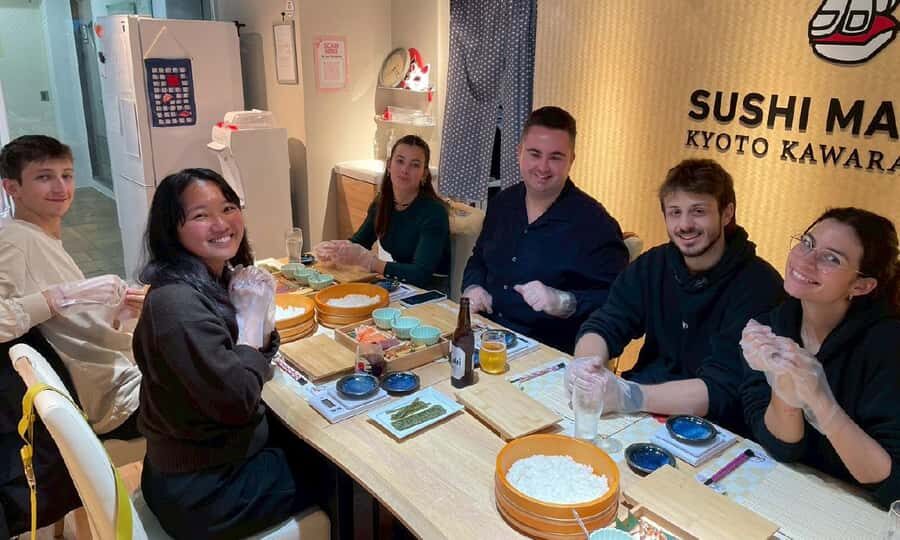
The class includes a lecture on the history of Japanese cuisine and sushi. You’ll also learn the “how” behind sushi making through staff guidance, not guesswork.
In practical terms, what you’ll take away is:
- an understanding of how sushi is assembled (rice + topping/filling + shape)
- technique you can remember later when you order sushi in Kyoto
- more confidence when you see different styles on menus
Even if you don’t aim to recreate sushi at home, this kind of knowledge changes your restaurant ordering. Suddenly, nigiri doesn’t look like a random pile of rice. It looks like a specific method with a purpose. That makes your meals later feel more connected to the culture instead of just being food.
The meal: eating your own sushi is part of the lesson
This experience isn’t a “watch then leave” event. It’s designed so you finish class by eating what you made.
That matters for two reasons:
1) You learn faster. When you build something, then taste it immediately, you can connect technique to result.
2) You feel the satisfaction. You’ll taste your own work, not someone else’s.
You also get sushi meals included. Drinks are not included, but you can order soft drinks and alcohol during class if you want.
Included value: ingredients, meal, and a special gift
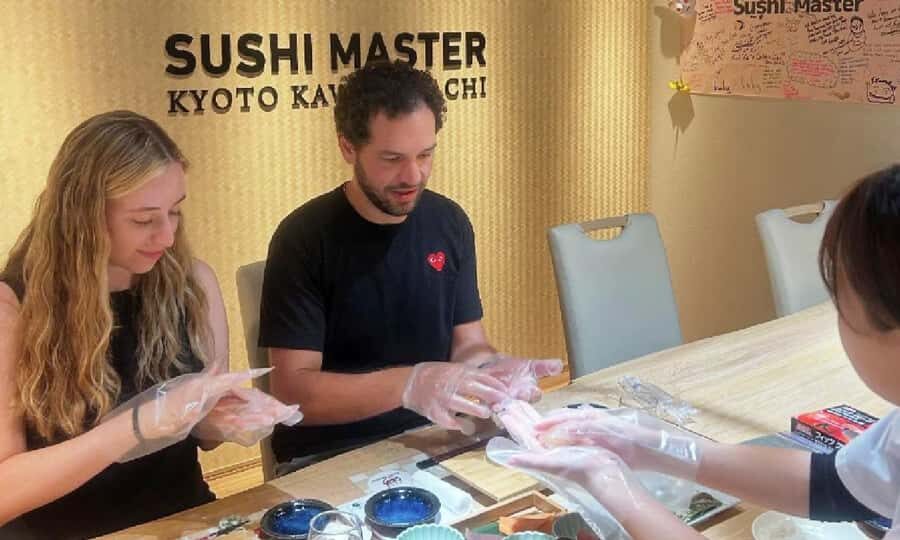
At $40 per person, the value is in what’s bundled.
Included:
- sushi ingredients for the class
- sushi meals
- a special gift
Not included:
- drinks (soft drink and alcohol can be ordered)
- hotel pickup/drop-off
The way I see it, this is one of those experiences where the pricing makes sense because you’re covered for the essentials. Sushi-making requires real ingredients and time, and you’re paying for guided instruction, not just a snack.
Also, the “special gift” and the idea of a small takeaway souvenir add up emotionally. It’s not only a meal. It’s a memory you can hold onto.
Price check: what $40 buys in Kyoto terms
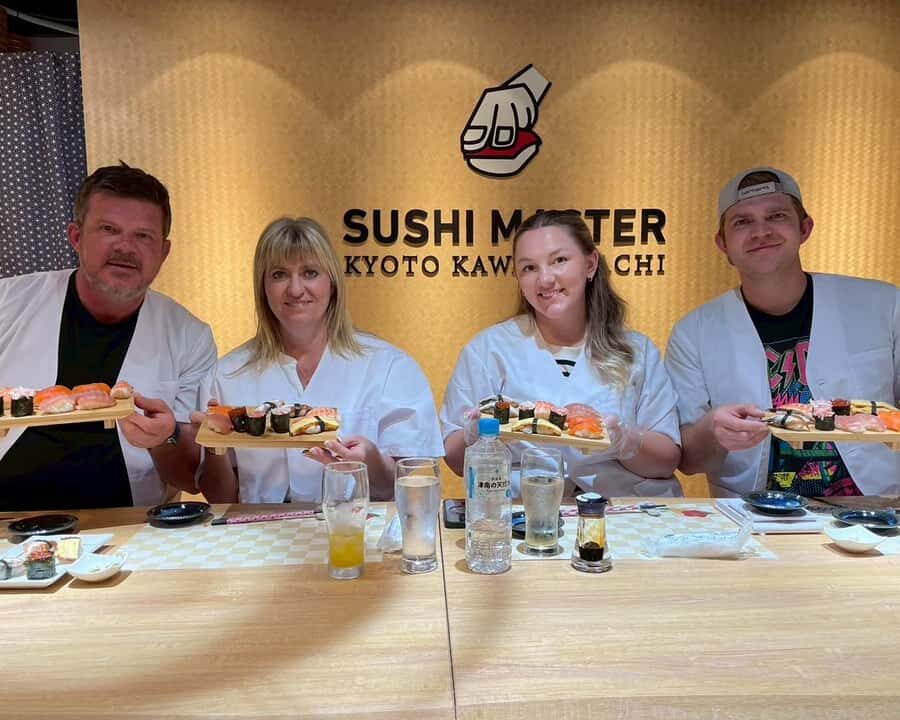
$40 can sound like a lot until you translate it into what you’re getting.
You’re paying for:
- 90 minutes of guided instruction
- ingredients
- sushi meals
- English-fluent support
- a special gift
If you’ve ever taken a cooking class before, you know the real cost is time + teaching + food prep. This one stays compact, which helps keep the price reasonable, while still giving you a full “make and eat” experience.
And because it’s near Kawaramachi Station, you also save time getting there. That’s a quiet cost people forget. Less travel friction means you enjoy more of your day.
Allergies and dietary limits: read this before you book
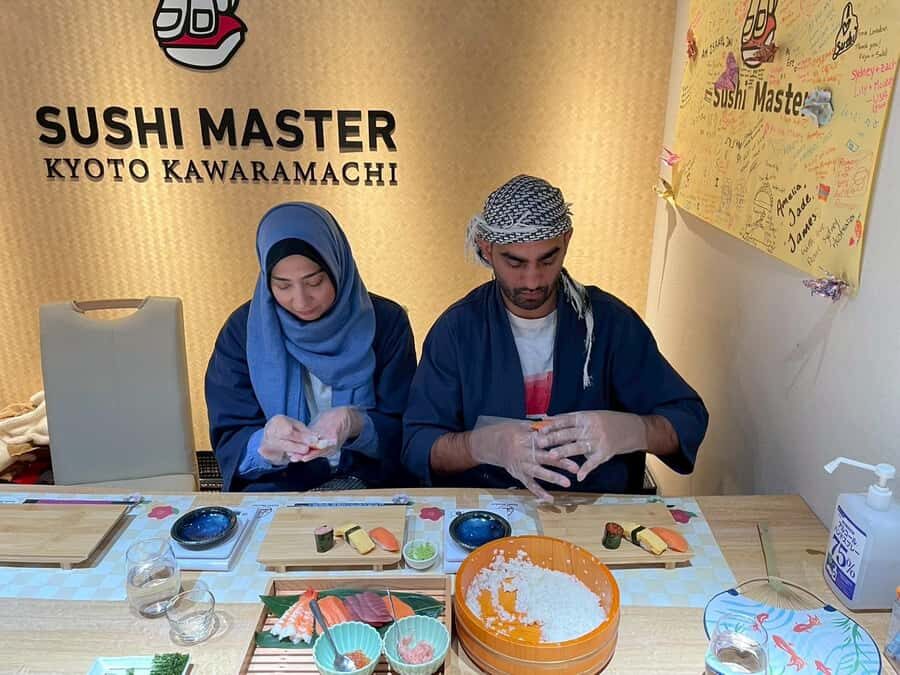
This part is important.
The experience states they only accommodate shellfish allergies. They also mention octopus and squid can be substituted. If your needs are outside shellfish allergies, you should double-check before committing.
Dietary notes:
- No special dishes are provided for vegetarians, vegans, or halal diets.
So if you or someone in your group needs plant-based meals, or you avoid ingredients for halal reasons, this class may not be the best fit.
Drinks, pace, and what to expect in the room
The class runs for 90 minutes. That’s long enough to learn and make multiple pieces, but short enough that it won’t drag.
Because drinks aren’t included (but can be ordered), you’re free to keep it simple. You can also add an extra treat if you want—soft drinks or alcohol are available to order.
Pace-wise, expect the flow to follow the structure: lecture → hands-on making → eating. The English support is a plus here. Sushi technique is easier when you can follow instructions without slowing everything down.
Who should book this, and who might prefer something else
This sushi-making experience is a great fit if you:
- want a hands-on Kyoto activity, not just a tasting
- prefer learning with English-speaking guidance
- like compact experiences that still feel complete
- enjoy traditional Japanese cuisine and want context behind it
It might be less suitable if you:
- need vegetarian/vegan or halal-specific meals
- have dietary restrictions beyond the listed shellfish allergy support
- need hotel pickup/drop-off (it isn’t offered)
If you’re visiting Kyoto as a foodie and want one activity that genuinely changes how you look at sushi afterward, this class is a strong choice.
Final verdict: should you book the Kyoto sushi-making class in Kawaramachi?
Yes—if you want a short, friendly, and practical sushi lesson in one of Kyoto’s most convenient areas. The 90-minute schedule, the English-speaking staff, and the fact that you make and eat your sushi are the big reasons it works.
Book it with extra care if your group has dietary limits beyond the stated shellfish allergy accommodation. Otherwise, this is the kind of experience that turns sushi from “something I ordered” into “something I learned.”
And with a 4.8 rating from 13 reviews, it’s also a reassuring sign that the experience is run in a way people generally enjoy.
FAQ
How long is the sushi-making session?
The session is 90 minutes.
Where is the meeting point?
It’s in the Kawaramachi area. The exact meeting point may vary depending on the option booked, and you should come directly to the class meeting point.
Is there hotel pickup or drop-off?
No. Hotel pickup and drop-off service is not available.
Is the class offered in English?
Yes. The listed language is English, and staff speak English very fluently.
What does the price include?
The price includes sushi ingredients, sushi meals, and a special gift.
Are drinks included?
No. Drinks are not included, but you can order soft drinks and alcohol during the class.
What will I make in the Sushi Making Experience Course?
You make 9 pieces of nigiri sushi and 3 pieces of gunkan-maki.
What will I make in the Temari Sushi Making Course?
You make 10 pieces of temari sushi and 2 pieces of gunkan-maki.
Can the class accommodate vegetarian, vegan, or halal diets?
No special dishes are offered for vegetarians, vegans, or halal diets.
What allergies can they accommodate?
They only accommodate shellfish allergies. They note that octopus and squid can be substituted.
Can I pay later and cancel?
Yes. It offers Reserve & Pay Later, and you can cancel up to 24 hours in advance for a full refund.