REVIEW · KYOTO
Kyoto: Uji Matcha Tea Museum Entry Ticket
Book on GetYourGuide →Operated by Chazuna · Bookable on GetYourGuide
Matcha lessons, in the middle of Uji. A cheap museum ticket here turns Uji tea into something you can understand and actually try with your hands. You’ll walk through two main areas, the Uji Tea Room and the History Room, plus a last-corner photo spot built for easy snapshots.
I especially love how the exhibits explain tea production in plain terms, including the difference between gyokuro and sencha. Another win is the smart presentation of local history—like the giant 10-yen coin with Byodoin Phoenix Hall imagery and a big 4K screen showing townscapes called Meisho-zue.
One thing to consider: this is a museum visit, so you’re trading live tea-field wandering for indoor learning and screens. If you want lots of walking outside, pair it with a nearby Uji stroll.
In This Review
- Key things I’d prioritize
- Uji Tea Room: learning tea the hands-on way
- A quick, smart guide to gyokuro vs sencha
- Touch-and-try digital exhibits (and why that matters)
- History Room: Uji’s story told with screens and symbols
- The 4K Meisho-zue screen: a museum moment worth slowing down for
- Don’t skip the last-corner tea-themed photo spot
- Price and value: what you get for about $3.87
- How to enjoy it in one day without rushing
- Who should book this museum ticket
- Should you book the Kyoto Uji Matcha Tea Museum ticket?
- FAQ
- What does the ticket include?
- How long is the experience valid for?
- Where is this experience located?
- What’s the main learning focus in the museum?
- Is there anything hands-on, or is it only viewing screens?
- What is in the History Room?
- Is there a photo spot during the visit?
- Is the museum wheelchair accessible?
- Can I get a refund if my plans change?
- Who is the experience provider?
Key things I’d prioritize
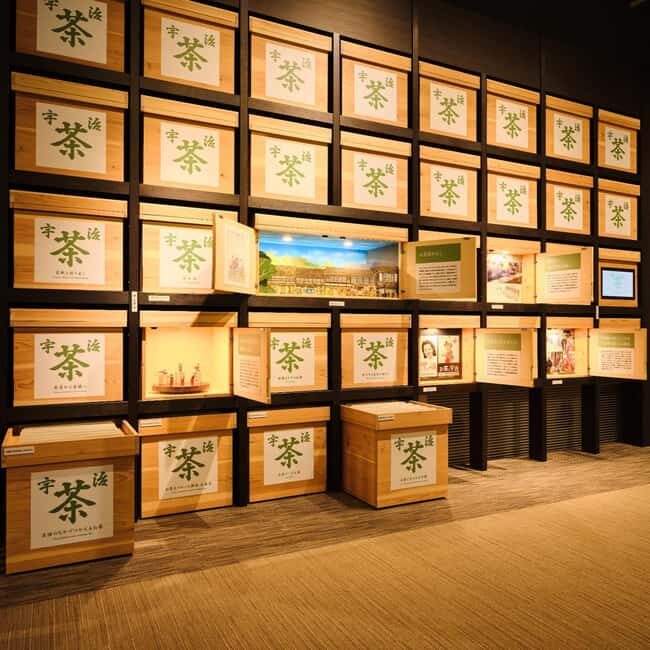
- Hands-on tea experience in digital displays where you can touch and try.
- Practical tea comparisons, including gyokuro vs sencha and how to make good tea.
- Uji history shown visually, with a giant 10-yen coin featuring Byodoin Phoenix Hall.
- A 4K HDTV townscape highlight using the Meisho-zue drawings.
- A dedicated photo stop in the last corner, made for pictures.
Uji Tea Room: learning tea the hands-on way
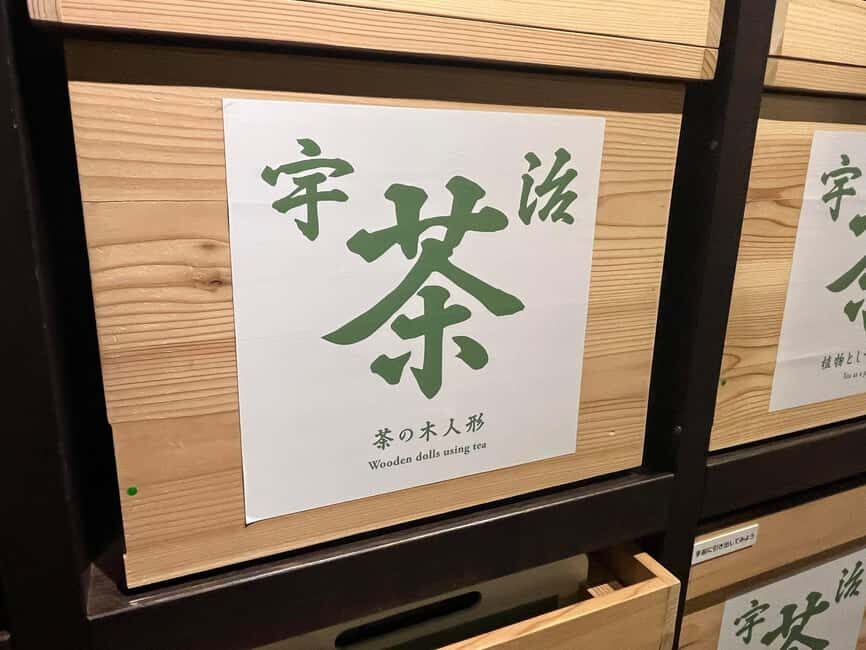
The Uji Tea Room (Uji-cha no Ma) is where the experience earns its keep. Instead of just reading labels, you get digital exhibitions designed around questions people actually ask about tea. You’ll see sections that answer how tea is made, what’s behind the birth story of Uji tea, and whether there’s a special way to brew something delicious.
What makes this room useful for you is that it turns tea talk into something you can connect to real cups. When an exhibit walks through process—how the tea becomes what you drink—it’s easier to make sense of why Uji tea has a reputation. And when you’re shown the difference between gyokuro and sencha, you’re not just memorizing names. You’re learning what to look for when you order or buy tea later.
I also like that the room isn’t age-locked. The experience is designed so kids and adults can both enjoy it, which usually means the explanations are built to be approachable. If you’re traveling with family, this matters. If you’re traveling solo, it’s still a plus because you won’t feel like you’re stuck in a lecture.
A few more Kyoto tours and experiences worth a look


A quick, smart guide to gyokuro vs sencha
In the Uji Tea Room, the gyokuro vs sencha topic is one of the most practical takeaways. The museum frames it as a question visitors ask, and it presents the difference as something you can understand rather than something you need to be born knowing.
Here’s how I’d use what you learn: once you can explain the difference to yourself, you can be more confident when you shop or taste. You’ll be better able to say, I want the type of tea that matches what I just learned about, instead of buying based only on packaging or hype.
Also, because the room covers how to make delicious tea, you can leave with ideas for brewing at home. Even if you don’t brew right away, you’ll at least know what to pay attention to—so your next cup doesn’t feel random.
Touch-and-try digital exhibits (and why that matters)
The museum is very clear that some of the tea experience isn’t purely visual. The digital exhibitions let you actually touch and experience the tea. That small detail changes the whole vibe. It’s one thing to learn about tea. It’s another to have the sensory input that helps knowledge stick.
For you, this means less “read it, forget it” energy. When you can connect your senses to what the exhibit is teaching, the information stays in your head longer. And honestly, it’s just more fun.
If you’re someone who gets bored by museums that feel like screenshots on walls, this is the part likely to keep you engaged. It also gives you something to do besides only looking up at screens.
History Room: Uji’s story told with screens and symbols
After the tea basics, the History Room shifts the focus to place. Instead of only talking about tea as a product, it shows how Uji and the Uji River changed over time and what that history looks like today.
You’ll see a welcome feature that uses a huge 10-yen coin motif with the Byodoin Phoenix Hall. It’s a clever bridge between everyday Japanese money and local heritage. If you’ve seen the 10-yen coin image before, this helps you connect the symbol to the real location and story.
Then the museum gives you digital exhibitions about the town and its timeline. It’s not dry. It’s presented through visual materials, including townscape drawings and high-definition screens. The big standout is a huge 4K HDTV digital screen that displays Meisho-zue—townscape illustrations that help you imagine Uji as it looked in earlier eras.
Why this is valuable for you: tea culture doesn’t live in a vacuum. When you understand that tea production and town life grew alongside the river and local changes, Uji tea starts to feel less like an imported trend and more like a local tradition shaped over time.
The 4K Meisho-zue screen: a museum moment worth slowing down for
The Meisho-zue display is the kind of thing that can be either a quick glance or a memorable stop—depending on how you handle it. I recommend you slow down here. The museum calls it a must-see masterpiece, and the reason is simple: 4K townscape visuals make historical drawings feel closer to life.
If you’re taking photos, this is where you’ll likely spend a little time framing shots. Even if your camera work isn’t perfect, the screen gives you a clear sense of place, and that’s the point. You’re not just viewing art; you’re learning what the town looked like.
You can also read our reviews of more museum experiences in Kyoto





Don’t skip the last-corner tea-themed photo spot
The museum has a tea-themed photo spot in the last corner. That sounds small, but it’s exactly the kind of detail that turns a straightforward ticket into a more satisfying visit.
I’d treat it like a “finish strong” moment. When you leave the photo stop until the very end, you’re more likely to remember to take pictures—before you’re tired, before you’re distracted, and before you’re halfway out the door.
Bring your phone charger or spare power if you’re the type who takes many shots. Also, glance around first. Photo spots like this usually work best when you position yourself so the backdrop reads well in your frame.
Price and value: what you get for about $3.87
At $3.87 per person, this ticket pricing is the kind of value that makes it hard to skip. You’re not paying for a long guided day. You’re paying for a compact experience that combines learning, interactive elements, and local context.
Here’s what makes the value feel real rather than cheap-and-cheerful:
- You get explanations about tea production, including common questions.
- You learn practical differences like gyokuro vs sencha.
- You get local history context tied to recognizable cultural symbols (the 10-yen coin motif and Byodoin Phoenix Hall imagery).
- You get a high-definition, eye-catching presentation via the 4K Meisho-zue screen.
- You end with a clear photo opportunity.
If you’re trying to build a low-cost Kyoto itinerary that still feels meaningful, this works. It’s also an easy “weather backup” since it’s an indoor museum setup.
How to enjoy it in one day without rushing
The experience is valid for 1 day, so you can fit it into your Kyoto plans without stressing over one tight timing window. That flexibility is helpful if your day gets thrown off by transit delays, crowds, or just the pace of your walking route.
To make your visit feel complete, I’d follow this order:
- Start with the Uji Tea Room first, so you understand what you’re looking at when the history and symbols come later.
- Spend time on the 4K screen in the History Room, since it’s the visual “wow” moment.
- Save enough energy for the last-corner tea-themed photo spot so you don’t leave regret-free.
If you’re short on time, prioritize the hands-on touch experience and the gyokuro vs sencha section. Those are the most likely to give you lasting takeaway value.
Who should book this museum ticket
This ticket fits best if you want:
- A tea-focused stop that explains the basics of Uji tea rather than assuming you already know it.
- A family-friendly indoor activity where both kids and adults can follow along.
- A cultural history add-on that connects Uji tea to local symbols like Byodoin Phoenix Hall and the 10-yen coin motif.
- Low-cost value with interactive elements and a photo spot.
It may be less ideal if you’re looking for an outdoor, full-day Uji countryside tour. This is a museum experience, and it’s strongest when you’re happy to spend time reading, watching, and interacting indoors.
Should you book the Kyoto Uji Matcha Tea Museum ticket?
If you’re in Uji or nearby and you want an easy, affordable way to learn what makes Uji tea special, I’d book it. The combination of the Uji Tea Room’s touch-and-try exhibits, the gyokuro vs sencha learning, and the History Room’s 10-yen coin and 4K Meisho-zue visuals gives you both flavor knowledge and local context for the price.
Skip it only if you’re mainly after outdoor experiences, or if museums generally don’t hold your attention.
FAQ
What does the ticket include?
The ticket includes museum admission for the Kyoto Uji Matcha Tea Museum.
How long is the experience valid for?
The ticket is valid for 1 day.
Where is this experience located?
It takes place in Honshu, Japan.
What’s the main learning focus in the museum?
The museum focuses on Uji tea—its history, production methods, and how different types like gyokuro and sencha compare.
Is there anything hands-on, or is it only viewing screens?
You can touch and experience the tea through digital exhibitions in the Uji Tea Room.
What is in the History Room?
The History Room features digital exhibitions about Uji and the Uji River over time, including a large 10-yen coin with Byodoin Phoenix Hall imagery and a big 4K HDTV screen showing Meisho-zue townscape drawings.
Is there a photo spot during the visit?
Yes. There’s a tea-themed photo spot in the last corner.
Is the museum wheelchair accessible?
Yes, the experience is wheelchair accessible.
Can I get a refund if my plans change?
Yes. Free cancellation is available up to 24 hours in advance for a full refund.
Who is the experience provider?
The experience provider is Chazuna.