REVIEW · KYOTO
Kyoto:Seasonal Kaiseki Reservation at Hanasaki Nishiki
Book on GetYourGuide →Operated by TakeMe Co.,Ltd. · Bookable on GetYourGuide
A quiet machiya turns dinner into a reset button. I love the seasonal kaiseki approach that spotlights Kyoto vegetables and fresh local ingredients, and I also love the calm tatami setup that makes the meal feel unhurried. The one drawback to think about: this is a true reservation restaurant meal with no guide, so you’ll want to be comfortable walking in and following the flow on your own.
Even though it’s close to Kyoto’s central shopping and business area around Shijo-Karasuma, the setting feels removed from the rush thanks to the inner garden and traditional townhouse atmosphere. You’ll eat a full, multi-course experience in about 2 hours, built around monthly menu changes that track the seasons.
In This Review
- Key Things I’d Prioritize Here
- A Quiet Machiya Meal Steps From Shijo-Karasuma
- How the Two-Hour Kaiseki Reservation Works
- What You’ll Eat: Monthly Kyoto Vegetables, Tofu, Seafood, and More
- Tatami Rooms and Garden Views That Change the Pace
- Service Style: Warm, Attentive, and Easy to Follow in English
- The $39 Value: What’s Included and What Costs Extra
- When to Book: Business Lunch, Cultural Night, or a Special Occasion
- Maiko and Geiko Requests for Extra Kyoto Flair
- Should You Book Hanasaki Nishiki for Kyoto Kaiseki?
- FAQ
- Is this experience guided?
- How long is the kaiseki meal?
- What is included in the $39 price?
- Are drinks included?
- Where is the restaurant, and how do I get there?
- Do the seats include tatami or horigotatsu?
- Can I arrange maiko or geiko performances?
- Does the menu change?
- Can I cancel, and is payment flexible?
Key Things I’d Prioritize Here
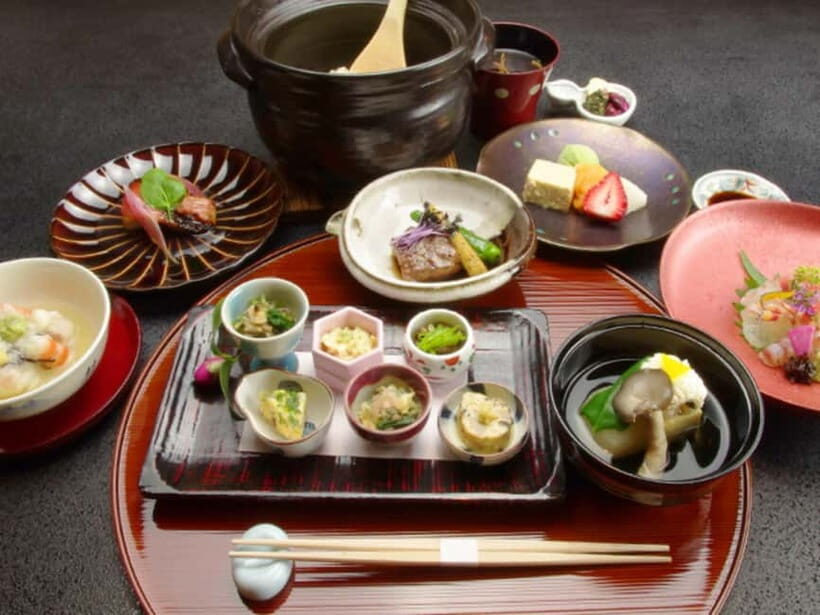
- Monthly-changing kaiseki menu tied to the season, so you’re not eating the same thing every month
- Kyoto ingredients in the spotlight, including Kyoto vegetables and tofu
- Tatami or horigotatsu seating in a calm, intimate space
- Inner garden view that makes the whole meal feel slower and more reflective
- English dish explanations available, which helps international diners enjoy each course
- Maiko or geiko performances by request, if you want extra Kyoto atmosphere
A Quiet Machiya Meal Steps From Shijo-Karasuma
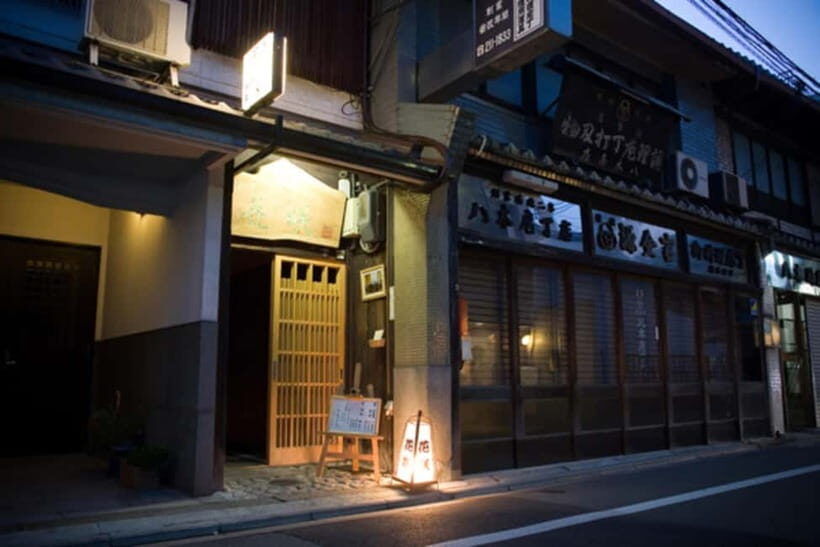
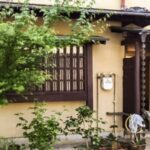
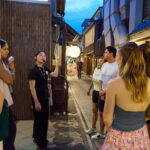
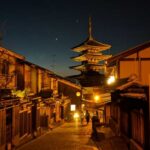
Hanasaki Nishiki is the kind of place you’d miss if you were just rushing down the main streets. You’re in the heart of Kyoto’s action—near Shijo-Karasuma—yet you enter through a quiet alley and step into a traditional machiya townhouse where the pace changes.
That contrast is exactly what makes this kaiseki work for a wide range of plans. If you’re shopping, meeting someone for lunch, or trying to have a cultural evening without taking a long commute, this location is practical. You can stay centered, then enjoy a dining room that feels like a pocket of calm.
The restaurant’s layout matters too. You’re looking at a peaceful inner garden from your seating area, and that small detail can completely change how you experience a meal. It’s harder to feel rushed when the space is designed for quiet conversation and slow tasting.
You can also read our reviews of more tours and experiences in Kyoto.


How the Two-Hour Kaiseki Reservation Works
This is a reservation-only restaurant experience, not a guided tour. That means there’s no meeting point with a host and no guide walking you through the meal. When your time comes, you simply go in to the restaurant directly.
Timing is also straightforward: the duration is about 2 hours, and you can check availability for starting times. So you’re not committing your whole evening, but you are giving the kitchen enough space to pace the full multi-course flow.
Getting there is easy because it’s walkable from two major stations:
- About a 5-minute walk from Karasuma Station on the Hankyu Kyoto Line
- About a 5-minute walk from Shijo Station on the Kyoto Municipal Subway Karasuma Line
If you’re traveling with luggage or you just want to minimize hassle, being close to both stations is a real win. You can change plans without turning dinner into a logistics problem.
One more practical note: drinks are not included except for water, so you’ll want to decide ahead of time whether you’ll just stick with water or plan for additional beverages.
What You’ll Eat: Monthly Kyoto Vegetables, Tofu, Seafood, and More
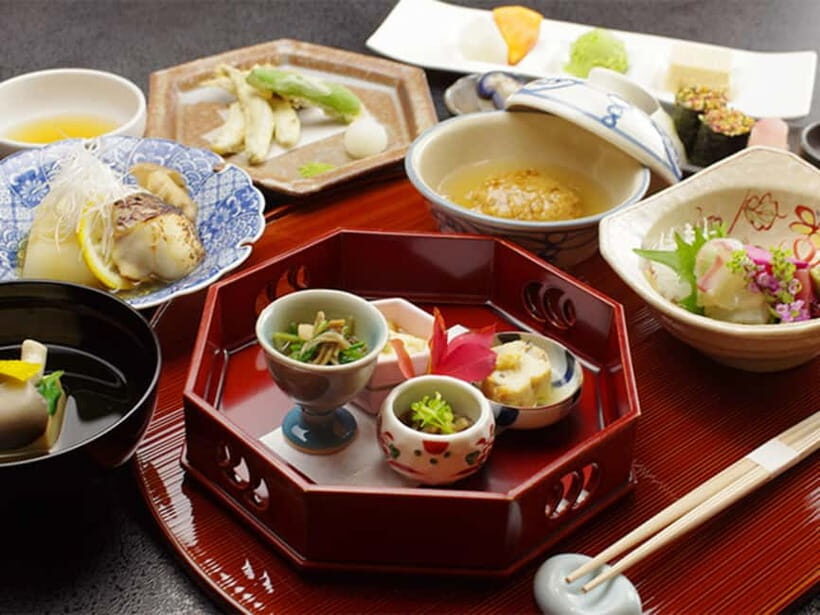
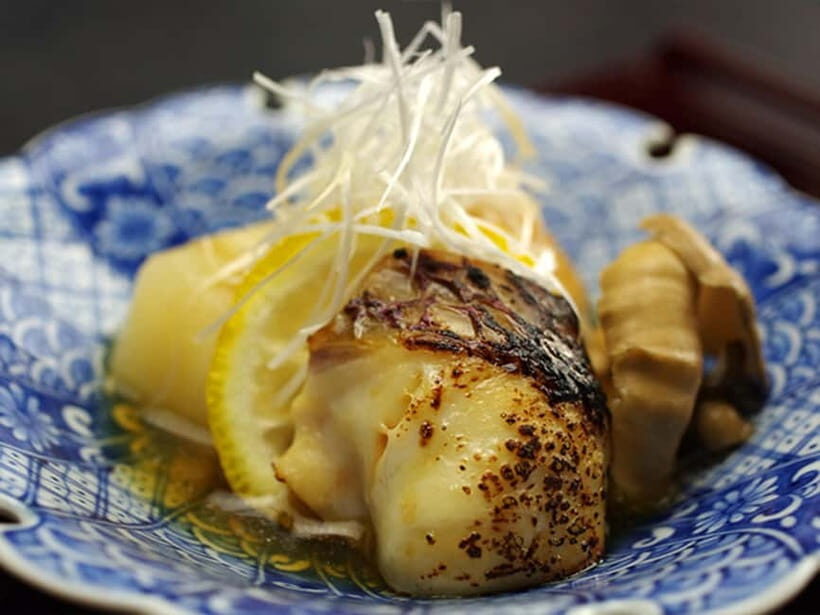
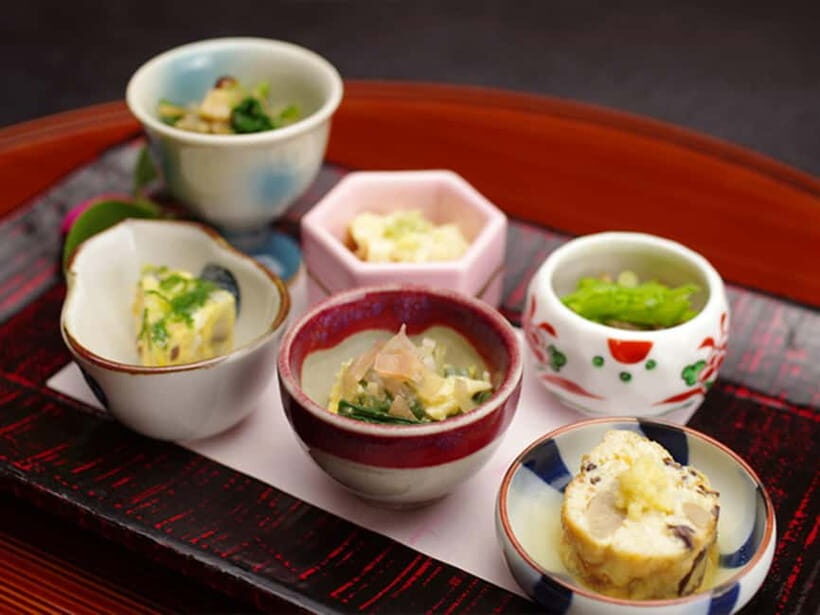
Kaiseki is not about one big showy dish. It’s about sequence—small courses that move from lighter flavors to richer ones, with texture and temperature doing some of the storytelling.
At Hanasaki Nishiki, the menu is seasonal and changes monthly, so you’re meant to taste what Kyoto’s markets and farms are offering right now. The idea is washoku-style balance: harmony in ingredients, presentation, and the way courses complement each other.
From the description, you can expect Kyoto-focused ingredients such as:
- Kyoto vegetables
- Tofu
- Seasonal seafood
- Kyoto beef (mentioned as part of the course experience)
That Kyoto ingredient emphasis is valuable for two reasons. First, it gives you a more local version of “Japanese fine dining,” not a generic seasonal menu. Second, it makes the meal feel like a snapshot of the season—so even if you’ve tried kaiseki before, you’re not repeating the same framework.
Also, don’t treat this as just a food sampling mission. The courses are meant to be visually considered too. Presentation and texture are part of the point, and the calm setting gives you room to actually notice.
Tatami Rooms and Garden Views That Change the Pace
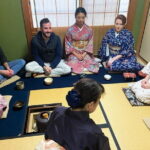
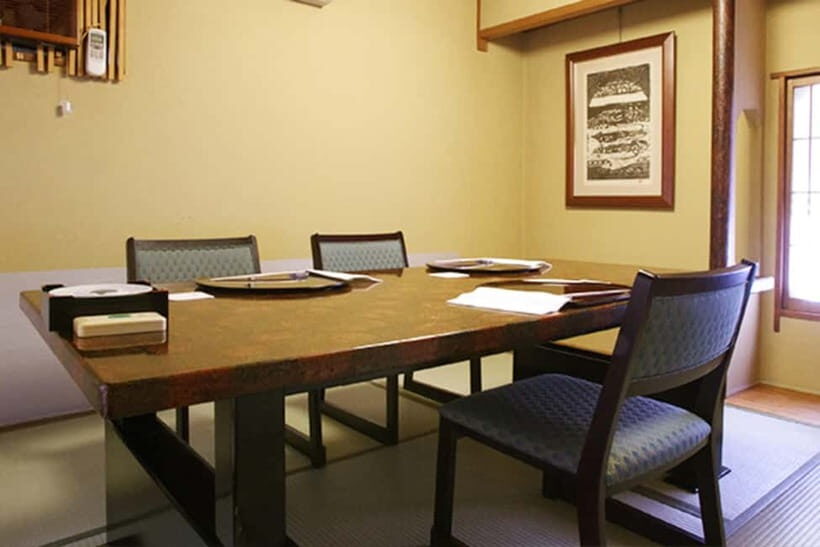
If you’re used to quick meals in busy restaurants, this is the opposite mood. The dining rooms offer private tatami or horigotatsu seating, and the whole experience is built around quiet comfort.
Tatami seating is one of those details that instantly makes the meal feel more ceremonial. You’re sitting lower, the room feels more intimate, and it encourages gentler conversation. If you prefer a slightly more grounded traditional setup, horigotatsu can also create a cozy rhythm.
Then there’s the inner garden. Even if you’re not a “garden person,” it helps you reset your attention. Kyoto dining has a way of making you notice the smallest things—colors, plating, seasonal ingredients—because nothing about the room is competing for your focus.
This kind of atmosphere is ideal when you want:
- a cultural dinner without noise
- a business lunch that still feels respectful
- a special occasion that doesn’t turn into a production
And because the restaurant feels calm even near a central district, it works for both first-timers and people who want a “real Kyoto” meal without the travel time.
Service Style: Warm, Attentive, and Easy to Follow in English
Kaiseki can feel intimidating if you don’t know what’s happening course to course. Here, that’s handled with attentive service that doesn’t hover.
The key practical detail: the staff can explain dishes in English. That matters because it helps you connect each course to the season and ingredients instead of just eating and hoping.
You’re likely to get a smoother experience if you:
- take your time between courses
- ask simple questions if you’re unsure what you’re tasting
- let staff guide the pacing rather than trying to speed through
The tone is also important—attentive without being intrusive. That’s the sweet spot for a multi-course dinner because you don’t want to feel like you’re being rushed, but you also don’t want to chase down basic needs.

The $39 Value: What’s Included and What Costs Extra
At $39 per person for a full kaiseki course, this can be good value, especially because it includes the essentials tied to the experience. What you get:
- the full course menu
- sales tax
- the reservation
What you pay extra for:
- drinks (water is included)
- other personal expenses
Why the included-reservation structure matters: you’re not trying to coordinate a difficult timing slot on your own. With kaiseki, timing is part of the meal’s flow, so having the reservation built in saves stress.
Cost comparisons in Kyoto can get wild fast, particularly when you include both the meal and beverages. If you keep it simple—water plus the meal—you get a more predictable budget. If you want to add sake or other drinks, the total cost will rise, but you’ll also be able to match the flavors more closely to the courses.
Overall, the price makes sense if you want a structured Kyoto meal in a calm traditional setting without spending a small fortune.
When to Book: Business Lunch, Cultural Night, or a Special Occasion
This is one of those meals that fits multiple travel styles.
If you’re on a business trip, the location around the Shijo-Karasuma area is a major advantage. You can stay central, meet someone, and still have a dining experience that feels respectful and composed—not loud, not rushed.
For a cultural night, you’re getting traditional seating and a seasonal washoku approach. The monthly changes mean it’s designed to be experienced rather than just “consumed.”
For special occasions, the structure helps. A multi-course meal naturally marks the moment, and the intimate setting makes it feel more personal than a standard restaurant dinner. Plus, the option to add performances by request can turn a normal date dinner into something more Kyoto-themed.
Maiko and Geiko Requests for Extra Kyoto Flair
If you want more than just the food, Hanasaki Nishiki can arrange maiko and geiko performances upon request. That’s not automatic in the base description, so you’d want to ask ahead when you book (or as soon as possible after booking, depending on the process you’re using).
Even if you’re not chasing traditional entertainment, it’s worth thinking about why this option exists. Kyoto dining often pairs culinary care with cultural presence. If you’re building a Kyoto itinerary around tradition, having the option to add a performance can make the night feel more complete.
Should You Book Hanasaki Nishiki for Kyoto Kaiseki?
Yes—if you want a traditional Kyoto kaiseki dinner with seasonal Kyoto ingredients and a calm townhouse atmosphere, and you don’t need a guide to navigate the experience.
I’d especially recommend it if:
- you want a central Kyoto location near Shijo-Karasuma
- you prefer tatami or horigotatsu seating over modern banquet rooms
- you care about seasonal ingredients and course-by-course pacing
- you’d like English dish explanations to make the meal easier to enjoy
Skip it if you’re looking for a fully guided, scripted experience with lots of group logistics. This is a restaurant reservation meal, so you’re stepping into the rhythm yourself.
FAQ
Is this experience guided?
No. No guide is provided. You enter the restaurant directly when your reservation time comes.
How long is the kaiseki meal?
The duration is about 2 hours.
What is included in the $39 price?
The full course menu, sales tax, and the reservation are included.
Are drinks included?
Drinks are not included, except water.
Where is the restaurant, and how do I get there?
It’s about a 5-minute walk from Karasuma Station (Hankyu Kyoto Line) and a 5-minute walk from Shijo Station (Kyoto Municipal Subway Karasuma Line).
Do the seats include tatami or horigotatsu?
Yes. The restaurant offers private tatami or horigotatsu seating.
Can I arrange maiko or geiko performances?
Maiko and geiko performances can be arranged upon request.
Does the menu change?
Yes. The kaiseki menus change monthly to reflect the seasons.
Can I cancel, and is payment flexible?
Free cancellation is available up to 24 hours in advance for a full refund, and you can use the reserve now & pay later option.