REVIEW · KYOTO
Authentic Kyoto Tea Ceremony: Camellia Flower Teahouse
Book on Viator →Operated by Camellia · Bookable on Viator
Matcha can be a workout for your mind. In Kyoto at Camellia Flower Teahouse, I love the make-your-own matcha part and the English instruction that turns a ritual into something you can actually do. One heads-up: the space is not wheelchair accessible.
Expect a calm pace: about 45 minutes, max 8 people, and a meet-up in Kyoto’s Higashiyama Ward that’s easy to reach on public transit. This is for all ages, but kids under 6 can’t join.
You’ll be given the gear and guidance—tea bowls, tea scoops, and whisks—plus time to ask questions. Photos and short videos are allowed, and chairs and tables are available if you don’t want to sit on the floor.
In This Review
- Key things to know before you go
- Finding Camellia Flower Teahouse in Kyoto’s Higashiyama Ward
- What Happens During the 45-Minute Kyoto Tea Ceremony
- Utensils, Steps, and Why Precision Matters for Matcha
- Sweets, Questions, and the Etiquette Behind the Calm
- Whisking Your Own Bowl of Frothy Matcha
- Price of $36.48: Is This Kyoto Tea Ceremony Good Value?
- Who This Tea Ceremony Fits Best in Your Kyoto Day
- Final Thoughts: Should You Book Camellia Flower Teahouse?
- FAQ
- How long is the Kyoto tea ceremony at Camellia Flower Teahouse?
- What is included in the experience?
- Can I take photos or video?
- Is kimono rental included?
- Is the tea ceremony wheelchair accessible?
- What are the age requirements?
Key things to know before you go
- Higashiyama meeting point in Kyoto, near public transportation
- 45 minutes on the clock for a full hands-on tea ceremony
- Small groups (max 8) so you actually get practice, not just watching
- Utensils included so you can make your own matcha bowl
- English-speaking instructors who teach from one of Kyoto’s tea schools
- Kimono rental is optional for an extra layer of authenticity
Finding Camellia Flower Teahouse in Kyoto’s Higashiyama Ward
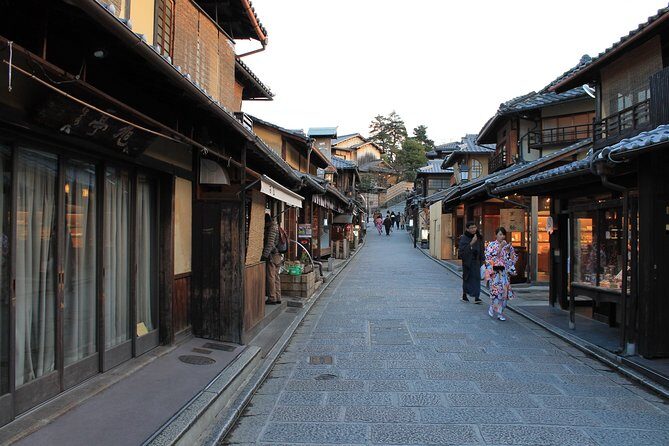
Camellia Flower Teahouse meets in Kyoto’s Higashiyama Ward, at Tea Ceremony Camellia FLOWER, 349-13 Masuyachō. That neighborhood matters. You’re in a part of Kyoto where you can walk off your sightseeing and shift gears into something slow and traditional.
The session is short enough to fit into a busy day. Think of it as a reset button after temples, shopping streets, and train stations. And since the place is near public transportation, you’re not stuck planning around a complicated route.
Group size is kept small (maximum 8). That affects your experience in a big way: you get real attention, and the instructor can correct your whisking or your pace without rushing you.
One more practical point: the room setup can mean floor seating by default, but chairs and tables are available. So you can choose comfort without missing the ceremony.
You can also read our reviews of more tours and experiences in Kyoto.


What Happens During the 45-Minute Kyoto Tea Ceremony
A typical session follows a clear flow, and it’s paced so you don’t feel lost. First, the host welcomes you with a brief matcha introduction. You learn the basic context: what matcha is, why it’s prepared with care, and why tea ceremony is more than a drink.
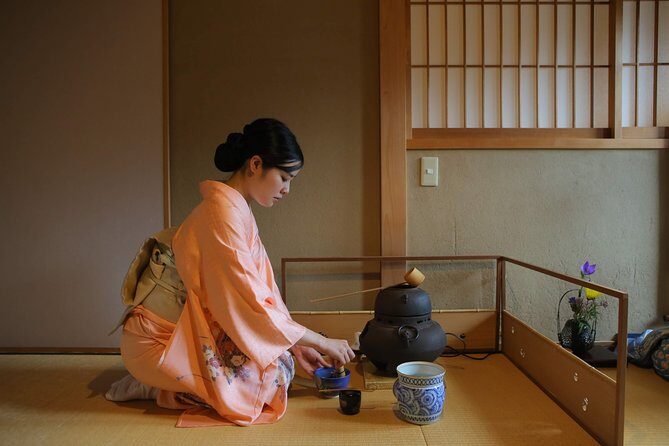
Then the instructor explains the steps and the tools. You’re not just told what to do—you’re shown how the utensils work together, and why the room decoration and layout matter. That sounds abstract until you see how the ceremony uses small movements to set a tone of respect and calm.
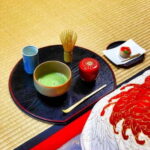
After the explanation, you get a seasonal sweet with your tea. It’s a simple pairing, but it helps you taste the experience as more than a matcha lecture. And you’re encouraged to ask questions during the session, which is where this activity turns from a performance into a real cultural exchange.
Finally, the ceremony ends with you making your own bowl of frothy matcha. That hands-on ending is a big deal. It’s one thing to watch a tea master move with grace. It’s another to try, mess up a little, then get it right—under guidance.
Utensils, Steps, and Why Precision Matters for Matcha
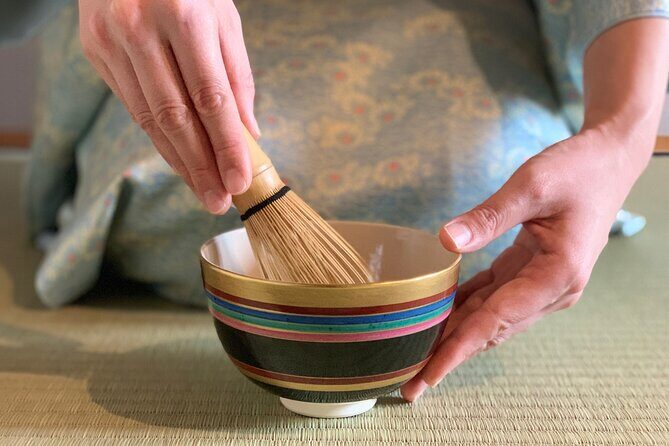
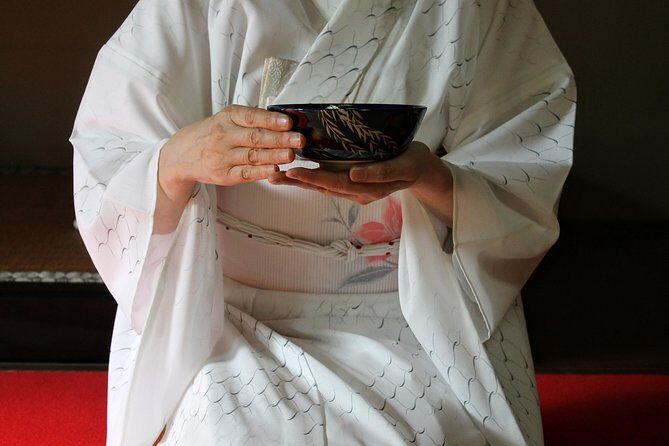
The tea ceremony here gives you the actual tools: tea bowls, tea scoops, and tea whisks. You use what you’ll also see in the ritual, instead of doing a simplified demo where you never touch the important parts.
The teaching focuses on procedure and details. The best part is that the instructions are clear and in English. You’ll be able to connect each step to the idea behind it—like why certain motions are done slowly, and why cleanliness and respect are part of the flow.
The experience also highlights the importance of the room itself. You learn that layout and decoration are not random. They help create the right mood and spacing for the actions—especially because tea ceremony is about mindfulness, not speed.
From the feedback, the most praised moments are how precise the process feels and how thoughtfully the instructor explains it. If you’re the type who likes doing something correctly, you’ll probably enjoy how the ceremony turns into practical skill-building. If you’re the type who just wants quiet, the pacing still works. It’s calm, structured, and not chaotic.
Sweets, Questions, and the Etiquette Behind the Calm
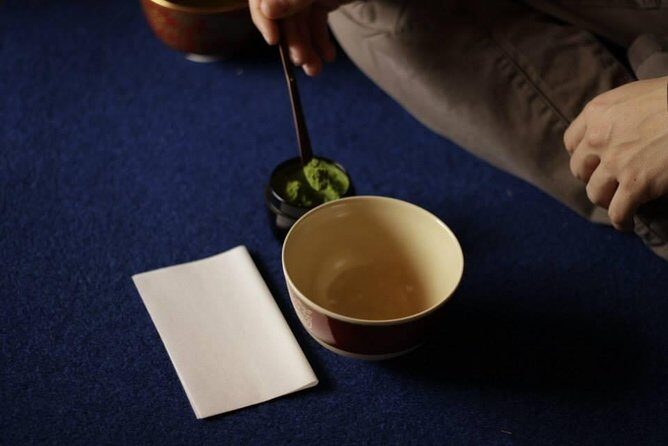
Tea ceremony often gets sold as peaceful and spiritual, and that’s not just marketing talk. In this class, the calm comes from structure: the steps have order, and you’re given space to understand what’s happening rather than being rushed through.
You’ll also have plenty of time to chat with the host and ask questions. That matters because Japanese tea culture has lots of small layers—what utensils mean, what certain gestures represent, and how the ritual builds respect. If you’ve got questions about Japan in general, this is one of the more relaxed places to ask them.
A seasonal sweet is included with your tea. That’s not just dessert for dessert’s sake. The sweetness helps you notice flavors more clearly, and it breaks up the concentration required for matcha.
Photos and short videos are permitted, which is handy. You can capture the moment, then still keep your mind on what you’re learning. And in case you’re wondering about comfort: chairs and tables are available, so you can participate without forcing yourself into floor seating if that’s a problem.
One caution: the space isn’t wheelchair accessible. So if mobility is a concern, you’ll want to plan around that before booking.
Whisking Your Own Bowl of Frothy Matcha
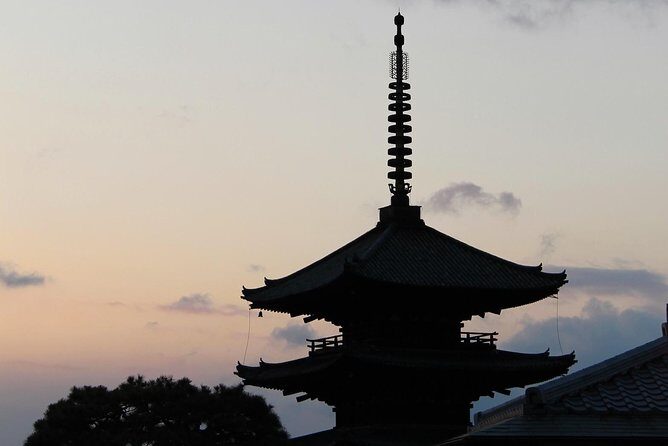
This is the part most people remember. The session ends with each guest making their own bowl of frothy matcha. You’re not just tasting and leaving—you’re learning the hand skills behind the foam.
You get instruction, then you practice. That makes the lesson stick. Matcha whisking is one of those tasks where technique changes the result quickly. Whisk too aggressively or too lightly, and the texture won’t match what you’re aiming for.
What I like about this format is the payoff. You’ll leave with a repeatable skill. Later, you can recreate the basics at home and understand why the ceremony takes patience seriously.
And because it’s a small group, the instructor can help you adjust while you’re doing it. That’s a lot better than a big classroom where you might watch someone else and hope yours turns out fine.
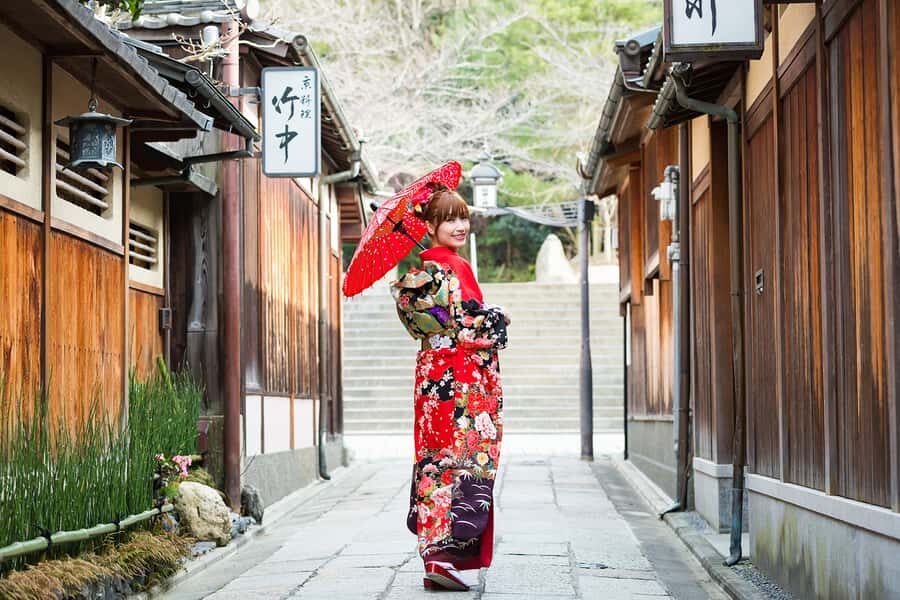
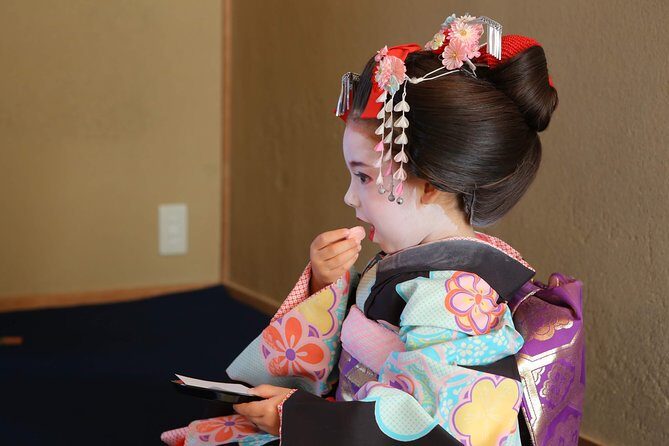
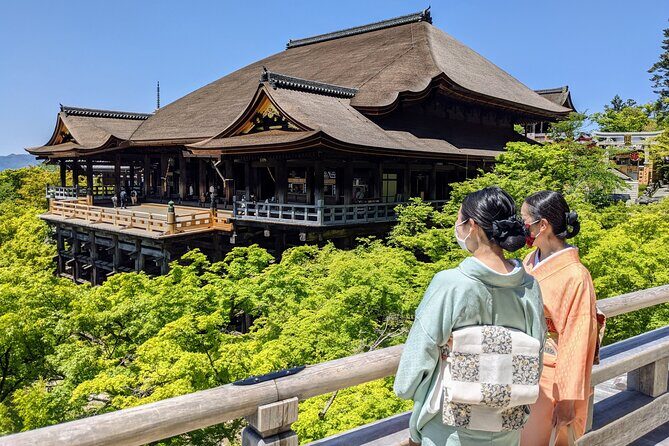
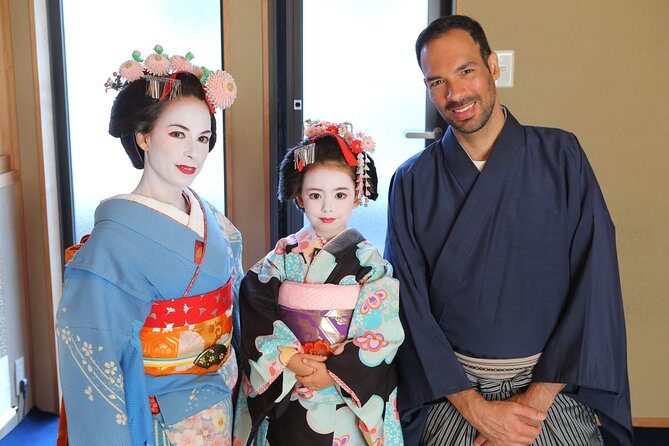
If you rented a kimono, this part can feel extra meaningful. Kimono rental isn’t included in the base price, but it can be requested for an additional charge. Many people say it makes the ceremony feel more authentic and memorable.

Price of $36.48: Is This Kyoto Tea Ceremony Good Value?
At $36.48 per person, this isn’t a budget snack. But it’s also not a premium splurge in the way some private experiences can be. What makes the value make sense here is what’s included and what’s hands-on.
You’re paying for:
- Instruction in English
- Utensils (tea bowl, scoop, whisk) provided so you can actively participate
- A seasonal sweet
- Tea tasting
- Your own bowl of matcha to make yourself
- A time window of about 45 minutes, which helps you plan without eating half a day
That combination is the key. If you just wanted a matcha drink, you could do that for less money. The point is the structured teaching plus the practice time. You walk away with more than a photo—you walk away with the basic technique.
Also, the group size being capped at 8 improves value. You’re not paying the same price to be processed. You get the chance to ask questions and refine your own bowl.
If you’re wondering about extras: kimono rental can be requested for an additional charge. If you’re into costuming and want the full Kyoto feel, it’s worth considering—but skip it if you’d rather spend that money elsewhere.
One more practical note: good weather is required. If the session gets canceled due to poor weather, you’ll be offered a different date or a full refund.
Who This Tea Ceremony Fits Best in Your Kyoto Day
This works best for you if you want a break from walking and crowds and you like experiences that reward attention. It’s also ideal if you want to bring home a real skill. The hands-on ending—making your own frothy matcha bowl—is the strongest match for that goal.
It’s also a good fit for families with older kids. The experience is for all ages, but children under 6 can’t join. Reviews mention kids enjoying it, which suggests the atmosphere stays friendly and not overly rigid.
You should think twice if:
- You need wheelchair access (the space is not wheelchair accessible)
- You strongly dislike sitting on the floor (chairs and tables are available, so you may be fine, but you’ll want to confirm what seating works best for you)
- You expect a long, multi-hour deep-dive (this is built around about 45 minutes)
If your travel style is part sightseeing, part culture, part calm, you’ll probably like this. It doesn’t replace a temple visit. It balances your day by slowing everything down.
Final Thoughts: Should You Book Camellia Flower Teahouse?
I’d book this Kyoto tea ceremony if you want a small-group, English-taught, hands-on matcha experience that’s actually structured. The best reasons are practical: you make your own bowl, you get instruction step-by-step, and you’re encouraged to ask questions while enjoying a seasonal sweet.
Skip it only if mobility access is a dealbreaker, or if you’re looking for a longer experience. Otherwise, it’s a great way to add something different to Kyoto—something quiet, skill-based, and easy to fit into your itinerary.
FAQ
How long is the Kyoto tea ceremony at Camellia Flower Teahouse?
Plan around 45 minutes for the ceremony.
What is included in the experience?
Tea bowls, tea scoops, and tea whisks are provided so you can make your own bowl of matcha. You’ll also try matcha and sweets.
Can I take photos or video?
Yes. Photos and short videos are permitted.
Is kimono rental included?
No. Kimono rental is not included, but you can request it by message for an additional charge.
Is the tea ceremony wheelchair accessible?
No. This experience is not wheelchair accessible.
What are the age requirements?
This is for all ages, but children under 6 years old cannot join the experience.