REVIEW · TOKYO
Mount Fuji 5th Station, Arakurayama, Oshino Hakkai and Hot Spring
Book on Viator →Operated by Scenic Bend · Bookable on Viator
Mount Fuji in one calm, guided day. This tour strings together the Mount Fuji icons in a tight, guided loop: a high viewpoint (either the 5th Station or Arakurayama Sengen Park), the spring ponds of Oshino Hakkai, then a choice of shopping at Gotemba or soaking at Kinohana no Yu. You’ll appreciate the simple pickup rhythm from JR Tokyo Station and a licensed/certified guide watching the timing.
I love two parts most. First, the route gives you a real shot at Fuji views with seasonal planning: April 26 to November 30 favors Mount Fuji 5th Station, while December 1 to April 25 shifts to Arakurayama Sengen Park. Second, Oshino Hakkai’s eight clear springs are free to enter, so you can spend your time looking and walking instead of paying for access.
The main catch is that this is a fixed carpool schedule with limited time at each stop. If you’re the type who wants hours at one place, or if weather doesn’t cooperate, you may feel a bit rushed—and that mismatch shows up in people’s expectations about which viewpoint is visited by date.
In This Review
- Key Highlights and What They Mean for You
- Getting On the Bus: JR Tokyo Station, Pickup Times, and a Real Plan
- Mount Fuji 5th Station vs Arakurayama Sengen Park: Know Which One You Get
- Inside the 5th Station Area: What 40 Minutes Can (and Can’t) Do
- Arakurayama Sengen Park: More Time, More Walking, and a Different Fuji Mood
- Oshino Hakkai Springs: Why These Free Ponds Matter
- Gotemba Premium Outlets or Kinohana no Yu: Two Ways to Spend the Same Final Block
- Option A: Gotemba Premium Outlets
- Option B: Kinohana no Yu Hot Springs
- How the 10-Hour Day Actually Feels (and Why Timing Can Be Touchy)
- Value for Money: Where the $68.74 Price Works and Where It Doesn’t
- Weather and Visibility: The Fuji Factor You Can’t Control
- What to Bring (So the Day Feels Easy, Not Annoying)
- Who This Tour Fits Best (and Who Should Think Twice)
- Should You Book This Mount Fuji Day Tour?
- FAQ
- What time does pickup start from Tokyo?
- Where does the tour start and end?
- How long is the tour?
- Do I need to pay admission for Mount Fuji 5th Station or Arakurayama Sengen Park and Oshino Hakkai?
- Which viewpoint will I visit: Mount Fuji 5th Station or Arakurayama Sengen Park?
- Is hot-spring bathing included in the price?
- Can I bring luggage on the day trip?
- How large is the group?
Key Highlights and What They Mean for You
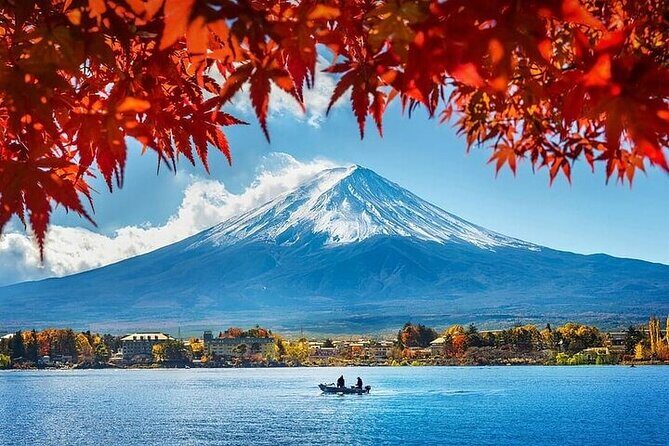
- Seasonal viewpoint switch: Mount Fuji 5th Station (Apr 26–Nov 30) or Arakurayama Sengen Park (Dec 1–Apr 25)
- Free admissions at the first two major sights, so your day’s cost stays predictable
- Choice at the end: Gotemba Premium Outlets for shopping time, or Kinohana no Yu for hot-spring time (extra fee)
- Small group size (max 15) with a licensed guide, which helps keep the day moving
- Short stops are the point: you’re buying convenience and highlights, not long stays
Getting On the Bus: JR Tokyo Station, Pickup Times, and a Real Plan
The day starts from a very clear anchor point: JR Tokyo Station, with pickup around 8:00 am or 8:30 am depending on your departure. That matters because Tokyo day trips live or die by meeting points. JR Tokyo is easy to navigate compared with scattered hotel pickups.
You’ll also get a departure reminder email the night before, which includes the vehicle registration number, the guide contact info, and your pickup time. The guide doesn’t initiate contact with you, so your job is simple: be at the right spot at the right time, and wait for the bus.
This is a carpool-style fixed itinerary, with a cap of 15 people. That smaller size helps, because there’s less chaos at curbside and fewer competing opinions about timing once you’re on the move.
A few more Tokyo tours and experiences worth a look
Mount Fuji 5th Station vs Arakurayama Sengen Park: Know Which One You Get
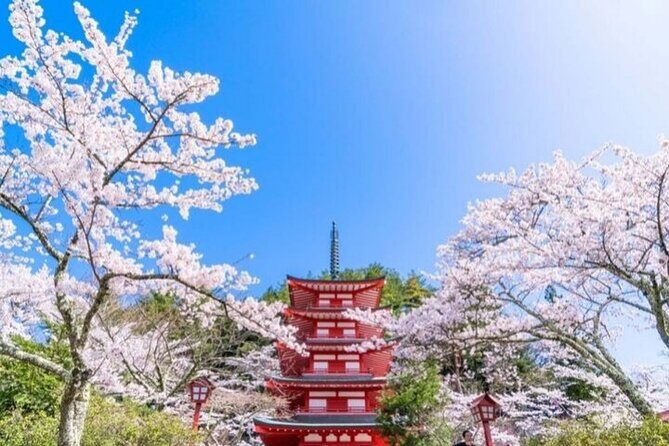
This tour’s first stop depends on the season, and it’s worth treating that as a feature, not a surprise. For April 26 through November 30, the route goes to Mount Fuji 5th Station. For December 1 through April 25, it switches to Arakurayama Sengen Park instead.
Why this matters: both places give you a different kind of Fuji experience. The 5th Station is about being near the mountain’s altitude and scale. Arakurayama Sengen Park is about classic viewpoints and the famous temple-area angle toward Fuji. The tour gives you one or the other, based on the operating calendar.
Timing is also specific. If your season route includes the 5th Station, you’ll have about 40 minutes there. If Arakurayama is on your itinerary, you get about 90 minutes at Sengen Park. In plain terms: you can see the headline view either way, but Arakurayama usually gives you more breathing room.
One more reality check: on cloudy or rainy days, Fuji visibility can drop fast. Your viewpoint might still be beautiful, but you should plan for the possibility of haze. Check the forecast before you commit the day.
Inside the 5th Station Area: What 40 Minutes Can (and Can’t) Do
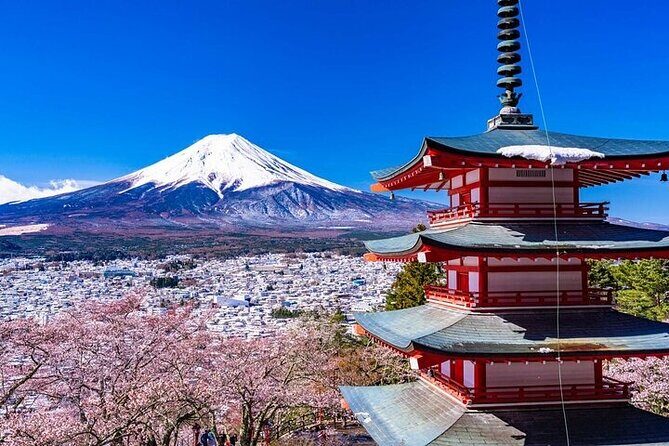
If you’re going to the 5th Station, understand the goal: quick, high-impact photos and a Fuji feel. About 40 minutes is enough to walk to a couple of look spots, soak in the altitude vibes, and grab your shots before the bus schedule pulls you along.
What you should expect during that short window:
- It’s a viewpoint stop, not a long wandering day.
- You’ll want to move efficiently from the bus drop to the photo points.
- If the weather is clear, it’s thrilling. If it’s not, you may feel like time moved faster than your view.
Because the time is fixed, wearing comfortable shoes pays off. Even if the walk doesn’t sound long, Fuji areas can mean steps, uneven ground, and crowds.
Arakurayama Sengen Park: More Time, More Walking, and a Different Fuji Mood
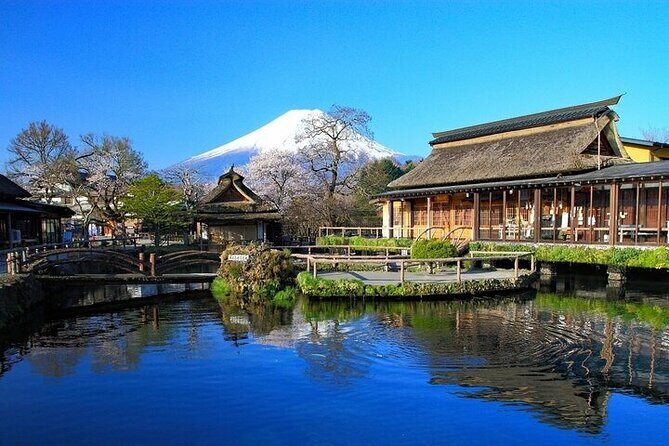
When the season sends you to Arakurayama Sengen Park, the tone changes. You’ll have about 90 minutes, which is more “enjoy it” time than the 5th Station stop.
This is where I like the extra minutes. You’re not just taking one view. You can adjust your pace, find a viewpoint that fits your angle, and handle the flow of people without feeling like you’re racing the clock.
If you’re someone who prefers a slower photo routine—walking, checking angles, and staying still long enough for clouds to shift—Arakurayama’s longer window makes more sense than a fast in-and-out.
The small downside is the same reality: crowds and weather. Busy days can squeeze your comfort level, and poor visibility can mute the big Fuji moment.
Oshino Hakkai Springs: Why These Free Ponds Matter
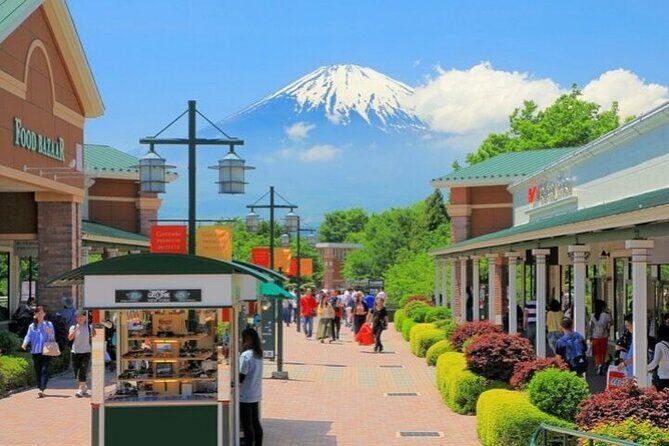
After the first viewpoint, the tour heads to Oshino Hakkai, described as a series of eight clear springs formed by snow water from Mount Fuji. You’ll get about 1 hour, and the admission is free.
This is a great stop because it’s not about altitude or traffic—it’s about water. Oshino Hakkai is exactly the kind of place where you enjoy the details: the clarity, the calm feel, and the contrast with the busy highway drive.
One practical note: one person’s experience with timing didn’t feel long enough for Oshino Hakkai, saying they wished they had roughly half an hour more. So if you like lingering—walking slowly, looking at the ponds more than once—use that hour efficiently:
- Take a short loop first to get your bearings.
- Decide where you want to pause for photos.
- Don’t leave the best view for last.
For many people, Oshino Hakkai is the emotional center of the day. It’s not flashy like a theme park; it’s simple and scenic, and it rewards calm attention.






Gotemba Premium Outlets or Kinohana no Yu: Two Ways to Spend the Same Final Block
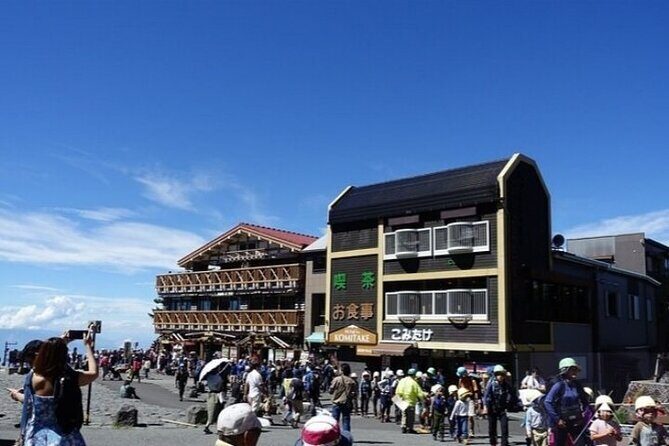
After Oshino Hakkai, you’ll choose between two options. Both are basically “use your free time wisely,” but the payoff is different.
Option A: Gotemba Premium Outlets
You get about 2 hours at Gotemba Premium Outlets. Admission there is free, but shopping costs aren’t. This option is best if you want to kill time productively—snacks, casual browsing, maybe a few Fuji-themed souvenirs you actually use.
This can also be a smart choice on days when Fuji is hazy. You still get a worthwhile block without relying on a perfect mountain moment.
Option B: Kinohana no Yu Hot Springs
Or, you can opt for Kinohana no Yu for hot-spring time. Here’s the key cost detail: the bathing fee is not included. It’s listed as 1,600 yen on weekdays and 1,900 yen on weekends and holidays.
This is where you get a very Japanese-style cooldown after a long day on the road. And since the hot spring option is specifically pitched as scenic with views of Mount Fuji, it can feel extra rewarding if the weather clears.
The trade-off is straightforward: you’re paying an added fee, and hot-spring rules mean your time is partly about soaking schedules and getting ready. Bring simple, practical patience.
How the 10-Hour Day Actually Feels (and Why Timing Can Be Touchy)
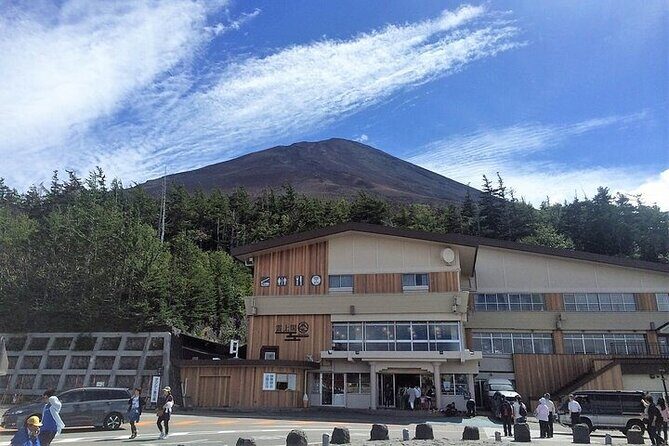
The tour runs for about 10 hours, but that includes real transportation time plus your stop times. It’s worth understanding what gets “squeezed” in a day tour like this:
- You get headline sights, not slow travel.
- Lunch is not included, so you’ll likely spend part of the leftover time eating on your own.
- Delays can happen from traffic, festivals, and crowds.
Traffic is especially relevant on weekends and red days. The information also warns that traffic jams may occur, and you might want to choose a weekday if your goal is to keep the day smooth.
Timing sensitivity is the biggest reason people feel mismatch. One cautionary example: if you expected Arakurayama but your date put you on the 5th Station route, that expectation gap can make everything feel “wrong,” even if the tour itself is operating as scheduled. So double-check your date against the seasonal swap.
If you’re easygoing and you treat this as a highlights sampler, the day works. If you want deep time at each stop, you’ll feel the limits.
Value for Money: Where the $68.74 Price Works and Where It Doesn’t
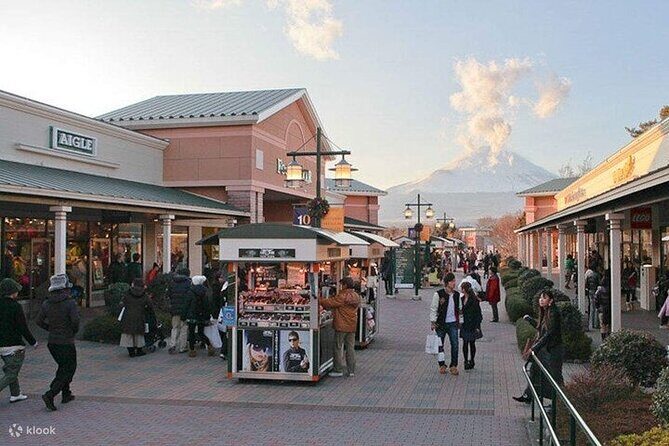
At $68.74 per person, this is one of those deals that can feel surprisingly good—if you match your expectations to the structure.
What you get for that price:
- Transport and highway/toll costs across the day
- Vehicle service fees
- A driver fee
- A licensed/certified guide
- Free admission at Mount Fuji’s first viewpoint stop (either 5th Station or Arakurayama) and free entry at Oshino Hakkai
- A mobile ticket option
Where extra spending shows up:
- Food and drinks are not included
- If you choose the hot spring, the bathing fee is added (1,600/1,900 yen)
- Shopping is obviously on you at Gotemba
So the value equation looks like this: you’re paying mostly for logistics + guidance + transport, while admissions at key nature/cultural stops are handled. That’s a smart setup for people who don’t want to coordinate trains, buses, and multiple transfers all on the same day.
If you’re traveling with a tight schedule and want Fuji icons without a day of transportation homework, the price is working. If you’re trying to keep everything at rock-bottom costs with no add-ons, plan for lunch and snacks first.
Weather and Visibility: The Fuji Factor You Can’t Control
This tour openly notes that cloudy or rainy conditions reduce visibility and may obscure Mount Fuji. That’s not a minor footnote. It’s the whole point of the trip.
Here’s how I’d plan around it:
- Check the forecast the day before and again the morning of.
- Keep your expectations flexible. Even without a perfect peak shot, Oshino Hakkai and the general countryside feel can still be worth the trip.
- Have a Plan B mindset for the 5th Station timing. Forty minutes passes quickly, so you’ll want to be ready to make the most of whatever the sky gives you.
If you’re chasing one specific photo, this is still possible—but not guaranteed.
What to Bring (So the Day Feels Easy, Not Annoying)
This is a straightforward day tour, and the small comfort details matter.
Bring:
- Comfortable walking shoes
- A weather layer (even if Tokyo is warm)
- Your passport and valuables (the information says to carry them and keep them safe)
Luggage is another big practical point. It’s not recommended to bring luggage, and the tour notes that one luggage is allowed per person. If you don’t register luggage clearly when booking, or if you bring more than one piece, an extra 100 yuan per piece can be charged. If you’re packing light, you’ll probably enjoy the day more.
Good to know: a foldable stroller can be carried, but you should inform customer service when placing the order to avoid rejection.
Who This Tour Fits Best (and Who Should Think Twice)
This works best if you:
- Want a Fuji day without arranging transport yourself
- Prefer a guided loop where the key sights are already organized
- Like the idea of Oshino Hakkai and want a short, efficient look rather than an all-day hike
It might be less ideal if you:
- Care deeply about visiting Arakurayama specifically and your travel dates don’t align
- Want long stays at each place
- Are sensitive to schedule changes from traffic or weather
The physical fitness level is described as moderate, so people who can manage some walking will be fine. Still, high-traffic days and uphill sections around viewpoints can make the day feel more active than a flat city stroll.
Should You Book This Mount Fuji Day Tour?
If your main goal is a guided Fuji highlights day—views at the right seasonal viewpoint, the springs at Oshino Hakkai, and either outlets or a hot-spring soak—this is a solid pick for the money.
Book it if:
- Your dates line up with the seasonal route you want
- You’re okay with short stop times
- You can handle weather uncertainty around Mt Fuji
Skip it (or consider a custom option) if:
- You’re counting on one exact viewpoint and your dates don’t match the seasonal swap
- You want plenty of time to wander and linger at each stop
This tour gives you a lot of iconic names in a single day. Just make sure you’re choosing the right season for the viewpoint you’re actually excited about.
FAQ
What time does pickup start from Tokyo?
Pickup is offered from major Tokyo locations at 8:00 am or 8:30 am, depending on your specific departure.
Where does the tour start and end?
The tour starts at JR Tokyo Station and ends back at the same meeting point.
How long is the tour?
The duration is approximately 10 hours.
Do I need to pay admission for Mount Fuji 5th Station or Arakurayama Sengen Park and Oshino Hakkai?
The information says admission tickets are free for the first viewpoint stop and for Oshino Hakkai.
Which viewpoint will I visit: Mount Fuji 5th Station or Arakurayama Sengen Park?
From April 26 to November 30, the tour goes to Mount Fuji 5th Station. From December 1 to April 25, it goes to Arakurayama Sengen Park.
Is hot-spring bathing included in the price?
No. The bathing fee at Kinohana no Yu is not included. It’s listed as 1,600 yen on weekdays and 1,900 yen on weekends and holidays.
Can I bring luggage on the day trip?
It’s not recommended. The tour allows 1 luggage per person, but you should register it clearly when booking. If not noted or if you bring more than one piece, an extra 100 yuan per piece may be charged.
How large is the group?
This tour has a maximum of 15 travelers.