REVIEW · TOKYO
Mount Fuji and Hakone Private Tour with Pickup from Tokyo
Book on Viator →Operated by Season for Tours · Bookable on Viator
Mt. Fuji is better when you control the timing. This private tour from Tokyo is built around flexibility: you choose the stops, and your guide works with you while sharing the mountain’s story and viewpoints. I like the door-to-door pickup/drop and I also like that it feels personal, not rushed and not crowded.
One thing to keep in mind: this kind of day runs on weather and visibility. If clouds or rain roll in, your views can soften, and many “close-up” moments depend on clear skies.
You also need to budget for add-on costs. The vehicle and transport are included, but tickets for boats, ropeways, and several sights are paid on site, plus there can be extra fees if you run long.
In This Review
- Key highlights I’d plan my day around
- Key points (quick but useful)
- Private Pickup From Tokyo: Less friction, more sightseeing
- The Fuji + Hakone route: what the day is really trying to do
- Chureito Pagoda: the step-count view payoff
- Kawaguchiko: your best “big view” window
- Ensoleille ship + panoramic ropeway choice
- Oshino Hakkai: snowmelt ponds that feel unreal
- Oishi Park: a short walk for a satisfying view
- Lake Ashinoko + the Peace Torii: Hakone’s signature moment
- Hakone Ropeway and Owakudani: steam, sulfur, and black eggs
- Owaku-dani Valley: what to expect (and why it’s famous)
- Price and logistics: where your money actually goes
- What’s included
- What costs extra (plan ahead)
- Time overage fees
- Pickup distance fee
- The weather reality: how to handle Mt. Fuji when it hides
- Who should book this private tour (and who might skip)
- Should you book this Mount Fuji and Hakone private tour?
- FAQ
- How long is the Mount Fuji and Hakone private tour?
- Is pickup from my hotel included?
- What’s included in the tour price?
- What entrance fees or tickets are not included?
- Are there extra charges if the tour runs longer?
- Do I need good weather for this experience?
- How many people can be in the group for this price?
Key highlights I’d plan my day around
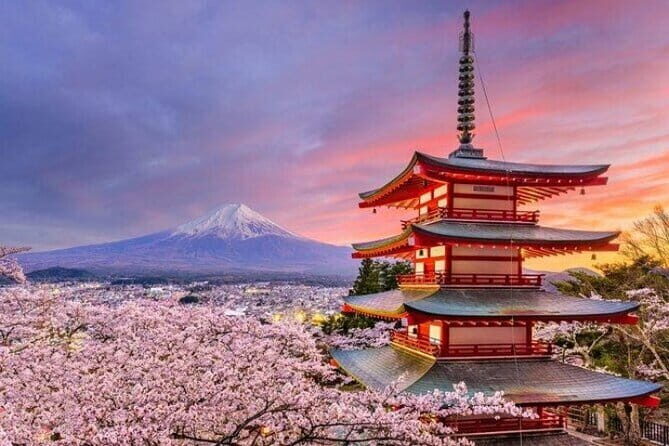
This is a full, classic route that links the Fuji Five Lakes area to Hakone. You start high on the mountainside for iconic views, work your way around Kawaguchiko’s lake viewpoints and photo spots, then shift into Hakone’s volcanic steam at Owakudani before finishing back near Lake Ashinoko and Hakone’s signature torii gate.
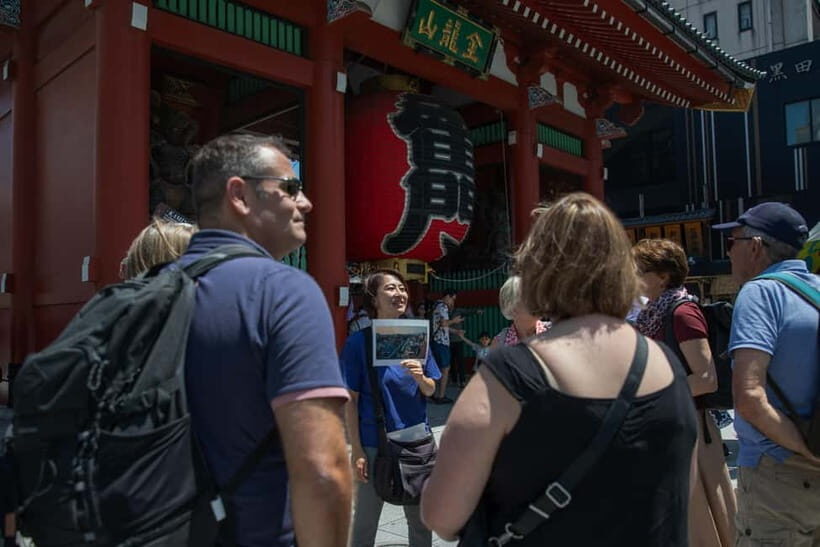
A standout from the feedback is the guide approach—one guide named Ali is repeatedly praised for being patient, taking lots of photos for the group, and staying flexible with what you want to see. That kind of guide style matters on a day where the best light and the best angles depend on timing.
Even with the private format, plan your energy for walking—especially at the pagoda area where you’re climbing steps.
Key points (quick but useful)
- Private car with hotel pickup means you skip the “how do we get there” stress and stay on a smooth route.
- Choose-your-stops flexibility lets you spend more time where the views are strongest or where your group cares most.
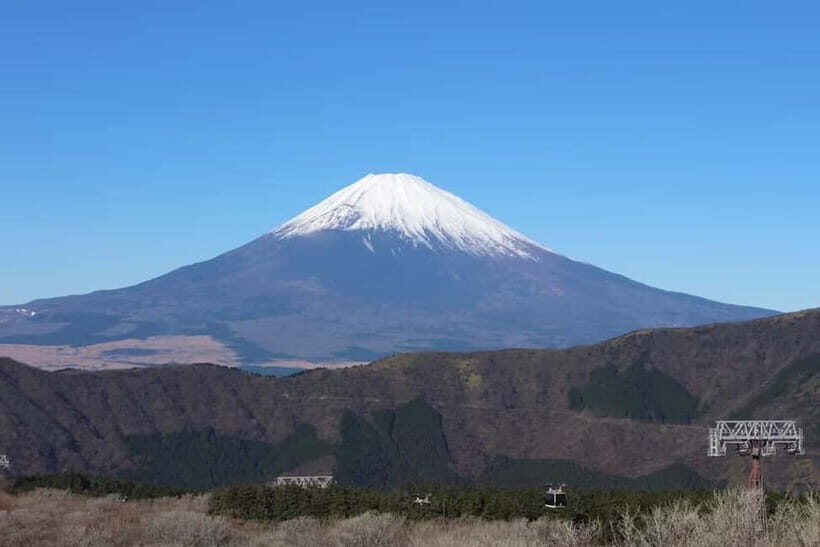
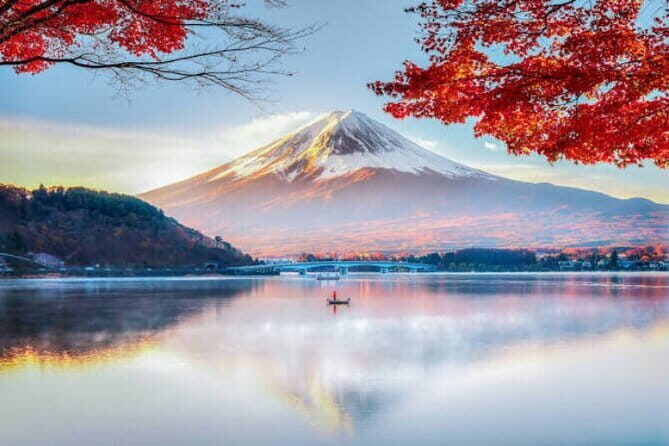
- Multiple Mt. Fuji viewing chances across Kawaguchiko, Oshino Hakkai, Oishi Park, and Hakone increases your odds of a good look.
- Hakone Ropeway + Owakudani is the thermal, otherworldly part of the day that most people remember long after Mt. Fuji.
- On-site ticket costs add up (ropeways, boat rides, and several attractions), so check your plan before you arrive.
- Overtime fees are real if your schedule runs long, so it’s smart to decide ahead of time which optional experiences are worth it.
You can also read our reviews of more private tours in Tokyo

Private Pickup From Tokyo: Less friction, more sightseeing
The biggest practical win here is starting and ending where you’re staying. You get a private, air-conditioned vehicle with highway tolls handled, plus gas and a driver. That matters on a day trip like this because the sights are spread out, and trains/buses can turn into transfers and timing problems.
It also helps that this is limited to your group (up to 3 in the group price). If you’re traveling as a couple or a small family, that privacy turns a long day into something manageable—no waiting for strangers, no “hold on, we’re still counting tickets.”
If you’re staying in Tokyo, this is positioned as a standard pickup experience. If you’re coming from Yokohama or Urayasu, there’s an extra fee because those pickups are farther away.
The Fuji + Hakone route: what the day is really trying to do
This tour is built around two different moods:
1) Classic Mount Fuji views (Fuji Five Lakes region)
2) Hakone’s volcanic energy (ropeway, Owakudani steam, and thermal activity)
You’ll move through several short stops that each aim at a slightly different angle. That’s the secret sauce: even if Mt. Fuji isn’t perfectly framed at one location, you still have other chances where the mountain lines up better.
The day runs about 8–10 hours. Your guide will cooperate with your preferences, but it’s still your job to keep an eye on timing—especially if you add extra activities like a cruise or ropeway ride at the lake.
Chureito Pagoda: the step-count view payoff
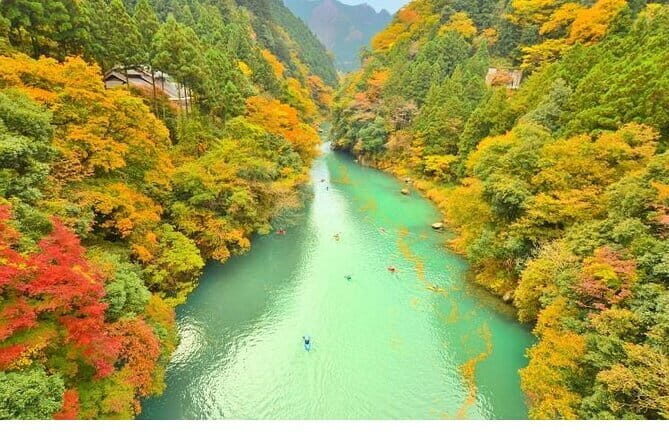
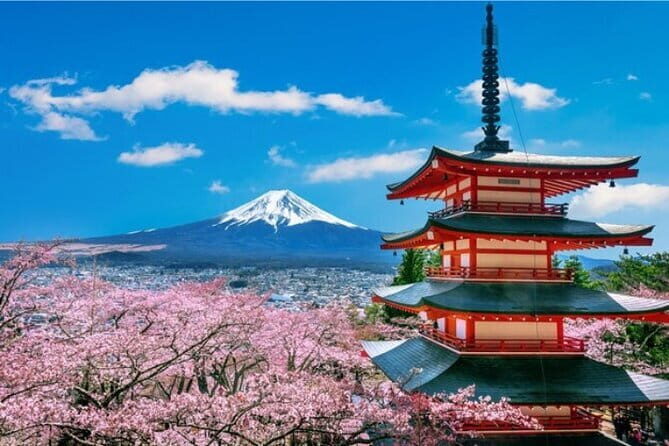
You’ll start at Chureito Pagoda, part of Arakura Sengen Shrine, with one major reason people go: the pagoda’s skyline framing of Mount Fuji. It’s a five-storied pagoda built as a peace memorial in 1963, and you’ll climb nearly 400 steps from the shrine area to reach the viewpoint.
This stop is short on paper, but it’s active. If your group is sensitive to stairs, plan accordingly. If you can handle it, it’s a strong opening because it sets the tone early with a clean, iconic photo setup.
Practical tip: wear shoes you trust. The ground can be uneven on mountain approaches, and you don’t want to turn your Mt. Fuji morning into foot-soreness.
Kawaguchiko: your best “big view” window
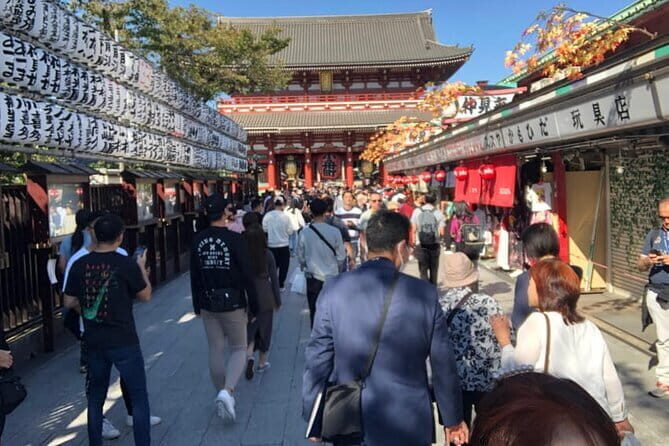
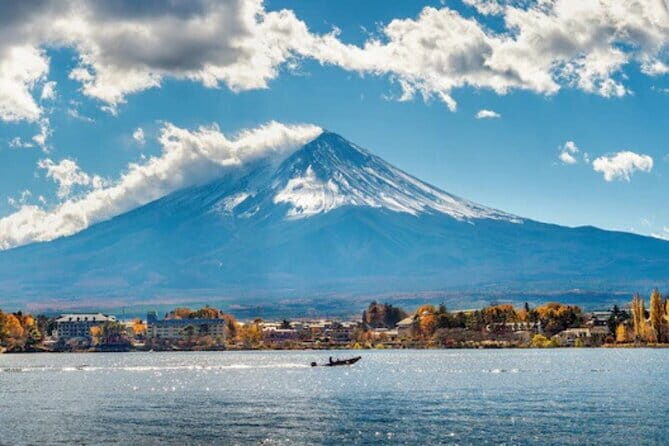
Next up is Lake Kawaguchiko, the gateway to the Fuji Five Lakes area. This is where you can often get a very clear, close view of Mount Fuji—when weather cooperates.
You also get options here:
- a ship cruise
- and a ropeway up to Kachi Kachi Mountain
You’ll pay entry fees for these separately. The time budget suggests you can do a focused combo without turning it into a half-day detour.





Ensoleille ship + panoramic ropeway choice
There’s also an Ensoleille Excursion Pleasure Boat stop that pairs well with a scenic plan: you can do the cruise (about a 20-minute experience on a larger ship that gets you near the mountain views) and/or the panoramic ropeway up to Kachi Kachi Mountain.
The core idea is weather-driven:
- If skies are clear, you’ll get the most satisfying close-up visuals from the water and from higher viewpoints.
- If clouds or rain roll in, the ropeway viewpoint can still help, but the mountain may not “appear” the way you’re hoping.
I like that this is built with flexibility in mind. You’re not locked into one paid activity if visibility is poor—you can choose the option that still gives your group value that day.
Oshino Hakkai: snowmelt ponds that feel unreal
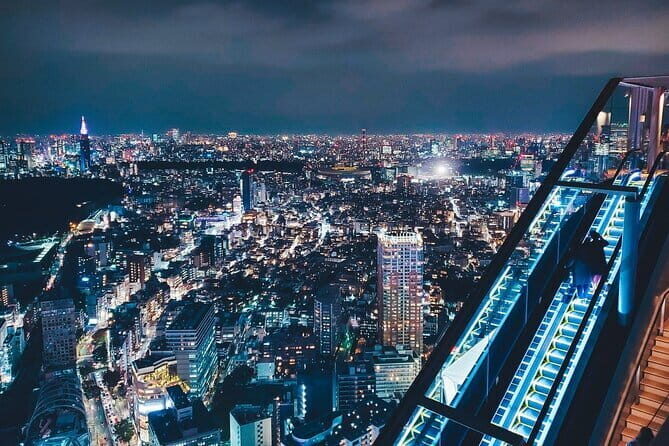
Then you’ll head to Oshino Hakkai, also called the Eight Seas of Oshino. This is a set of eight ponds in the Fuji Five Lakes area, and the explanation is part of why it’s memorable: the ponds are fed by snowmelt from Mount Fuji, filtering through volcanic rock over time.
In practical terms, this means the water tends to look very clear and pristine, and it’s a nice change of pace from the lake viewpoints. You’re also in a spot where you can sometimes see Mount Fuji quite close, depending on conditions.
This stop is great for:
- photos that aren’t just “standing and staring,”
- and anyone who likes learning what they’re looking at (the water’s journey is the story here).
Oishi Park: a short walk for a satisfying view
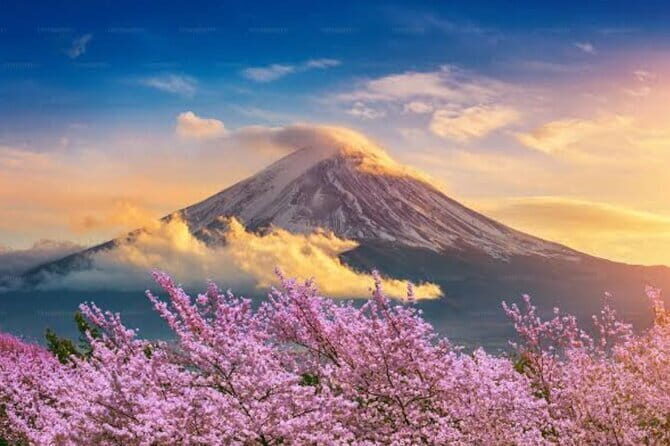
After Oshino Hakkai, you’ll visit Oishi Park on the north shore of Kawaguchiko. It’s a smaller stop in time, but it’s built for one thing: getting a view of the lake and Mount Fuji together.
Because it’s short, I treat Oishi Park like a reset button. You can enjoy the scenery, take photos, and keep your energy for Hakone later in the day.
Lake Ashinoko + the Peace Torii: Hakone’s signature moment
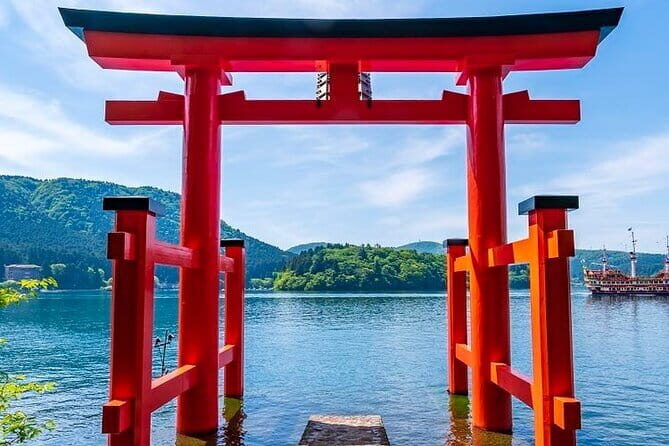
Next comes Lake Ashinoko, Hakone’s big scenic hub. The highlight here is Hakone Shrine’s red torii gate rising from the shore along the lake. It’s known as the heiwa no torii or “Gate of Peace,” erected in 1952 to commemorate the crown prince’s reign and Japan’s independence (connected to a peace treaty).
This stop helps your day feel complete because you shift from Fuji Five Lakes framing into Hakone’s spiritual and cinematic atmosphere. If you like Japan’s “small details with big meaning,” this one lands.
There may be additional options like a pirate ship or ropeway cable car, but those come with separate entry fees.
Hakone Ropeway and Owakudani: steam, sulfur, and black eggs
Now you’ll move into the part of Hakone most people come for: Hakone Ropeway rising above Owakudani. The ropeway experience includes scenic observation points, and it’s positioned as a route with views of Owakudani’s volcanic valley.
The standout detail is what Owakudani looks like: a mountainside where thermal vents steam and the area feels like a “hell valley” setting. The air can feel different near the sulfur activity, and the visuals are the main event.
Owaku-dani Valley: what to expect (and why it’s famous)
You’ll spend time at Owaku-dani Valley, home to the steaming vents. A big tradition here is the black eggs. They’re boiled in sulfurous waters, which gives the shells their distinctive color.
There’s also a local belief that eating one of these eggs adds years to your life—on average, people say seven years.
Even if you’re not into the folklore, the place is worth it for the contrast it gives your day: from shrine views and lakes to a true volcanic zone.
Price and logistics: where your money actually goes
The price is $455 per group (up to 3), for roughly 8–10 hours. That can feel steep at first glance, but private transport from Tokyo for a long, multi-stop day is usually expensive because you’re paying for time, driving, and routing.
Here’s the value math I’d use:
- If you’re 1–2 people, the per-person cost is higher.
- If you’re up to 3 people, it starts to look like a practical swap for multiple transit tickets and the hassle of coordinating timing.
What’s included
You get:
- air-conditioned vehicle
- private transportation
- highway tolls
- modern, clean vehicles
- petrol and gas
What costs extra (plan ahead)
You’ll pay separately for:
- lunch
- tickets at stops (including Lake Kawaguchiko 120¥, and other attraction fees paid directly on site)
- Mount Fuji entrance fee: 2100¥ per group
- ropeway/ship activities (if you do them)
If you’re budget-sensitive, I’d treat the paid experiences as your “choose your level” items. Pick the one or two that match your group’s interests and keep the rest flexible.
Time overage fees
There’s also a schedule penalty if you exceed the time limit:
- 7,000¥ per additional hour for the luxury van
- 15,000¥ per additional hour for the minibus
That’s another reason to decide in advance which optional activities are must-do.
Pickup distance fee
If pickup is from Yokohama or Urayasu, there’s an extra 10,000¥ due to distance.
The weather reality: how to handle Mt. Fuji when it hides
This tour requires good weather. That’s not dramatic marketing; it’s the simple truth. Mt. Fuji visibility can change quickly, and volcanic and lake areas are exactly where clouds can roll in.
So I suggest you pack and plan like this:
- Dress in layers. Morning and late afternoon temperatures can feel very different.
- Bring a light rain layer just in case.
- Keep expectations flexible. Even when the mountain isn’t crisp, the lakes, ponds, and Hakone steaming valley still offer strong experiences.
The itinerary also gives you multiple angles—pagoda, Kawaguchiko lake viewpoints, Oshino Hakkai, and Hakone viewpoints—so you’re not betting the entire day on one view.
Who should book this private tour (and who might skip)
This is a great fit if:
- you want private flexibility and hate fixed schedules,
- you’re traveling with up to 3 people and want smoother logistics than public transport,
- you care about both Fuji viewpoints and Hakone’s volcanic stops in one long day,
- you’d value a guide who can slow down for photos and adjust to your pace.
It might be less ideal if:
- your group has very limited walking tolerance (there are steps at the pagoda area),
- you’re trying to keep every yen in the budget, since several major activities require separate ticket purchases,
- or you only want guaranteed Mt. Fuji photos. Visibility isn’t guaranteed, even with a perfect plan.
Should you book this Mount Fuji and Hakone private tour?
If your goal is a smooth day that blends Fuji Five Lakes views with Hakone’s Owakudani thermal drama, this is a smart choice—especially for groups of up to 3. The biggest “why” is control: you get a private car, you can tailor what you spend time on, and your guide style can make a long day feel easy. The repeated praise for a guide like Ali—patient, photo-helpful, and accommodating with options—signals that the human factor is strong here.
Just go in with two practical expectations:
1) budget for on-site tickets and lunch,
2) accept that Mt. Fuji depends on the sky you get that day.
If that fits your travel style, this is the kind of day trip that turns into photos you’ll still care about months later.
FAQ
How long is the Mount Fuji and Hakone private tour?
It runs about 8 to 10 hours, depending on your choices during the day.
Is pickup from my hotel included?
Pickup and drop are included from your hotel or the place you are staying in Tokyo. If you need pickup from Yokohama or Urayasu, there is an extra 10,000¥ fee.
What’s included in the tour price?
The tour includes an air-conditioned private vehicle, private transportation, highway tolls, a modern clean vehicle, and petrol/gas.
What entrance fees or tickets are not included?
Lunch and admission fees are not included. You’ll pay on site for various attractions, including Lake Kawaguchiko (120¥), Mount Fuji entrance fee (2100¥ per group), and other attractions like ropeways and boat cruises.
Are there extra charges if the tour runs longer?
Yes. If the time limit is exceeded, there’s an extra charge of 7,000¥ per hour for the luxury van or 15,000¥ per hour for the minibus.
Do I need good weather for this experience?
Yes. The tour requires good weather, and if it’s canceled due to poor weather, you’ll be offered a different date or a full refund.
How many people can be in the group for this price?
The price is per group and is listed as up to 3 people.
![[Japan Wellness] Zen Meditation and Temple Tour in Matsushima - Timing and meeting point: plan like a calm person](https://images.thejapantraveler.com/wp-content/uploads/japan-wellness-zen-meditation-and-temple-tour-in-matsushima.jpg)