REVIEW · TOKYO
Tokyo: Private Mount Fuji Day Trip with Private Guide
Book on GetYourGuide →Operated by Tri click LTD · Bookable on GetYourGuide
Fuji feels like a moving target, not a fixed photo spot. This private day trip is built around the places most people dream about—Mount Fuji’s 5th Station, Lake Kawaguchi, and Oshino Hakkai—then wraps it all in a calm, private schedule with a guide.
I like the idea of going in comfort, with a modern climate-controlled vehicle and a guide who can explain what you’re seeing in multiple languages. You also get real quality time at the main stops, so you’re not forced into a rushed checklist.
One caution: the trip is advertised as customizable, but private does not mean effortless. If your priorities are time-sensitive—like being at Fuji-Q early—make sure you confirm them clearly with the guide at the start.
In This Review
- Key highlights worth your attention
- A Private Way to Chase Fuji Views Without the Big-Group Chaos
- Timing, Travel Time, and What a 570-Minute Day Really Means
- Lake Kawaguchi: The Reflection Stop That Lives Up to Its Reputation (When It’s Clear)
- Oshino Hakkai: Ponds, Folk Architecture, and Fuji’s Water Story
- Fuji-Q Highland: Theme-Park Time With Scenic Bonus Potential
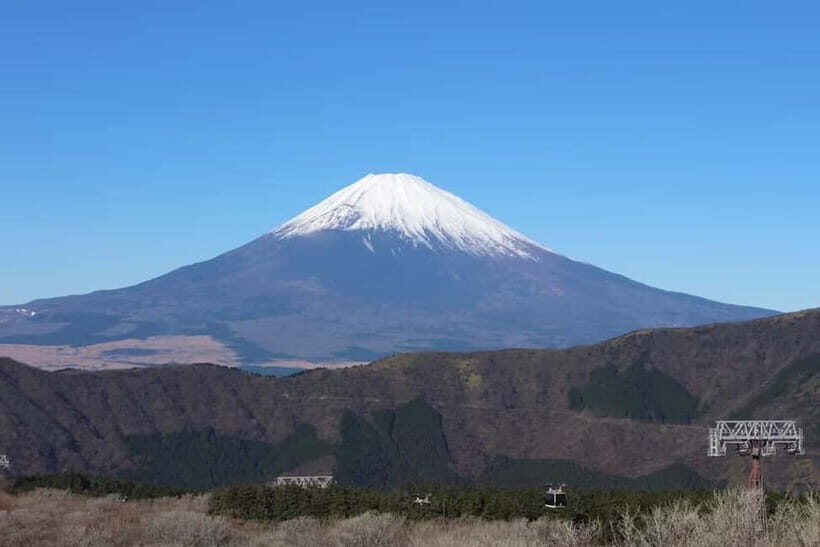
- Mount Fuji’s 5th Station: The Big Panoramic Payoff (With Real-World Weather Reality)
- Custom Itinerary, Private Vehicle, and What You’re Paying For
- Guide Languages and the Human Difference: When Explanations Change Everything
- Optional Add-Ons: Private Onsen, Sake, and How to Slot Them
- What to Bring and How to Stay Comfortable on a Long Fuji Day
- Who This Tour Suits Best (and Who Should Skip It)
- Should You Book This Mount Fuji Private Day Trip?
- FAQ
- What is the meeting/pickup arrangement?
- How long is the trip?
- What’s included in the price?
- Are meals included?
- Can I customize the itinerary?
- Are entrance fees included?
- What languages are available for the guide?
- What cancellation policy applies?
Key highlights worth your attention
- Private pickup in Tokyo with a comfortable, climate-controlled vehicle for a long day
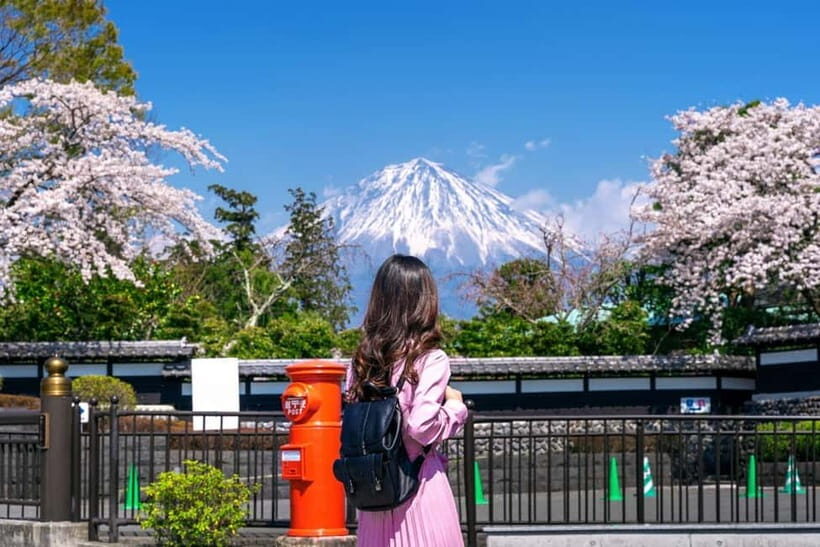
- Mount Fuji’s 5th Station as the main viewpoint for wide, panoramic photo chances
- Lake Kawaguchi for the iconic mirror-style Fuji reflection on clear days
- Oshino Hakkai with spring ponds and traditional architecture that feel slower and more local
- A guide who can adjust the day when crowds and weather change plans
- Optional extras like a private onsen or adding specific interests (ask ahead)
A Private Way to Chase Fuji Views Without the Big-Group Chaos
Tokyo is intense. By the time you’re trying to reach one of Japan’s most famous icons, you want fewer moving parts, not more. This private day trip is designed for that: hotel pickup in Tokyo, then a full day focused on Fuji-san and the surrounding area—without the typical shared-bus friction.
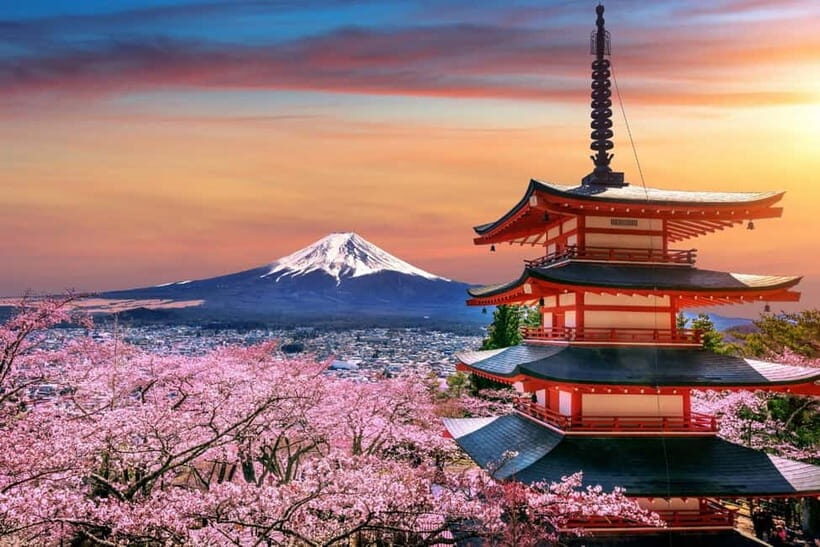
The heart of the experience is that you’re not only seeing Fuji. You’re seeing how people experience Fuji. The route blends big viewpoint energy (5th Station), a classic postcard mood (Lake Kawaguchi reflections when visibility cooperates), and a calmer, cultural stop (Oshino Hakkai’s ponds and traditional buildings). That mix matters because you’ll remember the feeling of the day, not just a single photo.
And the private guide piece is practical, too. When clouds roll in or crowds stack up, you’re not stuck with whatever rigid order everyone else booked. In the best cases, the guide can help you reposition so you still get meaningful Fuji sighting time, even if it’s not constant all day.
You can also read our reviews of more guided tours in Tokyo
Timing, Travel Time, and What a 570-Minute Day Really Means
This trip runs 570 minutes—about 9.5 hours of door-to-door time with driving, stops, and sightseeing. The suggested start is 8:00 AM, which is the smart move for visibility and crowd control.
Here’s how to think about the schedule: you’re buying flexibility to spend time where it counts, not just stacking stops. The plan includes:
- Lake Kawaguchi (~50 minutes)
- Oshino Hakkai (~50 minutes)
- Fuji-Q Highland (~1 hour, plus scenic driving time on the way
- Mount Fuji 5th Station (~3.5 hours)
That last block is big. It’s also where your comfort planning pays off. Bring layers and weather-appropriate clothing, and don’t forget a camera, water, and comfortable shoes. The mountain day is long; the more prepared you are, the less you’ll feel rushed when you finally get clear views.
Also note two small rules that can matter in real life: no smoking in the vehicle and drinks aren’t allowed in the vehicle. If you rely on a morning drink, have it before boarding or plan for water during stops.
Lake Kawaguchi: The Reflection Stop That Lives Up to Its Reputation (When It’s Clear)
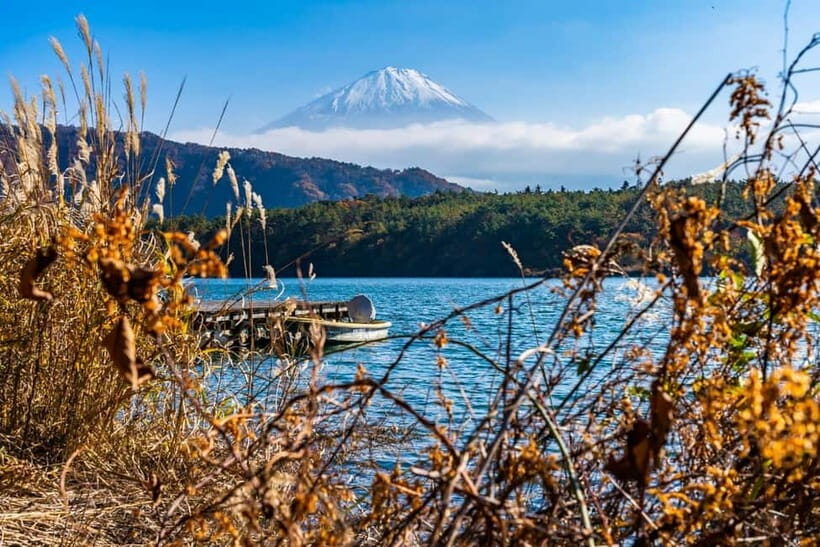
Lake Kawaguchi is where the Fuji story turns visual. On clear days, Mount Fuji can reflect across the water, and that’s exactly what this stop is aiming for. You’ll get time to photograph, stroll a bit, and reset before the more intense viewpoint portion of the day.
What I like about this stop for you is the pacing. This isn’t just a drive-by. The plan sets aside about 50 minutes, which is enough to find a good angle, take a few photos, and still enjoy the mood of the lakeside area instead of sprinting to the next point.
One practical tip: if you care about reflections, prioritize calm conditions. Even a thin layer of cloud can change the look fast, so the guide’s ability to time the day matters. A good guide approach here is simple: watch the sky, watch the light, and be ready to shift your viewpoint without panic.
Oshino Hakkai: Ponds, Folk Architecture, and Fuji’s Water Story
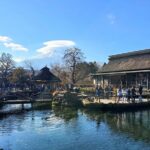
Next comes Oshino Hakkai, known for natural spring ponds and traditional architecture. This stop is a great counterweight to the more image-driven parts of the day. While Fuji fans often focus on getting to the mountain itself, Oshino Hakkai helps you understand why Fuji is treated as sacred in everyday life—water, landscape, and community all tied together.
You’ll have about 50 minutes with free time and sightseeing. That matters because the best experiences here often come from slow walking: spotting pond edges, looking at the buildings, and stepping out of full-day photo mode for a bit.
This is also a good moment to check in on the rest of your plan. If you’re juggling optional add-ons (like an onsen later), Oshino Hakkai is a reasonable place to mentally organize the rest of the day: what time do you want to be at Fuji-Q, how much time do you want to spend at 5th Station, and what matters most if clouds play games.
Fuji-Q Highland: Theme-Park Time With Scenic Bonus Potential
Fuji-Q Highland is included as part of the route with about 1 hour allotted, plus scenic driving time on the way. Even if you’re not chasing rides, this stop can be useful because it breaks up the day and adds variety to your itinerary.
The catch is timing. If Fuji-Q is your priority, treat the day like a schedule with consequences. One clear warning from real-world outcomes: the idea of a customizable plan only works if your guide actually follows your timing requests. If you’re trying to be there by a specific time (early arrivals matter for lines), say so up front and repeat it when you get into the car.
For most people, the best way to use this hour is practical:
- Arrive with your main goal in mind (photos, one attraction, or just walking the area)
- Don’t plan on extended detours here
- Know that the rest of the day depends on how smoothly this segment runs
You can also read our reviews of more private tours in Tokyo


Mount Fuji’s 5th Station: The Big Panoramic Payoff (With Real-World Weather Reality)
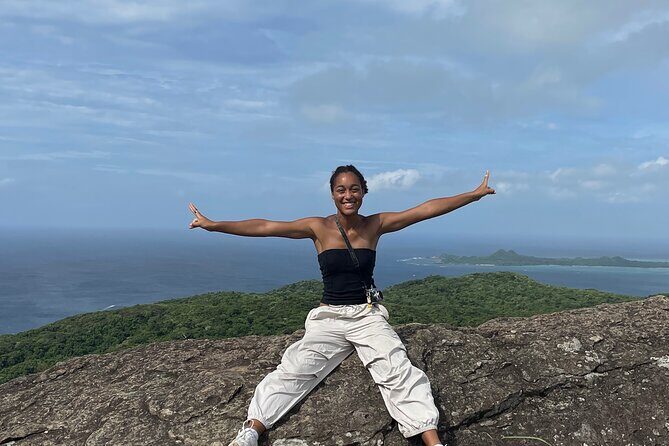
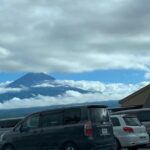
The centerpiece is Mount Fuji’s 5th Station, with about 3.5 hours. This is where you go for panoramic views and memorable photos—the reason many people book the whole day in the first place.
What I appreciate is the time allotment. Three and a half hours is long enough to handle the reality that Fuji visibility can change. Even if the mountain is partially hidden, you still get time to wait for openings and to try different viewpoints around the station area.
A strong guide can also help you make sense of crowd patterns. This tour is built around avoiding stress, and in good situations, your guide can help you time the best moments for photos and sightseeing rather than just dropping you at the busiest spot.
That said, be honest with yourself about what a mountain day means: weather can be unpredictable. Bring weather-appropriate clothing, and don’t treat any one moment as guaranteed. You’re there for the chances, and you’re there long enough to benefit when the conditions improve.
Custom Itinerary, Private Vehicle, and What You’re Paying For
Price is $520 per group, up to 6 people. That sounds like a lot until you do the math in context.
- If you fill all 6 seats, it’s roughly $87 per person.
- If it’s just 2 people, it becomes about $260 per person.
So the value depends on your group size and how tightly you plan your day. Where this trip tends to be worth it:
- You want hotel pickup and a private car instead of coordinating trains and buses
- You care about spending enough time at 5th Station to actually get useful visibility
- You want a guide who can explain what you’re seeing in your preferred language
The included items help justify the cost:
- Private transport in a modern climate-controlled vehicle
- A professional multilingual guide (English, Urdu, Hindi, Punjabi, Japanese)
- Road tolls, gas, and parking
- Support for a custom itinerary based on your interests
But here’s the balancing truth: customization only works if your guide takes your requests seriously. One outcome that shows up when customization fails is simple—your priorities don’t happen, and the day turns into rushing. If you’re booking for a specific moment, confirm it early and insist on a plan that protects that priority.
Guide Languages and the Human Difference: When Explanations Change Everything
This tour can be guided in multiple languages, including English, Urdu, Hindi, Punjabi, and Japanese. That’s not just a convenience. It affects your experience in the details: understanding what you’re looking at, knowing what to expect at each stop, and getting smarter about how long to stay in each area.
You can also feel the difference in how a guide handles uncertainty. One guide name that stands out from outcomes I’ve seen is Rana, praised for reacting when Fuji stayed hidden behind clouds and then finding a window when visibility improved. Another guide mentioned is Rafey, who helped manage the drive and guided the day between key spots. Arslan is another example of a guide who explains while walking and gives recommendations.
Even if your guide is different, the lesson is the same: the guide isn’t just transport. A good one helps you use the time you paid for.
Optional Add-Ons: Private Onsen, Sake, and How to Slot Them
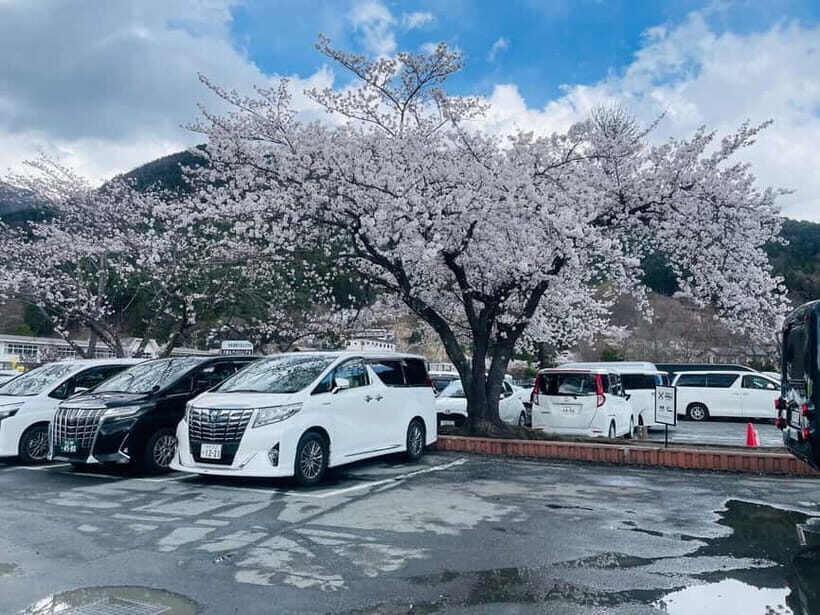
The tour can include optional experiences such as a private onsen and stopping for local sake. There’s also an amusement option tied to Fuji-Q, depending on your interests and timing.
Here’s how to decide if you should add these:
- If you want relaxation after a long mountain day, an onsen can be a satisfying payoff.
- If you’re food-and-drink curious, a sake stop can add local texture.
- If you’re chasing Fuji photos only, keep it simple so you don’t shorten your 5th Station time.
You’ll want to plan for entrance fees for optional activities since those aren’t included. If you’re trying to fit multiple add-ons, talk it through with your guide early so they don’t accidentally steal time from your main goal.
What to Bring and How to Stay Comfortable on a Long Fuji Day
You’ll be outside and walking, then inside a car for long stretches. Pack like it’s a whole-day outing, not just a quick sightseeing trip.
Bring:
- Comfortable shoes
- Camera
- Snacks
- Sunscreen
- Water
- Weather-appropriate clothing
Also think about your schedule reality. You won’t have time to run back to the hotel for forgotten essentials, so it’s worth handling the basics the night before.
Who This Tour Suits Best (and Who Should Skip It)
This is a strong choice for:
- Couples and small groups who want private, crowd-lite pacing
- Families who want a guide to keep things moving smoothly
- Anyone who wants control over timing, especially around Fuji-Q or photo stops
- Travelers who want multilingual support (English, Urdu, Hindi, Punjabi, Japanese)
It may not be a good fit if:
- You need wheelchair access or have mobility limitations. This tour isn’t listed as suitable for wheelchair users or people with mobility impairments.
- You prefer very flexible, last-second plans with no schedule structure. The day is long and packed; “wandering whenever” usually means you’ll miss something important.
Should You Book This Mount Fuji Private Day Trip?
Book it if you want a private day that actually spends time where it matters: Lake Kawaguchi, Oshino Hakkai, and especially Mount Fuji’s 5th Station. It’s priced for groups, so if you can share the cost with up to 6 people, the value improves fast.
Skip or reconsider if:
- Your plan hinges on a specific arrival time and you’re worried the day could slip. In a private tour, you still need to communicate your non-negotiables and check them.
- You can’t do a long day with car time plus walking at viewpoints and nearby stops.
If you’re choosing timing, go in spring (cherry blossoms) or autumn (fall colors) for the seasonal boost. Winter can bring snow-covered Fuji with fewer crowds, which can be a real bonus if you’re prepared for colder conditions.
Ultimately, this is a good way to see Fuji without wrestling Tokyo logistics. Just do the one thing that makes private trips work: be crystal clear about what you want most, and let the guide handle the rest.
FAQ
What is the meeting/pickup arrangement?
You start with hotel pickup in Tokyo.
How long is the trip?
It runs for 570 minutes total. The exact start time depends on availability, and the suggested departure is 8:00 AM.
What’s included in the price?
You get private transport in a modern climate-controlled vehicle, a professional multilingual guide, and coverage of road tolls, gas, and parking charges.
Are meals included?
No. Meals are not included.
Can I customize the itinerary?
Yes. The tour includes support for creating a custom itinerary tailored to your interests.
Are entrance fees included?
Entrance fees for optional activities are not included.
What languages are available for the guide?
Guides are available in English, Urdu, Hindi, Punjabi, and Japanese.
What cancellation policy applies?
You can cancel up to 24 hours in advance for a full refund.