REVIEW · TOKYO
Mount Fuji,Lake Kawaguchiko Private Tour By Car With Pick Up
Book on GetYourGuide →Operated by KARVAAN TOURS · Bookable on GetYourGuide
One day, five Fuji hits. I love how this private-car plan strings together Mt. Fuji viewpoints and easy schedule control without worrying about buses or transfers. The possible drawback: you are paying for guidance, but the quality and amount of English commentary can vary by driver, so I’d line up your must-sees early.
For $410 per group (up to 6 people) you get an air-conditioned vehicle, an English-speaking driver/guide, petrol, and highway tolls for a full 10-hour round. My practical advice: start early if you can, because traffic and lines in the Fuji Five Lakes area can eat time fast.
In This Review
- Key things I’d clock before you go
- A 10-hour Fuji day built for views, not bus stress
- From pickup to Mt. Fuji 5th Station: the altitude game
- Chureito to Oshino Hakkai: water from Fuji, not a museum stop
- Oishi Park: a quick viewpoint with payoff
- Shrines and Saiko Iyashi-no-Sato Nenba: where spirituality meets old Japan
- Fuji-Q Highland and Fujiyoshida: time for a change of pace
- Driver and guidance quality: the difference between a tour and just a ride
- Price and costs: what $410 covers and what adds up
- Timing and photo strategy for the Fuji Five Lakes area
- Who this tour suits best
- Should you book this private Mount Fuji and Lake Kawaguchiko car tour?
- FAQ
- How long is the Mount Fuji and Lake Kawaguchiko private tour?
- Where can I be picked up for this tour?
- What are the drop-off locations at the end of the day?
- Is this a private tour?
- What language is the guide/driver available in?
- What’s included in the price?
- What’s not included?
- What should I bring?
- Is the tour wheelchair accessible?
- What should I know about cancellation?
- Is pay later an option?
Key things I’d clock before you go
- A private car with pickup options (Tokyo, Hakone, or Lake Kawaguchi) and drop-offs back in the same area
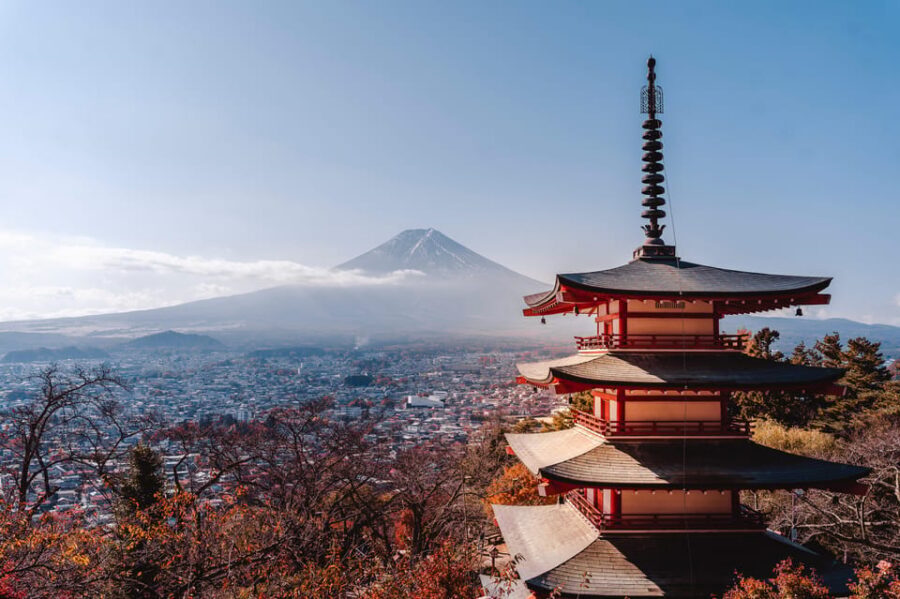
- Mt. Fuji 5th Station plus classic photo stops like Chureito Pagoda
- Oshino Hakkai’s water features and the best chance at calm lake reflections
- Two sides of Fuji culture: shrine visits and the reconstructed village at Saiko Iyashi-no-Sato Nenba
- Real breathing room versus shoehorning everything with public transport
- Driver quality matters, so make your priorities clear at the start
A 10-hour Fuji day built for views, not bus stress
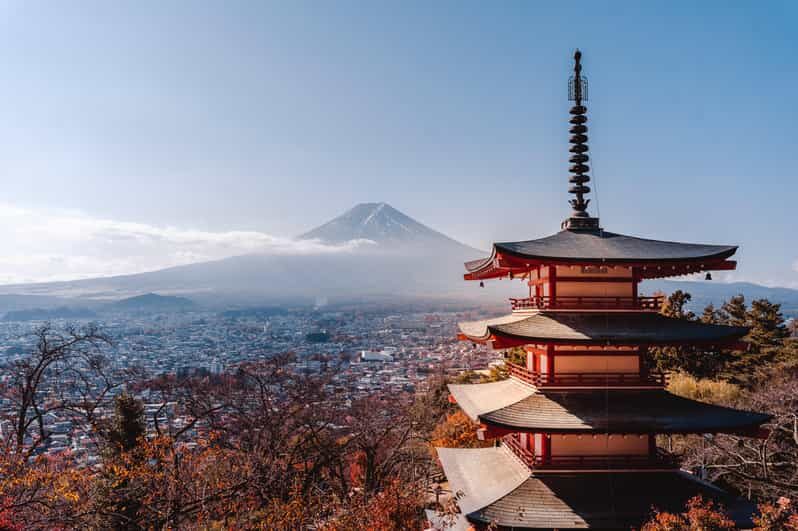
This is the kind of Mount Fuji tour day that feels efficient because you’re moving in one direction without the constant timetable guessing. You’ll have a modern, clean, air-conditioned vehicle and an English-speaking driver/guide, with petrol and highway tolls handled. For groups up to six, the private setup often works out better than buying multiple train tickets plus walking plus transfers.
The best part is how the day mixes big-name Fuji sights with calmer stops around the Fuji Five Lakes. You’re not just ticking boxes from a map; you’re getting a sequence that makes sense: higher vantage points first, then the shrine and village experiences, and finally the lake parks and viewpoints.
One important logistical point: private group service is only guaranteed for groups of four or more travelers. If you book with three or fewer under the per-adult option, you may share a vehicle, and shared-vehicle pickups are limited to Tokyo city pick-up. If privacy and timing control matter a lot, I’d plan your group size accordingly.
And yes, that 10-hour clock is real. If you add extra stops on the fly, the day can stretch. The safest move is to tell your guide your top priorities at the beginning and stick close to the plan.
You can also read our reviews of more private tours in Tokyo


From pickup to Mt. Fuji 5th Station: the altitude game
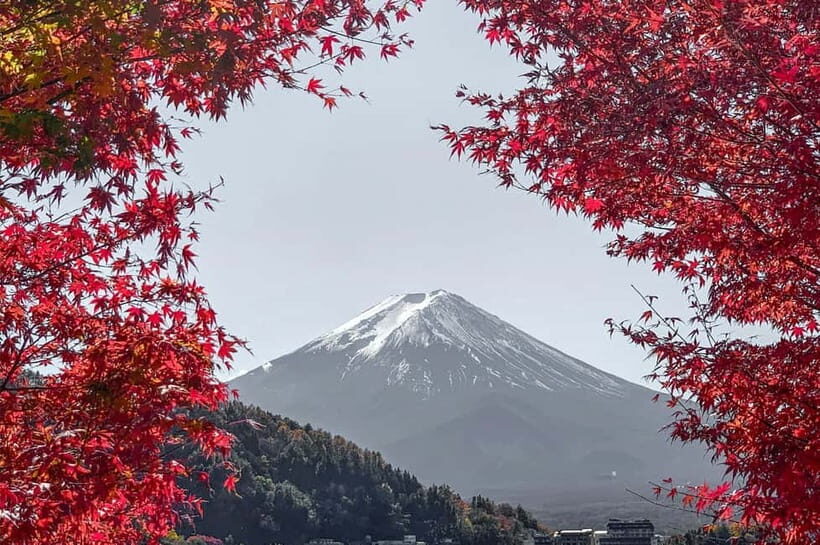
Your day starts with one of three pickup points: Tokyo, Hakone, or Lake Kawaguchi. This matters because travel time around Fuji depends heavily on where you begin. If you’re already in the Fuji Five Lakes area, you’ll usually spend more of your paid time actually touring.
First major stop: Mt. Fuji 5th Station. Expect a guided visit with about an hour on-site for sightseeing. This is one of the best places to see how Fuji looks up close and to get that sense of scale that photos can’t fully capture. Even when visibility is mixed, the rock-and-sky feel at altitude tends to make people pause.
Practical tip: wear comfortable shoes and plan for cooler temperatures than you’d expect at the base. Bring your camera. Cash can come in handy for small purchases at roadside spots.
After that comes another iconic viewpoint: Chureito Pagoda. You’ll have about an hour for this guided stop, and it’s the kind of place where everyone ends up photographing the same view—because it’s that good. The tour’s value here is not the photo itself; it’s the way you get there and back without stress.
If you’re aiming for the classic Fuji photo moment, remember that weather changes fast. Clouds can roll in quickly, and even in good conditions, angles and light shift. Starting early helps your odds.
Chureito to Oshino Hakkai: water from Fuji, not a museum stop
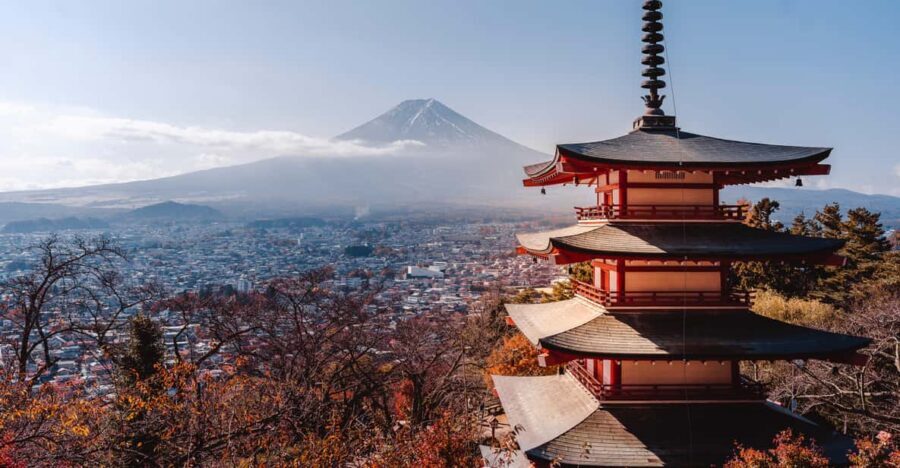
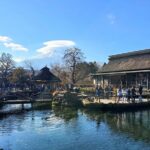
Next up is Oshino Hakkai, with around 40 minutes. This is a short stop, but it’s memorable because you’re looking at spring-fed ponds and water channels fed by Mt. Fuji’s snowmelt. The point isn’t only the photos—it’s the feeling that the mountain’s water system is still alive and working.
Even with a tight time window, the guided element helps. You’re not just wandering; you learn what you’re looking at and why this place became one of the most famous Fuji-water stops.
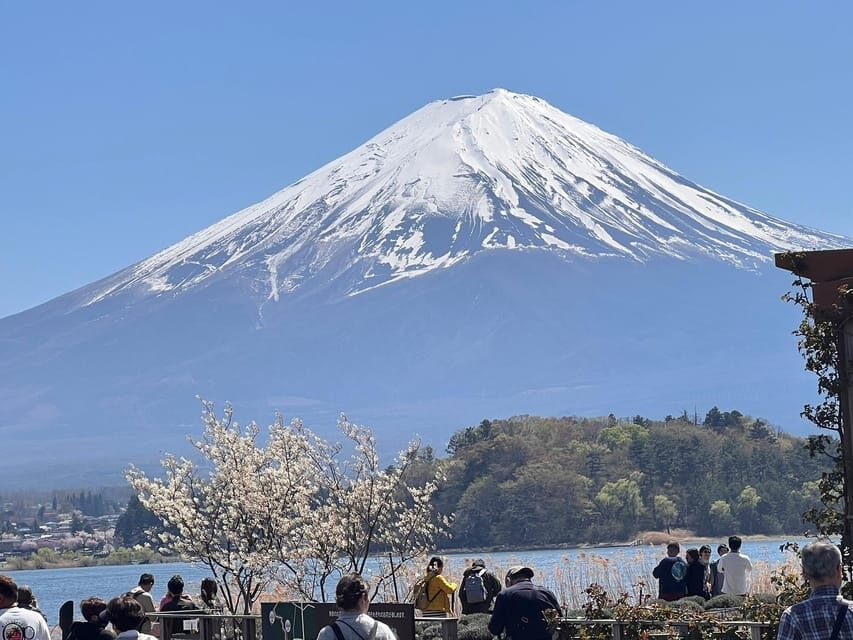
From here, you head to the lake area with Lake Kawaguchi. You’ll get about 40 minutes there with guided sightseeing. This is where you’re hunting for calm reflections and big Fuji views. In good weather, the mirror effect is the star. In less cooperative weather, you still get a strong sense of place—the lake’s shape and the surrounding hills give Fuji a different mood.
Oishi Park: a quick viewpoint with payoff
You’ll stop at Oishi Park for about 40 minutes. This is one of those places where you’re not stuck in long lines, but you still get elevated lake views. If you like landscapes of lakes and mountain horizons, it’s a solid use of time. If you’re sensitive to cold or wind, plan a warm layer—lake areas can feel chilly even when the city feels mild.
Shrines and Saiko Iyashi-no-Sato Nenba: where spirituality meets old Japan
Now the day shifts from scenery to meaning.
You’ll visit Kitaguchi-hongu Fuji Sengen Shrine for about 40 minutes. This is dedicated to the deified mountain—Fuji isn’t just scenery here. It’s tied to belief, ritual, and local traditions. The guided stop helps because you’re not trying to interpret signs with only basic context. You’ll come away with a clearer idea of why shrines cluster around Fuji and what people historically sought from the mountain.
Then you’ll go to Saiko Iyashi-no-Sato Nenba, with about an hour. This is a reconstructed Japanese village where you can explore houses and get a sense of daily life in a mountain region. This part is valuable because it slows the day down just enough. You’re not running from viewpoint to viewpoint; you’re walking streets and doorways, thinking about how communities lived with and around Fuji.
If you’re the type who enjoys cultural details but still wants big scenery, this is a good match. If you’re only chasing photos, you might treat it as a break from the wind and crowds, but it still adds texture to the day.






Fuji-Q Highland and Fujiyoshida: time for a change of pace
Your day doesn’t end at the lakes and shrines. You’ll have a stop at Fuji-Q Highland for about an hour, with a walk-based visit.
This is a different energy than the quiet shrine and village moments. Even if you don’t ride anything, the area is built for entertainment and people watching. It’s a nice late-day way to keep momentum going without feeling like you’re still in sightseeing mode.
You also get time around Fujiyoshida, which sits near the mountain’s base area. Depending on timing and what you choose to prioritize, you may find opportunities for snacks and local flavor—especially since lunch is not included. If you want a proper meal, I’d plan to budget time for it rather than assuming the schedule will give you an easy, free sit-down.
And one more thing: the broader plan often includes time for additional Fuji viewpoints like Mt. Kachi Ropeway. The exact timing can depend on conditions, but if this is on your bucket list, bring it up early so your guide can see if it fits.
Driver and guidance quality: the difference between a tour and just a ride
This is where you should pay attention, because the experience can swing based on the driver/guide.
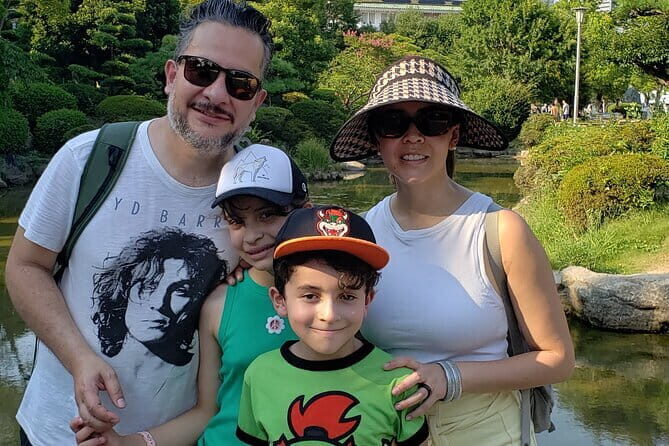
I saw strong praise for guides like Mr. Ameer and Mr. Tahir, who handled the day with good pacing and thoughtful stop choices. One day stood out for how much personal attention you can get: a guide named Ali reportedly took great family photos and adjusted the pace to match preferences. Another highlight in the feedback: safe driving and staying calm on busy roads—worth its weight when you’re traveling with family.
You’ll also notice a common theme in the good experiences: the guide makes recommendations and doesn’t just drive. In practical terms, that means they help you pick the best angles, suggest where to spend your short windows, and keep you from wasting time.
The concern is real too. One negative experience described a guide who didn’t speak much and didn’t explain what the group was seeing, turning the day into more of a driver-only service. Another issue described stops being missed and then a request for extra money after the day ran longer than planned. I can’t promise every day is perfect, but you can protect yourself.
Here’s what I do to reduce risk:
- At the start, say your top 3 priorities in plain language.
- Ask for a quick time check before each major stop so you keep control of the schedule.
- If the day is running long, clarify whether you should still expect all included stops, or focus on the highest-priority ones.
This is still a private day with an experienced driver, but the best outcome comes when you and the guide align early.
Price and costs: what $410 covers and what adds up
The headline price is $410 per group up to 6 people, which is not cheap on a per-person basis if you travel alone—but it can be very fair when you do the math for private car service.
What’s included:
- Air-conditioned vehicle and private transportation
- Guide and an English-speaking driver
- Petrol and gas, plus highway tolls
- Modern and clean vehicles
What’s not included:
- Lunch
- Mt. Fuji entry fee: 2,100¥ per group
- Lake Kawaguchi entry fee: 120¥
That Mt. Fuji fee is the kind of cost that can surprise people, so I’d factor it in before you arrive. Lunch can also vary a lot based on what you choose and where you stop. If you want extra paid attractions like ropeway rides, that’s not listed as included, so plan on paying separately if you choose them.
Timing and photo strategy for the Fuji Five Lakes area
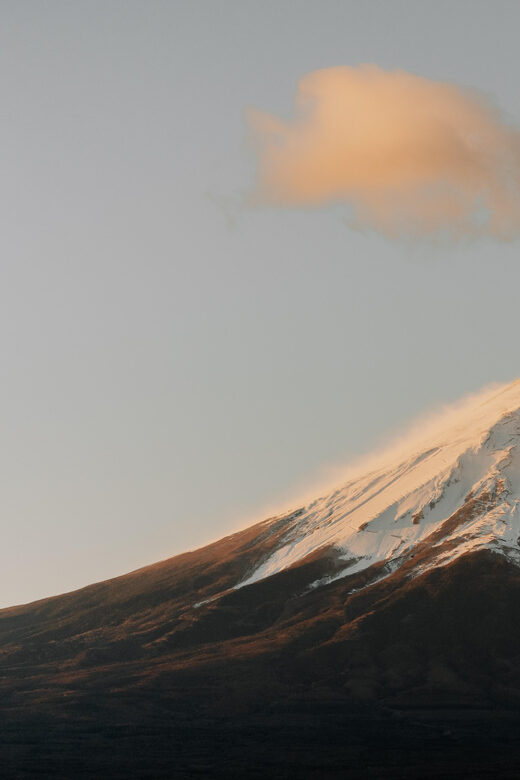
If you care about photos, timing is everything here. The day is set up for multiple viewpoints, but you still need light and visibility to cooperate.
The tour’s early-start recommendation is practical, not just marketing: you’ll have less traffic and more relaxed pacing, which matters when you have short windows at several stops. In high season, lines can get long, including at related rides around the Fuji views.
My simple plan:
- Start your day early if your pickup allows it.
- Treat each viewpoint window like a mini assignment: get your main shots, then hang back a bit for the second wave of weather changes.
- Bring cash for small purchases and keep your camera ready for sudden clarity.
Also, dress for wind. Lake areas and higher stations can feel sharp even on pleasant days.
Who this tour suits best
This private Mount Fuji and Lake Kawaguchiko day tour makes the most sense if you:
- Want a private car with pickup flexibility (Tokyo, Hakone, or Lake Kawaguchi)
- Have a small group (ideally four to six) and want the whole schedule to feel under your control
- Like a mix of classic Fuji sights plus culture (shrines and reconstructed village)
- Prefer guided context so you understand what you’re seeing, not just where to stand for photos
It’s less ideal if you:
- Need highly scripted, uninterrupted commentary from a specific language level every minute of the day. I’d still book if you’re flexible, but I’d set expectations early.
- Are traveling with only two or three people and expect true private-only logistics. The service rules may switch you into a shared vehicle situation.
Should you book this private Mount Fuji and Lake Kawaguchiko car tour?
I think you should book this tour if you’re after a smooth, guided Fuji day with a private vehicle and you value hitting the key places without juggling trains. The mix of Mt. Fuji 5th Station, Chureito Pagoda, Oshino Hakkai, Lake Kawaguchi, and the shrine-and-village cultural stops is a smart use of time for one trip.
Hold off if your main goal is deep, consistent narration regardless of weather and timing. The tour can deliver excellent guidance (I saw that in multiple positive accounts, including safe driving and tailored recommendations), but guidance quality can vary by driver. If you do book, fix that risk by communicating your priorities early and watching the schedule.
FAQ
How long is the Mount Fuji and Lake Kawaguchiko private tour?
The tour duration is 10 hours.
Where can I be picked up for this tour?
Pickup is available from Tokyo, Hakone, or Lake Kawaguchi.
What are the drop-off locations at the end of the day?
Drop-off locations are Lake Kawaguchi, Tokyo, or Hakone.
Is this a private tour?
Yes, it’s a private group tour, and the private option is available for groups of four or more travelers. If you book with three or fewer travelers under the per-adult option, you may need to share a vehicle with other customers.
What language is the guide/driver available in?
The tour has a live guide/English-speaking driver, with languages listed as English, Hindi, and Japanese.
What’s included in the price?
Included are an air-conditioned vehicle, private transportation, a guide, petrol and gas, highway tolls, and a modern and clean vehicle.
What’s not included?
Lunch is not included, and you’ll also need to pay the Mt. Fuji entry fee (2,100¥ per group) and the Lake Kawaguchi entry fee (120¥).
What should I bring?
Bring comfortable shoes, a camera, and cash.
Is the tour wheelchair accessible?
Yes, it’s listed as wheelchair accessible.
What should I know about cancellation?
Free cancellation is available up to 24 hours in advance for a full refund.
Is pay later an option?
Yes. The booking allows you to reserve now and pay later.