REVIEW · KYOTO
Private Osaka Tour from Kyoto with guide by public transportation
Book on Viator →Operated by MY Travel Consulting · Bookable on Viator
Osaka has a way of grabbing your attention fast. This private, full-day walking tour from Kyoto is a practical way to see the Umeda Sky Building views and Osaka Castle with a guide who keeps the day moving and lets you shape it. I also like the fact that hotel pickup and public transportation are built into the plan, so you spend less time figuring things out. The one catch: lunch isn’t included, so you’ll want a plan for food stops.
You’ll start with a National Licensed English-speaking guide interpreter, and that matters because Osaka is full of small details that you miss when you’re winging it. In particular, the guide experience is a highlight—people mention names like Akihiro for being patient with questions and staying on time. One more consideration: this is a walking tour with a moderate fitness level, so comfy shoes are not optional.
Finally, this is designed for a private group. Only your group participates, which makes it easier to slow down, speed up, or swap the order when crowds and weather push back.
In This Review
- Key Highlights If You’re Short on Time
- Why This Osaka-From-Kyoto Day Trip Actually Makes Sense
- Price and Value: What You Pay For (and What You Don’t)
- Using Public Transportation With a Guide (Without the Stress)
- Umeda Sky Building: Start High, Get Your Bearings Fast
- Osaka Castle: History, Views, and Why the Grounds Matter
- Kuromon Ichiba Market: Eat, Sample, and Shop Like You Mean It
- Dotonbori: Neon Streets and Street-Level Osaka Culture
- What Makes It Private: Your Pace, Your Priorities, Your Questions
- Who This Tour Fits Best (and Who Might Want Something Else)
- Should You Book This Private Osaka Tour From Kyoto?
- FAQ
- What’s the duration of the Osaka tour from Kyoto?
- Is hotel pickup included?
- Are admission tickets included?
- Is lunch included?
- Is this tour private?
- Can the tour accommodate dietary restrictions?
Key Highlights If You’re Short on Time
- Hotel pickup + public transportation: You get local routing help without paying for a private car.
- Included admissions for Umeda Sky and Osaka Castle: Fewer ticket hassles, more time staring at the views.
- Private format: You can adjust the pace and emphasis without negotiating with strangers.
- Food and street culture stops: Kuromon Ichiba Market and Dotonbori are built in, with time to snack or browse.
- A guide interpreter you can ask questions to: Feedback points to patient explanations and good communication (Akihiro comes up often).
- Moderate walking pace: You’ll want stamina, but it’s not a marathon.
Why This Osaka-From-Kyoto Day Trip Actually Makes Sense

Osaka can feel like two cities at once: sleek downtown modernity and heavy-hitter history. A day trip from Kyoto works best when you use local transit well and don’t waste time bouncing between areas. This tour is built for that. You get a guided, walking-forward route that hits a skyline landmark, a major historical site, and two areas tied to everyday Osaka life.
The practical win is the structure. The tour is 8 hours (approx.), and it’s not just a list of stops. It’s a paced itinerary that groups locations into logical neighborhoods, then gives you time on the ground rather than rushing through photo ops. That’s where your guide earns their fee: they help you translate what you’re seeing into something you’ll actually remember later.
You also get a little freedom. It’s described as private and customizable, so you’re not locked into a one-size-fits-all schedule. In a city like Osaka—where the vibe changes block to block—that flexibility matters. If you want more market time or want to linger at the castle viewpoint, you can usually do that when the day isn’t run like a cattle schedule.
The drawback, again, is lunch. Without lunch included, you’ll need to budget time to eat on your own during Kuromon Market or near Dotonbori. The good news is you’ll be in places where food is part of the experience, not an awkward detour.
You can also read our reviews of more guided tours in Kyoto
Price and Value: What You Pay For (and What You Don’t)
At $280 per person for an 8-hour private tour, the value comes from three buckets: guidance, convenience, and included entry.
First, you’re paying for a National Licensed guide interpreter. That’s not just about reading signs. It’s about understanding what matters at a place like Osaka Castle and knowing what you can safely ignore. You also benefit from good communication—people mention the guide stayed in touch and arrived promptly—so your day starts with less stress and fewer “where are you” moments.
Second, hotel pickup and public transportation help you conserve energy and time. Osaka is easy to get around, but it’s still easy to mess up when you’re tired or when transfer stations crowd up. Having the route managed lets you enjoy the day instead of constantly checking maps.
Third, admissions are included for Umeda Sky and Osaka Castle. That removes a common headache on tours: the slow moment where you’re stuck waiting in ticket lines while the group loses time. You still need to plan your own food, but the big-ticket entries are taken care of.
What’s not included is straightforward: lunch and personal expenses. That means you control your budget for meals, snacks, and anything you decide to buy in markets. If you’re watching spending, this can actually be a plus—you aren’t forced into an included meal that doesn’t fit your preferences.
Using Public Transportation With a Guide (Without the Stress)
One of the best parts of this tour is the “real life” approach to getting around. You’re not transported like a package by car the whole time. Instead, you’re using public transportation as the day unfolds, which keeps you closer to what it’s like to move through Osaka like a local.
Here’s what that means for you:
- You’ll likely hop between areas efficiently rather than spending long stretches in transit.
- You’ll be guided on when to walk and when to ride, which helps if you’re not familiar with Osaka station layouts.
- Your guide can adjust if conditions change—weather, crowd flow, or the timing of your next stop.
Also, this is a walking tour, so you should plan for steady movement. The tour notes a moderate physical fitness level. If you can comfortably walk for much of the day and don’t mind uphill or long station corridors, you’re in the right category. If your mobility is limited, you’d want to talk with the provider in advance to understand how flexible the walking portion can be.
Finally, the tour is near public transportation. That’s important because it keeps options open if you want to extend your day on your own afterward. You won’t feel locked into one bubble of transport.
Umeda Sky Building: Start High, Get Your Bearings Fast
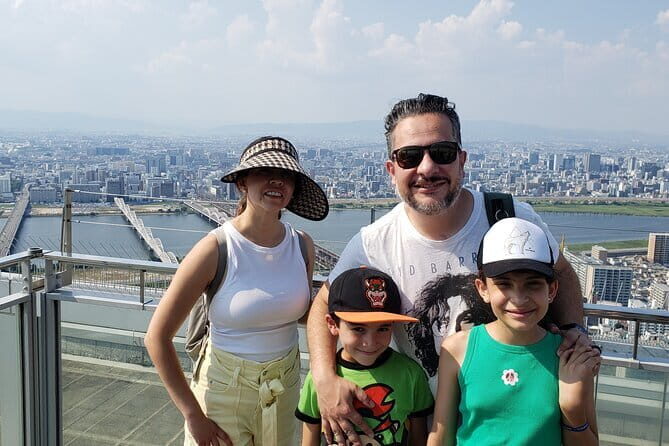
The day opens with the Umeda Sky Building, and it’s a smart first stop. A skyline viewpoint does two things: it gives you orientation and it helps you understand the city’s layout before you start walking.
You’ll spend about 1 hour 30 minutes here, with admission included. That’s a solid chunk of time. It’s enough to take in the views without feeling like you’re rushing, but not so long that the rest of the day gets squeezed.
What I like about starting with Umeda is that it makes the rest of the itinerary make more sense. Osaka Castle later feels less like an isolated landmark and more like part of a bigger geographic story. Even if you don’t read every sign, you’ll recognize the major corridors and see how districts connect.
Practical tip: if you’re sensitive to heights or standing still for long periods, pace yourself. Take breaks. Use the time to note landmarks around you, not just to chase photos.
The only drawback is simple: the Umeda Sky Building is a popular destination. If you want extra calm, arrive ready to move at a guided pace rather than expecting a quiet walkthrough.
Osaka Castle: History, Views, and Why the Grounds Matter
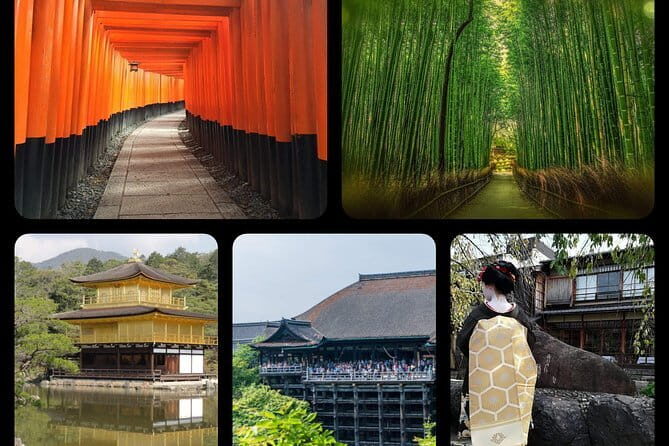
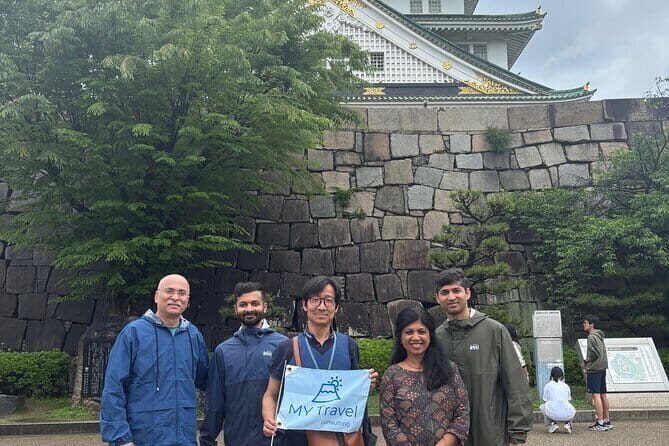
Osaka Castle is the second major anchor stop, with about 2 hours on site. Admission is included, so you’re not scrambling for tickets right as you arrive.
Osaka Castle matters historically because it traces back to the late 1500s, associated with Toyotomi Hideyoshi. That connection gives the castle more weight than a pretty structure. It’s also a place where the landscape contributes to the experience. You don’t just look at buildings—you get the sense of why this location would matter in its time.
From a travel perspective, the guide role is key. A castle site can become a self-guided maze if you don’t know what you’re looking at. With a licensed interpreter, you can connect architectural features and the surrounding grounds to the broader story of Osaka. Even if you mostly care about photos, you’ll enjoy the context that turns those photos into something you understand later.
Two time-management thoughts:
- Two hours is enough to see the main highlights, but not enough to treat it like a slow museum day.
- If you’re a person who loves reading everything, you’ll want to ask your guide what’s most worth your time so you don’t get stuck in one section.
Also, keep expectations realistic. Castles attract crowds. The tour gives you structure, but the site is still public and active. Think of it as a chance to watch people, not just a private viewing.
You can also read our reviews of more private tours in Kyoto
Kuromon Ichiba Market: Eat, Sample, and Shop Like You Mean It
Kuromon Ichiba Market is a great mid-day stop: about 2 hours, and admission is free. It’s the kind of place where you can build your Osaka day around taste instead of just sightseeing.
The market nickname Osaka’s Kitchen fits because the energy is food-first. You’ll find fresh seafood, street-food style snacks, and local specialties. Even when you don’t buy much, it’s enjoyable to watch how people order and what’s being prepared.
Why this stop is valuable on a guided tour: you get help figuring out what to try and how to choose. Without guidance, markets can become a photo-only experience. With guidance, you can make faster, better decisions—especially if you have dietary needs.
Diet matters here. The tour says it can accommodate restrictions such as vegetarian, vegan, and gluten-free, among others. That doesn’t mean every stall will have the same options, but it does mean you can tell your guide what you need, and they can steer you toward workable choices and clarify what’s likely safe.
One caution: lunch isn’t included. If you want the market to be your main meal, you should plan to spend part of your Kuromon time eating, not just browsing. If you prefer a lighter snack, you’ll still need to decide where your real lunch is going to happen later.
Dotonbori: Neon Streets and Street-Level Osaka Culture
Dotonbori rounds out the day with about 2 hours in an area known for its neon lights, entertainment, and restaurant scene. It’s one of the best places to feel the city’s daily rhythm, because the atmosphere is designed for strolling and people-watching.
On a tour like this, Dotonbori works because you’ve already done the big-ticket landmarks. After Umeda and Osaka Castle, Dotonbori feels like the payoff—Osaka as you hear it described: fun, loud, and very much about what’s happening at street level.
What to expect: a lot of signage, lots of energy, and plenty of places to eat or just walk and soak in the scene. Because your guide is with you, you can ask where to go for a particular vibe—casual bites, sit-down meals, or quick snack stops—without guessing.
The practical trade-off is that this is also a popular area, so you’ll share space. Plan for slow moving sidewalks and choose the moments you want to stand and look rather than expecting smooth flow.
If you’re the kind of traveler who likes to end a day with a final meal you’ll remember, Dotonbori is where you’ll have the most choices—especially since this tour doesn’t lock in lunch.
What Makes It Private: Your Pace, Your Priorities, Your Questions
A private tour isn’t just about fewer people. It’s about how the day adapts to you.
For example, you’re working with a guide interpreter, and that’s where questions matter. In the feedback, Akihiro is mentioned for being patient and for knowing how to answer a stream of questions without rushing you. That kind of interaction is rare in group tours, where the guide has to keep everyone aligned.
You’ll also get hotel pickup, which is a big quality-of-life upgrade. You’re not meeting somewhere vague and timing your own transit. You’re starting the day already connected to the plan.
The tour description also emphasizes a mix of historic and modern sights, plus insider knowledge and memorable encounters with local traditions. You may not get a “show” at every stop, but you’ll get the human context that turns landmarks into living places.
If you want a day that feels like you have a local friend steering you, this is the right format. If you want a strict checklist with no flexibility, you might prefer something more rigid.
Who This Tour Fits Best (and Who Might Want Something Else)
This is a strong match if you:
- Want an efficient Osaka highlight day without hiring a private driver for everything
- Enjoy a walking tour with a clear route and guided context
- Like food culture enough to plan snacks or a meal around Kuromon Market
- Care about having someone help with public transportation flow
You should think twice if:
- You need a fully meal-included day (lunch is not included)
- You’re sensitive to crowds at major attractions like the castle and busy city streets
- Walking for much of the day is difficult for you (the tour says moderate physical fitness)
One more fit detail: the tour is flexible with dietary restrictions. If you have specific needs, this is a good sign—just be upfront when booking.
Should You Book This Private Osaka Tour From Kyoto?
I’d book it if you want a smart, guided way to experience Osaka beyond the surface highlights. The included tickets for Umeda Sky Building and Osaka Castle remove friction, and hotel pickup plus public transportation keeps the day realistic. Add in that private format, and you get room for questions and pacing that makes the city feel human.
I wouldn’t book it if your top priority is a fully planned meal schedule. You’ll be eating on your own at least once, and Kuromon Market works best if you’re actually ready to sample. Also, if you want a super relaxed, minimal-walking day, this one is more active than that.
If you book, do one small thing that pays off: wear comfortable shoes and decide in advance what you want from Dotonbori—quick snacks or a real meal. Then let your guide help you choose the right moment and the right spot.
FAQ
What’s the duration of the Osaka tour from Kyoto?
The tour runs about 8 hours (approx.).
Is hotel pickup included?
Yes. Hotel pickup is included.
Are admission tickets included?
Yes. Admission fees are included for the Umeda Sky Building and Osaka Castle. Kuromon Market and Dotonbori stops are free.
Is lunch included?
No. Lunch is not included, and you’ll handle meals and personal expenses on your own.
Is this tour private?
Yes. It’s a private tour/activity, and only your group participates.
Can the tour accommodate dietary restrictions?
Yes. Dietary restrictions like vegetarian, vegan, and gluten-free can be accommodated if you indicate them during booking.