REVIEW · TOKYO
Mt Fuji Exploration Tour with Free Japanese Kusa Mochi from Tokyo
Book on Viator →Operated by TrevoTour Travels · Bookable on Viator
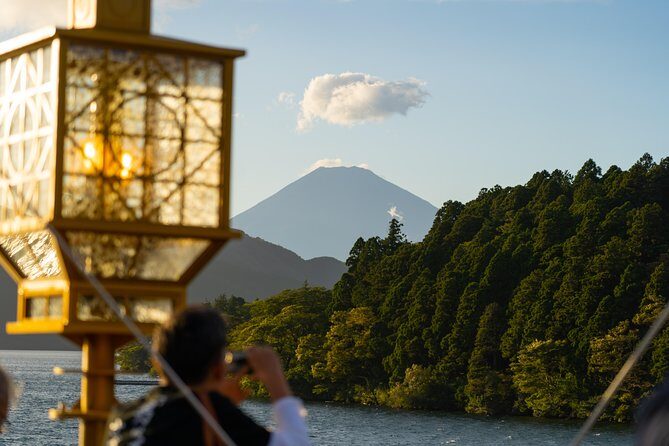
Mount Fuji is the one Japan photo you can’t fake. This day tour from Tokyo strings together multiple best-known viewing areas, then adds a sweet bonus: free kusa mochi.
I especially like how the stops are practical for photography, not just sightseeing stickers. You get Oshino Hakkai’s spring-pool reflections and a traditional village stop that breaks up the day.
One thing to watch: it’s a long day with a strict vehicle time limit, so if conditions run late, the guide may trim the plan.
In This Review
- Key highlights worth your attention
- Mount Fuji planning made simple from Tokyo
- The day’s rhythm: drive time, group size, and weather reality
- Arakurayama Sengen Park: your early “Fuji plus stairs” stop
- Oshino Hakkai: eight spring pools that photograph like a dream
- Oishi Park on Lake Kawaguchi: Fuji views with seasonal variety
- Saiko Iyashi-no-Sato Nenba: the village pause (and why it’s valuable)
- What’s included (and what you’ll likely still pay for)
- Photography strategy that fits this exact route
- Who this tour is best for
- Should you book this Mount Fuji tour?
- FAQ
- How long is the Mt Fuji exploration tour from Tokyo?
- How much does the tour cost?
- What language support do you get from the guide?
- What attractions are included in the day?
- Is the admission fee included for the main stops?
- Do you get any food or snacks?
- What seasonal changes can happen on this tour?
- What happens if the weather is poor?
Key highlights worth your attention
- Arakurayama Sengen Park first for an early shot at Mount Fuji views and a scenic climb
- Oshino Hakkai’s eight crystal-clear spring pools formed from Mount Fuji snowmelt
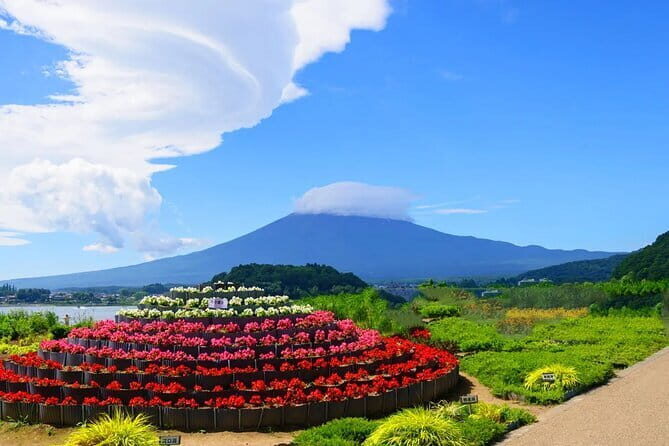
- Oishi Park by Lake Kawaguchi with seasonal scenery options depending on the month
- Saiko Iyashi-no-Sato Nenba gives you thatched-roof village calm near Lake Saiko
- Multilingual guide commentary (English/Chinese/Japanese), with Sia praised for clear explanations
- A real-time schedule limit under a 10-hour vehicle rule that can shorten the day
Mount Fuji planning made simple from Tokyo
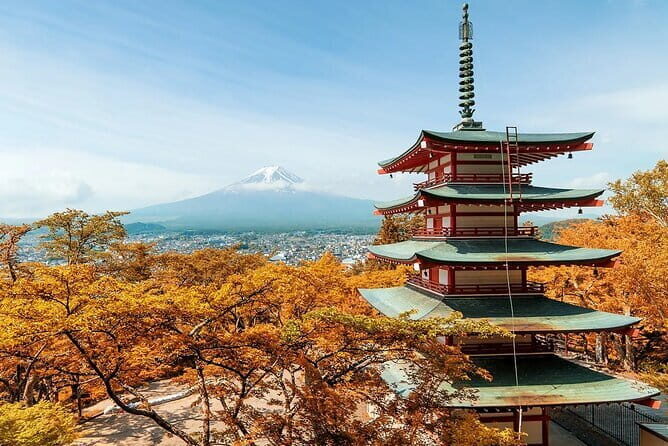
If you only have one day for Fuji, this kind of tour is built for you. Instead of gambling on one viewpoint, the day uses several different angles around the Kawaguchiko and Lake Saiko area. That matters because clouds, wind, and light can turn Mount Fuji from postcard-perfect to “where did it go?” fast.
The other big win is that you’re not just dropped off. You travel with a guide who offers commentary along the way. One guest specifically called out Sia’s explanations at each location, and that’s exactly what helps on a photography day. When you understand what you’re looking at, you take better pictures and you waste less time.
Price-wise, $82 isn’t cheap compared to individual transit tickets. But you’re paying for a guide, transport, and included entry at least for West Lake Healing Reagan Field, plus a free Japanese confection. For a one-day Mount Fuji plan, that’s often better value than cobbling together a DIY route with multiple transfers and last-minute timing stress.
You can also read our reviews of more tours and experiences in Tokyo.



The day’s rhythm: drive time, group size, and weather reality
This is an 8–9 hour experience including transportation. In plain terms, you’re committing to a full day. Expect a long bus ride from Tokyo; one person described it as a 2-hour bus trip. That’s normal here. Build your day around it, not around hoping you’ll squeeze in extra plans.
The group size has a cap of 48. That’s big enough to feel efficient, but not so huge that you can’t hear guidance. You’ll also be using buses within Japan’s rules about vehicle time. The tour notes that vehicle use time won’t exceed 10 hours by law, and the guide will cut the itinerary based on actual timing. Translation: go in with flexibility.
Also, the experience requires good weather. If Fuji is hidden or conditions are rough, you may need to reschedule or receive a full refund. That’s not the tour being difficult. It’s just how Mount Fuji works.
Arakurayama Sengen Park: your early “Fuji plus stairs” stop
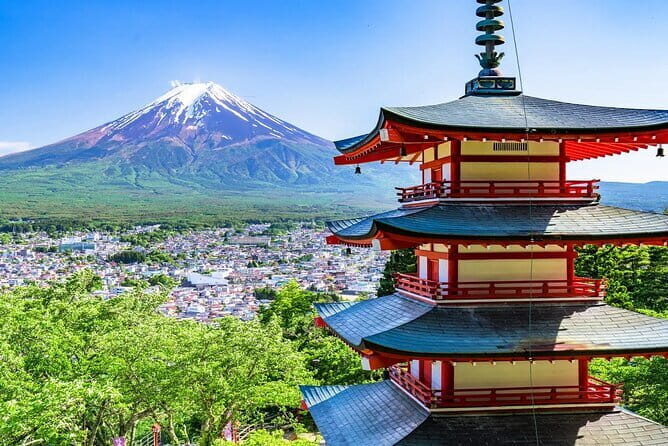
You start at Arakurayama Sengen Park, and that opening matters. Getting a first look early gives you a better chance at clear views before the day clouds up. The stop includes a scenic walk up to the park’s famous observatory area, with a free admission ticket noted for this part of the day.
This is the kind of location where small choices pay off. Wear shoes you can walk in without thinking. If you’re chasing photos, you’ll want to move a little, not just stand still. Elevated viewpoints can give you stronger framing of Mount Fuji against the sky and surrounding hills.
The “watch out” here is not the park—it’s your energy. Even though the time listed is about 1 hour 20 minutes, that includes walking time in an area with stairs and viewpoints. If you’re not used to uphill walking, plan to go steady.
Oshino Hakkai: eight spring pools that photograph like a dream
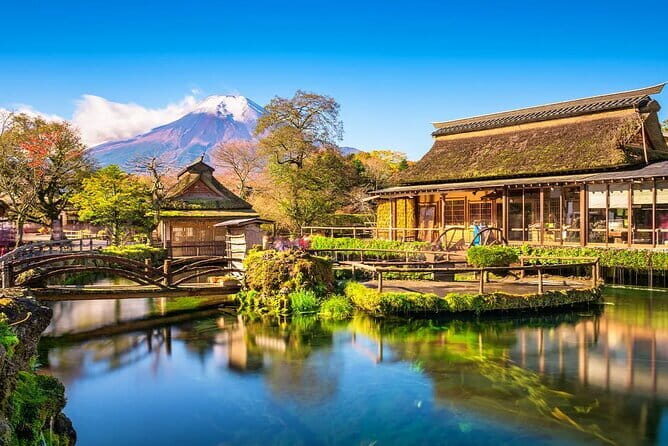
Next up is Oshino Hakkai, one of the most iconic places to see where Mount Fuji’s snowmelt resurfaces. The pools are formed by that snowmelt process, and you’ll explore eight crystal-clear spring pools during your visit. The setting is quiet for photos, and the water reflections are the star.
This stop is great for people who want something more than a viewpoint. You’re not just aiming at Fuji—you’re seeing how the Fuji water cycle changes the landscape around it. That makes the experience feel more grounded and less like a check-the-box photo stop.
Practical tip: go slowly along the paths and let your eyes adjust. The pools look best when you’re not rushing between locations. If you’re bringing a camera, you’ll probably shoot both wide angles (for the overall scene) and tight frames (for reflections and water detail).
One drawback to keep in mind: because Oshino Hakkai is popular, if you arrive later in the day, you may find more people at the best angles. The good news is that the stop is long enough to find your own pacing.
Oishi Park on Lake Kawaguchi: Fuji views with seasonal variety
Then you head to Oishi Park at Kawaguchiko Oishi Park, with about 40 minutes for this stop and free admission noted. The payoff here is calm Lake Kawaguchi views with Mount Fuji in the background when conditions cooperate.
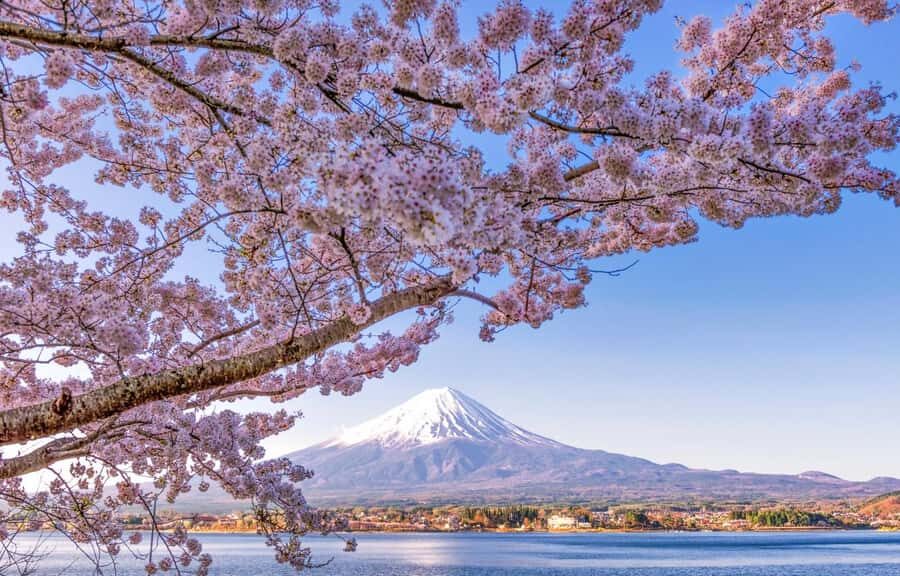
This is also where the tour’s seasonal flexibility shows up. The plan states that you’ll visit Oishi Park during the off-season period. If your date lands between 10/20 and 11/23, the area switches to highlight the Kawaguchiko Maple Corridor. If you’re there between 04/05 and 04/14, it’s timed around the Kawaguchiko Cherry Blossom Festival.
Why does this matter for you? Because it changes what your photos look like. Same mountain. Different foreground color and mood. If you’re traveling in shoulder season and you’re worried about what you’ll see besides Fuji, this scheduling helps you still get something seasonal.
Drawback: with only 40 minutes, you’ll want a quick game plan. Arrive ready to choose your angle fast. Spend extra time only if the weather is cooperating and Fuji is showing clearly.






Saiko Iyashi-no-Sato Nenba: the village pause (and why it’s valuable)
Saiko Iyashi-no-Sato Nenba is your traditional Japanese village stop, about 1 hour, with free admission noted. It’s near Lake Saiko and features thatched-roof houses and a quieter rural feel. Even if you’re mainly there for Mount Fuji, this stop is a smart counterbalance.
Here’s why it works: you’ve spent the morning chasing water reflections and park viewpoints. A village scene gives you architectural variety and a different kind of photography. Plus, it slows the day down. You can walk, look, and reset before the long return.
There’s also a practical value. Traditional village stops tend to be easier to understand through a guide’s storytelling. Since this tour includes multilingual commentary, you’ll likely get more from the buildings and setting than you would from a quick self-guided pass.
Time constraint note: it’s an hour. That’s enough to enjoy the vibe and take photos, but not enough to treat it like a full cultural museum day.
What’s included (and what you’ll likely still pay for)
The tour includes:
- A Chinese / English / Japanese-speaking guide
- Admission to West Lake Healing Reagan Field
- A special gift: Japanese kusa mochi
- Entrance noted as free at the listed key stops (Arakurayama Sengen Park, Oshino Hakkai, Oishi Park, and the village stop)
Not included:
- Other personal expenses
You might also want to plan for lunch. One guest referenced a lunch buffet during the excursion, calling it good but not great. Since lunch isn’t clearly listed as included in the basic info, treat it as something that may be provided depending on how the operator runs the day. Either way, bring flexibility in your expectations and keep small cash or a card ready for snacks if needed.
Also remember: you’re paying $82 for a day that would be annoying to DIY. If you’ve ever tried to coordinate Tokyo-to-Fuji transport plus multiple viewpoints in one day, you know the hidden cost is time and stress.
Photography strategy that fits this exact route
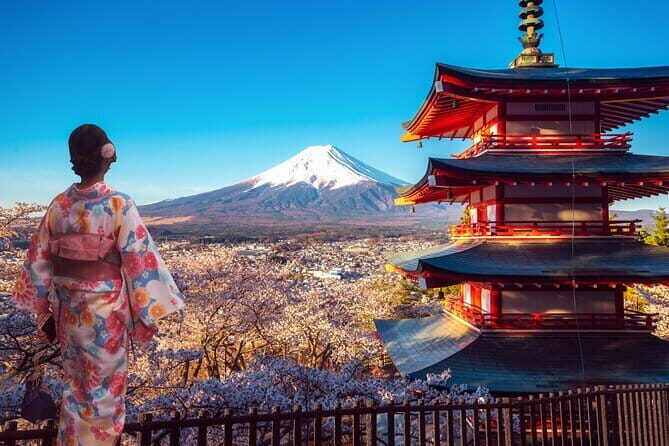
This route is strong for photographers because it mixes four different “types” of Fuji scenes:
- elevated views from a park
- water reflections at Oshino Hakkai
- lake-and-mountain framing at Oishi Park
- human-scale architecture in the village
To make your photos look like you planned them, don’t treat every stop the same. At Oshino Hakkai and the lake viewpoint, reflections and light matter more than speed. In the parks and village, composition and walking angles matter more.
Also, take advantage of the guide’s explanations. The Sia praise in the feedback is a clue: good guidance helps you spot the best viewing directions and understand why certain spots get used for photos. Even if you’re not an expert, you can ask simple questions like where the best angles are or when the mountain typically shows up from that spot.
One more thing: keep an eye on weather. The tour requires good weather, but conditions can change during the day. If you see Fuji clearly, don’t wait for a perfect pose. Capture, then adjust.
Who this tour is best for
This works best if you:
- want a Mount Fuji day trip without DIY headaches
- care about photography and want multiple viewpoints
- enjoy nature and water scenes as much as iconic mountain views
- like a mix of scenic parks plus a traditional village stop
It’s less ideal if you hate long bus rides or you need a highly flexible schedule. The tour runs as a set plan and can trim stops due to the 10-hour vehicle limit.
Should you book this Mount Fuji tour?
I’d book it if you want the most “Fuji per hour” you can reasonably get from Tokyo, with guided commentary and that free kusa mochi sweet reward. The pairing of Oshino Hakkai and Saiko Iyashi-no-Sato Nenba gives you variety, not just one viewpoint and back on the bus.
I wouldn’t book it if you’re the type who needs a relaxed pace with zero schedule friction, or if you’re only satisfied by Fuji in perfect clarity at every single stop. Weather is a real factor here, and the day can shorten if timing tightens.
If you’re flexible and you want a confident plan for your limited time in Japan, this is a solid choice.
FAQ
How long is the Mt Fuji exploration tour from Tokyo?
It runs about 8 to 9 hours total, including transportation time.
How much does the tour cost?
The price is $82.00 per person.
What language support do you get from the guide?
The included guide can speak Chinese, English, and Japanese.
What attractions are included in the day?
You visit Arakurayama Sengen Park, Oshino Hakkai, Oishi Park, and Saiko Iyashi-no-Sato Nenba. Admission is also included for West Lake Healing Reagan Field.
Is the admission fee included for the main stops?
The stop details list admission ticket free for each listed park/village, and admission to West Lake Healing Reagan Field is included.
Do you get any food or snacks?
You receive a special gift of Japanese kusa mochi. The info doesn’t list a full meal, but there may be lunch during the day depending on how the operator runs it.
What seasonal changes can happen on this tour?
Oishi Park is visited during the off-season period. The Kawaguchiko Maple Corridor can be highlighted from 10/20 to 11/23, and the Kawaguchiko Cherry Blossom Festival can be highlighted from 04/05 to 04/14.
What happens if the weather is poor?
The experience requires good weather. If it’s canceled due to poor weather, you’ll be offered a different date or receive a full refund.