REVIEW · TOKYO
Nikko Private Tour by public transportation
Book on Viator →Operated by Fulfilling Inc. · Bookable on Viator
Red bridges and train rides in Nikko. This private tour strings together Nikko’s big-name sights with a guide and hotel transfers, starting from the Hilton Tokyo area for an easy morning launch. You’ll spend your day among temples and mountain scenery without having to plan every step alone.
I also like that you get public-transport flexibility. You can choose the form of public transportation that fits your budget, while your guide helps you navigate the day and keep it moving. With only your group involved, it stays more personal than a bus tour herd.
One thing to factor in: the essentials are partly on you. Entry fees and transit costs are extra, and the tour is weather-dependent, so bring some patience if conditions aren’t great.
In This Review
- Key points before you go
- A 10-hour Nikko day built around trains and buses
- Hotel pickup from Hilton Tokyo: why the start matters
- Shinkyo Bridge: the red gateway you’ll remember
- Toshogu Shrine: lacquered details and Tokugawa meaning
- Lake Chuzenji: the altitude break from temples
- Kegon Falls: 97 meters of drama, plus short walks
- Public transportation strategy: controlling cost without losing time
- Price and value: what $208.11 is really buying
- Who should book this Nikko public-transport private tour
- The practical checklist I’d follow
- Should you book this Nikko private tour by public transportation?
- FAQ
- How long is the Nikko private tour?
- What time does the tour start?
- Where is the meeting point in Tokyo?
- Is this tour private or shared?
- What’s included in the price?
- Are entry fees and admissions included?
- Is public transportation included?
- Is there a mobile ticket?
- What happens if weather is bad?
Key points before you go
- Hotel lobby pickup makes the Tokyo-to-Nikko start feel simple and timed
- Toshogu Shrine and Shinkyo Bridge pack major Nikko icons into one day
- Lake Chuzenji + Kegon Falls give you a strong nature-to-heritage contrast
- You choose your public-transport approach to manage cost and comfort
- Most admissions aren’t included, so plan for extra spending
A 10-hour Nikko day built around trains and buses
Nikko is the kind of place where you want two things at the same time: clear context and not-too-much logistics work. This tour aims for that sweet spot by pairing a professional guide with public transportation, then building a full day around the town’s best-known highlights.
The schedule is about 10 hours from morning pickup to return back to the start point. That’s long enough to see the major sites, but not so long that you lose the whole day to transit. The stops are timed for about one hour each, which helps keep the pacing realistic.
You’re also not locked into a single style of travel. The tour is private, and you can customize it, including how you move using public transport. That flexibility matters if you’re traveling with kids, older adults, or just want a slower pace at certain stops.
You can also read our reviews of more private tours in Tokyo


Hotel pickup from Hilton Tokyo: why the start matters
Starting at 8:00 am is no small deal in Tokyo. Getting out smoothly can be half the battle on a one-day trip. This tour includes meeting in the hotel lobby and hotel transfers, and the stated meeting point is near the Hilton Tokyo (6-chōme-6-2 Nishishinjuku, Shinjuku).
Here’s why I like this setup: it removes the first big stress moment, finding the right station, figuring out the correct platform, and aligning your timing with other people’s schedules. You also get a straightforward plan for where the tour begins and ends—this activity ends back at the meeting point.
Practical tip: because one negative experience involves pickup confusion, I’d treat your first contact as important. Confirm the exact pickup location in advance and show up a bit early. If you’re a first-time visitor, clear meeting details can save real stress.
Shinkyo Bridge: the red gateway you’ll remember
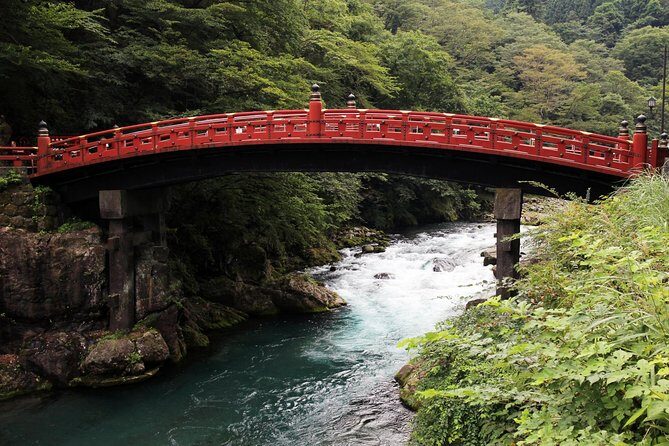
The day starts with Shinkyo Bridge, a vermillion-painted wooden bridge that sits at the entrance area of Nikko Mountain. It’s not just a pretty photo stop. The bridge is tied to tradition that dates back to the end of the Nara era, and it’s treated as a sacred bridge.
You get about one hour here. Admission is listed as not included, so this is a good moment to have a plan for tickets or on-site payment for anything required.
What you’ll get from having a guide at this stop is usually the difference between seeing a landmark and understanding why it’s revered. Shinkyo Bridge is one of those spots where the details make the atmosphere click—color, materials, and the cultural meaning around it.
Practical tip: if you arrive early, you often get better light and fewer crowds around the bridge area. Still, wear shoes that handle uneven pavement, because shrine and bridge approaches can involve short walks on different surfaces.
Toshogu Shrine: lacquered details and Tokugawa meaning
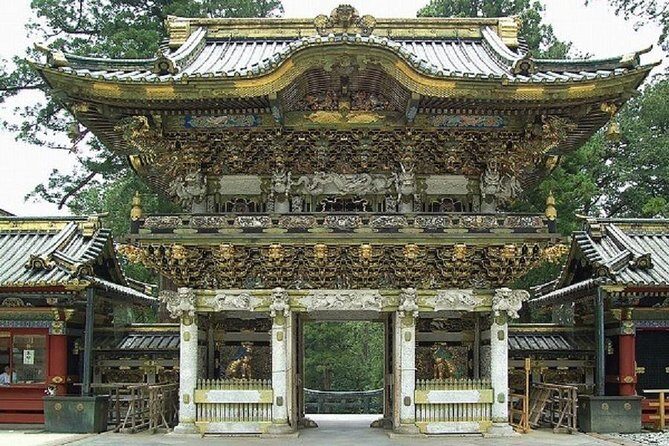
Next comes Nikko Toshogu Shrine, one of Japan’s best-known shrine complexes. It’s dedicated to Shogun Tokugawa Ieyasu, who is connected to the shrine in 1617. The site is recognized as a national treasure and also part of UNESCO World Heritage as cultural heritage.
You’ll spend about one hour here, and admission is again not included. So yes, budget for entrance fees. But also know that the tour’s guide role matters most at big sites like this—your time is short, and you want to look at the right things with the right context.
The description you’ll hear centers on the shrine’s lavish design, including lacquered and rich details. Toshogu is famous for visually busy craft work, so having someone point out what to notice helps you avoid the classic problem: you move through fast, and later you can’t remember what you actually saw.
If you like details and symbolism, this stop is the heart of the day. And if you’re less into art, it’s still worth it because the site ties together the political story of the Tokugawa era with the ritual power of shrine architecture.
Guide name you might meet: one guide referenced in the experience feedback is Yoki Nakajima, noted for being punctual and knowledgeable. Another guide mentioned by name is Yumiko Sano, who was described as learning-focused and supportive.
Lake Chuzenji: the altitude break from temples
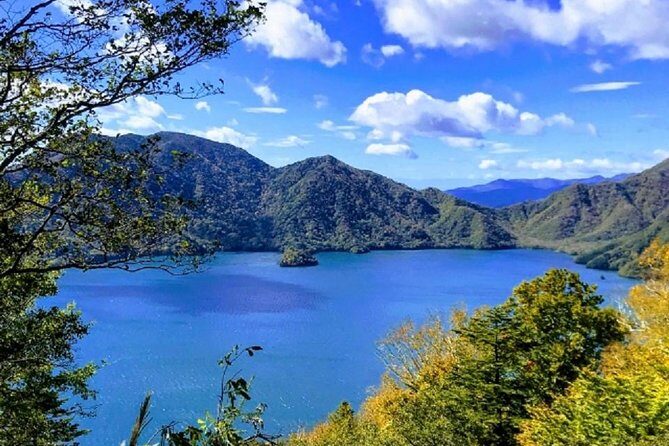
After the shrine intensity, you shift to Lake Chuzenji, and the change feels immediate. The lake sits at 1,296 meters above sea level, so it’s a high-altitude pause—cooler air, open views, and a different pace.
You’ll have about one hour here, and admission is listed as free. That’s a nice cost-saving moment built into the day.
This stop is especially interesting depending on the season. The notes you’ll likely hear include that azaleas bloom in early summer, while autumn leaves are a top-season highlight. Even if your trip isn’t in peak foliage months, the elevation and the surrounding scenery give you that classic Nikko feeling: temples down below, nature up here.
Practical tip: bring a layer. Even in warmer months, the lake area can feel cooler than Tokyo. And if the weather is foggy or rainy, a guide’s advice on how to manage views and timing becomes more valuable than you’d expect.






Kegon Falls: 97 meters of drama, plus short walks
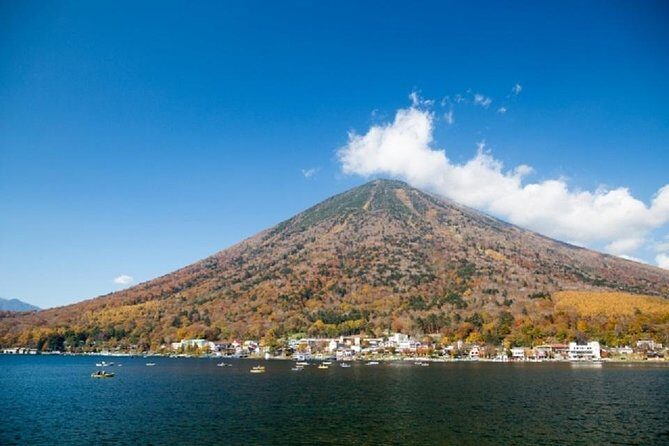
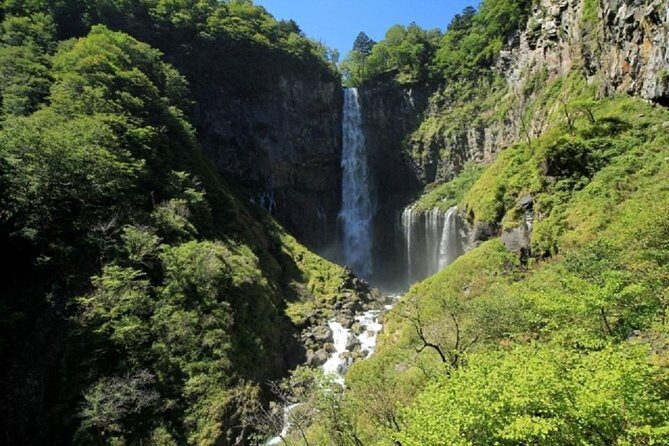
Then you reach Kegon Falls, the most famous of Nikko’s many waterfalls. The notes you’ll get emphasize that Nikko is home to 48 waterfalls, with Kegon being the big name.
Kegon Falls water drops from about a 97-meter height from a quay into the area below, described as a magnificent waterfall. You’ll also get about one hour, and admission is not included.
What I like about putting Kegon after Lake Chuzenji is the rhythm. You move from open air and views into a more focused natural spectacle. It’s a clean contrast that keeps the full day from feeling like the same kind of stop.
Potential drawback: if you’re sensitive to damp conditions or tired feet, keep your pace controlled here. Even when the visit is only about an hour, getting the best viewpoints can mean a bit of moving around depending on the paths available that day.
Weather matters too. The experience notes say it requires good weather, so if conditions are poor, you might get a different date or a refund offer. For waterfalls, that’s not just comfort—it affects how satisfying the view is.
Public transportation strategy: controlling cost without losing time
This is a private tour, but it’s built on public transport. That combo can be a real value if you want to see Nikko without spending for private car transfer the whole way.
The tour notes say you can choose the form of public transportation to match your budget. That means you’re not locked into one train-only plan or one bus-only approach. Instead, your guide can help you navigate the best fit for how you want to spend your day.
Why that matters for you: Tokyo to Nikko can be a long stretch, and the “right” public-transport option often depends on timing, comfort, and cost. When you have a guide, you’re less likely to lose time to confusing transfers or last-minute route changes.
Also, because entry fees and transit costs are extra for you, a public-transport approach can keep the biggest variable part of your budget under control. You still pay for getting there and entering sites, but you’re not paying for a private driver on top of everything.
Practical tip: have an IC card or cash ready for transport fares and any entrance tickets that aren’t included. Tokyo runs smoothly, but mountain-area routes can be less forgiving if you’re short on payment options.
Price and value: what $208.11 is really buying
At $208.11 per person, the price can look steep until you break it down into what’s covered and what’s not.
Included:
- Professional guide
- Private tour
- Meeting in the hotel lobby (and hotel transfers are included in the tour concept)
Not included:
- Food and drinks
- Entry/admission for customers
- Public transportation to/from customers (even though the tour uses public transport for the route)
So you’re paying primarily for the human time—someone to handle navigation, timing, and explanations—and for the convenience of getting picked up and returned. You’re also paying for the private-group experience, which is a big deal in a one-day format.
Here’s the value angle I’d focus on: if you go independently, you can save money on the guide, but you’ll spend a lot of mental energy planning and re-planning. With this tour, you spend that energy looking at Shinkyo’s sacred bridge, the lacquered details at Toshogu, and the high-altitude feel of Lake Chuzenji—then you get back to Tokyo with less stress.
If you’re traveling as a couple or small group and you strongly value guided context at Toshogu, this is more likely to feel like good money. If you only want a quick drive-by of the sights and you hate paying for guide time, you might prefer an alternative format.
Who should book this Nikko public-transport private tour
This tour is a good match if:
- You want a private experience but still prefer public transportation
- You like having context at major cultural sites like Toshogu Shrine
- You’re aiming for a full-day hit list without spending extra time on planning
It may be a weaker fit if:
- You’re very price-sensitive and want everything included (entry fees and transit costs are not included)
- You need guaranteed step-free routing, since the notes only say most travelers can participate (they don’t promise any specific mobility accommodations)
- You’re the kind of person who hates weather risk. The experience notes say it requires good weather, so plan for possible date changes.
Seasonal nudge: if you’re chasing azaleas or autumn leaves around Lake Chuzenji, the timing can make this day feel extra special. If you’re going in a quieter season, you’ll still get the big sights, but the seasonal “wow” may be smaller.
The practical checklist I’d follow
Before your morning start, do these simple things:
- Wear comfortable walking shoes. Even with short stops, you’ll be on foot a fair amount.
- Bring a light layer for the lake and waterfall areas at 1,296 meters.
- Plan for extra spend on admission fees and transit costs, since they’re not included.
- Confirm your pickup spot near the start location. One negative experience involved an hour wait for a guide, which is exactly the kind of avoidable stress you want to prevent.
If you want to keep costs lower, treat Lake Chuzenji as your free-cost breathing space, then budget for the paid shrine and waterfall-related admissions.
Should you book this Nikko private tour by public transportation?
If your goal is a well-run Nikko day with guided stops—especially at Toshogu Shrine—and you want the convenience of hotel lobby pickup without paying for a full private driver all the way, I think this is worth serious consideration.
I’d only hesitate if you dislike paying for extras on top of the base price. Because entry and transit costs aren’t included, the final total can surprise you if you don’t plan ahead. Also, you’ll want to be extra clear about where you meet at 8:00 am to avoid any pickup confusion.
Bottom line: book it if you want the main Nikko icons—Shinkyo Bridge, Toshogu, Lake Chuzenji, and Kegon Falls—handled as a smooth guided day trip by public transit. Skip it if you want a totally all-in, no-thinking day where the guide role is minimal.
FAQ
How long is the Nikko private tour?
The tour is about 10 hours.
What time does the tour start?
It starts at 8:00 am.
Where is the meeting point in Tokyo?
The meeting point is near the Hilton Tokyo, 6-chōme-6-2 Nishishinjuku, Shinjuku City, Tokyo.
Is this tour private or shared?
This is a private tour. Only your group will participate.
What’s included in the price?
A professional guide, a private tour setup, and meeting in the hotel lobby are included.
Are entry fees and admissions included?
No. Entry/admission tickets for customers are not included.
Is public transportation included?
Public transportation to and from the tour is not included for customers. The tour uses public transportation, but you’ll pay the related transport costs yourself.
Is there a mobile ticket?
Yes, a mobile ticket is listed as a feature.
What happens if weather is bad?
The experience requires good weather. If it’s canceled due to poor weather, you’ll be offered a different date or a full refund.