REVIEW · TOKYO
Perfect Start for your Japan Trip – Private Tour in Tokyo
Book on GetYourGuide →Operated by Shiny Tours Tokyo · Bookable on GetYourGuide
Tokyo hits different with a guide.
This private route balances quiet Meiji Jingu Shrine with the loud, fashion-forward chaos of Takeshita Street and the stop-you-in-your-tracks intensity of Shibuya Crossing. I like that it’s built for variety: pop culture streets and neon views are paired with cultural context and simple local etiquette. The main catch is straightforward: you’ll do a lot of walking, so it’s not a great match if mobility is limited.
I also really like the way the tour feels personalized. In the notes from past guests, guide Jero is praised for warm, professional attention and tailoring the day to what you care about, then backing it up with stories that make everyday details feel worth noticing. You’re not just ticking boxes—you’re getting explanations and practical tips you can use even after the tour ends.
At $145 per person for about four hours, the value comes from the private format plus the included extras: tea, snacks, and photos, and train coverage for the Shinjuku part. Just know that food and drinks are not included, so you’ll still want to budget a bit for street bites and whatever catches your eye.
In This Review
- Key highlights worth your time
- First Stop: Meiji Jingu Ichino Torii and the calm before Harajuku
- From Takeshita Street to Cat Street: style, shopping, and photo moments
- Shibuya Crossing plus Miyashita Park: the crowd, managed
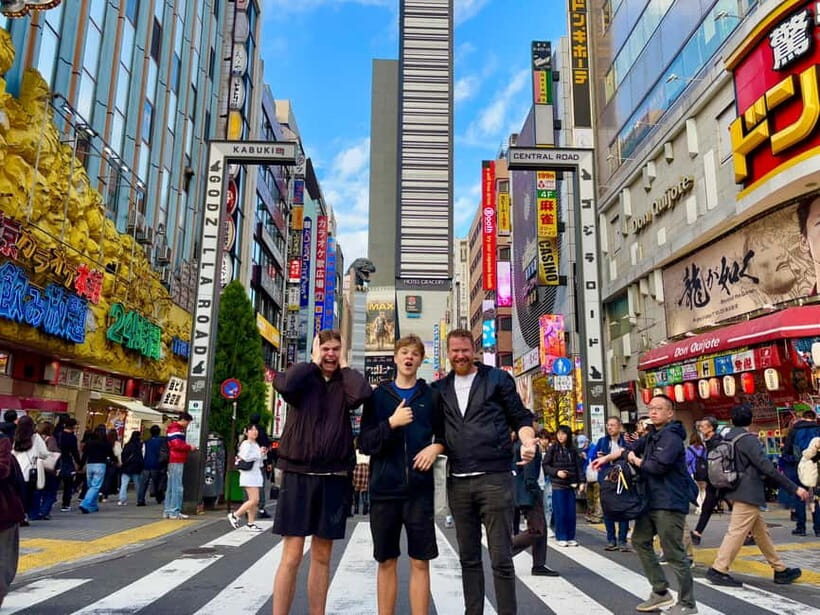
- Shinjuku skyscrapers and Neon Tokyo: Omoide Yokocho, Godzilla, and Kabukichō Tower
- The route also includes Asakusa: a different Tokyo mood
- What’s included in the $145: the practical value math
- Meeting point and day-of logistics (so you don’t waste time)
- Who should book this private Tokyo starter route
- Should you book this tour?
- FAQ
- How long is the Perfect Start for your Japan Trip private tour?
- Is this tour private, and what languages are offered?
- Where is the meeting point for this tour?
- What’s included, and are meals covered?
- Does the tour include Shibuya Crossing and Shinjuku?
- Is it possible to cancel for a full refund?
- Is this tour suitable for wheelchair users or mobility impairments?
Key highlights worth your time
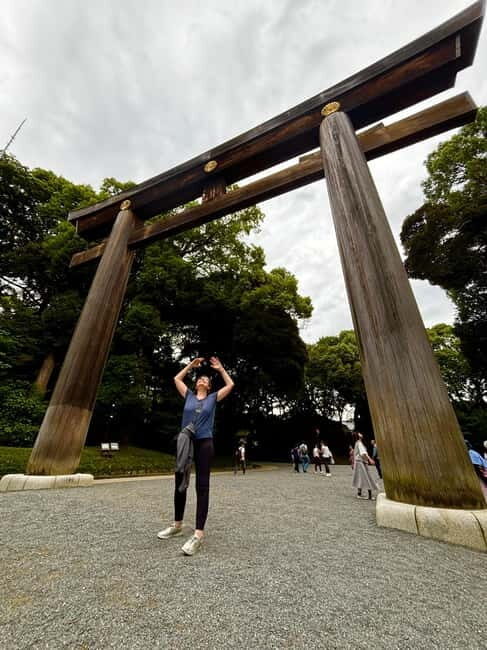
- Meiji Jingu Shrine orientation first, so Tokyo feels easier to understand before the crowds
- Harajuku style stops on Takeshita Street and Cat Street, with time for photos
- Shibuya Crossing choreography plus a short break at Miyashita Park to reset
- Shinjuku night vibe with Omoide Yokocho and the Godzilla area
- Kubukichō Tower views for that unmistakable Neon Tokyo feeling
- Guide Jero personalization—the day can be adjusted to your interests
First Stop: Meiji Jingu Ichino Torii and the calm before Harajuku
The tour begins at Meiji Jingu Ichino Torii, with the meeting point set at the big entry gate on the left side. If you’re arriving by JR Yamanote Line, you’ll take the west exit—handy info when you’re in a rush and Tokyo stations can feel like mazes.
From there, you walk into Meiji Shrine for a guided segment (around 50 minutes). This part matters because it slows the whole day down. You get cultural context at one of Tokyo’s most significant Shinto sites, and you’ll learn about traditional rituals along the way, not just scenic backdrops.
Practical tip: wear comfortable shoes right from the start. Even though the shrine portion is calmer, it still involves walking on paths where you’ll want good footing. If it’s rainy, bring your umbrella—weather happens fast in Tokyo.
You can also read our reviews of more private tours in Tokyo


From Takeshita Street to Cat Street: style, shopping, and photo moments
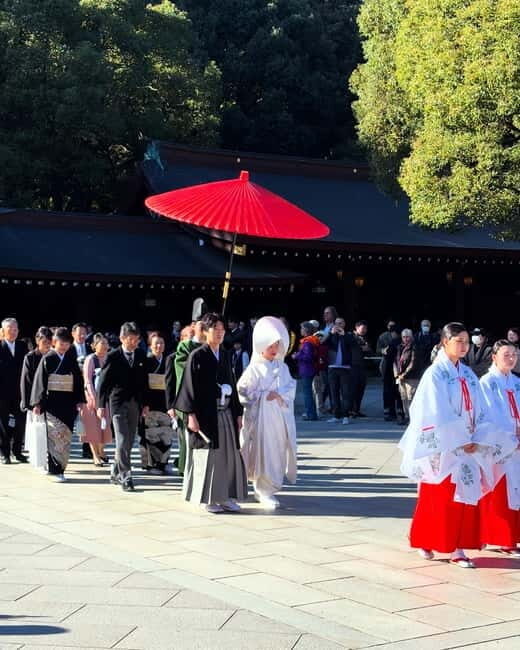
After the shrine, the energy shifts hard in Harajuku. You’ll go to Takeshita Street for about 20 minutes, which is exactly the kind of place that’s hard to navigate alone when you’re trying to understand what to look at (and where to step).
This is one of the best “first time in Tokyo” sections because it’s sensory. You’ll see the street-style scene up close and get a guided read on how subcultures connect to what you’re seeing—fashion, music influence, and the general youth vibe that Harajuku is famous for.
Then you continue through Harajuku for another guided block (around 40 minutes). The route includes stops like Tokyu Plaza for pictures and Cat Street for a more fashion-forward, trend-conscious lane. I like this mix because it gives you both the loud highlight and the slightly more curated feel in the same area.
If crowds are intense (they can be), a guide helps you keep moving. You’re not just wandering—you’re hitting the most useful vantage points and letting the day stay fun instead of frustrating.
Shibuya Crossing plus Miyashita Park: the crowd, managed
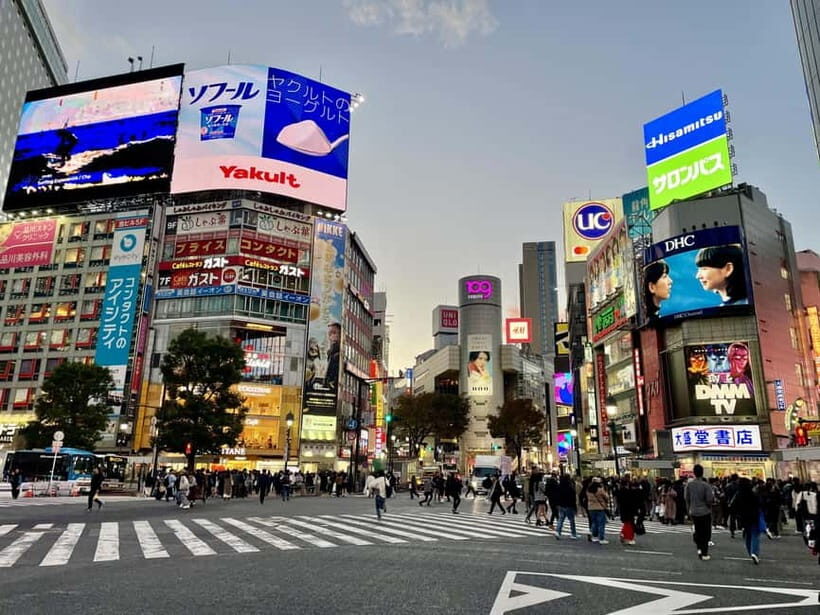
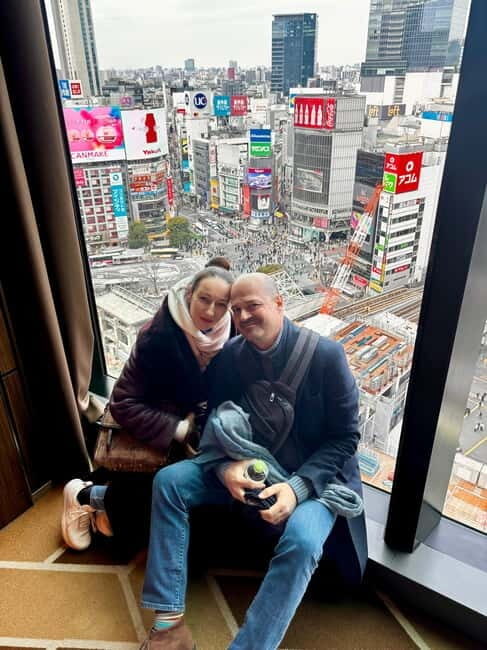
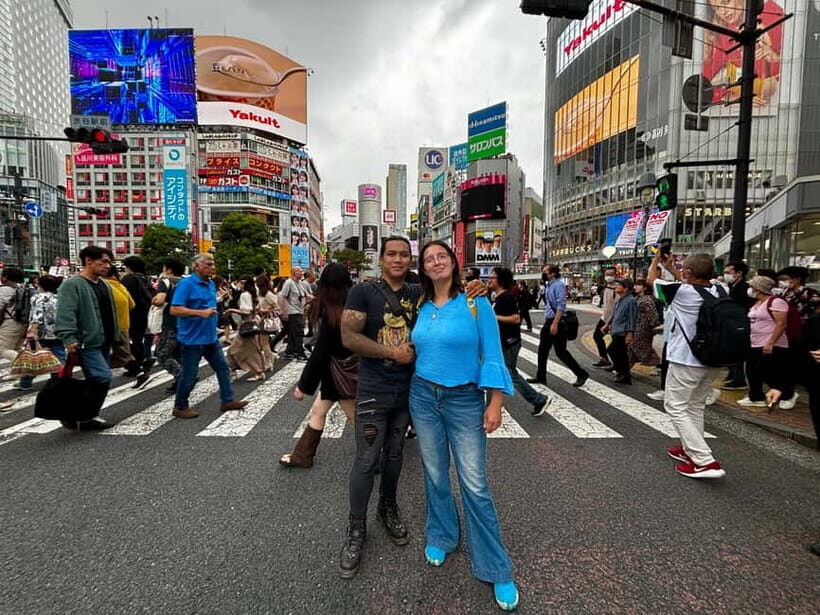
Next comes the famous Shibuya Crossing, with a guided walk of about 40 minutes. This is the part most people recognize instantly, but it’s still worth having context. With a guide, you get a better sense of how to navigate the flow without getting trapped in the “wait for your turn” chaos.
Just before you face the widest crossing experience, there’s a brief stop at Miyashita Park. It’s a smart palate cleanser—grab a coffee or enjoy the atmosphere on a rooftop before you hit the densest foot-traffic moment.
Then you step into the crossing area and join the rhythm of the crowd. Even if you’ve seen it in videos, being there in real time is different. The guide makes it easier to time your photos and to avoid turning the crossing into a stress-fest.
Shinjuku skyscrapers and Neon Tokyo: Omoide Yokocho, Godzilla, and Kabukichō Tower
Shinjuku starts with the lights and ends with the feeling. You’ll take the train to Shinjuku, then spend about 50 minutes on a guided walk. The plan includes a mix of “big city” views and older, snack-and-stroll energy.
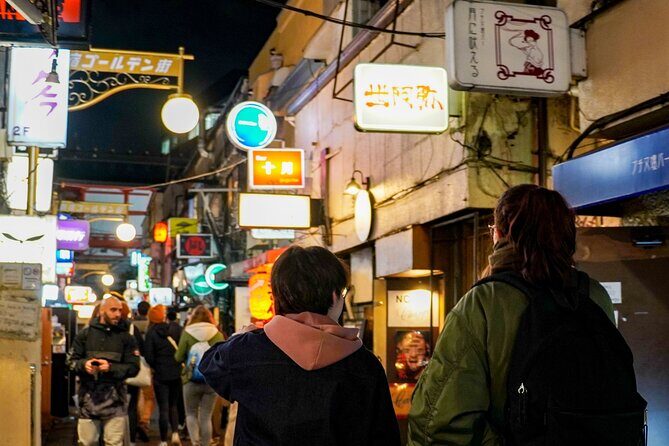
One stop that stands out is Omoide Yokocho, described as an old traditional food street. This kind of street is a great contrast to modern shopping areas because it gives you Tokyo flavor in a more grounded way. You also visit the one-and-only Godzilla area, which is exactly the sort of Tokyo oddball moment that makes photos fun and conversation easy later.
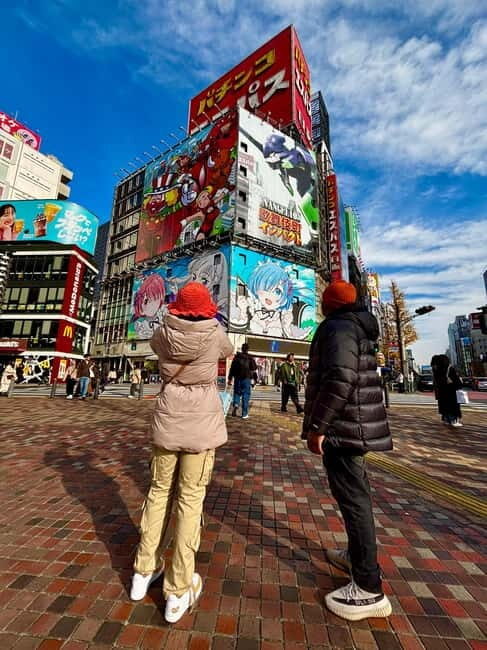
The tour finishes with Kubukichō Tower in Shinjuku Kabukichō, where you can get that Neon Tokyo view. This is the part that tends to stick in your memory because it’s visual and electric—like Tokyo’s nighttime personality, condensed.
Note on timing: Shinjuku can be huge. Because this is a private walking tour, you’re not stuck trying to keep pace with strangers while also deciphering subway signs.
The route also includes Asakusa: a different Tokyo mood
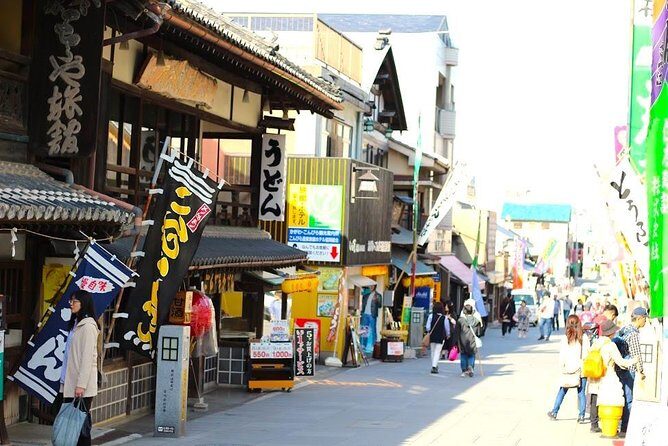
Your full plan includes an Asakusa visit with about 1 hour guided time. Even if your main goal is Harajuku/Shibuya/Shinjuku, this addition changes the tone of the day.
Asakusa is a smart counterbalance. After neon corners and high-energy intersections, you get a more traditional-feeling slice of Tokyo that helps the whole trip feel less one-note. It’s also a nice way to end the story with something that feels less like an impulse and more like a memory.
Because the tour is private, you’re more likely to get guidance on what to pay attention to during this segment rather than just moving through it.






What’s included in the $145: the practical value math
The headline price is $145 per person for a private 4-hour experience. What makes it feel like good value is what’s wrapped into that number.
You get:
- A private walking tour of Harajuku, Shibuya, and Shinjuku
- Cultural and subculture context, including pop culture and anime mentions
- Opportunity to try street food and local delicacies (you still pay for the food itself)
- Visits to Meiji Jingu Shrine, Takeshita Street, and Shibuya Crossing
- Transportation fee to Shinjuku
- Pictures with famous landmarks
- Tea (typical green tea) plus snacks, including a typical Japanese snack
What’s not included:
- Food and drinks
That “opportunity to try street food” line matters. It usually means the guide brings you into the right places and helps you choose confidently, but your purchases are on you. In other words: budget a bit for small meals and drinks so you don’t end the day feeling surprised.
I also like the photo component. In dense districts, it’s hard to find the right moment, especially near landmarks. Having someone handle that keeps your energy on the experience instead of on your phone camera.
Meeting point and day-of logistics (so you don’t waste time)
You’ll meet the guide next to the big entry gate on the left side. If you’re coming by JR Yamanote Line, use the west exit. This is the kind of detail that saves real time, especially on a first day in Tokyo when you’re still learning station layouts.
Bring:
- Comfortable shoes
- Umbrella
- Camera
- Water
- Cash
The cash note is practical. You’ll want it for street food and shopping even though the tour includes tea and snacks. Also, keep a little flexibility in your schedule; Tokyo walks are rarely “stop at exactly this minute” experiences.
The tour is English and German, and it’s a private group. That means you don’t have to adjust your pace or interests to match other people’s priorities.
Who should book this private Tokyo starter route
This fits best if you want a structured first taste of Tokyo across multiple neighborhoods without spending your limited energy figuring out where to go next.
It’s a good match for:
- First-timers who want Harajuku, Shibuya Crossing, and Shinjuku but also want cultural context
- People who like pop culture and street-style scenes and want them explained
- Anyone who appreciates photos and doesn’t want to constantly hand their camera to strangers
It may not fit if:
- You have mobility impairments or use a wheelchair, since it’s not suitable for those needs
- You’re hoping for a low-walking day
Also, if you prefer total self-guided freedom, you might find the plan a bit “on rails.” But if you want someone to tailor the day, the private format helps.
Should you book this tour?
If you’re trying to kick off your Japan trip with one strong, practical Tokyo sampler, I’d say this is a solid choice. The biggest win is the balance: cultural grounding at Meiji Jingu, then street-style and shopping energy in Harajuku, then the iconic Shibuya Crossing moment, followed by Shinjuku’s neon and old-school food street contrast.
The other reason I’d book it: guide Jero’s reputation for warmth, professionalism, and tailoring the route to your interests. When a guide actually responds to what you care about, the day feels less like a checklist and more like a well-paced introduction to the city.
FAQ
How long is the Perfect Start for your Japan Trip private tour?
The tour duration is listed as 4 hours.
Is this tour private, and what languages are offered?
Yes, it’s a private group. The live guide is available in English and German.
Where is the meeting point for this tour?
The guide meets you next to the big entry gate on the left side. If you come with the JR Yamanote line, take the west exit.
What’s included, and are meals covered?
Included are a private walking tour, tea (typical green tea), snacks (including a typical Japanese snack), and transportation fee to Shinjuku, plus photos at famous landmarks. Food and drinks are not included, though you’ll have the opportunity to try street food and local delicacies.
Does the tour include Shibuya Crossing and Shinjuku?
Yes. The route includes Shibuya Crossing and includes Shinjuku stops such as the hidden Omoide Yokocho, the Godzilla area, and ending at Kubukichō Tower in Kabukichō.
Is it possible to cancel for a full refund?
The tour lists free cancellation, with a full refund available if you cancel up to 24 hours in advance.
Is this tour suitable for wheelchair users or mobility impairments?
No. It’s listed as not suitable for people with mobility impairments and not suitable for wheelchair users.