REVIEW · TOKYO
Private Hakone Tour – View of Mt. Fuji, Nature and Culture
Book on Viator →Operated by Hello! Tokyo Tours · Bookable on Viator
Hakone looks bigger when you’re not herding with strangers. This private day trip from Tokyo combines Shinkansen comfort with major Hakone sights, including Lake Ashi views of Mt. Fuji and a stop at volcanic Owakudani. I especially like that so much is handled for you (train tickets, entries, and fees) and that you get a true guide presence, not just a route on paper. One possible drawback: Mt. Fuji views depend on weather, and you’ll walk about 9–12 km plus stairs.
I also like the pacing for a full 11 hours. You start with hotel pickup around 7:30–8:30, get oriented fast, then move through shrines, viewpoints, and warm-water culture with time to ask questions.
In This Review
- Quick hits before you go
- Hakone From Tokyo, Without the Crowd Chore
- Pickup to Odawara: How the Morning Actually Works
- Hakone-Yumoto Town + Hakone Shrine: The Moment the Day Finds Meaning
- Lake Ashi Cruise + Ropeway: Getting Fuji Views Twice
- Owakudani: Black Eggs, Sulfur Steam, and the Volcano Factor
- Open-Air Museum or Onsen: Your Hakone Reset
- Price and Value: Is $867 Worth It?
- Practical Tips That Make This Day Easier
- Who This Private Hakone Tour Suits Best
- Should You Book This Hakone Day Trip?
- FAQ
- How long is the private Hakone tour?
- What time does the pickup happen?
- What’s included in the tour price?
- Is this tour truly private?
- Do I get to see Mt. Fuji for sure?
- How much walking is involved?
- What happens if weather is bad or I cancel?
Quick hits before you go
- Private guide, only your group with time for questions
- Shinkansen round-trip Odawara plus Hakone transport and booked entry fees
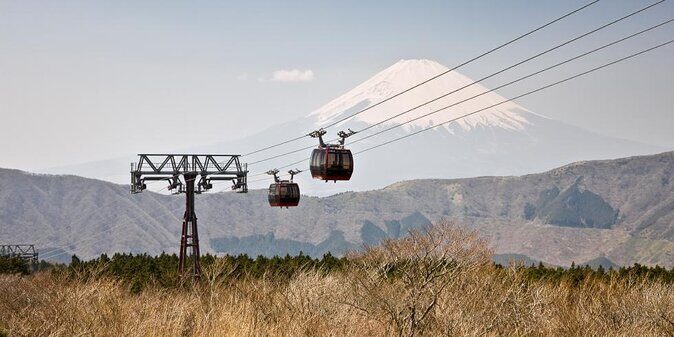
- Mt. Fuji viewpoints twice: Lake Ashi cruise and the Hakone Ropeway
- Owakudani black eggs at the sulfur steaming zone (it’s described as safe)
- Pick your vibe at the end: Open-Air Museum or an onsen soak
- Plan for real walking (around 9–12 km) and some uneven/stair sections
Hakone From Tokyo, Without the Crowd Chore
This is the kind of tour that feels made for people who want the highlights but don’t want to burn half the day figuring out trains, transfers, and ticket counters. It’s private, so your guide works to your pace (within the schedule) instead of shuffling you with strangers who all have different priorities.
The big value is what’s wrapped into the price. You’re not just paying for a guide—you’re getting round-trip Shinkansen to Odawara, plus sightseeing cruise entry, Hakone Ropeway, a mountain cable car segment, and admission for the Open-Air Museum or the onsen option. That matters because Hakone is one of those places where costs and time add up quickly when you book everything separately.
That said, there’s one reality check. Hakone runs on weather. Lake Ashi and the Ropeway are both explicitly weather dependent for Mt. Fuji views. If your day is foggy, you’ll still get temples, sulfur views, and hot-spring culture—but you might not get the dramatic Fuji silhouette you hoped for.
You can also read our reviews of more private tours in Tokyo

Pickup to Odawara: How the Morning Actually Works
The day starts early, with a meet-and-greet at your hotel lobby between 7:30 AM and 8:30 AM depending on where you’re staying. Your guide then brings you toward the rail hub—either Shinagawa or Tokyo Station. The tour description notes you can reach the starting station by subway or taxi if you prefer, and the goal is simple: get you on the Shinkansen without the stress.
Once you’re on the bullet train, the focus shifts from logistics to scenery and decompression. The ride gets you to Odawara in the Fuji-Hakone-Izu National Park area. From there, you transition to Hakone-Yumoto by local train.
This flow is smart for two reasons:
- You get out of Tokyo early enough that you’re not fighting peak crowds inside Hakone.
- You reduce the mental load. When the transfers are handled, you can spend your attention on what you actually want to see—temples, views, steam, and hot water.
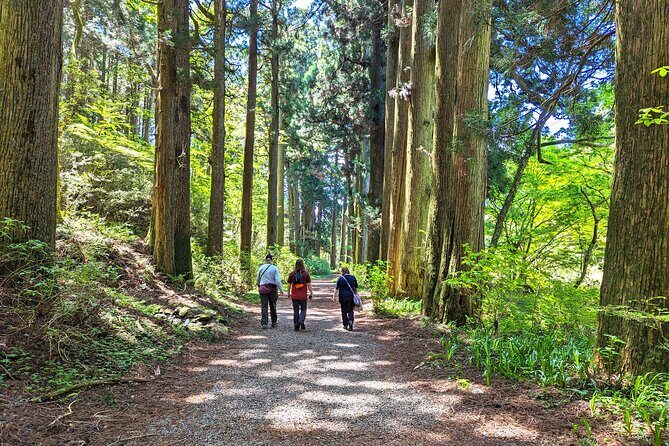
A practical note: this is a walking-heavy day. Even with smooth transfers, you should expect long stretches on foot plus steps. If you’re planning your outfits, choose shoes you’d be comfortable wearing for 9–12 km.
Hakone-Yumoto Town + Hakone Shrine: The Moment the Day Finds Meaning
Hakone-Yumoto is where many people start their Hakone circuit, and it sets the tone right away: hot spring energy, souvenir streets, and easy access to the iconic sights. Your first major cultural stop is Hakone Shrine, a place with roots going back to 1667.
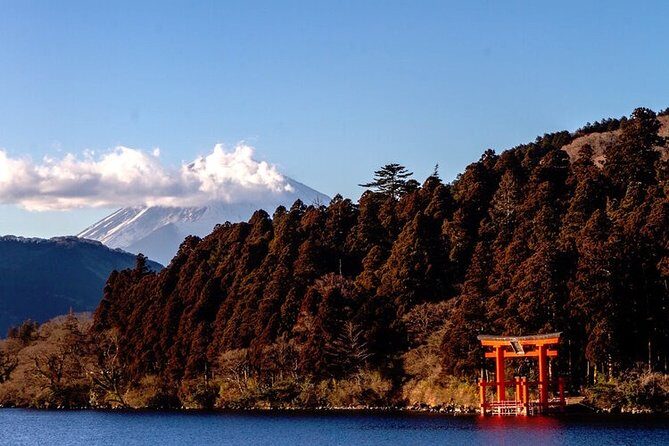
This shrine is famous for its torii gate in the water. That detail isn’t just a photo opportunity—it helps you understand why Hakone is tied to Shinto beliefs and nature worship. Your guide gives context about the shrine’s history and explains the indigenous religion of Shintoism. If you like travel that gives meaning to the scenery, this stop is more than a quick walk-by.
What you’ll do on the ground is straightforward: follow the shrine grounds, soak in the views, and then transition onward to the water for the next highlight. There’s walking over uneven natural trails and stairs mentioned as part of the day. So if you’re prone to sore calves, start with good footing and take the steps slowly.
One small sanity tip: because it’s a private tour, you’re not forced to rush to “keep up.” If you want a few extra minutes for photos at the shrine, your guide can usually help you time it so you don’t fall behind.
Lake Ashi Cruise + Ropeway: Getting Fuji Views Twice
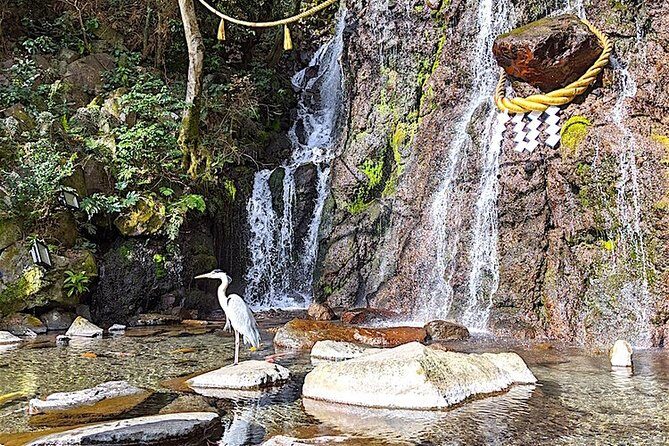
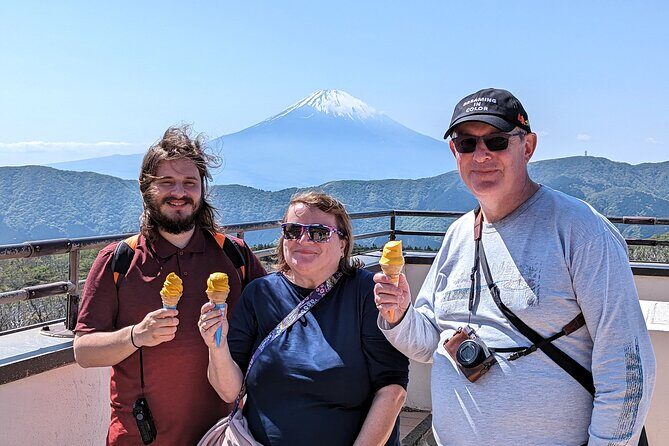
If Mt. Fuji is on your must-see list, this tour handles that goal in a very practical way: it gives you two shot options. First is the Lake Ashi sightseeing cruise, and later you ride the Hakone Ropeway up Mt. Hakone.
On the cruise, you board for about 25 minutes and focus on the water views. The description is clear that Fuji visibility depends on weather. That matters because Lake Ashi’s magic is partly atmospheric—mist can hide the mountain, but it can also make the scene feel moody and cinematic.
After the cruise, you head to Hakone Ropeway for another viewpoint, about 10 minutes. This is the “change perspective” move. Even when the weather is imperfect, moving from the lake level to a higher vantage can make a foggy day feel different rather than ruined.
Here’s how I’d think about these two segments:
- If the sky is clear, you’re likely to get a classic Fuji view twice.
- If it’s cloudy, you’ll still get a meaningful viewpoint switch and a chance to see the terrain and volcano activity from different angles.
Pack for temperature swings too. Elevation on a ropeway can feel cooler than in town, and you’ll be out enough time that layers help.
Owakudani: Black Eggs, Sulfur Steam, and the Volcano Factor
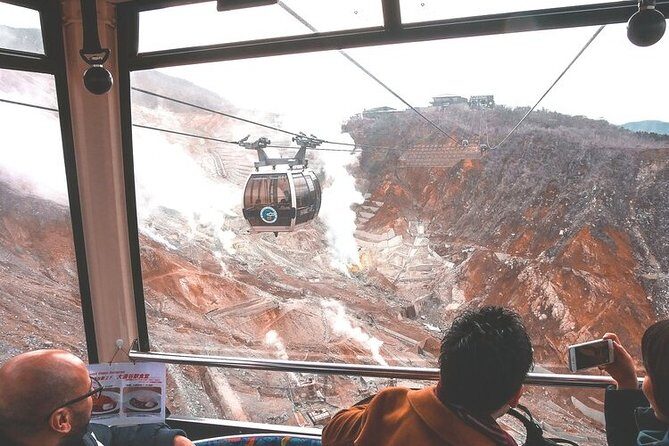
Then you get to the part that feels most “Hakone” in a way you can’t easily recreate at home: Owaku-dani Valley, the sulfur zone.
This stop is built around the active volcano effects—sulfurous fumes, steam, and the famous black eggs cooked in local hot springs. The tour includes the black eggs and notes they are perfectly safe. You’ll have about 1 hour 30 minutes here, which is enough time to walk through the area, see the steam activity, and actually enjoy the stop rather than grabbing a quick snack and moving on.
Even if you’re not a science person, this is one of those travel moments where your senses do the work. The smell of sulfur and the sight of the steam make the geology feel real.
After Owakudani, you connect upward using the route that includes the ropeway segment to Gora Station, then transfer onto the Hakone Tōzan cable car system, a railway built into the mountains. That cable car ride is short (about 10 minutes on the day’s schedule), but it’s a useful bridge between the volcano world and the art/hot spring finish.
If you’re the kind of traveler who likes variety—temples, water views, then steam and mountains—this section is where the day earns its intensity.





Open-Air Museum or Onsen: Your Hakone Reset
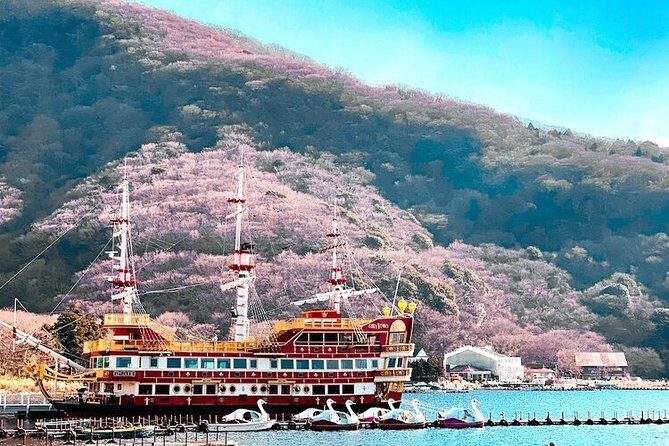
The penultimate stop is a choice, and it’s a smart one: Hakone Open Air Art Museum or a traditional onsen soak.
The museum option is described as art and nature living together, with sculptures and outdoor works that fit Hakone’s setting. The onsen option is the cultural counterbalance—hot water after a day of walking. Both are included as a single-choice slot, so you’re not paying extra to decide.
I like having a choice here because the day is physically demanding. About 9–12 km of walking means your body will have a say by late afternoon. If you’re tired, an onsen stop can feel like the best possible reward. If you love visual culture, the open-air museum can keep the day interesting even if you’re not chasing another view.
Either way, you finish with a quick look around Hakone Yumoto for about 30 minutes, including time near souvenir shops. It’s not a huge shopping block, but it’s enough to pick up something small without turning the tour into a marathon.
Price and Value: Is $867 Worth It?
At $867 per person, this isn’t a budget day trip. The real question is whether you’ll get at least that value back in convenience, time, and stress reduction.
Here’s what you’re paying for, based on what’s included:
- Private tour with no one else joining you
- Professional guide
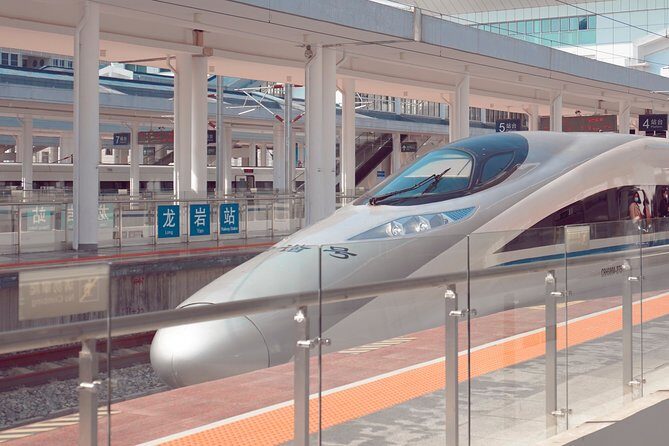
- Round-trip Shinkansen between Tokyo and Odawara
- All listed Hakone transport (including buses within Hakone and the ropeway/cable car segments)
- Sightseeing cruise on Lake Ashi
- Hakone Ropeway plus the Hakone Tōzan cable car
- Owakudani black eggs
- Hakone Open Air Museum or onsen entrance
- All fees and taxes
When you add up independent bookings—trains, timed entry tickets, and local transport—it’s easy to run into both cost and confusion. This tour aims to eliminate the guesswork: you show up, the route runs, and you focus on the sights.
Also, a private format has an intangible value: fewer rushed transitions and fewer moments where you feel stuck asking How do I get there? If you’ve ever had a day where navigation ate your sightseeing time, this is built to prevent that.
One more factor: you can find group discounts, but the tour is still private for your group only. So the more people you split with, the more this starts to look like a true deal rather than a splurge.
Practical Tips That Make This Day Easier
You’ll have a lot going on in 11 hours, so here’s what I’d focus on before you go:
- Bring comfortable walking shoes. The tour states you walk about 9–12 km and handle stairs and uneven grounds.
- Wear layers. Ropeway and viewpoints can feel cooler, and you’ll be outside long enough that temperature swings matter.
- Plan for no guarantee of Mt. Fuji. Both the cruise and Ropeway are weather dependent, so aim for flexible expectations.
- Budget for snacks and drinks. The tour includes black eggs, but other food and drinks aren’t included, so you’ll want your own plan.
- Pace yourself at Owakudani. You have time there, but it can be steamy and sensory-heavy—take breaks if you need them.
Also, it helps to go in knowing what kind of day this is: part nature, part culture, part transport connections through scenic regions. It’s not a slow, sit-down-only itinerary.
Who This Private Hakone Tour Suits Best
This tour fits best if you:
- Want a low-stress Hakone day from Tokyo without building your own route
- Like a mix of shrines, water views, volcano scenery, and hot-spring culture
- Prefer a private guide who can answer questions while you walk
- Are okay with real walking and short stair/uneven-ground segments
It may be less ideal if you have limited mobility or can’t comfortably walk 9–12 km or manage stairs. The tour description is direct that you should be able to walk unaided and handle stairs, slopes, and uneven ground.
Should You Book This Hakone Day Trip?
I’d book it if you want an efficient, well-organized Hakone highlights day and you value having someone else manage the rail and ticket work. The price hurts less when you look at what’s included: Shinkansen, major Hakone transport, cruise, ropeway, the volcano eggs, and the museum/onsen choice.
Skip it or reconsider if you’re mainly chasing one thing: a guaranteed Mt. Fuji view. This tour gives you two angles, but it can’t control clouds. Also, if your body needs a gentler schedule, the walking requirement is a real commitment.
If you’re planning a first Hakone trip and you’d rather spend your energy on the scenery than on navigation, this is a strong pick.
FAQ
How long is the private Hakone tour?
It runs about 11 hours.
What time does the pickup happen?
Pickup begins with your guide meeting you in your hotel lobby between 7:30 AM and 8:30 AM, depending on your hotel’s location.
What’s included in the tour price?
The price includes the Shinkansen round-trip between Tokyo and Odawara, Hakone sightseeing cruise, Hakone Ropeway, the Hakonetozan cable car, Owakudani black eggs, and admission for the Hakone Open Air Museum or an onsen. All fees, taxes, and Hakone transport are included as well.
Is this tour truly private?
Yes. Only your group participates, and no one else joins you.
Do I get to see Mt. Fuji for sure?
No. Views of Mt. Fuji from Lake Ashi and from the Hakone Ropeway are weather dependent.
How much walking is involved?
You should expect to walk about 9 to 12 km during the day, including uneven ground and stairs at places like Hakone Shrine.
What happens if weather is bad or I cancel?
This experience requires good weather. If it’s canceled due to poor weather, you’ll be offered a different date or a full refund. If you cancel or ask for an amendment, the amount paid is non-refundable and cannot be changed.
You Might Also Enjoy
 Walking around town in a kimono, you can choose your favorite kimono from the traditional Okinawan costumes “Ryuso”, “Kimono”, “Yukata” 《Hairset & Lipstick & Kimono & Rental Fee》All Comic Book
 Samurai Experience in Tokyo / SAMURAI’ve
 Tokyo: Nagano, Snow Monkeys and Zenko-ji Temple Private Tour
 Fukuoka’s Sacred Path: Temples, History & Culture