REVIEW · TOKYO
Private Harajuku Omotesando Architecture Tour
Book on GetYourGuide →Operated by Showcase Tokyo Architecture Tours · Bookable on GetYourGuide
Omotesando turns shopping into architecture class. I like the way this tour strings together big-name buildings and bold contemporary work into one easy-to-follow route, and I also like how the English-speaking licensed guide explains what you’re actually looking at. The only drawback: you’re on your feet for about 3.5 hours, so plan on walking (and bring comfortable shoes).
By the end, you’ll see why architects and luxury brands keep choosing this stretch of Tokyo, and you’ll also understand how it feels different from other famous shopping zones like Ginza. The tour starts at Meiji Shrine’s Jingubashi bridge area and then moves through Omotesando’s signature storefronts, side streets, and photo stops—sometimes in the evening, when the buildings look totally different.
In This Review
- Key highlights and what makes this tour work
- Entering Omotesando through architecture, not ads
- Starting point at Meiji Shrine: where the tour gets its bearings fast
- The first sighting: Yoyogi Gymnasium in the distance
- Omotesando’s modern icons: where brands and architects share the same canvas
- The photo strategy: how to get great shots on a walking tour
- Side streets and everyday Tokyo: the tour’s secret ingredient
- Why Omotesando feels different from Ginza (and other luxury strips)
- Night tours: same buildings, completely new attitude
- Your guide shapes the whole experience
- Timing, pacing, and what to plan for in 210 minutes
- Price value: why $129 can make sense for this specific style of tour
- Who should book this, and who might not love it
- The practical takeaway: should you book this private architecture tour?
- FAQ
- How long is the Private Harajuku Omotesando Architecture Tour?
- Is this tour private?
- Where do I meet for the tour?
- How can I get to the meeting point from Harajuku Station?
- Is the tour guide English-speaking?
- What is included in the price, and what is not?
- Can I take the tour at night?
- What should I bring?
- What if my plans change—can I cancel?
Key highlights and what makes this tour work
- Three-hour architecture hit: See major works and newer contemporary examples without needing to research first
- Photo-focused route: Stop at angles where the facades, geometry, and details read clearly
- Design context for Omotesando: Learn why designer stores and architects are drawn here
- Day and night viewing option: Night gives you a lighting and mood shift you can’t fake
- Backstreet sidestep: You get more than showroom-front Tokyo; you see everyday texture
- Licensed English guides with real experience: Many guides can answer deep questions, not just give facts
Entering Omotesando through architecture, not ads
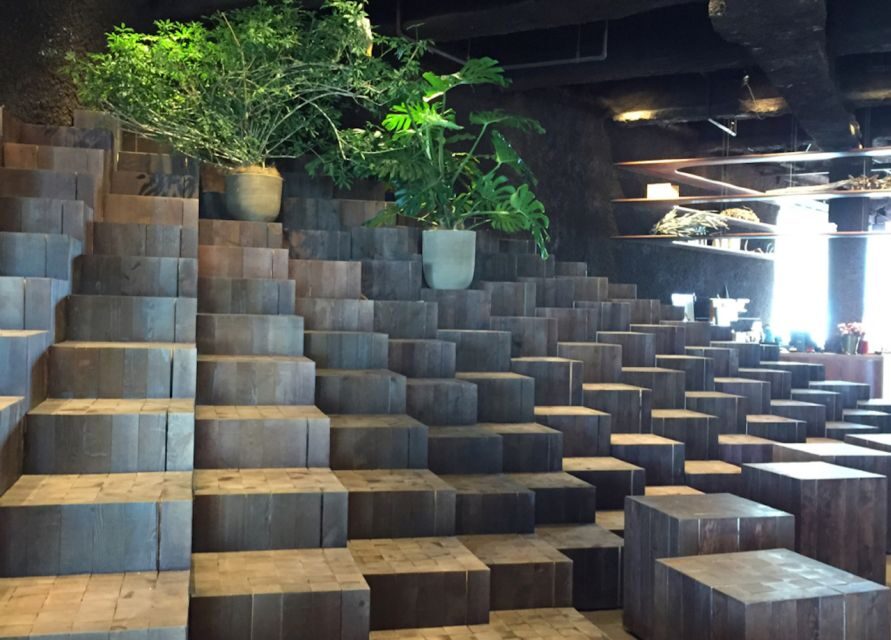
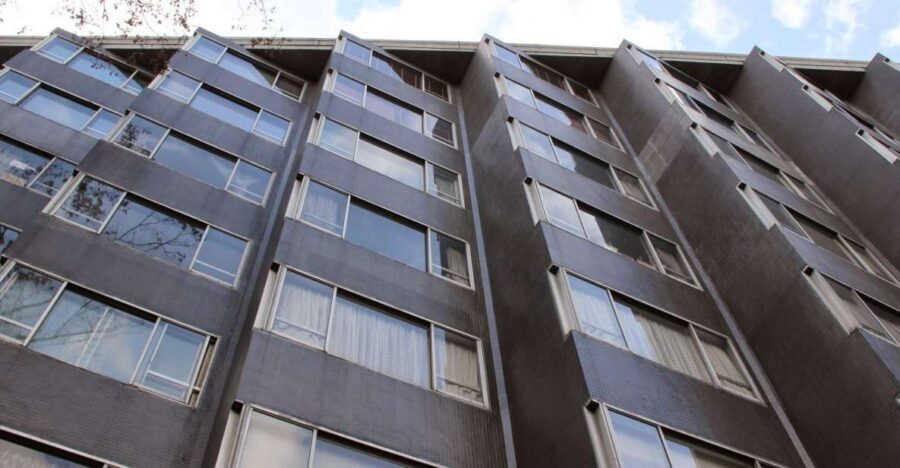
Omotesando can look like Tokyo’s version of luxury shopping, but the best part of this tour is that it treats the street like an outdoor design exhibit. You’ll learn to read the buildings: the way they sit on the plot, how entrances pull you in, and how the facades communicate status without looking like a billboard.
What makes it worth your time is the angle of the tour. Instead of focusing on brand shopping, it explains the architectural logic behind why these stores exist here and why certain architects and designers keep coming back. You also get a sense of the neighborhood beyond storefronts, especially once you get off the main line and into side streets where everyday Japanese life shows up.
And yes, the photography is a big deal. This is one of those areas where you can take pictures at almost every corner, as long as you know where to stand and what to look for. That’s exactly the sort of help a good guide provides.
You can also read our reviews of more private tours in Tokyo



Starting point at Meiji Shrine: where the tour gets its bearings fast
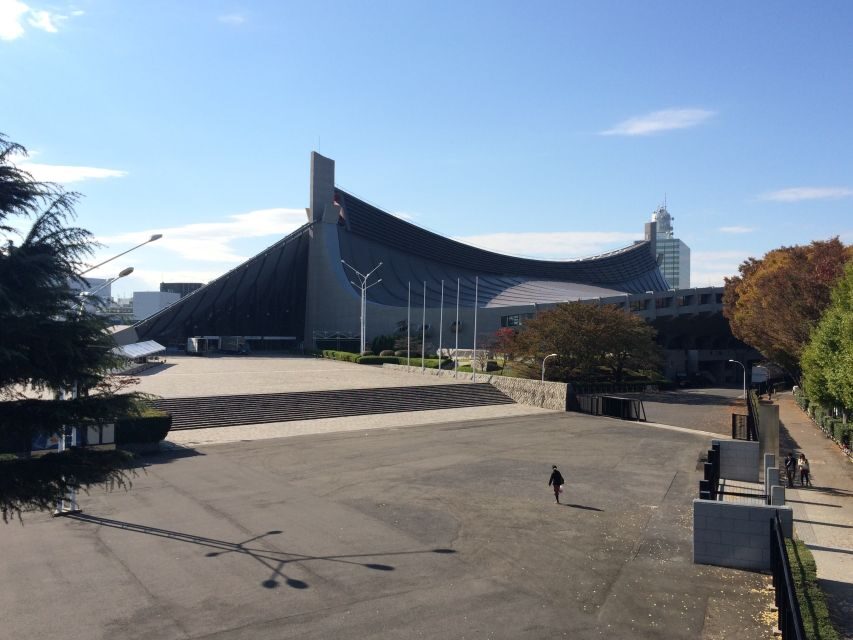
Your tour meets at a café in the large open space in front of Meiji Shrine, at the big wooden entrance gate area. The specific meeting spot is CAFÉ Mori no Terrace, 1 Yoyogikamizonocho, Shibuya City, Tokyo 151-0052—and it matters that this is not the café inside the shrine complex.
If you’re coming from JR Harajuku Station, you can reach the shrine area easily by walking toward the forest. The key practical detail: you do not go through Shinto gates from the station to get to this meeting café, so you’ll keep things straightforward and avoid wandering through the shrine grounds before the tour begins.
I like this start because it gives you an instant contrast. You begin with a more traditional landmark zone, then you shift into modern design. That makes the architecture later feel more meaningful, not just random shiny facades.
The first sighting: Yoyogi Gymnasium in the distance
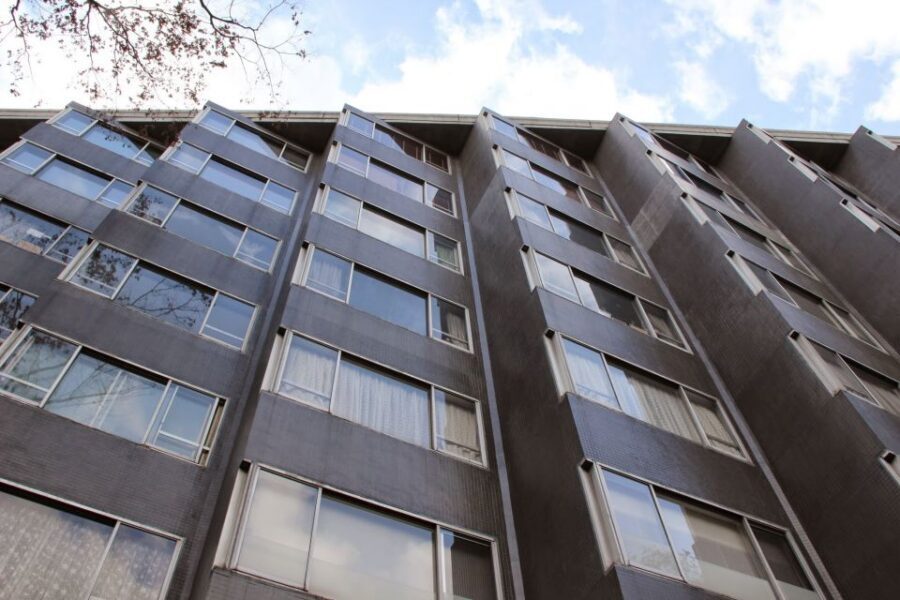
One early stop is getting a view of Yoyogi Gymnasium from the distance. It’s not just a quick skyline moment. That distant look sets your eyes on architectural form early, so when you move toward Omotesando’s designer stretch, you’re already thinking in structures and shapes.
From a logistics point of view, it also helps you settle in. The tour is about 210 minutes, so the early moments are designed to get you oriented before the walking and photo stops ramp up.
Omotesando’s modern icons: where brands and architects share the same canvas
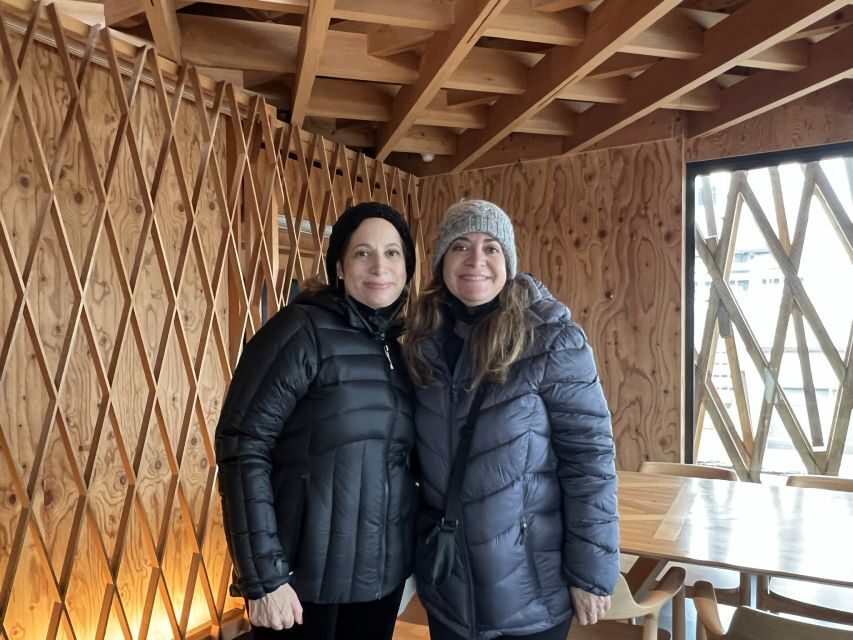
After the shrine-area start and the distant Yoyogi look, the route focuses on Omotesando’s most recognizable architectural names. You’ll see contemporary works connected with major luxury labels and newer creative retail spaces.
The tour’s highlights include stops near places such as The Iceberg, Dior, Louis Vuitton, Sunny hills, and Prada. The smart part is that the guide doesn’t treat these as just shopping stops. You’ll learn why these kinds of brands belong in Omotesando and what their buildings communicate through design choices.
Here’s what I think is most useful for you as a visitor: you learn a way to look. Instead of only spotting a pretty facade, you start noticing:
- how entrances guide movement
- how materials and proportions create a mood
- why the building massing fits the street rather than fighting it
Even if you’re not shopping, these moments give you a clear sense of how architecture is used as a language in retail. And because this tour is private, you can ask questions on the fly without feeling rushed or embarrassed.
The photo strategy: how to get great shots on a walking tour
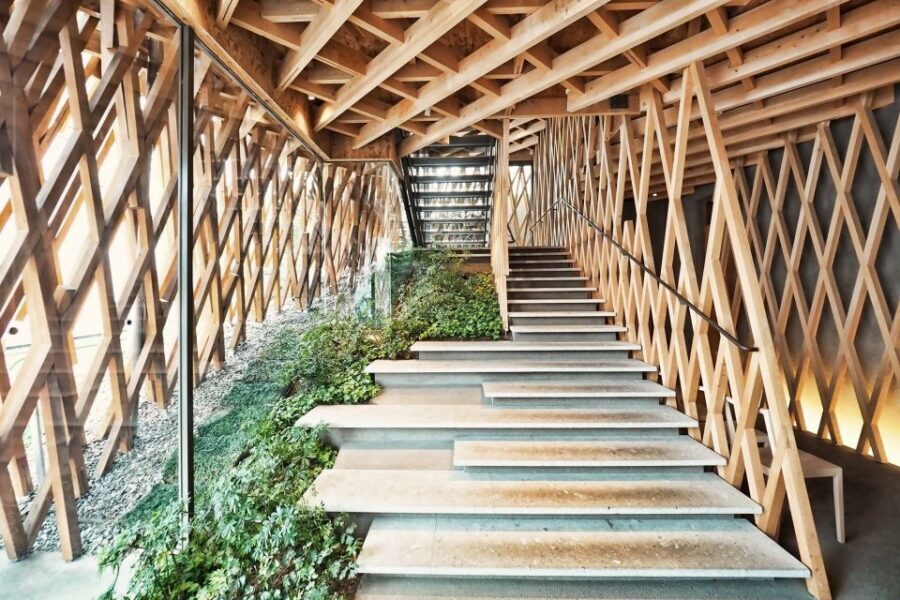
This tour is intentionally built around photo opportunities. The guide will help you choose angles so you’re not just photographing flat front walls. Omotesando’s architecture often looks best from slightly off-center viewpoints where the facade depth and lines make sense.
A practical tip: wear shoes that let you move quickly without pain. Over 210 minutes, even casual walking adds up. Also, bring a charged phone or camera and keep one hand free if you can, because you’ll likely want to stop at corners and look up.
If you do night, photography becomes even more productive. Street lighting changes how materials reflect, and you can catch details that are harder to see in daylight.






Side streets and everyday Tokyo: the tour’s secret ingredient
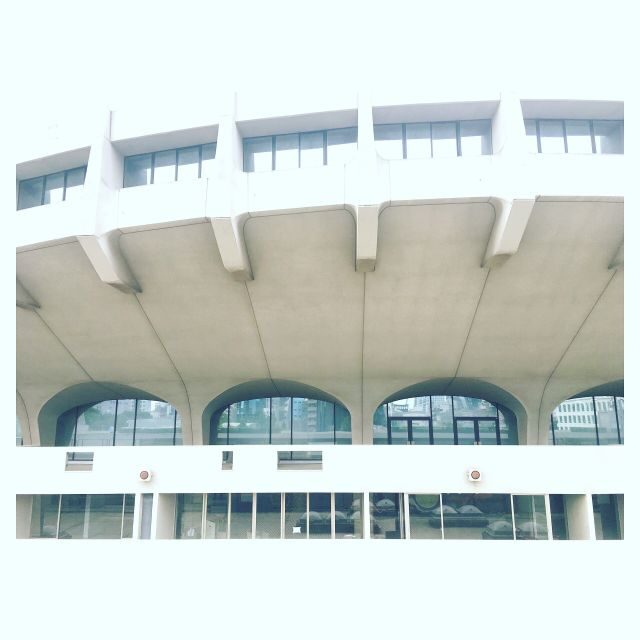
The route isn’t only about signature storefront design. There’s a side trip into a backstreet neighborhood so you can compare the polished, flagship feel of the main drag with the more lived-in texture behind it.
This is one of the reasons Omotesando can feel different from other famous shopping districts. You’re not just walking past stores; you’re seeing the surrounding neighborhood logic—how people move through the area, how the street rhythm changes, and how the architecture sits inside a broader lifestyle.
I also like that this part gives your eyes a break. After time spent staring at facades and geometric details, the side streets let you reset and notice the smaller stuff: street scale, storefront context, and the balance between luxury and daily life.
Why Omotesando feels different from Ginza (and other luxury strips)
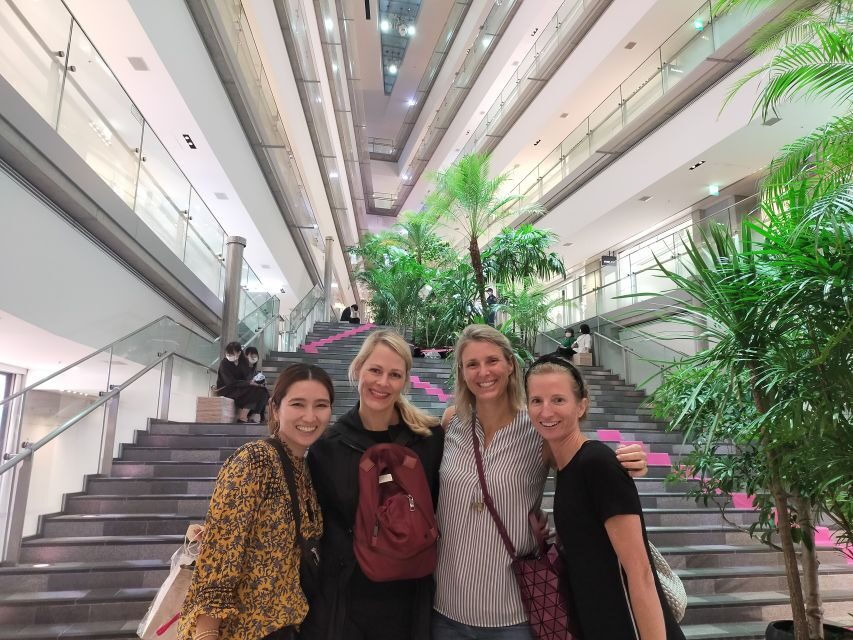
The tour explicitly helps you understand the big difference between Omotesando and other shopping areas like Ginza. This isn’t just a style opinion. You’ll walk away with a clearer sense of how Omotesando’s architecture makes the street feel more intimate and design-forward rather than purely commercial and showroom-like.
Ginza often reads more like a classic big-city luxury lane. Omotesando, on the other hand, can feel like a design conversation—where buildings themselves are treated like part of the brand personality. That’s why architects and designer stores are so attracted to the area.
So even if your main goal is photos, this added context makes the experience stick. You’ll remember what you saw because you know why it’s there.
Night tours: same buildings, completely new attitude
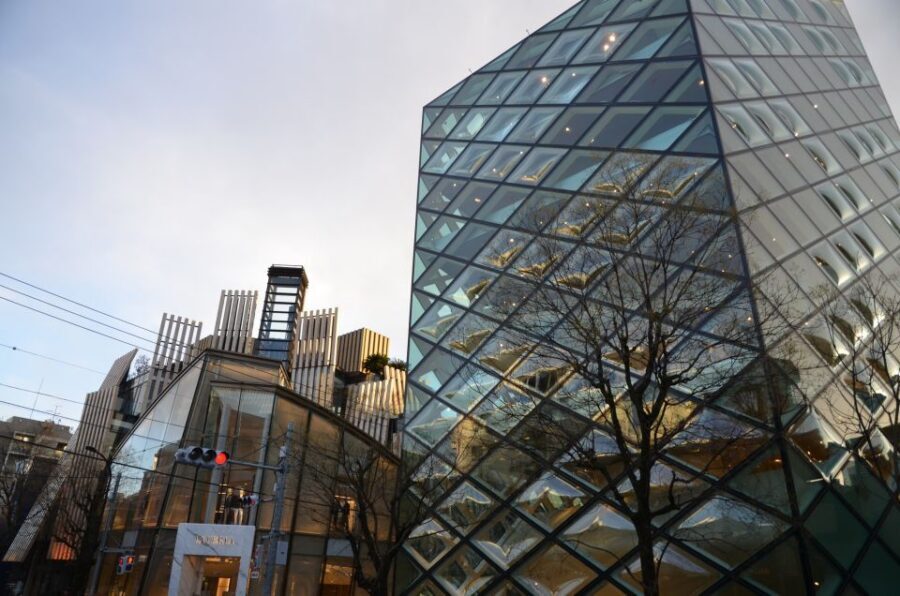
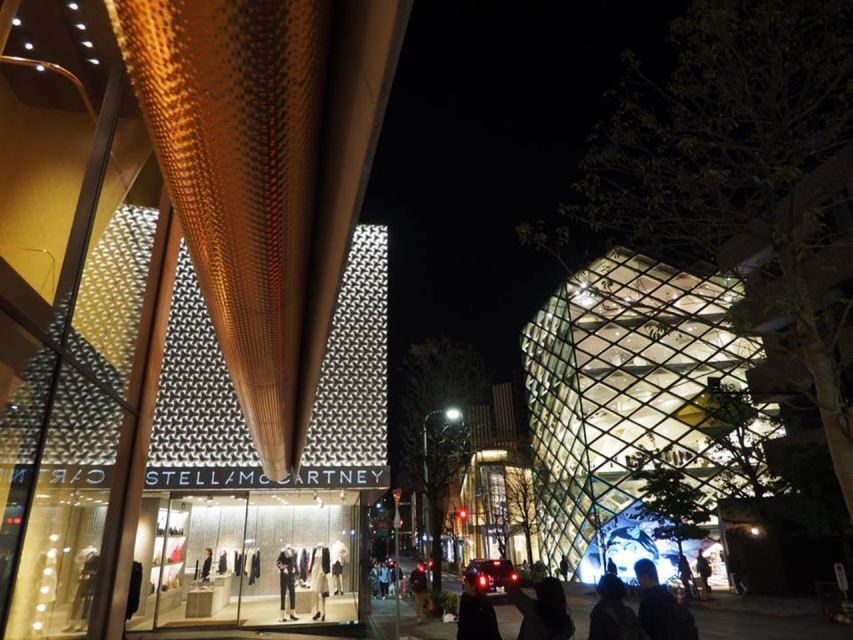
The tour can be taken at night, and that’s a big deal for this part of Tokyo. At night, the architecture changes tone. Lighting softens some materials, sharpens edges, and gives facades a new contrast that’s harder to get in daylight.
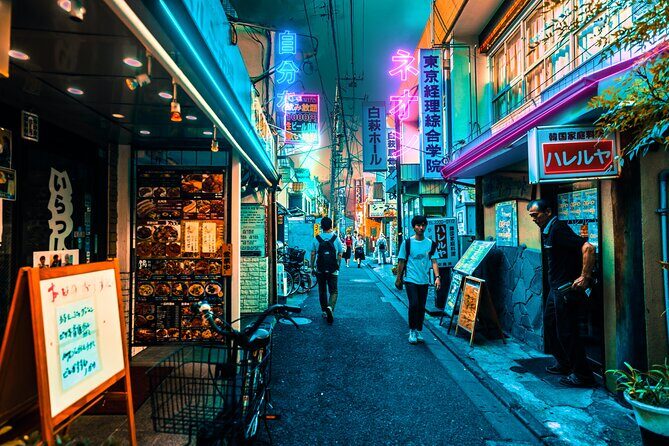
Even if you’re not a dedicated photographer, you’ll likely feel the difference. Retail architecture tends to look more dramatic under night lighting, and streets like Omotesando can feel more cinematic when the sun isn’t washing out detail.
If you’re choosing between day and night, consider this simple rule:
- Go at day if you want to study form and materials clearly.
- Go at night if you want the mood, reflections, and a more theatrical look.
Your guide shapes the whole experience
Because this is a private group tour with a licensed English-speaking guide, the person leading you matters a lot. The guides on this kind of tour tend to be able to connect architecture to real design decisions, and you can tell when the guide has professional grounding rather than just a script.
In the past, guides connected to this experience have included Mrs. Sakai Mari, Fuki, Yoshi, Hal, and Taka. One highlight from a detailed perspective is that Taka has been described as a retired urban planner and a graduate of MIT, which signals the kind of background you want if you’re curious about how cities and buildings work together.
What you’ll feel during the tour is a mix of street-level explanation plus architecture-specific storytelling. If you ask questions, you’re more likely to get answers that make sense—why a feature exists, what it does visually, and how it ties into the bigger design culture around Omotesando.
The tour can also be tailored to what you want to see, which is a big advantage if you care more about contemporary works than classic landmark views, or vice versa.
Timing, pacing, and what to plan for in 210 minutes
This tour lasts 210 minutes, which is a little under 3.5 hours. That’s a great length for architecture-focused sightseeing because it’s long enough to cover multiple signature buildings, but short enough that you won’t burn out before the best stops.
You should plan on:
- Comfortable shoes (not optional)
- Being ready to stop frequently for photos
- Taking the provided break when it’s offered
A break time with drinks is included. That’s useful because Omotesando walking can add up, especially if you’re photographing and looking up at facades often.
Also note: transportation to and from the Omotesando area is not included, so factor in your local train/subway time and cost on your own.
Price value: why $129 can make sense for this specific style of tour
At $129 per person, this isn’t a casual add-on. But for what you get, it can be good value—especially if you’re the type who likes understanding what you’re seeing rather than just collecting photos.
Here’s the value logic:
- You get a licensed English-speaking guide focused specifically on architecture and design context.
- The tour is private, so you’re not stuck with a one-size-fits-all group pacing.
- The time is tight: 210 minutes covering major architectural stops instead of forcing you to piece together your own route.
- You get an intentional photo approach, plus a break with drinks.
If you were to do this DIY, you’d still need to research which buildings matter, learn enough context to interpret what you see, and manage a route that actually fits into a morning or afternoon window. This tour aims to remove that mental burden and replace it with guided looking.
Who should book this, and who might not love it
This tour fits best if you:
- care about architecture, design, and how buildings shape city life
- want more than shopping by giving your eyes a framework
- enjoy street photography and want help finding good angles
- appreciate an English guide who can answer real questions
It may feel less ideal if you:
- want a strictly shopping-focused outing with deal-hunting and long store time
- dislike walking for 3.5 hours, even with breaks
- only want broad sightseeing without the architecture context
The practical takeaway: should you book this private architecture tour?
If you’re excited by the idea of reading Tokyo’s design culture in real time, I think this is a strong pick. You’ll cover major Omotesando landmarks and luxury architecture, get a side-street comparison, and have the option to see it at night for a totally different feel. The price only starts to make sense when you care about the story behind the buildings—and this tour is built for exactly that.
If you’re choosing between a generic shopping walk and this architecture-first approach, go with the architecture tour. Omotesando is too visually specific to treat it like just another shopping strip.
FAQ
How long is the Private Harajuku Omotesando Architecture Tour?
The tour is 210 minutes, or about 3.5 hours.
Is this tour private?
Yes. It’s a private group tour.
Where do I meet for the tour?
You meet in front of the café in the large open space where the big wooden entrance gate of Meiji Shrine stands. The address is CAFÉ Mori no Terrace, 1 Yoyogikamizonocho, Shibuya City, Tokyo 151-0052, Japan.
How can I get to the meeting point from Harajuku Station?
You can reach Meiji Shrine easily from JR Harajuku Station by getting out at the Omotesando exit and walking toward the forest. The café used for the meeting is different from the one inside the shrine, and you do not go through any Shinto gates from the station to reach it.
Is the tour guide English-speaking?
Yes. The tour includes a licensed English-speaking tour guide.
What is included in the price, and what is not?
Included are the licensed English-speaking tour guide and a break time with drinks. Meals are not included, and transportation fee to and from the Harajuku Omotesando area is also not included.
Can I take the tour at night?
The tour highlights indicate there is a night option to appreciate the masterpieces from a different perspective.
What should I bring?
Wear comfortable shoes. The tour involves walking.
What if my plans change—can I cancel?
There is free cancellation up to 24 hours in advance for a full refund.