REVIEW · TOKYO
Tokyo Shibuya and Harajuku Walking Tour With A Guide
Book on Viator →Operated by Guydeez · Bookable on Viator
Shibuya feels chaotic until it makes sense. This Shibuya and Harajuku walking tour strings together the sights you’ve heard about—Shibuya Scramble and Hachiko—then pushes into Tokyo’s style zones in a way that’s easy to follow. I like the fashion-first focus (Shibuya 109, Takeshita Street, and Ura-Harajuku) and I like that the guide can tailor the walk to your interests. The main drawback: it’s a lot of walking in a short window, so comfy shoes matter.
If you’re lucky, you’ll get a guide who brings Tokyo to life with real-life context, not just facts. Names that show up in the guide stories include Riccardo, Sébastien, Francine, Sergio, Joe, Timothy, and Jenny, and the recurring theme is how well they explain daily culture and point out small streets you’d miss on your own. I also appreciate the “help with the plan” side: you get a mobile ticket, plus support to book the visits you want.
For value, this tour is priced at $48.21 per person for about 3 hours, which works out to roughly $16 an hour. That’s not cheap, but it can feel fair when you consider the guided routing, English/Spanish/French/Italian options, and the fact that the listed stops don’t require paid entry tickets. You’ll still handle your own snacks and any public transport costs during the tour.
In This Review
- Key Things to Know Before You Walk Shibuya + Harajuku
- Getting Oriented at Shibuya Station Tourist Center
- Shibuya Scramble Crossing + Hachiko: The Photo Stops That Teach You the Flow
- Center-gai and Shibuya 109: Where Youth Culture Meets Shopping Reality
- Harajuku Station and Takeshita Street: The Main-Scene Energy
- Urban Harajuku (Ura-Hara): The Backstreets Where Style Gets Specific
- Omotesando: Designer Lines and Architecture You Can Actually Walk
- Meiji Shrine Imperial Garden: A Breather After the City Noise
- How the 3-Hour Format Works in Real Tokyo Time
- Price and Value: $48.21 for a Fashion-Focused Guided Walk
- Group Size, Languages, and What You’ll Walk Past
- Should You Book This Shibuya + Harajuku Walking Tour?
- FAQ
- How long is the Shibuya and Harajuku walking tour?
- What does the tour cost?
- Where does the tour start and end?
- Is food or drinks included?
- Which languages are available for the guide?
- Are there admission fees for the stops?
- Is transportation included?
- Can I cancel for a refund?
- When should I book?
Key Things to Know Before You Walk Shibuya + Harajuku
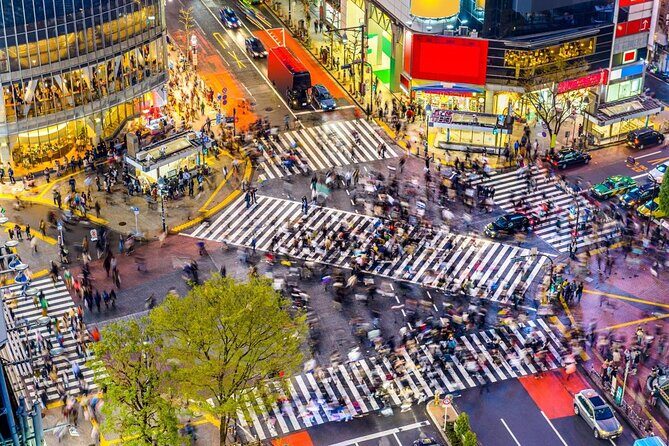
- Shibuya Scramble + Hachiko early: You start at the station area so the crowd logic clicks fast.
- Fashion stops are the spine: Shibuya 109, Takeshita Street, and Urban Harajuku are the core.
- Backstreets count: You’ll get side lanes, not only the main photo spots.
- You get both street style and calmer Tokyo: Omotesando and Meiji Shrine grounds balance the day.
- Free admission at listed stops: Each stop is marked as free, so you’re paying for guidance and time.
- Guides can tailor: Several guides are noted for adjusting the route to what you care about.
Getting Oriented at Shibuya Station Tourist Center
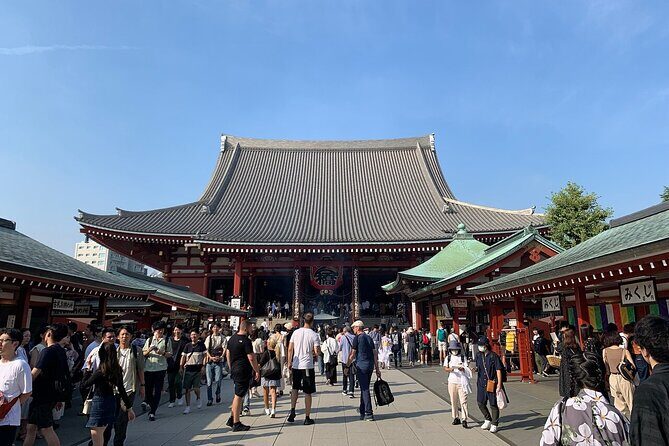
Your walk starts in the Shibuya Station area, at the Tokyu Tokyo Metro Shibuya Station Tourist Center. This is a smart choice because Shibuya is where Tokyo’s scale can feel overwhelming. One minute you’re staring at signs; the next you’re facing the kind of pedestrian flow that makes you forget you’re holding a camera.
This stop is also your first lesson in reading the place. The guide points out how the station feeds the scramble, where people funnel, and how to time a crossing without getting stuck in the thickest bottleneck. Even if you’re not there for shopping yet, it helps you understand the neighborhood’s layout in minutes.
The Shibuya Station area also has a lot of “street reality” built in: quick bites, storefronts, and that constant motion you only get in major Tokyo hubs. It’s a good warm-up stop before you go hunting for style.
Practical tip: If you’re sensitive to crowds, aim for patience on the scramble portion and keep a slower pace from the start.
You can also read our reviews of more walking tours in Tokyo

Shibuya Scramble Crossing + Hachiko: The Photo Stops That Teach You the Flow
From the station area, you move to the scramble logic you came for. Shibuya’s pedestrian crossing is iconic for a reason: it shows how Tokyo manages mass movement with near-military choreography. A guide matters here because the “best” view depends on where you enter the pedestrian streams and where you position yourself relative to signals.
Right outside Shibuya Station, you also hit Hachiko. The Hachiko statue is a meeting point and a symbol of loyalty tied to the Akita dog named Hachiko. It’s simple, famous, and useful: you’ll learn why people treat it like a landmark, not just a statue.
What I like about this pair of stops is that they do two jobs at once. You get the big Shibuya moment, and you also get an anchor point for your mental map. Later, when you’re walking into Center-gai and down toward Harajuku, that map in your head makes everything feel less like a maze.
Consideration: If you’re the type who hates crowds, you may still want to keep your expectations realistic. This is Shibuya; the energy is part of the experience.
Center-gai and Shibuya 109: Where Youth Culture Meets Shopping Reality
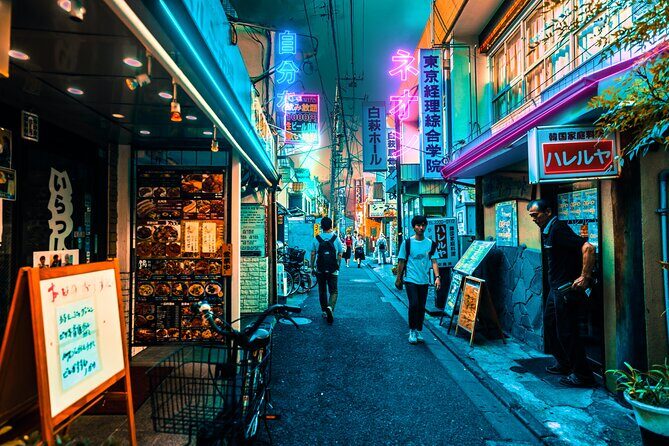
Next up is Shibuya Center-gai, a pedestrian shopping street known for youth culture and fashion energy. This is where the tour shifts from landmark sightseeing to the kind of Tokyo wandering most visitors don’t plan enough time for. You’ll pass a mix of shops, boutiques, cafes, and places to grab quick snacks, and your guide can point out what’s worth your attention.
Then you go to Shibuya 109, a landmark department store aimed largely at younger women, famous for fashion-forward boutiques and trendsetting styles. This is one of those spots that works even if you’re not shopping heavily. You learn what’s popular right now and how Tokyo’s “age-targeted” retail works.
The value of having a guide at this stage isn’t that they’ll drag you into stores. It’s that they can tell you what you’re looking at and what the trends mean. A few guides in the guide stories are especially strong on this kind of context, pairing fashion with practical local life explanations.
Practical tip: Bring a little cash or a plan for payment (since many stores and snack spots are inside the shopping flow). If you only plan to look, you can still window-shop your way through without slowing the group too much.
Harajuku Station and Takeshita Street: The Main-Scene Energy
When the walk reaches Harajuku Station, the mood changes fast. Harajuku is known for youth culture and fashion, and Takeshita Street is the big headline. This pedestrian thoroughfare is packed with shops selling accessories, novelty items, snacks, and colorful street fashion. It’s also a people-watching buffet.
Takeshita Street can feel like sensory overload in the best possible way. The guide helps you navigate it without turning it into a nonstop bottleneck. You’ll get a feel for what’s going on and why people come here, plus you’re less likely to waste time bouncing between shops that don’t match your interests.
In the guide stories, multiple guides were praised for showing both “main points” and side streets, and that’s exactly what makes a difference in Harajuku. If you only hit Takeshita Street, you’ll see the cover of the magazine. With a guide, you start getting pages underneath.
Consideration: If you hate crowds, Takeshita Street might be a lot. But if you can handle busy streets for a short stretch, it’s a classic Tokyo experience.
Urban Harajuku (Ura-Hara): The Backstreets Where Style Gets Specific
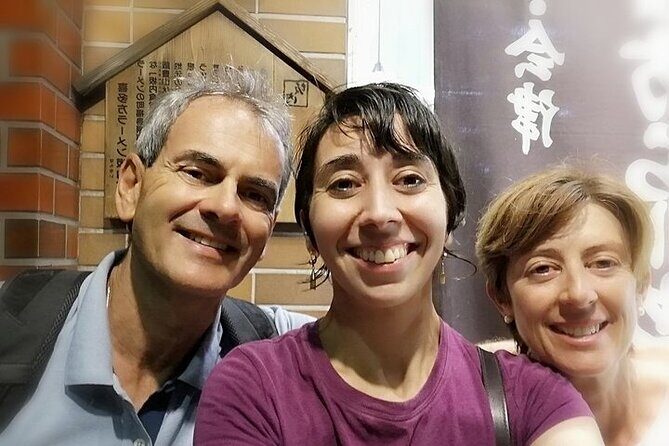
After Takeshita Street, you shift into Urban Harajuku, also called Ura-Hara, meaning the backstreets and alternative fashion scene behind the main drag. This area is known for independent boutiques and cutting-edge streetwear. In plain terms: this is where you find more personality per storefront.
This part is a big reason the tour works. Main streets give you recognition. Backstreets give you meaning. And because you’re on foot with a guide, you’re more likely to actually see the “how the neighborhood feels” layer instead of only crossing it.
The best part is that Ura-Hara helps you avoid a common Tokyo mistake: buying what’s loud just because it’s visible. With a guide, you can match what you like (streetwear, alternative styles, indie fashion) to the streets where it’s more likely to show up.
Practical tip: If you’re buying anything, keep track of what you want before you get distracted. Backstreets can make decisions faster than you expect.
You can also read our reviews of more guided tours in Tokyo



Omotesando: Designer Lines and Architecture You Can Actually Walk

From the backstreets, the tour moves to Omotesando Avenue, often compared to Tokyo’s upscale boulevard energy, lined with luxury boutiques, designer flagship stores, and modern architecture. This stop is a nice contrast. After street-level style intensity, Omotesando feels cleaner and more structured.
Even if you’re not shopping at top-end brands, Omotesando is still worth it. The architecture and the way the avenue is planned make it an easy place to slow down for a moment. Your guide can point out the vibe differences between Shibuya and Harajuku retail culture versus the Omotesando lane.
This is also a good spot to reorient yourself before the final peaceful stop. You’ll have seen fast fashion, indie style, and youth culture. Now you get a change of tempo.
Meiji Shrine Imperial Garden: A Breather After the City Noise
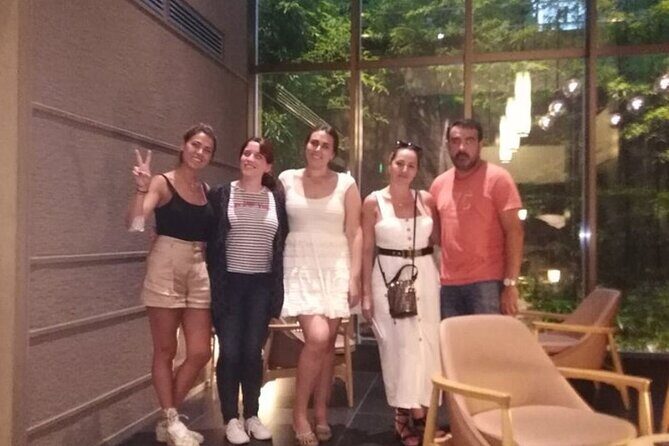
The last stop is Meiji Shrine Imperial Garden, one of Tokyo’s most important Shinto shrines, dedicated to Emperor Meiji and Empress Shoken. The main value here is the setting. You’re stepping into a calmer, forested area where Tokyo’s noise drops away.
The tour info frames this as a city tour rather than going inside monuments and museums, and that matches what you need here. You’re there for the grounds and the atmosphere, not a museum sprint.
In the guide stories, the strongest comments often mention how guides balance big-name sights with quieter streets and cultural context. This shrine stop tends to be a natural landing spot for that balance. It’s a reset button that makes the whole day feel more grounded.
Practical tip: If it’s a warm day, this part can feel cooler under the trees. If it’s rainy, you might want a light umbrella because the ground paths can get slick.
How the 3-Hour Format Works in Real Tokyo Time
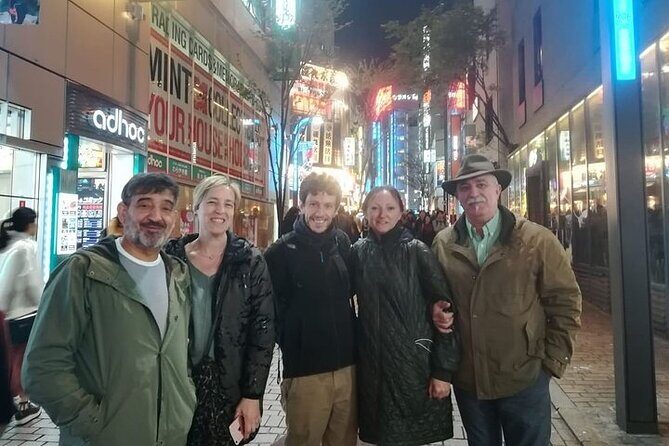
This tour is about 3 hours total, with around 20 minutes at each listed stop. That’s a tight schedule, but it’s built for Tokyo walking style: short, focused blocks with enough time to look, ask questions, and move before the group gets exhausted.
You’ll see a clear arc:
- Big landmarks first (Shibuya Station area, Hachiko)
- Fashion hotspots next (Center-gai, Shibuya 109, Takeshita Street)
- Alternative/backstreet texture (Ura-Hara)
- A step toward style with architecture (Omotesando)
- A quiet cultural landing (Meiji Shrine grounds)
Because the tour stays “outside” and on foot, it also avoids the time-sink problem that ruins so many sighting plans: long museum lines, complicated entry logistics, and getting separated in crowded interiors. You’re moving through neighborhoods where walking is the point.
Who this suits best: first-time visitors who want a fast, guided hit of Tokyo style, and anyone who knows they’d waste time figuring out routing on their own.
Price and Value: $48.21 for a Fashion-Focused Guided Walk
At $48.21 per person for roughly 3 hours, you’re paying for organization plus guidance through the most walkable high-impact areas of Shibuya and Harajuku. The tour includes help with booking the desired visits and a mobile ticket, and the listed stops are marked as free admission tickets.
That combination matters. In Tokyo, the difference between a good day and a confusing one is often a person who can point you in the right direction and explain what you’re seeing in plain language. Several guide stories praised strong English and lots of cultural context, plus recommendations for where to eat and what else to do afterward.
Is it worth it if you’re picky and want everything customized? Probably, because the tour notes customization, and guides are described as adjusting the itinerary to match your interests. Is it worth it if you hate walking or crowds? That’s where the drawback shows up. This isn’t a sit-down tour; it’s a shoes-on Tokyo day.
Bottom line: If you want Shibuya and Harajuku in one guided loop, with context and less guesswork, the price feels reasonable for Tokyo.
Group Size, Languages, and What You’ll Walk Past
This is a private tour/activity, meaning only your group participates. There’s also a small group option (with a minimum of 2 participants for the group option). That’s nice if you want the option of a friend pace instead of being swallowed by a large herd.
Guides speak English, Spanish, French, and Italian. In the guide stories, English was specifically praised, and several guides were described as friendly and flexible with what you wanted to focus on.
One more practical piece: transportation is not included during the tour. That means you might use public transport before you meet or to get between the tour’s start and end. The cost of using public transport during the tour is your responsibility, but the meeting area is near public transportation.
Also, drinks and food aren’t included. So budget for snacks if you get hungry. You’ll be moving through shopping streets where options are easy to find.
Should You Book This Shibuya + Harajuku Walking Tour?
Book it if:
- You’re a first-time Tokyo visitor and want the “big hits” plus the style zones.
- You care about fashion context, not just photos.
- You want a guide who can tailor the route, as seen in the repeated praises for customization.
- You’re okay with short, focused stops and a solid walking pace.
Skip it (or choose a gentler alternative) if:
- You have limited mobility or know you can’t handle steady walking for a 3-hour stretch.
- You’d rather browse alone for longer without guide direction.
- You’re not interested in shopping streets and street fashion at all.
If you’re on the fence, I’d make the decision based on your shoe situation and your tolerance for crowds. Shibuya and Harajuku are intense areas. This tour turns that intensity into a plan you can actually enjoy.
FAQ
How long is the Shibuya and Harajuku walking tour?
It’s approximately 3 hours.
What does the tour cost?
The price is $48.21 per person.
Where does the tour start and end?
It starts at 24-2 Sakuragaokachō, Shibuya, Tokyo 150-0031, Japan, and it ends back at the meeting point.
Is food or drinks included?
No. Drinks and food are not included.
Which languages are available for the guide?
The tour offers in-person guides speaking English, Spanish, French, and Italian.
Are there admission fees for the stops?
The listed stops in the itinerary are marked as having free admission tickets.
Is transportation included?
No. Any public transport costs during the tour are at your own expense.
Can I cancel for a refund?
Yes. You can cancel up to 24 hours in advance for a full refund.
When should I book?
It’s on average booked 30 days in advance.