REVIEW · HIROSHIMA
Private Hiroshima Early Morning Tour with English-Speaking Guide
Book on Viator →Operated by GuideMe Japan · Bookable on Viator
Hiroshima hits hardest when it’s quiet. This private early-morning tour smooths the day with a calmer pace, an English-speaking guide, and smart transit help, so you can focus on what you’re seeing. I especially like the Peace Memorial Museum time (slow enough to absorb) and the chance to learn public transit instead of wandering stressed. The only real drawback is the subject matter is heavy, so you’ll want to be ready for an emotional morning.
You also get a small-group experience with up to 8 people, plus a true private setup for your party. In one standout review, the guide named Ranma stood out for how easy it was to ask questions and how he helped the group find the right spots next. If you’re hoping for a casual, chatty “light sightseeing” vibe, this may feel more serious than you expect—but that’s part of why it’s so meaningful.
In This Review
- Key things to know before you go
- Starting Hiroshima at a calmer hour (and why that matters)
- A private small-group tour with an English guide named Ranma
- Peace Memorial Museum: your 90 minutes of evidence and testimony
- Children’s Peace Monument: short stop, long echo
- Peace Memorial Park: reflection space, not a checklist
- Atomic Bomb Dome: the UNESCO landmark that hits in person
- Hiroshima Castle: contrast, context, and panoramic views
- Public transportation included: learning routes instead of guessing
- What you’re really paying for (and whether it’s good value)
- Best match: who this tour suits
- Should you book this early Hiroshima tour?
- FAQ
- How long is the Hiroshima early morning tour?
- Is this tour private?
- What’s included in the price?
- Are any admissions free during the tour?
- Where does the tour start and where does it end?
- Is food included?
- Do I need to pay for tickets separately?
- Can I cancel for a full refund?
- Is the tour suitable for most people?
Key things to know before you go
- Go early to dodge crowds and school field trips and get cleaner photos
- Peace Memorial Museum gets 90 minutes, with admission handled for you
- Children’s Peace Monument connects to Sadako Sasaki and paper cranes in a short, powerful stop
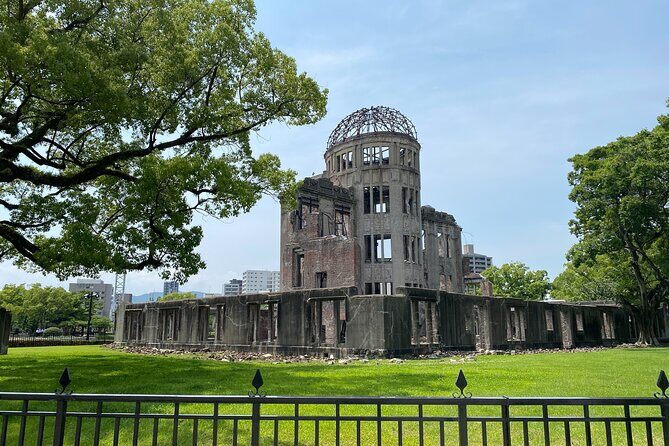
- Atomic Bomb Dome is preserved and UNESCO-listed, with time to look closely
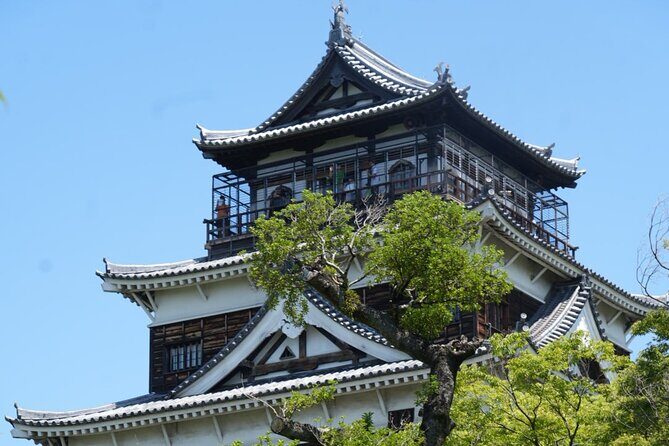
- Hiroshima Castle adds a lighter contrast with exhibits and panoramic views
- Small group (max 8) plus English guide support, including transit guidance
Starting Hiroshima at a calmer hour (and why that matters)
The biggest gift of this tour is timing. You’re going before the city fully fills up with day-trippers, tour groups, and student groups. That means the Peace sites still feel solemn, but they don’t feel rushed by crowds hovering behind you.
It also changes your photos. Early morning usually gives you fewer people crossing your frame, so you can actually compose shots instead of playing human-waiting-room. And because you’re starting early, you finish with enough of the day left to breathe and explore on your own.
The day is designed as a 5-hour morning loop that ends after Hiroshima Castle. That structure is practical if Hiroshima is a stop on a longer trip and you want your most important sights handled first, without burning your whole day.
You can also read our reviews of more guided tours in Hiroshima
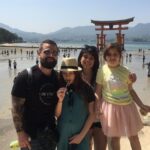
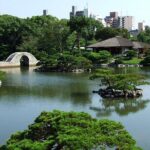
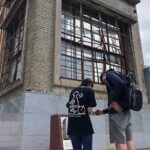
A private small-group tour with an English guide named Ranma
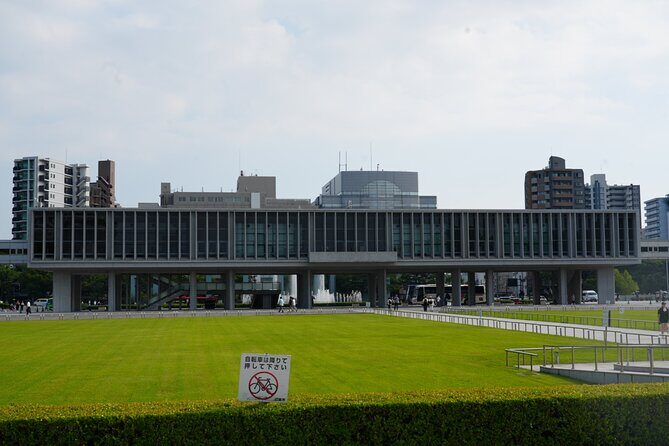
This is a private tour/activity, meaning it’s just your group. Even so, it’s capped at a maximum of 8 total participants, so the guide can keep things moving without turning it into a lecture hall.
What makes this setup work is the guide interaction. In feedback tied to the experience, the guide named Ranma was praised for being “wonderful,” especially for the way he helped guests ask questions and get oriented across the day. That matters more than it sounds. Peace Memorial Park and the surrounding sites can be emotionally intense, and a good guide helps you understand what you’re seeing without you having to piece it together alone.
You’ll also get public transit support during the tour. Instead of just pointing you to stations and hoping for the best, the guide helps you figure out how to use the system along the way. That’s a big deal on your first morning in a new city.
Peace Memorial Museum: your 90 minutes of evidence and testimony
Your morning begins at the Hiroshima Peace Memorial Museum, and you’ll have about 1 hour 30 minutes there. Admission is included, so you won’t lose time searching for tickets or figuring out payment rules while you’re already emotionally braced.
This museum is powerful for a simple reason: it documents the atomic bombing through survivor testimonies, personal belongings, and historical artifacts. That combination does something that a photo or a quick story can’t. It makes the event feel specific and human, and it keeps the experience from becoming vague or purely historical.
How to make the most of it:
- Take your time in the testimony areas. You don’t need to rush to “finish” the museum.
- Pause when you feel yourself skimming. If you need a moment, step back and let your eyes reset.
- Don’t worry if you can’t read everything. With this topic, absorbing the meaning beats checking every display.
The one thing I’d flag is pacing. The museum is long enough to go deep, but the tour still moves on. If you’re the type who needs more time to sit with what you’re reading, you’ll probably still appreciate the structure because it keeps you from feeling lost. Just know the morning stays emotionally focused.
Children’s Peace Monument: short stop, long echo
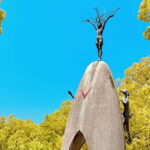
After the museum, you’ll visit the Children’s Peace Monument for about 10 minutes. Admission is free here, and the stop is brief by design.
The monument is inspired by Sadako Sasaki and her paper cranes. That detail turns the story from a single moment of destruction into something that keeps moving through people’s hands. Visitors from around the world still send cranes as a symbol of peace and hope, so even though the stop is short, it connects you to the ongoing “after” of Hiroshima.
Why this stop works on an early tour: it’s easier to pay attention when you’re not competing with a crowd. You can stand and really look without getting swept along by group timing.
Peace Memorial Park: reflection space, not a checklist
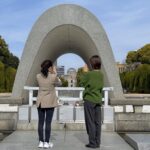
Next up is Hiroshima Peace Memorial Park, another free stop with about 10 minutes on the schedule. This park is built to honor the victims of the bombing, and it mixes memorials and green space to support reflection.
In practical terms, this part of the morning gives you a visual reset. You’ve just spent focused time inside a museum. Now you’re in an outdoor space where the pace slows down naturally because you’re walking between memorials and looking at surroundings instead of reading panels nonstop.
One consideration: because it’s outside, you may want to dress for the morning weather. Early tours mean you might start in cooler air, then feel warmer as the day builds.
You can also read our reviews of more private tours in Hiroshima
Atomic Bomb Dome: the UNESCO landmark that hits in person
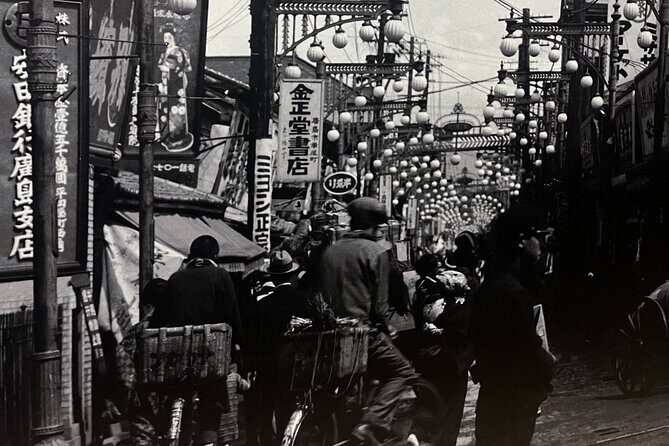
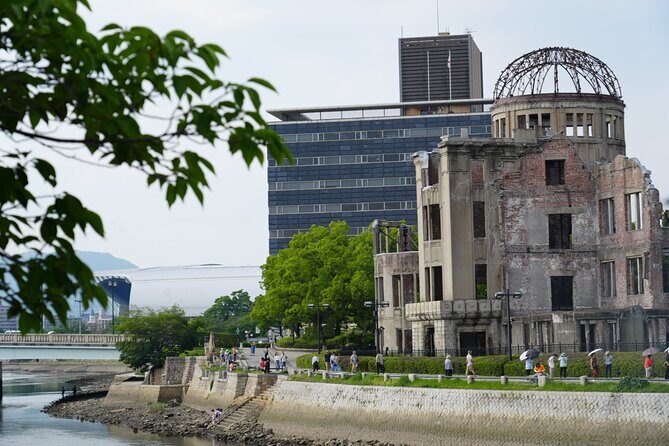
You’ll spend around 20 minutes at the Atomic Bomb Dome, and it’s free to enter. This is one of the few structures left standing near the bomb’s hypocenter, and it’s preserved as a UNESCO World Heritage Site.
Standing here, you get a kind of visual grammar for what you just learned indoors. It’s stark. It’s specific. And because the area is protected, it doesn’t feel like “just another landmark.” It feels like a reminder that the past is still physically present.
For photos, your early start pays off again. The area can get crowded later, but in the quieter morning hour you can look up, frame the dome, and let the rest of the scene settle in the background.
Hiroshima Castle: contrast, context, and panoramic views
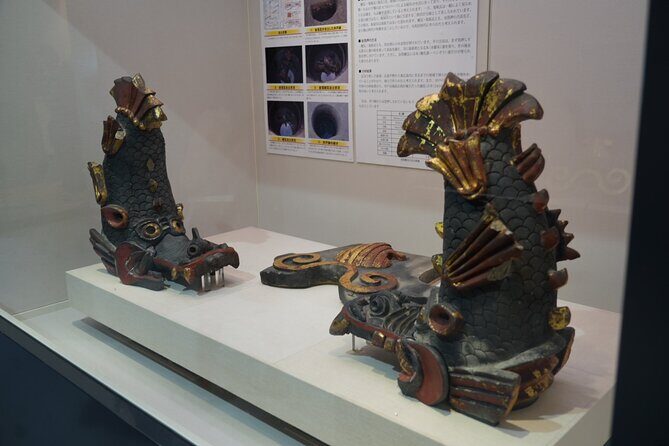
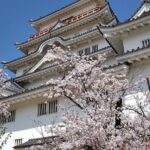
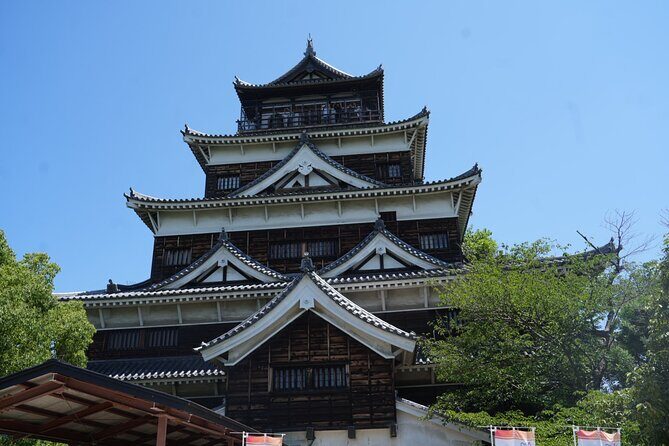
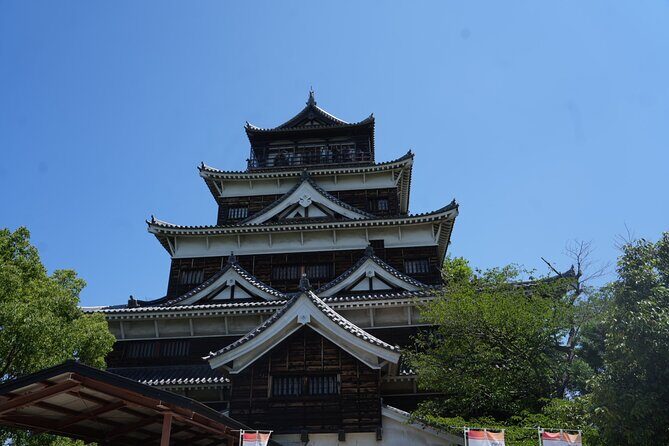
After the memorial sites, the tour shifts to Hiroshima Castle, with about 1 hour and admission included. The castle is a beautifully reconstructed structure set around a moat and scenic grounds.
What I like about this stop is the balance it brings. You’re moving from the gravity of the atomic bombing sites into a place focused on history, city identity, and views. Inside, you can explore exhibits on Hiroshima’s history and samurai culture. Then, if you want the payoff, there are panoramic views from the top floor.
This contrast is useful for your brain. Without it, a Peace-focused morning can feel like emotional compression all the way through. Here you get a chance to look outward—literally—and remember that Hiroshima isn’t only remembered for tragedy. It’s also a living city with its own layered past.
Practical note: if you’re traveling with mobility limits, this stop can still work, but you’ll want to be ready for walking around the grounds and up within the castle area. The tour overall says most travelers can participate.
Public transportation included: learning routes instead of guessing
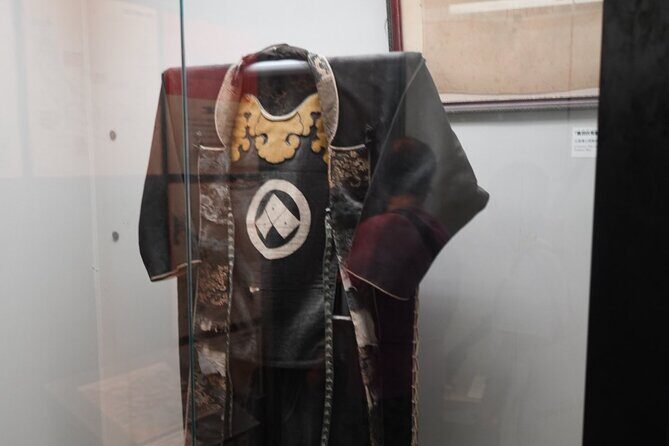
One of the most underrated parts of this tour is that public transportation is included, plus your guide shows you how to use it. That means you’re not just getting driven or walking between distant points with no clue what you’re doing.
In a city like Hiroshima, knowing how trains and trams connect can save you time later. During your morning tour, you essentially get a live practice session. By the time you’re done at Hiroshima Castle, you’re better prepared to handle the afternoon without stress.
This is also why the tour ends where it does. After visiting the castle, the tour ends around SOGO Hiroshima Store in the Motomachi area (the exact end can change depending on what you prefer for your afternoon plans). If you want to keep exploring independently afterward, having a walkable endpoint near shopping and transit is helpful.
What you’re really paying for (and whether it’s good value)
At $49.52 per person for about 5 hours, the price looks reasonable because it bundles more than “a guide telling you what to see.”
Your fee includes:
- English-speaking guide
- Admission to the Peace Memorial Museum
- Admission to Hiroshima Castle
- Public transportation
- The tour’s structured time at the major Peace sites
Food and drinks aren’t included, so plan to buy something later. But even with that, the big value is that you don’t have to pay separate entry fees for the two ticketed highlights, and you’re getting guided context for multiple stops instead of only one.
Also, this is often booked ahead—on average 49 days in advance. That’s a hint that slots can fill. If you have a narrow window in Hiroshima, it’s smart to book earlier rather than gamble on last-minute availability.
Best match: who this tour suits
This tour is a great fit if:
- you have limited time in Hiroshima and want the key sights handled early
- you care about avoiding crowds and school groups
- you want an English guide who can answer questions, not just move you along
- you’d like to learn public transit so your afternoon and evening are easier
It’s also a solid pick for couples and small groups who want a private format. One review specifically highlighted how the private setup made it easy to connect with the guide and ask questions without feeling rushed by a larger group.
Should you book this early Hiroshima tour?
If you’re visiting Hiroshima for the first time and want a day that starts calm and stays structured, I’d say book it. The early hour is the secret ingredient, and the mix of Peace Memorial Museum + Peace sites + Hiroshima Castle gives you both meaning and momentum.
I’d only hesitate if you know you want a completely self-guided pace. This tour is paced enough to get through several major stops, so you may not feel like lingering as long as you’d like at any one point.
If you do book, come mentally ready for the museum’s content. Then let the castle views act like a reset for the rest of your afternoon.
FAQ
How long is the Hiroshima early morning tour?
It runs for about 5 hours (approx.).
Is this tour private?
Yes. It’s a private tour/activity, so only your group participates.
What’s included in the price?
You get an English-speaking guide, admission to the Peace Memorial Museum and Hiroshima Castle, public transportation, and guided time at the included Peace sites.
Are any admissions free during the tour?
Yes. The Children’s Peace Monument, Hiroshima Peace Memorial Park, and the Atomic Bomb Dome are free stops.
Where does the tour start and where does it end?
It starts at 2 Chome-8 Minamimachi, Minami Ward, Hiroshima, and it ends around SOGO Hiroshima Store, 6-27 Motomachi, Naka Ward. The exact end point timing can change based on guest preferences.
Is food included?
No. Food and drinks are not included.
Do I need to pay for tickets separately?
No for the two ticketed stops. Admission fees for the Peace Memorial Museum and Hiroshima Castle are included. The other stops are free.
Can I cancel for a full refund?
Yes. You can cancel up to 24 hours in advance for a full refund.
Is the tour suitable for most people?
The tour indicates that most travelers can participate.
If you want, tell me your travel dates and whether you’re going straight from Hiroshima Station or staying in central Hiroshima—and I’ll suggest a simple morning plan that pairs well with this tour.