REVIEW · TOKYO
REAL, All-Inclusive Tokyo Food and Drink Adventure (leave the tourists behind)
Book on Viator →Operated by Pinpoint Traveler, Inc · Bookable on Viator
Tokyo gets more fun after dinner. This small-group food and drink adventure leads you away from the main sights and into Oimachi and Kamata, where you’ll hop between local tachinomi (standing bars) and streets people actually use. You also get practical ideas for Tokyo nightlife right where the action happens, not where tour buses stop.
What I like most is how the tour gives you enough to make it feel like a real dinner. You’ll get 3 drinks total plus food stops in spots that are designed for quick bites and conversation, and you’re kept in a tight group of up to six. That means you can ask questions and try new things without feeling lost in a crowd.
One consideration: you’ll be standing and moving around, and the food choices may include items that some people find a bit intimidating. Also, it’s 18+ only and the minimum drinking age is 20, so it’s not for everyone.
In This Review
- Key highlights you should know
- Tokyo food that starts near Shinagawa and ends in local bars
- Price and value: what $125 buys you (and what it doesn’t)
- The best time to do it: a 6:30 pm start that fits your trip flow
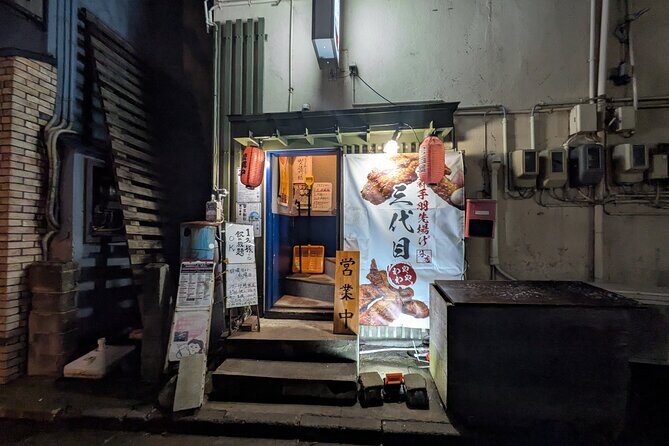
- Stop 1: Ōimachi backstreets and your first tachinomi drink
- What to watch for in Oimachi
- Stop 2: Kamata’s shotengai, 80s-era feel, and more drinks
- What “enough for dinner” really means on a bar-food crawl
- Vegetarian option: how to make sure your night stays smooth
- How the guide changes the tour: you might meet Andrew, Mini, Ryuhki, or Yeman
- Tachinomi etiquette basics (so you don’t overthink it)
- Where comfort really counts: shoes, pace, and heat
- Who should book this Tokyo food and drink night (and who might skip it)
- Should you book the Ōimachi and Kamata food-and-drink tour?
- FAQ
- How long is the Tokyo food and drink adventure in Oimachi and Kamata?
- Where does the tour start and where does it end?
- What’s included in the price?
- Are vegetarian options available?
- What are the age requirements?
- How many people are in the group?
- What’s the cancellation window for a full refund?
Key highlights you should know
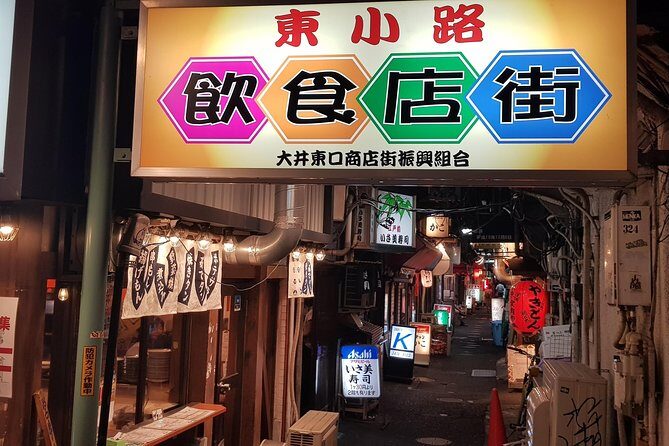
- Tachinomi night in two neighborhoods: Oimachi first, then a short ride to Kamata for more bites and bar time
- Dinner’s worth of food: not just snacks, you’ll eat enough to skip a late-night scramble
- Exactly 3 drinks included: alcoholic or non-alcoholic, plus guides who help you order
- Small group size (max 6): easier pacing, easier questions, less waiting
- Nightlife tips tied to the area: guidance focused on Oimachi and Kamata streets
- Vegetarian option available: tell them when you book so the stops can work for you
Tokyo food that starts near Shinagawa and ends in local bars
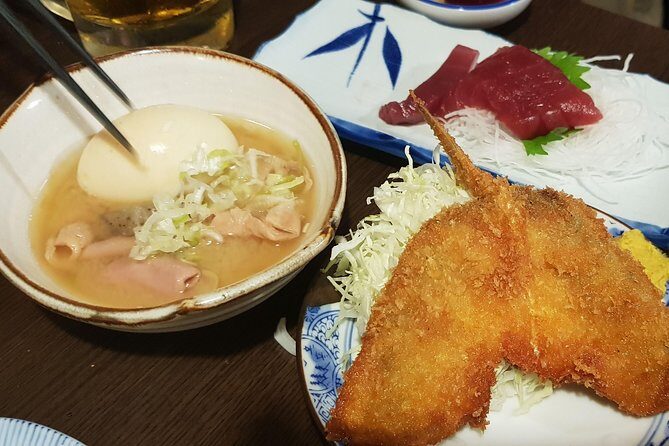
This tour works because it doesn’t try to make you sprint through Tokyo’s most famous postcard spots. Instead, it spends your evening in real neighborhoods where the vibe feels ordinary—in the best way.
Oimachi is a quick hop from Shinagawa, and that matters if you’re trying to plan a first night without overthinking trains. You’re close enough to major lines to get there easily, then you get pulled into narrow backstreets where the pacing slows down and the choices feel more local.
Then, after you’ve had your first warm-up drink and food, you head to Kamata. The tone shifts again: you’re walking classic shotengai shopping-street energy, with architecture influenced by the 1980s into the early 1990s and places that look like they’ve been cared for in small ways over time. It’s a very different Tokyo than the usual center-city loop.
You can also read our reviews of more food & drink experiences in Tokyo

Price and value: what $125 buys you (and what it doesn’t)
At $125 per person for about 3 hours, this is priced like a guided evening that’s meant to feed you and keep you moving. What makes it feel fair is what’s included: dinner, three drinks total, alcoholic beverages, and on-tour transportation between stops.
What’s not included is hotel pickup and drop-off. So if you’re staying far from train lines, you’ll want to plan your own route to the start at Ōimachi Station. The good news is the meeting point is described as near public transportation, and the guide helps you get on the right train.
A practical way to think about the cost: you’re paying for a guide, curated bar-food stops that save you guesswork, and the time plus transport that would be harder to piece together on your own. If you like trying Japanese drinking-and-snacking culture without translating every menu item yourself, this price tends to make sense.
The best time to do it: a 6:30 pm start that fits your trip flow
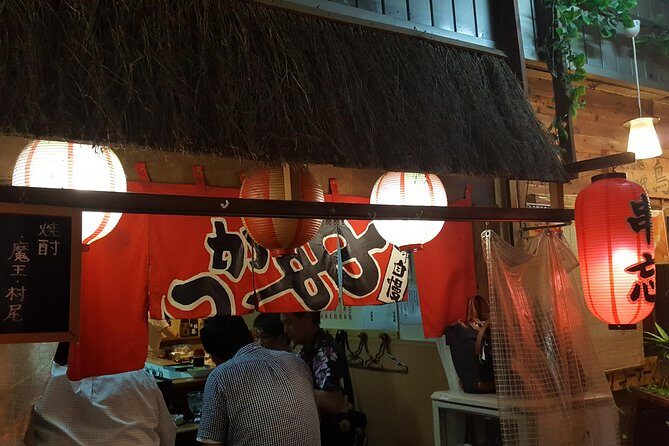
The tour starts at 6:30 pm and runs roughly 3 hours, ending around Kamata Station. That timing is smart because it lines up with the moment Tokyo’s food scene really wakes up—when people shift from dinner prep to ordering drinks and lingering.
It also gives you a clean role for the tour in your schedule. If you’re arriving in Tokyo and want an “orientation to night culture” fast, this is a good first-week plan. If you already know how to get around, you still benefit because it guides you into smaller streets and standing-bar rooms you might not pick on your own.
One more detail to keep in mind: it’s a small group. That usually means the guide can adjust pacing to your questions and comfort level—important when tachinomi involve standing, tight spaces, and quick ordering.
Stop 1: Ōimachi backstreets and your first tachinomi drink
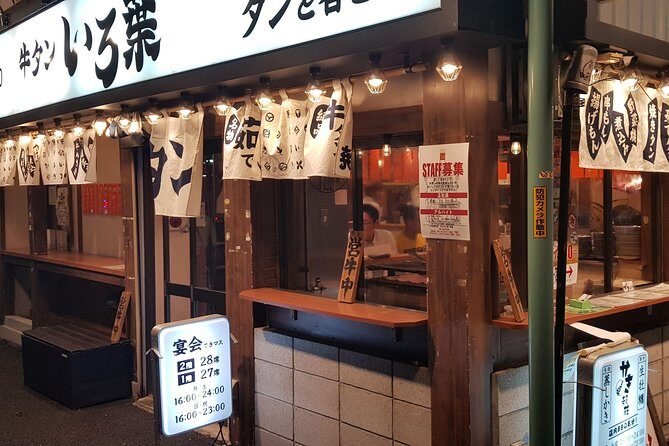
You’ll meet at Ōimachi Station, then step into Oimachi’s narrow backstreets. The vibe here is different from Tokyo’s larger entertainment districts. It’s close to Shinagawa—described as about two minutes off the Yamanote Line—but the streets you walk quickly feel more local and less managed.
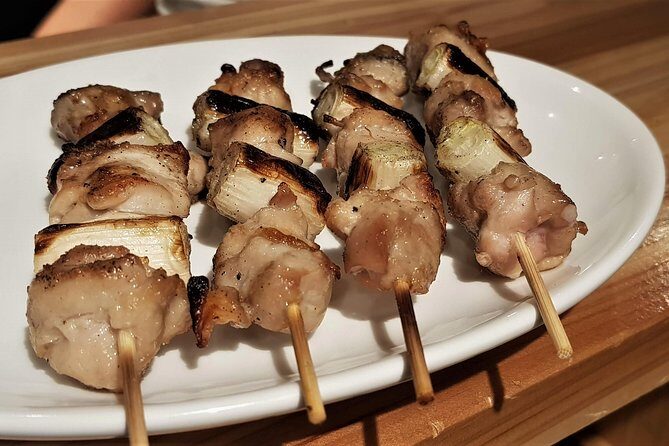
Before you go deep into wandering, you’ll duck into the first tachinomi for a cold drink and bar-style food. This is where the tour earns its title: standing bars are not just a place to eat; they’re a social format. You’re close to other people, ordering in small rounds, and learning how Japanese pub culture works in practice.
If beer isn’t your thing, you’ll have options, including Western palate-friendly choices. And if you’re worried about food you might hesitate over—especially the more “advanced” Japanese items—this kind of tour is still usable because the guide can steer you toward safer picks without making you feel awkward.
After that first bite, you’ll transition from eating into an educational walk. Expect history and neighborhood context tied to what you see and why it matters for daily life.
What to watch for in Oimachi
Tachinomi spaces can be tight. Plan for standing room, close quarters, and fairly quick service. Also, since it’s an evening walk, keep an eye on your comfort level—moderate physical fitness is recommended.
A few more Tokyo tours and experiences worth a look



Stop 2: Kamata’s shotengai, 80s-era feel, and more drinks
About two drinks and two stops in, you move on—described as a short ride of about six minutes—to Kamata. This second neighborhood is where the “leave the tourist trail behind” promise becomes more obvious.
Kamata has the classic shotengai (shopping street) style, and there’s an aesthetic shift you’ll notice as you walk. The area includes bubble era architecture from the 1980s into the early 1990s, along with spots that look more freshly maintained. It’s a mix of old structures and recent repairs, which gives you that lived-in Tokyo feel instead of a polished theme-park look.
You’ll also hit a food and drink spot designed for the vibe of the area: friendly clientele, a chill atmosphere, and enough momentum to keep you from feeling like you’re rushing. The tour doesn’t feel like a checklist; it feels like a guided night out.
One useful add-on from the guide style here: you’ll get Tokyo nightlife tips centered on Oimachi and Kamata streets. And yes, you may even hear explanations connected to topics like love hotels, which can be fascinating if you’ve only seen them from afar.
What “enough for dinner” really means on a bar-food crawl
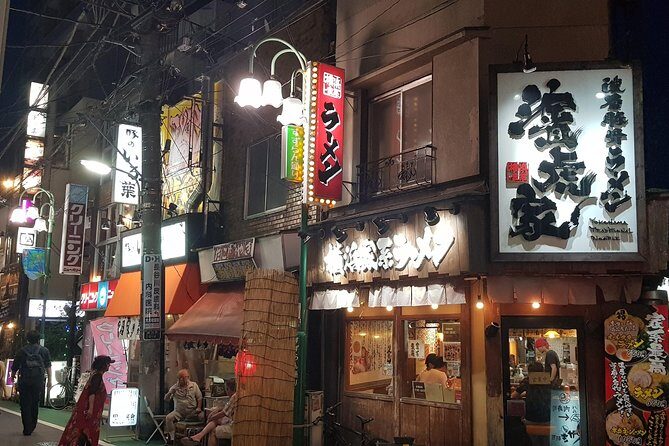
This is not a coffee-and-cookie tour. It’s designed so the bar stops add up to a proper meal.
In practice, that means you’ll likely hit more than one ordering moment: drinks first, then small plates and Japanese pub-style food that helps you keep moving without getting full too fast. You should come hungry enough that your first tachinomi still feels like a relief, but not so ravenous that you need to eat everything at once.
The inclusion of alcoholic beverages matters too. If you drink, you can enjoy the local rhythm rather than constantly deciding what to pay for next. If you don’t drink, you still get three drinks total, just non-alcoholic, so you’re not stuck on the sidelines.
Vegetarian option: how to make sure your night stays smooth
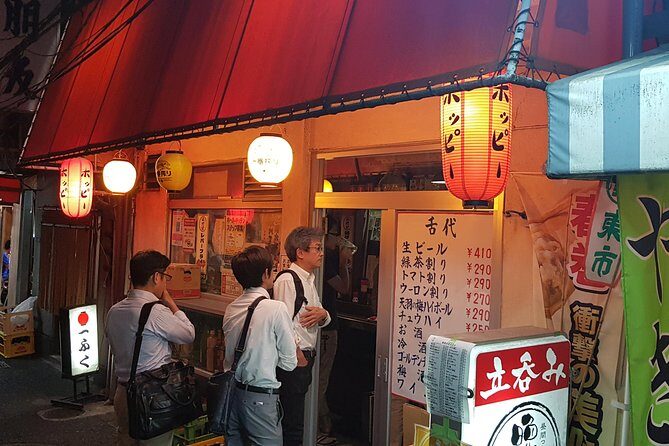
Vegetarian travelers get a real option here. Vegetarian choices are available, but you need to advise at booking. That’s not a small detail. Bar-food formats depend heavily on what the kitchens can offer quickly in tight spaces.
If you’re vegetarian, send the request early and be clear. If you’re flexible (like eating eggs or dairy), still note it. That helps the guide steer you toward satisfying dishes rather than forcing substitutions that don’t work in a standing-bar setting.
How the guide changes the tour: you might meet Andrew, Mini, Ryuhki, or Yeman
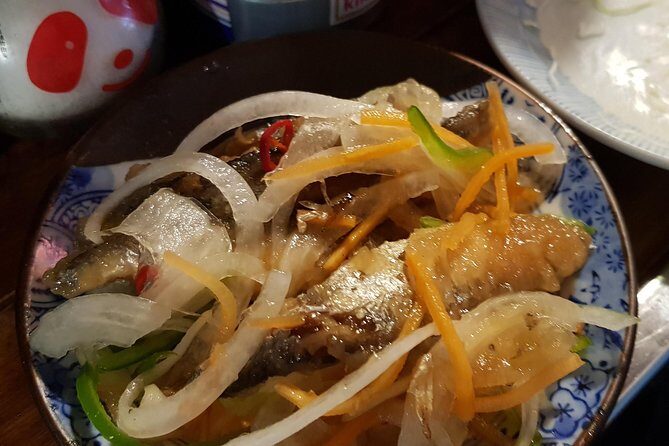
This kind of tour lives or dies by the guide’s personality. The names you may encounter include Andrew, Mini, Ryuhki, and Yeman, along with Lukas showing up as well. Across those guide styles, the common thread is that you’re not just walking—you’re getting explanations that make the places feel understandable.
Some guides add extra practical help beyond food. For example, there are reports of guides assisting with buying train tickets and even helping with getting set up for transit tools like Suica. That’s valuable if your Tokyo logistics are still new.
You’ll also hear personal stories and neighborhood context, not generic facts. If you like asking questions, a small group format makes it feel natural rather than rushed.
Tachinomi etiquette basics (so you don’t overthink it)
Standing bars can feel intimidating at first, especially in a foreign language. The good part is that this tour is designed to guide you through that stress.
Here’s what to expect:
- You’ll stand or move through a tight service area rather than sit for a long meal
- Ordering is usually quick, and drinks arrive fast
- Food tends to be small and shareable, or at least suited for multiple rounds
If you’re unsure what to order, lean on the guide. They’re there to get you comfortable with the menu format, and you’ll have the benefit of trying both Japanese-style pub foods and more accessible alternatives when needed.
Also, don’t fear the unfamiliar. This tour is ideal if you’re willing to try. One of the best vibes of these bar crawls is that you leave with a couple of foods you didn’t think you’d like.
Where comfort really counts: shoes, pace, and heat
This tour involves walking backstreets and moving between neighborhoods on a guided schedule. Comfortable shoes matter. One strong piece of advice from the experience vibe is to wear shoes that handle city sidewalks and short indoor-outdoor shifts.
Pace is generally relaxed, but it’s still an active evening. Moderate physical fitness is listed as a requirement, so if stairs and walking tire you quickly, you might want to keep that in mind.
Heat can also be a factor on warm nights. There’s at least one case where the tour had to be cut short due to heat, so plan for weather swings and adjust your expectations if Tokyo feels heavy that day.
Who should book this Tokyo food and drink night (and who might skip it)
Book it if you want:
- Tokyo nightlife without the major tourist circuits
- A guided way to handle tachinomi culture and ordering
- A plan that gives you food for dinner plus three drinks included
- Neighborhood context around Oimachi and Kamata, not just food pics
You might skip if:
- You need guaranteed fully sit-down dining all night
- You’re uncomfortable with standing-bar rooms or tighter spaces
- You’re traveling under the age rules (it’s 18+ overall, and the minimum drinking age is 20)
If you’re visiting Tokyo for the first time, this is a smart “taste the city’s real evening rhythm” option. If you’ve been before, it’s still useful because Oimachi and Kamata are not the default choices.
Should you book the Ōimachi and Kamata food-and-drink tour?
I think you should book this if your idea of a great Tokyo night is small-group, guided, and local—where you can eat, drink, ask questions, and learn how the neighborhoods tick after dark. The best value is for people who want enough food for dinner and don’t want to build the plan themselves from scratch.
If you’re picky about menus, or you need a fully seated, polished restaurant experience, you’ll likely feel limited. But if you can handle standing for a while and you’re open to trying both Japanese pub food and more familiar options, this tour is built for that sweet spot.
One last practical check: make sure you can get to Ōimachi Station on time for a 6:30 pm start, and confirm any dietary needs like vegetarian options when you book. Do that, and you’ll have a smooth evening that feels like Tokyo lived-in, not staged.
FAQ
How long is the Tokyo food and drink adventure in Oimachi and Kamata?
It runs about 3 hours.
Where does the tour start and where does it end?
It starts at Ōimachi Station and ends at Kamata Station.
What’s included in the price?
Dinner, beverages (3 total, alcoholic or non-alcoholic), alcoholic beverages, and on-tour transportation are included. Hotel pickup and drop-off are not included.
Are vegetarian options available?
Yes. Vegetarian options are available if you advise at the time of booking.
What are the age requirements?
All participants must be 18+. The minimum drinking age is 20.
How many people are in the group?
The tour has a maximum of 6 travelers.
What’s the cancellation window for a full refund?
You can cancel up to 6 days in advance for a full refund (you must cancel at least 6 full days before the experience’s start time).