REVIEW · KYOTO
Kyoto Sagano Insider: Rickshaw and Walking Tour
Book on Viator →Operated by Ebisuya · Bookable on Viator
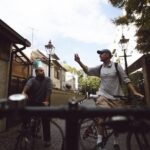
Arashiyama by rickshaw feels like time travel. This private Kyoto tour blends a private rickshaw glide through the Bamboo Forest with walking stops at a machiya house, Otagi Nenbutsu-ji, and preserved neighborhood lanes. I love how the guide times photo stops for great views without you hunting around. I also like the way the route stays layered: tea-house style Kyoto atmosphere, then a temple that’s plain weird in the best way. One consideration: you’ll do some walking on slopes, so pack shoes you can trust.
The set-up is simple: you start and end at the same meeting area in Sagatenryūji, and you get a guide who keeps the day moving while explaining what you’re seeing. Depending on your guide and timing, you may get the chance to step into a tea house, and there’s an optional extra walk into parts of the bamboo forest that rickshaws can’t reach. It’s the kind of tour that saves energy for sightseeing, not for logistics.
In This Review
- Key highlights at a glance
- The real value: speed through the Bamboo Forest, plus calm on the walking parts
- Start point in Sagatenryūji: easy to reach, simple to plan around
- Kyoto machiya house stop: traditional townhouse feel without the museum vibe
- Bamboo Forest rickshaw ride and photo strategy: your guide does the steering and the aiming
- Otagi Nenbutsu-ji: the temple you’ll brag about because it’s so strange
- Straw-thatched haiku poet cottage, bamboo-shrine moments, and slow backstreet charm
- How the guide makes it work: stories, pacing, and bilingual ease
- Time on the clock: about 3 hours 10 minutes, paced for photos and walking
- Price and value: what $228.62 really buys you
- Who should book this Kyoto Sagano rickshaw-and-walk tour?
- Should you book the Kyoto Sagano Insider rickshaw and walking tour?
- FAQ
- Where is the meeting point for the tour?
- How long is the tour?
- Is this a private tour?
- Is the rickshaw shared with other people?
- Are temple and garden admission fees included?
- Does the tour include hotel pickup?
- What languages are offered by the guide?
- Can I walk in parts of the bamboo forest that rickshaws cannot access?
- Is the bamboo forest rickshaw ride and walking easy for most people?
- What about kids and seating on the rickshaw?
- Is cancellation free?
Key highlights at a glance
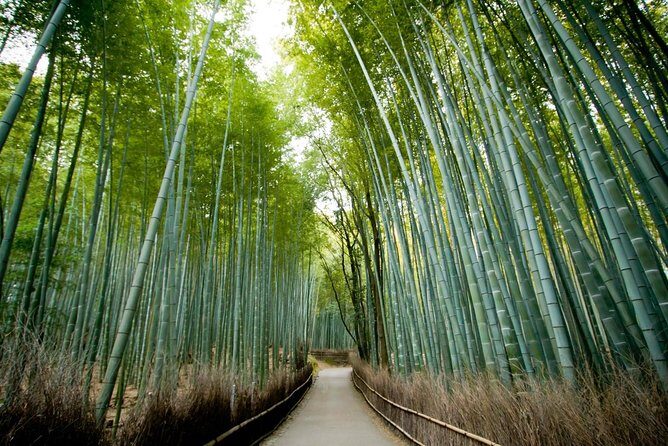
- Private rickshaw access in Arashiyama so you don’t lose time weaving between photo crowds
- Bamboo forest photo stops with tips on where to stand for the best angles
- Machiya house visit inside a traditional Kyoto-style townhouse (free admission)
- Otagi Nenbutsu-ji figurines: quirky, hand-made expressions you’ll remember
- Backstreets and a preserved pilgrim path lined with traditional wooden townhouses
- Bilingual guide support (English/Japanese fluent; Chinese/Korean/Spanish conversational if available)
The real value: speed through the Bamboo Forest, plus calm on the walking parts
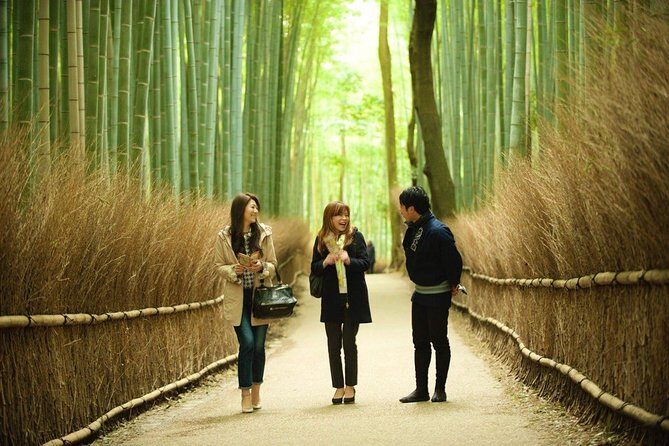
Arashiyama’s Bamboo Forest is famous for a reason. But the usual downside is obvious the moment you arrive: it can feel packed, and you spend energy sidestepping people instead of actually enjoying the views. This tour tackles that by starting with a rickshaw ride that gets you through the key stretches faster and with less friction.
I like that the tour is private. That means you don’t feel stuck waiting for a shared group pace, and your guide can steer the day around your interests—especially for photos. It also means you’re not stuck doing the loud, stop-and-go version of sightseeing.
Then comes the walking part, where Arashiyama’s character shows up more slowly: side streets, preserved lanes, and the kinds of buildings you usually miss if you rush. The combo is smart. You get the speed of the rickshaw where you need it most, then you slow down where it pays off.
A small practical note: this isn’t a pure sit-and-ride experience. You’ll be walking and there’s at least some slope involved. If you’re sensitive to hills or uneven ground, wear shoes with real grip.
You can also read our reviews of more walking tours in Kyoto

Start point in Sagatenryūji: easy to reach, simple to plan around
You meet at 1-1 Sagatenryūji Susukinobabachō, Ukyo Ward, Kyoto. The good news is that it’s described as near public transportation, so you’re not gambling on taxis or complicated transfers.
You also end back at the meeting point. That’s underrated when you’re traveling with a full day of Kyoto plans. It reduces the chance that your afternoon gets hijacked by a last-minute transfer scramble.
One more detail that helps: the selected start time is confirmed by email within 24 hours (unless you book within 1 day of travel). So you should double-check your email once you book and before you head out.
Kyoto machiya house stop: traditional townhouse feel without the museum vibe
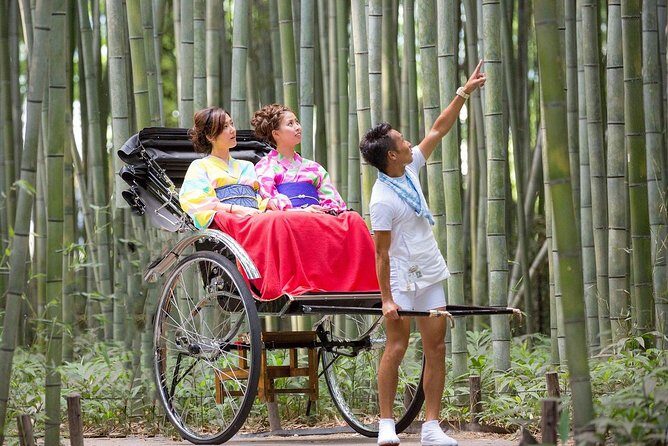
The day begins with a visit to Kyoto City Sagatoriimotocho Nami Preservation Hall, a traditional Kyoto-style machiya house. The admission ticket for this stop is free, which immediately improves the overall value.
Machiya houses are what make Kyoto feel like Kyoto—wooden structure, old-town proportions, and that quiet residential scale that’s hard to replicate in modern districts. What I like about this stop is that it’s not just a photo backdrop. It’s a chance to see how a traditional townhouse can be preserved and interpreted in a way that still feels lived-in.
If you love architectural details—timber beams, layout, and the way light lands in older rooms—this stop is your warm-up before the more scenic parts.
Tip for your visit: go slowly inside and look for small details in the structure. This is the kind of stop where rushing turns it into just another room.
Bamboo Forest rickshaw ride and photo strategy: your guide does the steering and the aiming
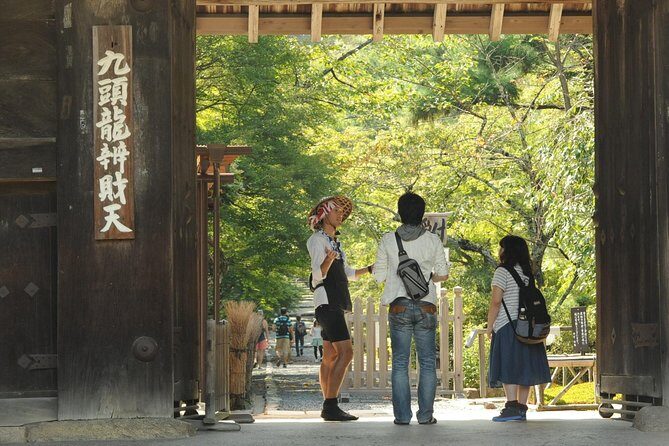
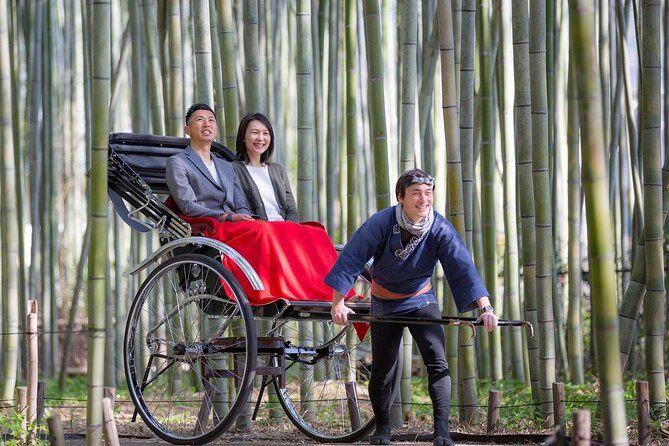
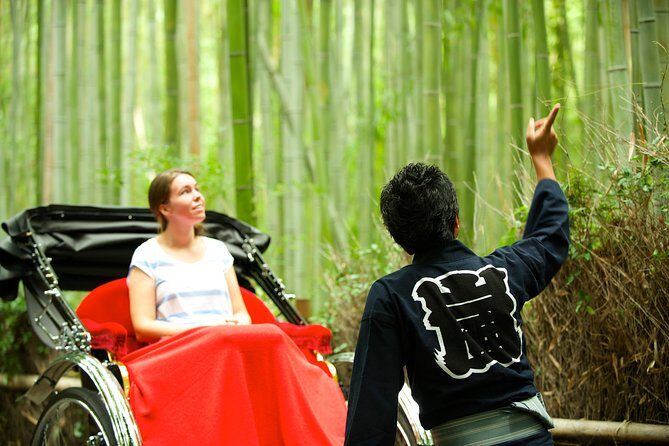
The rickshaw portion is built around Arashiyama’s signature scenery: you’ll ride through the bamboo forest and then stop for pictures along the way.
Here’s why this matters: good bamboo photos are partly about angles and partly about timing. A rickshaw guide can pick moments that avoid the worst bottlenecks, and they can coach you on where to stand for straight lines of bamboo and a clean background.
From the guide-focused reviews, it’s clear that many guides treat the photo stops like part of the job—not an afterthought. Guides such as Takumi and Atsu are singled out for friendly, informative guiding and strong English, plus photo-taking skills. That’s a big deal if you don’t speak much Japanese and you don’t want to play cameraman for everyone in your group.
Optional extra: there’s a chance to get off the rickshaw and walk inside a portion of the bamboo forest that rickshaws can’t access. This is specifically called out as optional, so you can choose based on your comfort level and how crowded the area feels. If you want more of the forest experience beyond the main corridor, say yes. If you’d rather conserve energy for the rest of the day, you can skip it and stay on the main route.
Otagi Nenbutsu-ji: the temple you’ll brag about because it’s so strange
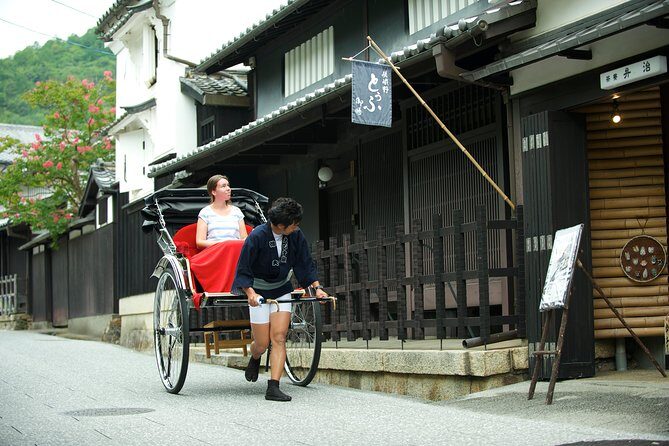
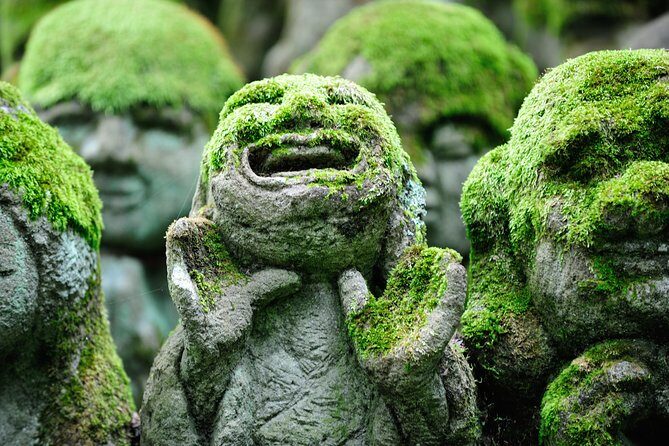
Next up is Otagi Nenbutsu-ji Temple, and the hook here is the figurines. You’ll enter and visit this temple, with a focus on its unique, handmade statues.
The admission fee for this stop is not included, so factor that in when you plan your day budget. Still, it’s worth it because the statues aren’t just decorative. They’re expressive and quirky in a way that makes the whole place memorable. This is the kind of temple stop that gives you something different from the usual Kyoto checklist.
Timing is also reasonable: this stop is listed at about 30 minutes. That’s long enough to wander, find a good view, and get photos, but not so long that you feel trapped if you’re tired from earlier walking.
Practical tip: wear something comfortable. Temple grounds can involve uneven terrain, and you don’t want your feet deciding your itinerary.
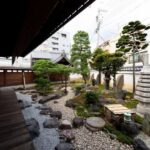
Straw-thatched haiku poet cottage, bamboo-shrine moments, and slow backstreet charm
After the temple, the tour shifts toward the quieter layers of Arashiyama.
You’ll see an old traditional cottage with a straw-thatched roof, described as the former home of one of Japan’s famous haiku poets. Even if you don’t know the specific name beforehand, this kind of site adds context: Arashiyama isn’t only scenery. It’s tied to literature, seasons, and the poetic habit of noticing small details.
Then you’ll pass a Shinto shrine nestled in the bamboo grove. This is where the bamboo theme turns spiritual. The vibe here tends to feel calmer than the main bamboo corridor, and it’s a good contrast point after the figurines and the busier temple areas.
From there, you’ll move through typical Arashiyama townhouses, neighborhoods, and side streets. This is one of those parts that sounds like generic walking—until you realize how many tourists skip side streets entirely. The point isn’t just walking; it’s noticing scale and everyday Kyoto life.
Finally, there’s a preserved district and an old pilgrim path lined with traditional wooden townhouses that you won’t find in downtown Kyoto as easily. This “outside the main route” feeling is where the tour often earns its rating. It’s not about chasing the most famous image; it’s about collecting atmosphere.
How the guide makes it work: stories, pacing, and bilingual ease
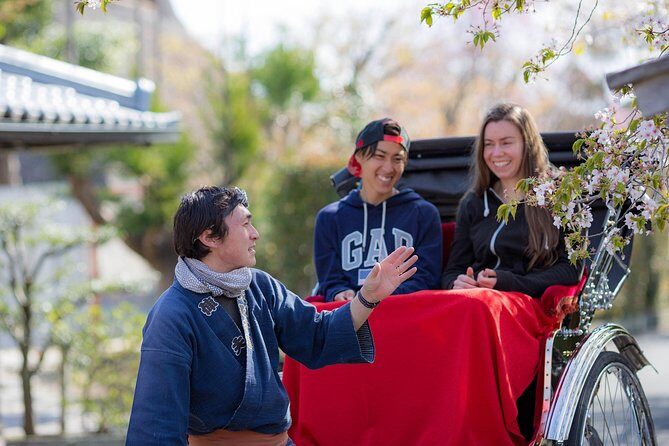
This tour leans hard on the guide. You get a knowledgeable local guide, and the language coverage is clear: English and Japanese fluent, with Chinese/Korean/Spanish conversational depending on availability.
In the reviews, several guides pop up by name: Takumi, Atsu, Yappo, Aki, Yuya, Yoshii, Shota, Syo, Hirasa, Keita, and Katsuki. What ties these mentions together is consistency around two things: they explain what you’re seeing, and they make the experience feel relaxed rather than rushed.
That matters in Kyoto. Without guidance, the city can turn into a series of “seen it” stamps. With a guide, you get the why: why the house is preserved, why that temple is different, and why those lanes feel older than the neighborhoods around them.
Also, there’s a practical advantage: the driver and guide reduce decision fatigue. You don’t need to figure out where to stand, how to time your photos, or how to move efficiently between stops. That’s the real service value in a private rickshaw format.
Time on the clock: about 3 hours 10 minutes, paced for photos and walking
The tour duration is about 3 hours 10 minutes. That’s a sweet spot for Arashiyama: long enough to hit the major sights and the quieter lanes, but not so long you feel like you’re living inside a timetable.
Because your stops include both indoor/outdoor sights and photo breaks, the structure helps you avoid the common Kyoto problem: you spend too long at the first big attraction and then get stuck hurrying through the rest. Here, the pacing is built around moving from one kind of experience to another—house → bamboo → temple → poetic countryside-style details → shrine and backstreets.
One more note: the tour includes walking up and down a slope. That doesn’t mean it’s a hiking ordeal, but it does mean you should plan your day accordingly. If you have later activities that require lots of walking, keep them lighter.
Price and value: what $228.62 really buys you
At $228.62 per person, this isn’t a budget activity. But it also isn’t just a “sit in a chair” gimmick.
For that price, you’re paying for:
- a private rickshaw, so your group isn’t sharing seats or pacing
- a guide with context, not just directions
- photo stops handled as part of the experience
- multiple distinct stops across Arashiyama, not one long scenic ride
- multilingual support, with English/Japanese fluent
This becomes especially good value if you’re comparing it to the cost of piecing together transport plus guided interpretation plus time-consuming route planning. Kyoto is easy to overcomplicate. A well-timed private tour can actually save you money in the form of time and stress.
That said, if you’re traveling solo on a shoestring, or if you already know you’ll enjoy Kyoto just fine with transit and self-guided wandering, you might feel the price. In that case, you’d be choosing comfort and guidance over raw budget.
For couples and small groups who want a smooth, photogenic Arashiyama day, the private factor is where the money tends to feel justified.
Who should book this Kyoto Sagano rickshaw-and-walk tour?
I’d point you toward this tour if:
- you want Arashiyama’s bamboo scenery but don’t want to fight the crowds
- you like guided context for temples and preserved neighborhoods
- you care about photos and want help getting good shots
- you prefer a private experience instead of matching group schedules
I’d consider skipping it if:
- slopes and walking tire you quickly
- you’d rather do Kyoto entirely on your own pace and budget
- you’re only interested in one stop, not multiple sights and backstreet atmosphere
Should you book the Kyoto Sagano Insider rickshaw and walking tour?
If your goal is to experience Arashiyama instead of just passing through it, I think this is a strong choice. The tour’s biggest strength is the balance: fast bamboo access by rickshaw, then slow, interesting walking through machiya-style Kyoto, figurine temple weirdness, and preserved lanes with old-town texture.
Yes, it costs more than a self-guided plan. But you’re paying for a private ride, guided context, and built-in photo strategy, plus the optional chance to step into parts of the bamboo forest the rickshaw can’t reach. For most people going to Kyoto for the first time—or anyone who wants Arashiyama done well in a few hours—this hits the sweet spot.
FAQ
Where is the meeting point for the tour?
The tour meets at 1-1 Sagatenryūji Susukinobabachō, Ukyo Ward, Kyoto, 616-8385, Japan.
How long is the tour?
The duration is approximately 3 hours 10 minutes.
Is this a private tour?
Yes. It’s described as private, meaning only your group participates.
Is the rickshaw shared with other people?
No. The tour is set up so you do not need to share the rickshaw.
Are temple and garden admission fees included?
No. Admission fees to temples and gardens are not included.
Does the tour include hotel pickup?
No. Hotel pickup is not included.
What languages are offered by the guide?
English and Japanese speaking guides are fluent. Chinese, Korean, or Spanish conversational guides are available based on availability.
Can I walk in parts of the bamboo forest that rickshaws cannot access?
Yes, it’s optional to get off the rickshaw and walk in a part of the bamboo forest that is inaccessible by rickshaw. You should let the provider know.
Is the bamboo forest rickshaw ride and walking easy for most people?
Most travelers can participate, but the tour includes walking up and down a slope.
What about kids and seating on the rickshaw?
Children age 6 and older require a seat and pay the same price as adults. Children 5 and under can ride for free if they sit on an adult’s lap (max two adults and two children per rickshaw).
Is cancellation free?
Yes. You can cancel up to 24 hours in advance for a full refund.