REVIEW · TOKYO
Real Tokyo Runner Club : Daikoku Car Meet Night Tour with JDM Car
Book on Viator →Operated by Tokyo JDM experience · Bookable on Viator
Daikoku Parking Area is where Tokyo’s car obsession comes alive, and this night tour turns that chaos into a guided, photo-friendly plan. I love the fact that you go with a local guide who understands the scene, so the experience feels more like getting shown around than just arriving and guessing. The star is clearly Daikoku Parking Area, the famous meeting spot where modified cars gather under the lights.
You’ll also get a smooth, comfortable van ride plus night highway views that add fun even before you reach the meet. One thing to factor in: this tour does not include getting a ride in specific cars like an R34, S14, Impreza, 350Z, or a Civic—there’s a VIP course if that’s your goal.
In This Review
- Key points to know before you go
- Daikoku after dark: why this parking lot draws JDM fans
- What you’re paying for: the value behind the $158 price
- Marunouchi pickup to Daikoku: the highway drive plan (and why it’s not filler)
- Arriving at Daikoku Parking Area: what the night setup feels like
- The car lineup you can realistically expect
- Guides make it: Sunny, Daiki, Aki, Taro, and more
- What to do about food: convenience store, not a dinner plan
- Logistics that affect your comfort: timing, group size, and pickup/end points
- Who this tour is best for (and who may not love it)
- Tips to make your night smoother (so you actually enjoy it)
- Should you book the Real Tokyo Runner Club Daikoku night tour?
- FAQ
- How long is the Daikoku Car Meet Night Tour?
- Where do I meet the tour?
- How much does the tour cost?
- What’s included in the price?
- Is there an admission ticket fee for Daikoku?
- Is dinner included?
- Do I get to ride in specific cars like an R34 or S14?
- How big is the group?
- Is free cancellation available?
Key points to know before you go
- Daikoku after dark: You’re heading to Japan’s most famous car meet-up spot at night.
- A real local guide: People like Sunny, Daiki, Aki, and Taro are cited for making the experience click.
- Time on-site matters: With about 80 minutes total in the van, you get substantial time at the meet.
- Highway sightseeing included: Tokyo Tower passes by on the drive, plus a bridge view if lights are on.
- Admission ticket is free: You’re not paying a separate entry fee just to see the meet.
- No guaranteed car-rides in base tour: The van is the transportation; car-specific rides require VIP.
Daikoku after dark: why this parking lot draws JDM fans
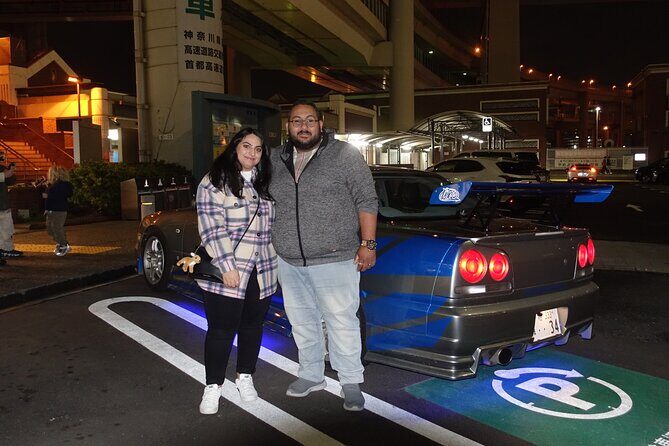
Daikoku Parking Area is the kind of place that feels like a magnet. One minute you’re in normal Tokyo traffic rhythms; the next, you’re surrounded by cars that look built for a video shoot—wide bodies, loud stances, aftermarket lights, and the kind of paintwork you usually only see on Instagram.
What makes this tour worth your time is that you’re not just showing up as a random person with a camera. You’re going with a guide who knows the scene, so you understand what you’re looking at and how the night typically flows. That matters at Daikoku, because the best photos and the best conversations happen when you’re in the right place at the right time.
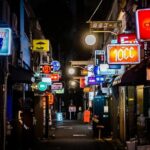
The vibe is also very Tokyo-at-night: city glow, street-level energy, and lots of modified machines under practical lights rather than studio lighting. It’s not a theme park. It’s real car culture happening in real conditions—on a busy urban highway spine.
You can also read our reviews of more evening experiences in Tokyo

What you’re paying for: the value behind the $158 price
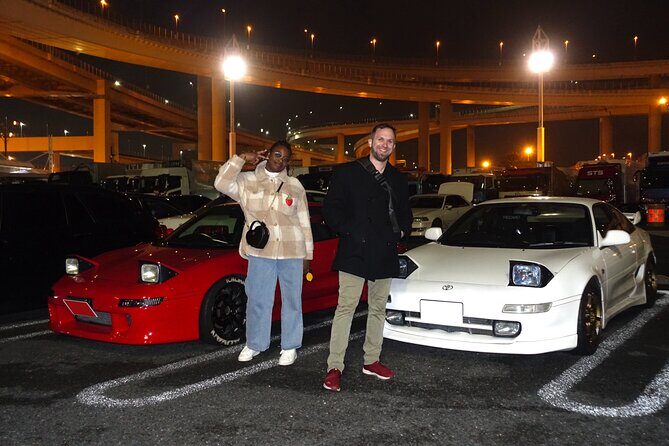
At about $158.13 per person for roughly 3 hours, this tour isn’t priced like a cheap bus ride. It’s a paid experience built around one big goal: getting you to the Daikoku meet at night with local context and comfortable transport.
Here’s the value that makes sense on paper:
- Air-conditioned vehicle gets you there without dealing with late-night navigation.
- All fees and taxes are included, so you aren’t surprised at check-in.
- Admission ticket is free, which helps keep your out-of-pocket costs controlled.
- Small group size with a maximum of 30 people keeps it from turning into a chaotic cattle-move.
I also like that they offer mobile tickets. In Tokyo, that saves time and reduces the hassle when you’re already juggling trains, signage, and meeting points.
Is $158 “cheap”? No. But for a night experience where the main activity is basically a single-location event, you’re paying for the guide, the ride, and the timing. If you’re a car person—or even a curious non-car person with a strong interest in street culture—this format usually feels like money well spent.
Marunouchi pickup to Daikoku: the highway drive plan (and why it’s not filler)
The trip starts at STAND TJapan in Marunouchi. From there, you head out into Tokyo traffic and onto highways. The drive to Daikoku Parking Area takes at least 40 minutes, and because you’ll be returning the same way, you should plan on about 80 minutes in the van total.
That might sound like travel time, but it’s part of the fun. You’re not stuck on a dead straight road waiting for your destination. The route includes:
- A pass by Tokyo Tower using the highway route that’s known in street-racing circles.
- A pass over a lit bridge if conditions line up, which can give you a really nice view on the way.
More importantly, the guide uses the ride time to get you oriented. You’ll learn how the Japanese car scene works and hear interesting stories while you’re in transit. That’s a smart way to spend the first half-hour, because once you reach Daikoku, you’ll recognize more than just brands and model names—you’ll start understanding why people modify the way they do.
Arriving at Daikoku Parking Area: what the night setup feels like
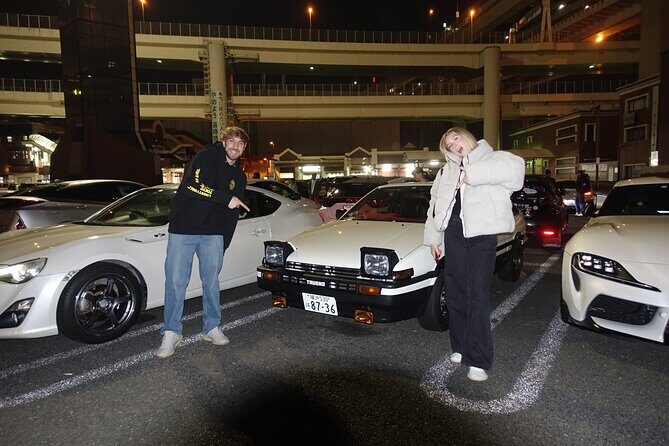
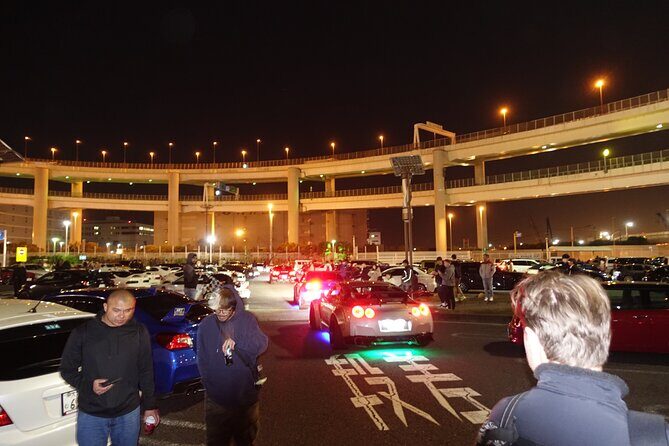
Once you get to Daikoku, the atmosphere does a fast switch. This is where the cars become the main event. You’re there to see rare JDM and modified vehicles up close, and the setting is built for viewing—plus the lighting helps you take photos without needing to guess the best angle from a dark parking corner.
You should expect a lot going on at once: different builds in different styles, owners talking, people pointing, and a steady rhythm of arrivals and slow roll-ins. If you’re used to car shows where everything is lined up and staged, Daikoku feels looser and more organic. That’s the point.
Timing is also key. This tour is about 3 hours total, and with around 80 minutes spent driving, that leaves roughly the rest for the meet itself. In plain terms: you’ll have time to walk around, look closely, and take photos without feeling like you’re stuck for hours in the same spot.
Also, your tour includes the important part that’s hard to do alone: someone local helps you understand what you’re seeing, so you don’t end up staring at cars while missing the cultural context behind them.
The car lineup you can realistically expect
Daikoku is famous for a reason, but there’s one reality check worth making: you can’t control every car that shows up on a random night.
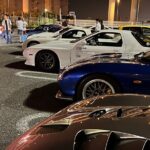
What you can count on is variety. People cite seeing everything from Nissan and Subaru legacies to performance coupes and luxury touches. One description includes:
- A Veilside RX-7
- An LBWK R35
- Multiple R34 GTRs and other Skyline variations
- Evos
- Even cars that sit more on the luxury side of the spectrum
That variety is exactly why the guide component matters. When you know what a build is aiming for—stance, aerodynamics, wheels, lighting choices—you get more out of the same car sitting in the same spot.
One more thing: base tour expectations should stay grounded. The tour is about seeing and photographing modified cars. It is not included that you get to ride in specific cool cars like an R34, S14, Impreza, 350Z, or Civic. If you want that type of ride experience, you’ll need the VIP course.
So the smart approach is: come for the meet, come for the culture, and treat any special car ride as an optional upgrade, not the default plan.






Guides make it: Sunny, Daiki, Aki, Taro, and more
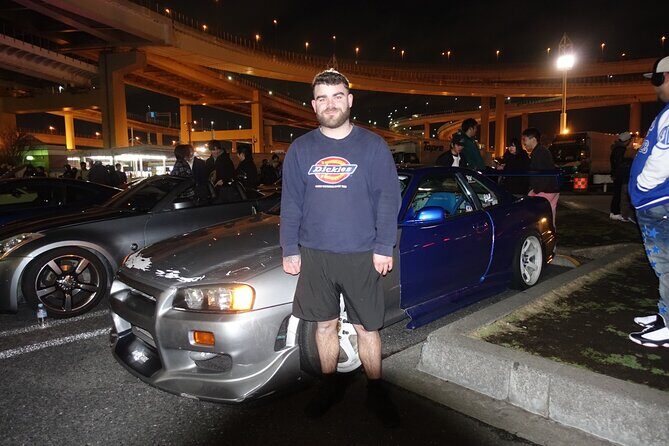
The biggest theme in how people describe this tour is simple: the guides help the night land well.
Names that come up include:
- Sunny, praised for making the experience great and keeping energy high
- Daiki, called excellent and helpful for getting to see lots of cool cars
- Aki, described as kind and funny, turning the whole thing into a memorable night
- Taro, highlighted for taking special care and helping the event run smoothly
- 森本大心, mentioned in connection with driving guests directly to Daikoku in a Polo GTi and making the whole flow feel special
Even if you don’t care about the guide’s personality, their job matters. Daikoku is not a museum with staff pointing at placards. It’s a meeting place with people, movement, and a culture that has its own rules of respect. A good guide helps you feel comfortable, know what to look for, and keep your night from becoming awkward or aimless.
You also benefit from that “car scene translator” effect. You hear the why behind certain modifications and you start connecting the dots between Japanese tuning culture and what you’re actually seeing under the lights.
What to do about food: convenience store, not a dinner plan
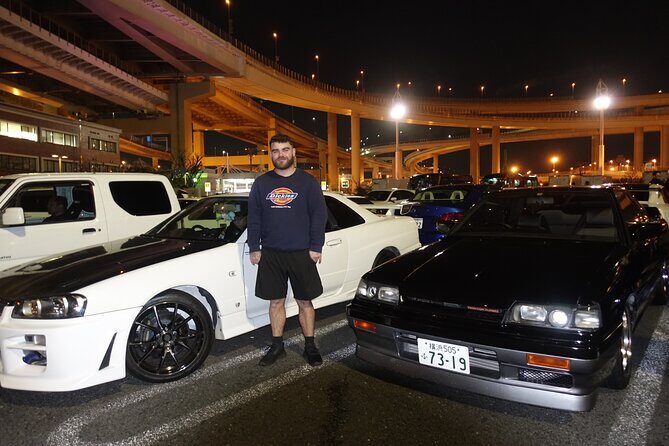
This isn’t a dinner tour. No food is provided, but you can buy food at a convenience store at Daikoku PA.
That detail matters for your evening pacing. If you’re sensitive to waiting without snacks, plan to eat before you start the tour or budget a quick convenience stop once you arrive. It’s also a good idea to bring water if you tend to get thirsty walking around.
Logistics that affect your comfort: timing, group size, and pickup/end points
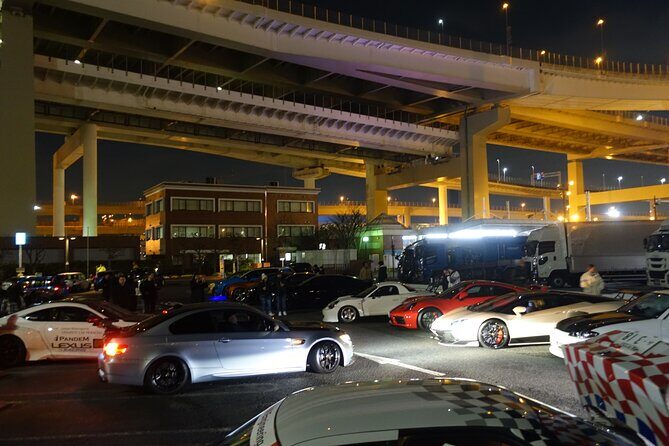
A few practical points keep this tour smooth:
- Duration: about 3 hours.
- Group size: maximum 30 travelers, which usually keeps the van and on-site experience manageable.
- Start point: STAND TJapan in Marunouchi (Chiyoda City).
- End point: Shinbashi Station North Gate, which is a convenient place to continue your Tokyo night plans.
Also, the vehicle is air-conditioned, which helps if you’re touring in warmer months. And since it’s near public transportation, you’re not stuck if your arrival timing is slightly off.
If you’re traveling with a service animal, that’s allowed too.
Who this tour is best for (and who may not love it)
This is ideal if you’re any of these:
- A car fan who wants to see JDM builds up close without doing it alone
- A street-culture fan who likes the social side of subcultures
- A photographer who wants a real-night scene with good lighting and lots of subjects
It’s less ideal if you mainly want a structured, indoor museum-style experience. Daikoku is chaotic and human-heavy. The payoff is in watching real people and real cars interacting in a public space.
It’s also not the right pick if you specifically want to ride in a particular iconic car as part of the base price. If that’s your priority, you’ll want to look at the VIP course option.
Tips to make your night smoother (so you actually enjoy it)
You’ll get the most out of the experience if you go in ready:
- Dress for the night and walking. You’ll be on your feet looking at cars.
- Bring a power bank if you’re photographing a lot.
- Have a realistic photo plan. You’ll see plenty of cars, but the best shots come from angles and timing, not just standing still.
- If you care about car rides, research VIP first. Base tour is about seeing and photographing, not being a passenger in a specific tuner machine.
And mentally, go in with the right mindset. Daikoku is not about perfection. It’s about presence. That’s why people love it so much.
Should you book the Real Tokyo Runner Club Daikoku night tour?
I think you should book this tour if you want a guided shot at Tokyo’s most famous car meetup at night, with transport handled and a local guide who can explain what you’re seeing. The value is strongest if you don’t want to spend your night figuring out timing and where to stand, and if you’re excited by the idea of JDM cars under real Tokyo lights.
Skip it (or consider VIP carefully) if your main goal is riding in a specific famous car. The base experience does not include rides in cars like an R34, S14, Impreza, 350Z, or Civic. Also, remember that there’s no dinner—so plan your food timing.
If you’re a car person, this is the kind of night that sticks.
FAQ
How long is the Daikoku Car Meet Night Tour?
The tour is about 3 hours (approx.).
Where do I meet the tour?
You start at STAND TJapan in Marunouchi (Chiyoda City) and end at Shinbashi Station North Gate in Minato City.
How much does the tour cost?
The price is $158.13 per person.
What’s included in the price?
It includes an air-conditioned vehicle and all fees and taxes.
Is there an admission ticket fee for Daikoku?
The admission ticket is listed as free.
Is dinner included?
No. You don’t get provided food, but you can buy food at a convenience store at Daikoku PA.
Do I get to ride in specific cars like an R34 or S14?
Not on the standard tour. Riding in specific cars is not included, and a VIP course is available for car-ride options.
How big is the group?
The maximum group size is 30 travelers.
Is free cancellation available?
Yes. You can cancel up to 24 hours in advance for a full refund.