REVIEW · TOKYO
Sumida Riverside Walk: Garden &Temple Ritual (4 Meeting Points)
Book on Viator →Operated by Escape the busy streets and refresh your mind · Bookable on Viator
Tokyo slows down by the Sumida River. This Sumida River Walk tour is a break from the usual Tokyo rush, mixing riverside scenery with two spots tied to Japanese garden and temple tradition. You’ll get that rare feeling of being in the city, yet not feeling like the city.
I love the way the walk strings together recognizable history and calm views, from a historic iron bridge to the over-100-year-old Kiyosumi Garden area you pass along the way. It’s not a checklist; it feels like a gentle reorientation to Tokyo.
One possible drawback: this is early and calm by design, starting at 8:30 am. If you want big, loud attractions all day, this one may feel too quiet for your taste.
In This Review
- Key things I’d circle before you go
- Meeting at Fukagawa Fudōson: the calm start that sets the tone
- Sumida River Walk: historic bridge views and the gentle rhythm of 35 minutes
- Fukagawa Fudōson: understanding spirituality that shows up in daily life
- Kiyosumi Teien: stones, water, and the art of a slow 40 minutes
- Why the guide matters (and what the price covers)
- How to plan your morning around this 3-hour loop
- Who this tour is best for (and who should skip it)
- Should you book the Sumida Riverside Walk and Garden–Temple ritual?
- FAQ
- How long is the Sumida Riverside Walk tour?
- What time does the tour start?
- Where does the tour begin and end?
- Which station is near the meeting point?
- Is there an admission fee for all stops?
- How large is the group?
Key things I’d circle before you go

- Small group pace (max 6 people), so questions actually get answered.
- Sumida riverside walking route, including a historic iron bridge and views toward Kiyosumi Garden.
- Fukagawa Fudōson focus on everyday spirituality, with time for quiet temple moments like omikuji.
- Kiyosumi Teien included entry, with a garden experience built around stones, water, and silence.
- Mobile ticket and an easy meeting point near Monzen-Nakachō Station (about a 4-minute walk).
- Guides named Hiro / Hiroyuki in reviews, with detailed explanations and at least one note about an optional extra museum detour.
Meeting at Fukagawa Fudōson: the calm start that sets the tone

You meet at Fukagawa Fudōson (the Naritasan Tokyo branch temple) at 1-chōme-17-13 Tomioka in Koto City. The address is the key here, because the experience begins by getting your bearings in a neighborhood that feels more “Tokyo life” than “tourist corridor.” It’s also convenient that the end point is the same as the start point, so you’re not hunting down a different station after the walk.
Starting around 8:30 am matters more than you might think. Morning gives you softer light for the river and usually a calmer atmosphere at the places that are often busy later. This tour is built around quiet observation, so arriving ready to slow down pays off.
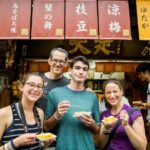
If you like tours where the guide actually talks through what you’re seeing, this is the right setup. Reviews mention a guide named Hiroyuki / Hiro who explains things in detail, and that style fits perfectly with a temple-and-garden day where the meaning is in the small stuff.
You can also read our reviews of more walking tours in Tokyo
Sumida River Walk: historic bridge views and the gentle rhythm of 35 minutes

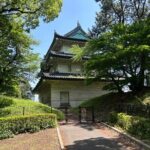
The first stop is a Sumida River walk for about 35 minutes. You’ll be walking along the river and passing three anchor points: a historic iron bridge, the area associated with over-100-year-old Kiyosumi Garden, and Fukagawa Fudōson Temple.
Here’s why that opening segment is valuable: it gets you “reading” the city. A river in Tokyo is not just scenery. It’s a built-in route that shapes how neighborhoods grew, how people moved, and how nature shows up even in a dense metropolis. The iron bridge is your visual shortcut to that layered history, and the garden you pass helps you mentally switch from street-level Tokyo to the more intentional world of Japanese garden design later.
Is there any drawback? It’s still a walk, so it’s not for you if you only want to sit and be driven between stops. On the other hand, because it’s only about 35 minutes, you can keep your energy for the temple explanation and the garden time afterward.
Practical tip: start this part with an unhurried mindset. You’ll enjoy it more if you let your eyes wander—especially toward the bridge and the directional cues toward Kiyosumi Garden—rather than trying to photograph everything at once.
Fukagawa Fudōson: understanding spirituality that shows up in daily life
After the river segment, you shift into the temple experience at Fukagawa Fudōson. This is about 1 hour, and the key theme is right in the description: how Japanese people express spirituality through everyday actions, sacred spaces, and quiet traditions like omikuji.
The way I’d think about this stop is simple: it’s not about flashy performance. It’s about noticing how beliefs live alongside normal routines. At temples like this, you’re often looking at the same pattern repeated in different forms—space designed for reverence, small practices done by ordinary people, and rituals that don’t require you to understand every detail to feel the tone.
You also get an explanation-led visit, which is where a guided tour earns its keep. Reviews highlight that Hiroyuki is friendly and explains things in detail, and that matters here because omikuji and temple customs can feel confusing if you’re just wandering without context. With a guide, you can ask questions and avoid the common problem of standing there thinking, I know this is important, but I don’t know what I’m seeing.
One extra note from reviews: someone specifically mentioned enjoying a fire ritual moment. That kind of event can add an extra layer of interest, but it’s also the type of thing that may depend on timing and temple activity. Either way, the main value of the stop is the calm explanation of how daily faith connects to place.
If you’re short on time in Tokyo and want one genuinely different kind of experience—something quiet, thoughtful, and local—this 1-hour temple segment is the heart of the tour.
Kiyosumi Teien: stones, water, and the art of a slow 40 minutes

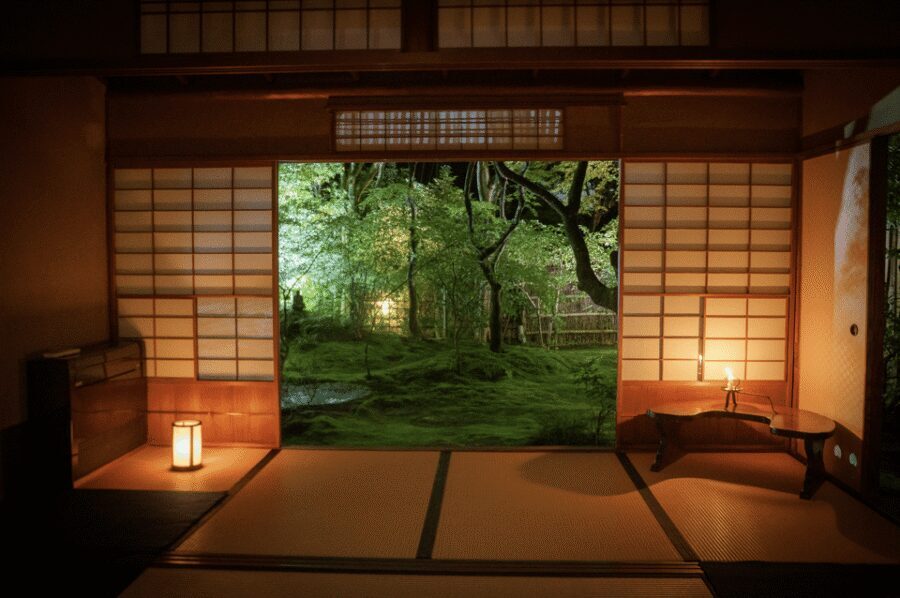
Next you go to Kiyosumi Teien for about 40 minutes, and this is the part where the tour becomes a breath of air. The garden time comes with admission included, which is a straightforward value win. But the real reason people like this stop is how it feels: a peaceful world shaped by stones, water, and silence.
Japanese garden design is often built on balance—what you see directly, what you see only in partial views, and how the garden encourages you to move at a steady pace. Even if you don’t know garden theory, you can sense the intention. The tour frames it around harmony, balance, and respect for nature, and those ideas make it easier to understand what you’re looking at beyond pretty scenery.
Here’s the practical reality: 40 minutes can feel short if you’re the kind of person who could sit and stare at water for a long time. But it’s also long enough for the guide to point out how to read the garden—how stones and water create structure, and how the best moments often come from slowing down rather than rushing.
The drawback is also obvious: if your idea of Tokyo is constant motion and high-energy sights, this part will ask you to settle into a slower mode. That’s not a fault; it’s the product.
Tip: use the garden time to take in one “scene” at a time. Don’t try to remember every bridge, pond edge, or path bend. Pick a few moments, let your eyes adjust, and ask the guide what you’re looking at when something feels especially meaningful.
Why the guide matters (and what the price covers)

This tour costs $48.86 per person for about 3 hours, with a mobile ticket. That price sits in the “worth it if you want meaning, not just motion” zone.
You’re paying for three things:
- Interpretation: someone helps you understand what temples and gardens are doing and why they matter.
- Time efficiency: the tour gives you the sequence so you’re not trying to connect two distant experiences on your own.
- Access to a calmer pace: small group size helps keep the visit from turning into a stampede.
The group size is capped at 6 travelers, which is a big deal for a tour like this. Small groups are quieter, and the guide can respond to your questions without rushing you along. Reviews back this up with comments about detailed explanations and a comfortable, well-taken-care-of feel.
Also, you may get little extras. One review specifically noted that the guide took them to an extra museum. The itinerary doesn’t promise a named detour, so don’t count on it like a guarantee, but it does suggest the guide may adjust things when it makes sense.
So is the cost justified? I’d say yes if you want to understand what you’re seeing at Fukagawa Fudōson and Kiyosumi Teien, not just stand in the presence of beautiful things. If you’re the type who reads signs and wanders freely, you might feel it’s optional. But if your time is limited and you want depth fast, the guiding piece is the value.






How to plan your morning around this 3-hour loop

This experience runs about 3 hours. It starts at 8:30 am and ends at Fukagawa Fudōson again. That timing is useful because it leaves you with the rest of the day to explore Tokyo at your own pace, without losing your whole schedule to one guided block.
Plan your outfit around walking and temple/garden etiquette. Wear comfortable shoes since the experience is walking plus two different kinds of places. Also remember that gardens and temples work best when you can slow down—so choose clothes that let you move calmly, not clothes that make you rush.
Because the meeting point is near public transportation (about a 4-minute walk from Monzen-Nakachō Station), you can build an easy day. Arrive a bit early so you can check your phone ticket and take a quick look around before the walk starts.
And don’t schedule something complicated right after the tour. You’ll want a little buffer for a snack or a short rest. The whole point of this loop is to leave you with a calm, meaningful impression, not to immediately throw you back into full-speed tourism.
Who this tour is best for (and who should skip it)

This is a great fit if:
- You’re tired of only seeing Tokyo’s headline sights and want a quieter side of the city.
- You like explanations that turn everyday practices into something you actually understand.
- You enjoy Japanese garden design and want time to feel the atmosphere, not just take photos.
- You want a small-group morning with space to ask questions.
You might want to skip if:
- You prefer late starts and don’t want a calm, early tempo.
- You’re looking for nonstop entertainment or big modern set pieces.
- You don’t care about temple customs and garden design and would rather do those experiences independently.
Should you book the Sumida Riverside Walk and Garden–Temple ritual?

If you’re spending a few days in Tokyo and you want one morning that feels quieter, more local, and more meaningful, I think this tour is a strong choice. The value comes from how well the experience connects three parts into a single mood: river walk, temple spirituality, and garden calm.
Book it if you enjoy guided context and you want to leave knowing what omikuji and temple rituals are doing in daily Japanese life, not just where to stand and look. If you’re only chasing the loudest sights or you hate early mornings, you may be happier planning a DIY garden-temple day later.
FAQ
How long is the Sumida Riverside Walk tour?
It’s about 3 hours (approx.).
What time does the tour start?
The start time is 8:30 am.
Where does the tour begin and end?
It starts and ends at Fukagawa Fudōson (Naritasan Tokyo branch temple), 1-chōme-17-13 Tomioka, Koto City, Tokyo 135-0047, Japan.
Which station is near the meeting point?
It’s about a 4-minute walk from Monzen-Nakachō Station.
Is there an admission fee for all stops?
The river walk (Stop 1) and the temple visit portion (Stop 2) are listed as free. Admission to Kiyosumi Teien (Stop 3) is included.
How large is the group?
The maximum group size is 6 travelers.