REVIEW · TOKYO
Tokyo: 1-Day Tokyo Private Tailor-made Tour
Book on GetYourGuide →Operated by Hitrip · Bookable on GetYourGuide
Tokyo can feel like a maze.
This private tour turns that chaos into a simple plan: a 100% tailor-made day built around what you want to see, with smart public-train routing to keep you moving. I especially liked how the guide handles stations and transfers like it’s second nature, and how the itinerary adapts when you share your preferences for shopping, shrines, temples, and food. One consideration: you pay your own train fares and any entrance fees that come up.
You also get the kind of support that matters when your time is limited. Hotel pickup and drop-off are included, and the default start is 9:00 AM from places in Tokyo’s 23 wards, with a finish around 6:00 PM (or earlier if you ask). If you enjoy old-meets-new neighborhoods, the ending in Kagurazaka is a nice palate cleanser before you head back.
The default route hits the headline stops—Asakusa, Imperial Palace area, Ginza, Meiji Jingu, Shibuya, and Kagurazaka—so you’re not guessing all day. The tradeoff is that you’ll still want comfortable shoes, because even with great logistics, Tokyo walks well and you should too.
In This Review
- Key highlights worth knowing
- A Private, Tailor-Made Tokyo Day That Actually Fits Your Mood
- Hotel Pickup, Public Trains, and a Route That Keeps You From Waiting
- Asakusa First: Sensoji, a Market-Style Food Stop, and Skytree Area Energy
- Imperial Palace Area and Ginza: Classic Tokyo Meets High-End Streets
- Meiji Jingu to Shibuya: Shrine Calm, Then the Power of the Crossing
- Kagurazaka: The Kyoto-Like Finish That Feels More Human
- The Guide Makes the Day: Why Hito and Azu Get Mentioned
- Price and Value: What You’re Paying for at $330 Per Person
- Small Things to Bring (and Why They Matter)
- Who Should Book This Private Tokyo Tour?
- Should You Book This Tokyo Tailor-Made Private Tour?
- FAQ
- How long is the Tokyo private tailor-made tour?
- What does the tour price include?
- What language are the guides?
- What areas are usually included on the default itinerary?
- Where do pickup and drop-off happen?
- Can the tour be shortened?
Key highlights worth knowing
- A truly tailor-made itinerary you build before you go, with a popular default if you prefer
- Public-train navigation that helps you avoid Tokyo traffic slowdowns
- English (and French) guides who connect sites with culture, history, and practical tips
- A big-sights route in 6 hours: Asakusa → Imperial area → Ginza → Meiji Jingu → Shibuya
- Kagurazaka at the end for a Kyoto-like old-street vibe
- Early cutoff on request so you can shorten the day until 4:00 PM
A Private, Tailor-Made Tokyo Day That Actually Fits Your Mood
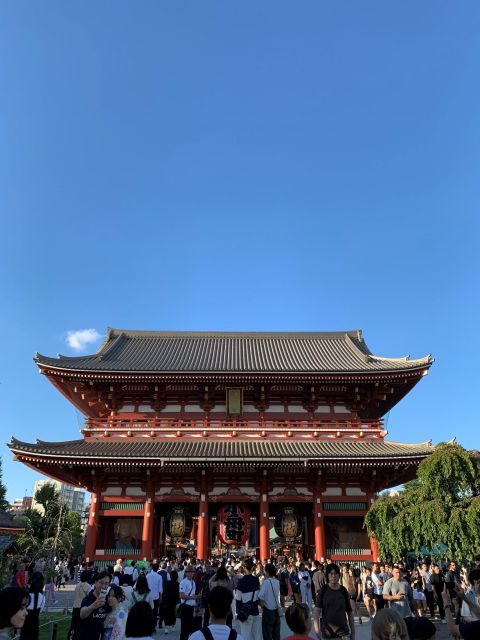
The best part of this experience is the way it’s built around you, not around a fixed script. Before the tour, you can work with the guide on your itinerary. If you don’t want to think too hard, there’s also a default plan that covers the classic, famous sights many first-timers want. Either way, the point is the same: you get a day with structure when you need it and flexibility when you don’t.
In practice, this matters because Tokyo isn’t just one city—it’s a patchwork of neighborhoods with different rhythms. The tour makes you travel between those rhythms without turning your day into a logistics project. You still walk, look, and decide at the moment, but you’re not stuck figuring out where to go next, how long it takes, or how to get there efficiently.
Another thing I’d call out: the guides don’t just point. They explain. You’ll get cultural stories, histories, and features of Tokyo and Japan during the day, which helps the sights land harder than a quick photo-and-move. And if your interests lean toward food, shopping, or specific shrine-temple vibes, the guide can shift the day accordingly.
You can also read our reviews of more private tours in Tokyo


Hotel Pickup, Public Trains, and a Route That Keeps You From Waiting
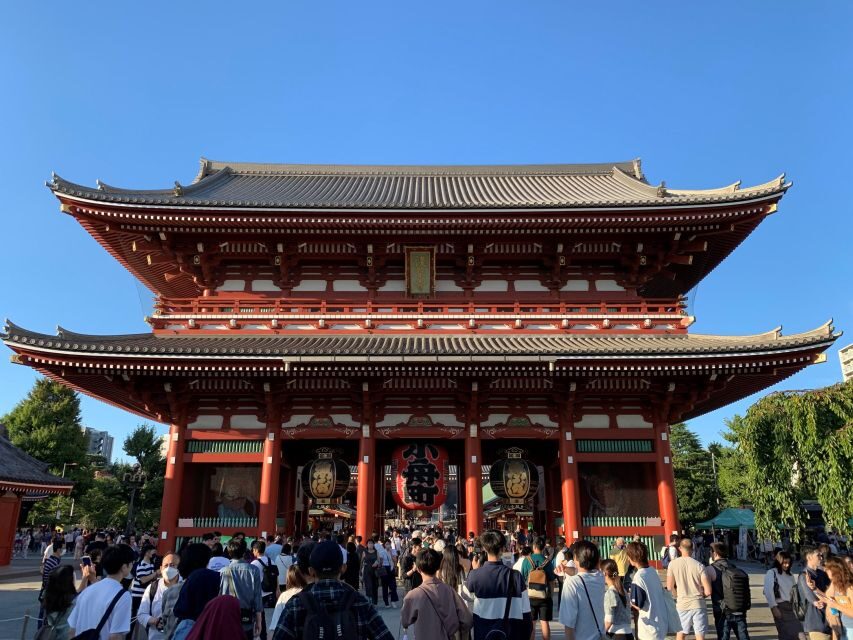
This is a private group tour with hotel pickup and drop-off included. The default plan starts at 9:00 AM, and pickup is available from accommodations within Tokyo’s 23 wards. Your tour usually ends around 6:00 PM, but you can ask to shorten it until 4:00 PM.
The transport approach is practical: you travel mainly by public train to avoid traffic. That’s not just a convenience trick. In Tokyo, trains often beat cars for speed and predictability, and you get a clearer sense of the city’s geography while you move.
One important budget note: transportation fees are not included for you, and entrance fees are also not included if a stop requires them (for both you and the guide). In plain terms, you’re paying for the guide and the logistics of routing and timing, not for every ticket and fare.
You’re still in charge of your own pace inside the plan. That means if you want extra time for a shrine area, a view, or a snack break, you can usually do it—so long as your guide keeps the rest of the route realistic.
Asakusa First: Sensoji, a Market-Style Food Stop, and Skytree Area Energy
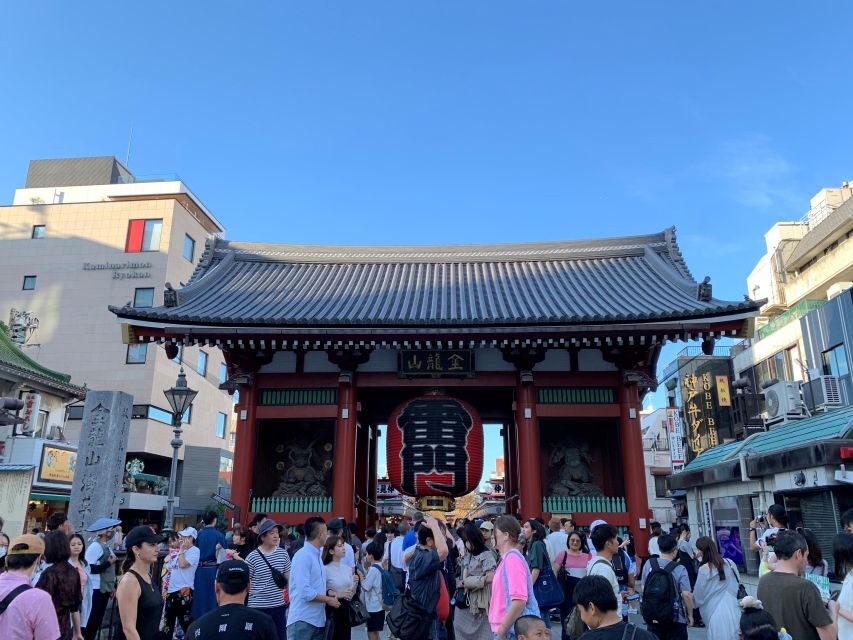
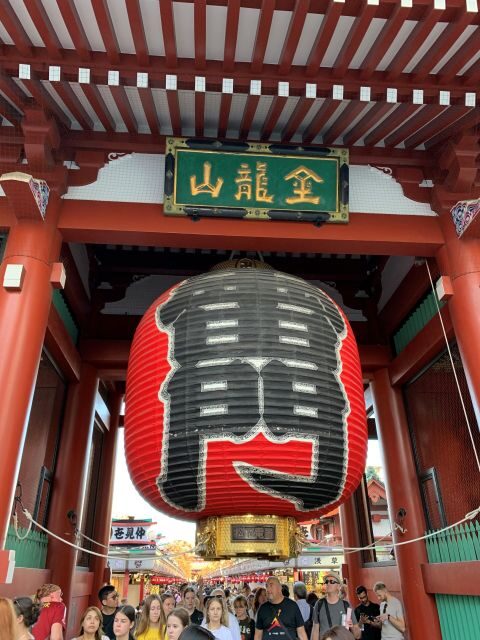
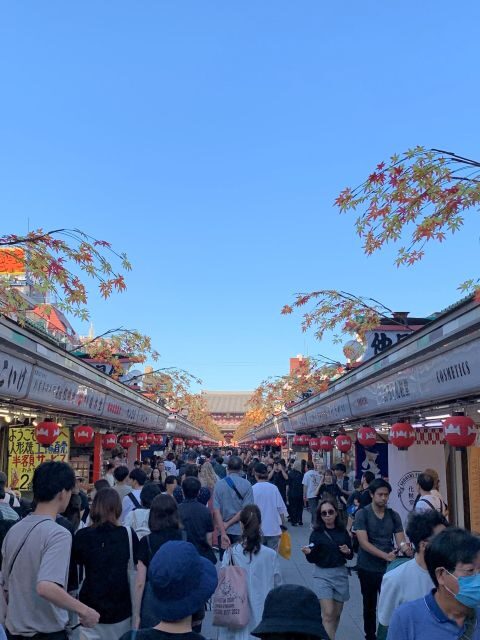
The default day begins in the Asakusa district. This is one of those Tokyo places where old-style charm and everyday street life share the same sidewalk. Your early stops typically include the Tsukuji Market area, Sensoji Temple, and time around the Tokyo Skytree area.
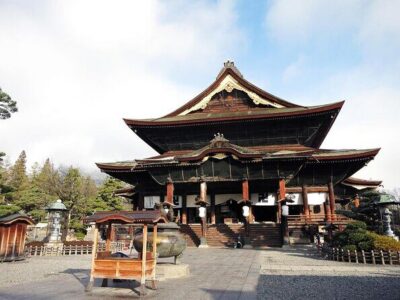
Sensoji is the big emotional anchor of Asakusa. Even if you’ve seen temple photos before, being there changes the experience. The crowds are part of the atmosphere, but the guide’s job is to help you move efficiently and understand what you’re seeing. You’ll spend time in the area and can choose how long to linger, which is perfect if your travel style is slow and curious rather than rushed.
The market-style stop matters too. Tokyo’s food culture is easier to appreciate when you see it in context—what people actually buy, how snacks and street food fit into a normal day, and how visitors and locals blend together. If you’re the type who likes tasting rather than sightseeing only, you’ll probably love this part.
Skytree fits the theme shift from old to modern. Even if you don’t go inside, the surrounding area brings a different energy—taller buildings, bigger scale, and that skyline feeling that screams Tokyo.
Practical tip for you: Asakusa mornings can be busy. Wear comfortable shoes so you can keep moving without thinking about your feet.
Imperial Palace Area and Ginza: Classic Tokyo Meets High-End Streets
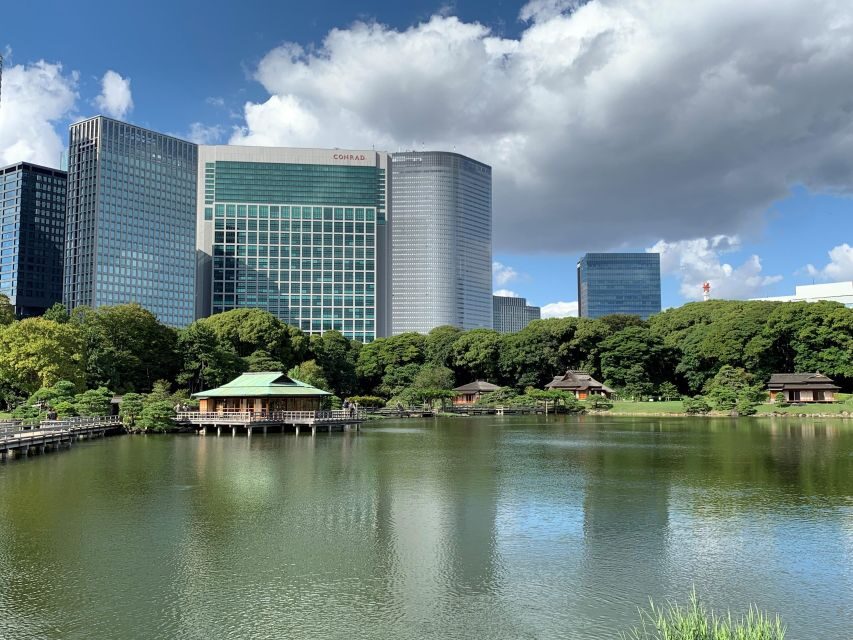
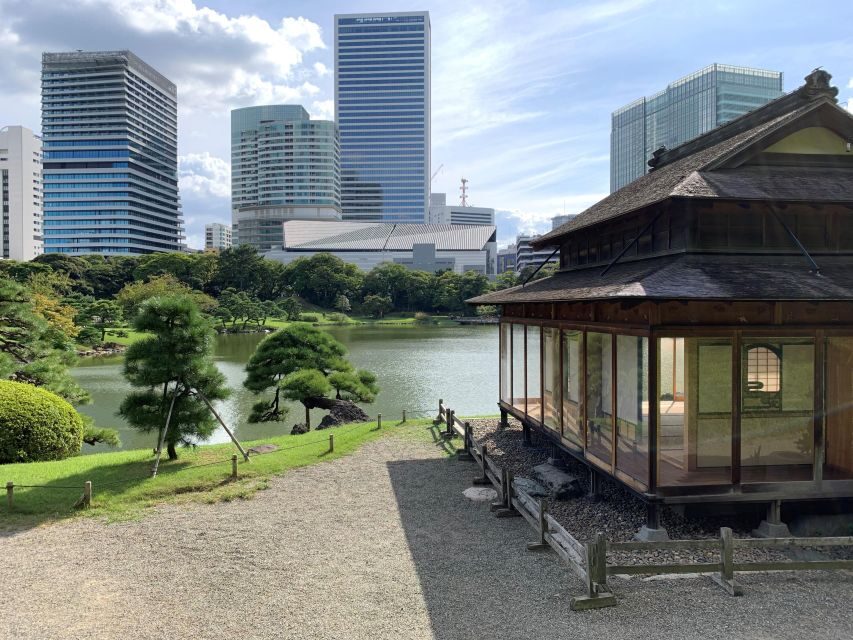
After Asakusa, you head toward the Imperial Palace area, then continue on to Ginza. This is a smart contrast pairing. The Imperial area gives you a sense of Japan’s modern center and national identity, while Ginza is where Tokyo shows off the shopping-and-great-street-scene side.
The tour includes time at the Imperial Palace stop. Depending on the day’s conditions, you might focus on the grounds and nearby views rather than ticketed interior areas. The key value here is that the guide can explain what you’re seeing and why it matters, which is exactly what makes these stops worth your time instead of just standing there with a camera.
Then Ginza brings a different kind of Tokyo. Think wide streets, upscale storefronts, and that polished feel. Even if you don’t plan to shop, Ginza is good for people-watching and getting a sense of how different parts of the city operate.
If you like photos, this section helps. You get clean lines, strong city geometry, and a sense of Tokyo’s modern power. If you hate shopping crowds, you can still enjoy the streets without turning it into a spending mission—just let the guide steer you toward what fits your interests.
Meiji Jingu to Shibuya: Shrine Calm, Then the Power of the Crossing
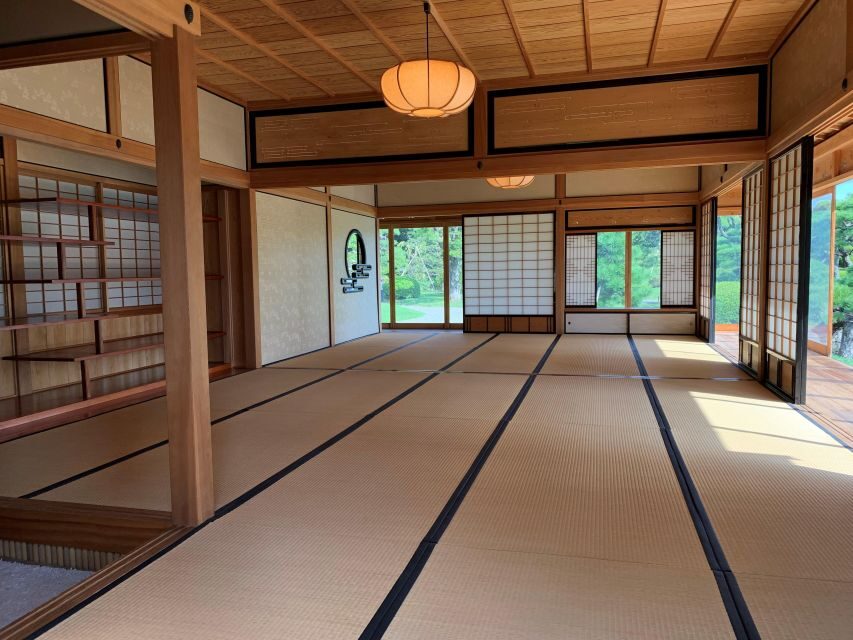
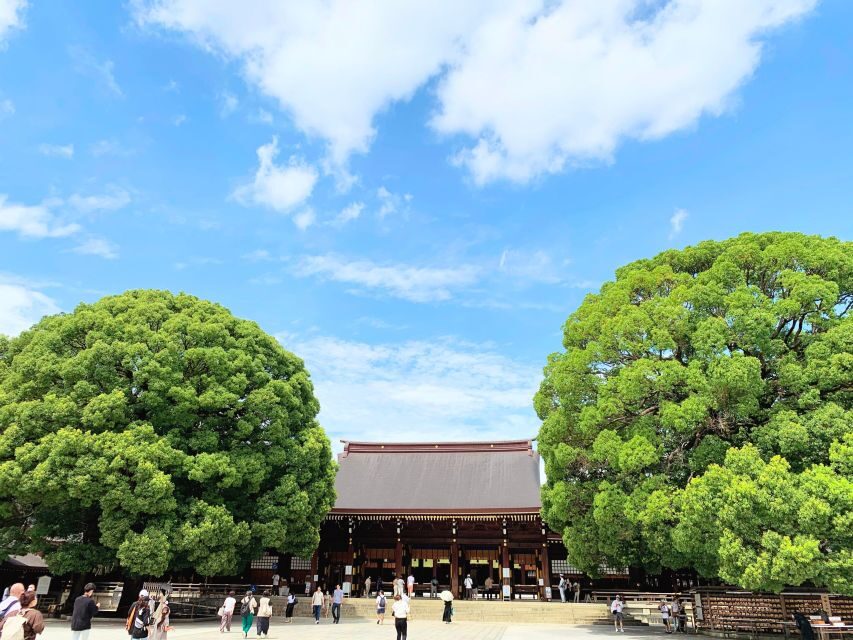
Next up is Meiji Jingu Shrine, followed by Shibuya crossing. This is one of the best “Tokyo in one breath” sequences you can do. You go from a shrine environment that feels quieter and more reflective to a neighborhood that feels instantly modern and loud—without having to travel far for the contrast.
At Meiji Jingu, you’ll have time at the shrine itself. The value is how your guide connects the experience to cultural context. Shrines aren’t just photo stops; they have rituals and meanings that make the architecture and atmosphere feel purposeful. If you’re curious and ask questions, guides often do a great job translating what’s going on and what visitors should notice.
Then Shibuya drops you into Tokyo’s kinetic side. The crossing is famous for a reason. It’s a controlled chaos moment where everyone moves with coordination, and it’s one of those places where the scene makes sense only when you’re standing there.
If you’re into modern Tokyo fashion and energy, this is where your day peaks. If you’re more low-key, it still works, because you can simply watch, take photos, and soak in how the neighborhood runs.
A few more Tokyo tours and experiences worth a look




Kagurazaka: The Kyoto-Like Finish That Feels More Human
The day ends in Kagurazaka, which is often described as having a Kyoto-like feel. That’s not just marketing language. Kagurazaka tends to deliver smaller streets, older vibes, and a more lived-in atmosphere than some of the big-name central areas.
This part of the tour is a great choice because it gives your day a softer landing. You’ve already checked off the major Tokyo landmarks earlier, so here you can slow down a little and enjoy the neighborhood character. It’s also a good time to switch from “see everything” mode to “feel the city” mode.
You’ll be dropped off at your hotel or another place you choose within the 23 wards around 6:00 PM, or earlier if you requested the shortened day. That flexibility matters because Tokyo evenings can be busy, and it’s nice not to lose time hunting for the best route back.
Also, dinner can be part of this plan. If you ask, your guide can advise on a dinner spot that matches your preferences—something that’s hard to nail when you’re tired and hungry after a full day.
The Guide Makes the Day: Why Hito and Azu Get Mentioned
A private tour lives or dies by the guide. And in the strongest versions of this experience, you can feel it in small moments: how they plan station changes, how they keep you oriented, and how they turn a list of landmarks into an actual Tokyo story.
Guides on this tour speak English or French and are described as well-educated, with the kind of travel experience that helps them understand what you want from the trip. One guide, Hito, is specifically praised for navigating train stations smoothly and recommending great places to eat. Another guide, Azu, was highlighted for making sure limited time still resulted in a top-tier mix of sights, including time for an authentic Japanese lunch and even seasonal cherry blossom moments.
There’s another practical perk here: when you book last minute or you don’t have a plan, a tailor-made day can still work—because the guide asks questions and builds the schedule on the fly. That kind of responsiveness turns the tour into problem-solving, not just sightseeing.
And if you’re worried about language or small cultural questions, you’ll likely appreciate the guide’s support. Even simple help with translation and customs can save you awkward moments and keep you moving confidently.
Price and Value: What You’re Paying for at $330 Per Person
$330 per person for a 6-hour private tour may sound steep until you map what’s included and what it replaces. This price is paying for:
- a private, tailor-made itinerary design
- hotel pickup and drop-off
- a live guide who handles routing and timing
- free photos
- cultural context that makes the time more than just a checklist
What’s not included is also important: train fares, lunch and dinner, and entrance fees if a stop requires them. So you should think of this as a “guided logistics + expertise” package, not an all-inclusive ticket bundle.
Where the value shines is for first-time visitors, time-crunched trips, or anyone who wants to see Tokyo without spending the whole day in research mode. If you’d otherwise spend hours planning routes, translating signs, and second-guessing which stations get you closest, the guide time becomes a real shortcut.
If you’re traveling with a flexible group and you don’t mind doing transit yourself, you might decide to save money and go DIY. But if you want one day that feels smooth, intentional, and guided, this is the kind of purchase that often pays off quickly.
Small Things to Bring (and Why They Matter)
This tour is manageable, but Tokyo’s walking is real. Bring comfortable shoes.
If you’re the kind of person who likes to shop or take photos, be ready for a day where you’ll likely pause often. Even with a route, you’ll have moments to linger—shrines, viewpoints, and neighborhood streets.
Also consider how much you’ll spend beyond the tour price. Because trains and entrances are not included, you’ll want a rough budget for transit fares and any site tickets. If you plan your day around just walk-in public areas, your extra costs stay lower.
Who Should Book This Private Tokyo Tour?
This is a great fit if:
- you’re in Tokyo for a short time and want a smart greatest-hits route
- you don’t want to plan every transit move or worry about which neighborhood comes next
- you want cultural stories tied to what you’re actually seeing
- you enjoy having options: shopping-or-shrine balance, old streets-or-modern energy, and time to slow down
It’s less ideal if you want a totally hands-off day where the guide only drops you off and leaves you to figure everything out. The format works best when you communicate preferences, even if it’s just a few simple answers like temples vs. shopping, calm vs. fast-paced, and food interest level.
The wheelchair accessibility is a plus, and since this is private, it can be easier to manage pacing for mobility needs than in crowded group tours.
Should You Book This Tokyo Tailor-Made Private Tour?
If you want one Tokyo day that feels organized, personal, and built around your pace, I’d book it. The strongest reason is the combination of tailor-made planning and public-train routing. You get structure without the rigidity of a fixed tour, and you’ll likely spend less time figuring out the system and more time enjoying the places.
Before you book, check two things for yourself: you’re comfortable paying your own train fares and any entrance tickets, and you’re okay with a guide confirming details after you reserve (the tour isn’t confirmed until the guide contacts you within a few days). If those fit your style, you’ll probably walk away with a Tokyo map in your head, plus a day that actually matches how you like to travel.
FAQ
How long is the Tokyo private tailor-made tour?
The tour duration is 6 hours.
What does the tour price include?
Hotel pickup and drop-off are included, and you also get free photos. Train fares and entrance fees (if required) are not included, and lunch and dinner are also not included.
What language are the guides?
Guides speak English or French, depending on the guide assigned.
What areas are usually included on the default itinerary?
The default route covers the Asakusa district (including Sensoji Temple and the Tsukuji Market area), the Tokyo Skytree area, the Imperial Palace area, Ginza, Meiji Jingu Shrine, Shibuya crossing, and Kagurazaka.
Where do pickup and drop-off happen?
Pickup is included from your accommodation (hotel, ryokan, or anywhere you prefer within the Tokyo 23 wards for the default plan). Drop-off is to your hotel or another place of your choosing within the 23 wards around 6:00 PM.
Can the tour be shortened?
Yes. You can request a shorter tour, such as until 4:00 PM.