REVIEW · TOKYO
Tokyo Countryside Exploration Private Tour
Book on Viator →Operated by Jeremy Owen · Bookable on Viator
Tokyo’s lights fade fast here.
This private day trip trades the city’s rush for quiet mountain lanes and rural Saitama, with Hanno’s bamboo temple as a standout moment (yes, deer and monkeys show up and keep their distance). I also love the small-group feel—maximum 5 with Jeremy Owen—so the day doesn’t feel like a factory line.
One thing to consider: the tour depends on weather, and pickup can shift a bit if traffic is light. That is normal for an 8–9 hour countryside route, but it helps to stay flexible.
In This Review
- Key Highlights Worth Planning Around
- Stepping Out of Tokyo Into Rural Saitama
- Private and Small: Jeremy Owen Sets the Tone
- From Pickup to Mountain Roads: Timing Tips for an 8–9 Hour Day
- Why Hanno’s Bamboo Temple Feels Different
- Koma Shrine’s Tang-Era Korean Kings Legend
- Ne-no-gongen Lookouts and Prayers for Legs and Backs
- Ogose-machi Rural Japan and the Dragon Taming Temple Carp Pond
- Saitama’s Torii Pagoda and the Xuanzang Connection
- Arima Dam Drive-By: My Neighbor Totoro Roots
- Free Admissions Add Up (and How to Think About Value)
- What to Pack and How to Handle Weather and Hills
- Who This Tour Suits Best
- Should You Book This Tokyo Countryside Private Tour?
- FAQ
- How long is the Tokyo countryside private tour?
- Is this a private tour, and how large is the group?
- Is pickup included?
- Are there admission fees at the stops?
- What happens if the weather is poor?
- Can I cancel for a full refund?
Key Highlights Worth Planning Around
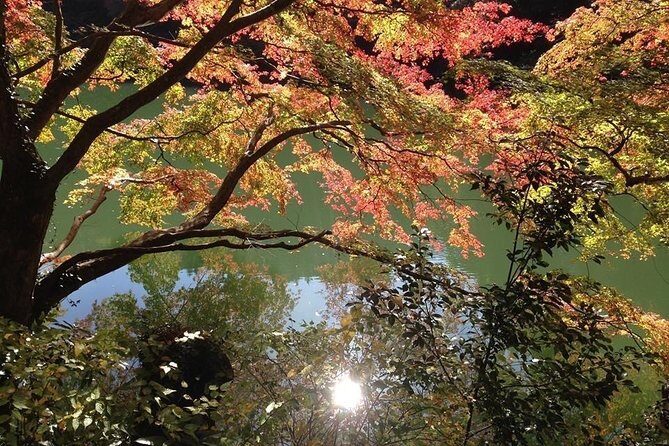
- Hanno bamboo temple in the mountains devoted to Gozu, with shy deer and monkeys in the complex
- Koma Shrine connection to Tang Dynasty Korea through the shrine’s legend of Korean kings
- Ne-no-gongen hilltop shrine views plus prayers specifically for healthy legs and backs
- Ogose-machi and the Dragon Taming Temple with a monk-and-carp telepathy story
- Saitama Torii Pagoda and Xuanzang linked to Tang-era journeys to India
- Arima Dam drive-by tied to the roots of My Neighbor Totoro
Stepping Out of Tokyo Into Rural Saitama
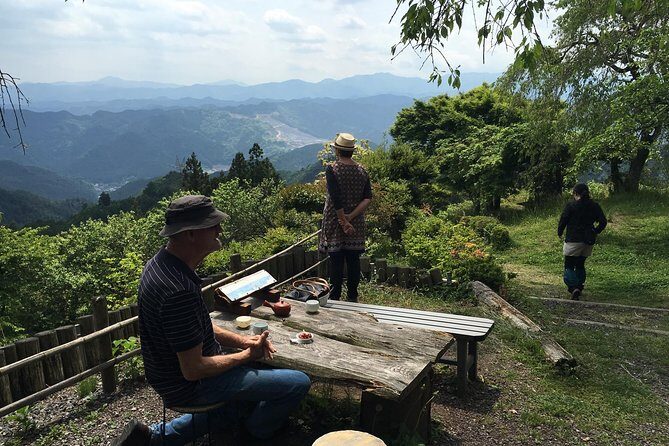
This tour is built for a simple goal: get you out of Tokyo fast, then keep you there. Instead of just looking at a couple sights, you move through multiple small temples, shrines, and mountain viewpoints—places that feel like Japan beyond postcards.
You’ll see mountains, waterfalls, shrines, and quiet neighborhoods that most international visitors never bother with. The drive itself matters, too. Rural roads climb and curve enough that the air feels different by the time you reach the first site.
Another nice touch is how relaxed the schedule is. Many stops are around 40 minutes, so you’re not sprinting from one photo spot to the next. It’s a full day, but it does not feel frantic.
You can also read our reviews of more private tours in Tokyo


Private and Small: Jeremy Owen Sets the Tone
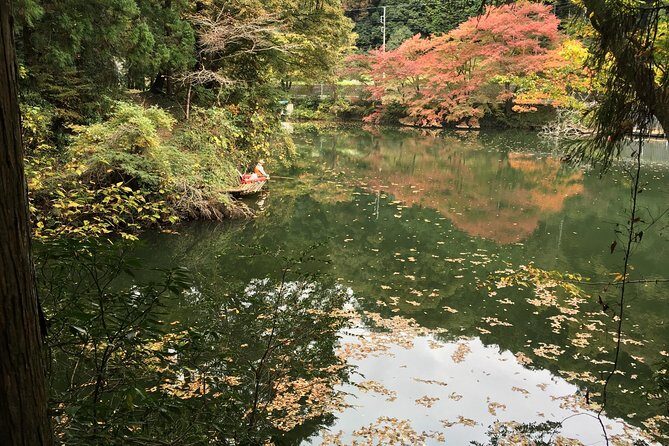
This is a private tour, so it’s just your group—no mixing with strangers. The maximum group size is 5, which keeps questions easy and conversations natural (especially when you’re asking about the meaning of what you’re seeing).
The host is Jeremy Owen. He’s listed as the guide for the experience, and the day is designed around his pacing and route choices. Several accounts emphasize how pleasant and story-driven his commentary can be, even for teens. That matters, because shrine-and-temple days can go either way: either they feel lifeless, or they come alive with context.
You also get pickup offered and a mobile ticket. Translation: you’re not juggling printed paperwork at the curb like it’s 1997. Service animals are allowed as well.
From Pickup to Mountain Roads: Timing Tips for an 8–9 Hour Day
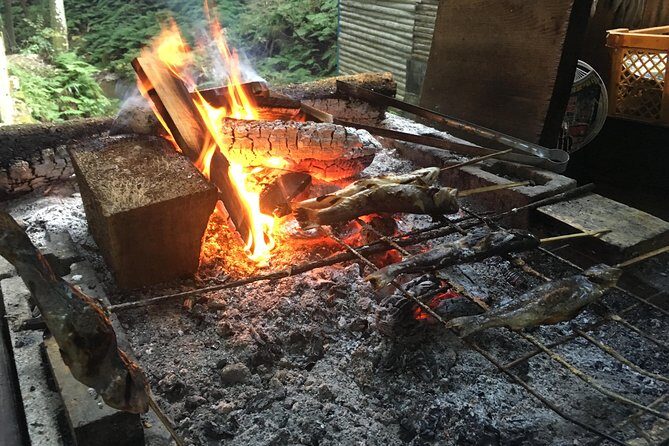
Plan for a long day, not a quick hit. The experience runs about 8 to 9 hours, and the countryside route takes time—especially with mountain roads between each stop.
Pickup is offered, and the start is described as 9:00 AM. In practice, you might get an early call if traffic shifts—one schedule adjustment was communicated the morning of, with arrival around 8:00 AM instead. That’s not a red flag; it’s a countryside-drive reality.
My advice: set your morning up for flexibility. If you treat pickup as fixed down to the minute, you’ll feel annoyed. If you treat it as a best estimate, the day feels smooth.
Also, note that the experience requires good weather. If conditions are bad enough, you’ll be offered a different date or a full refund.
Why Hanno’s Bamboo Temple Feels Different
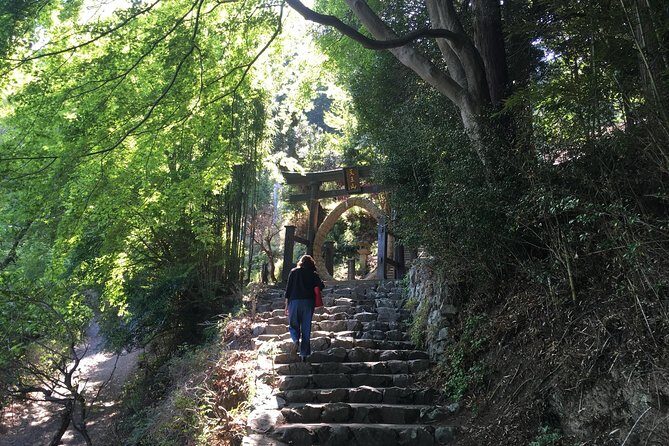
Stop 1 is in Hanno, at a bamboo temple deep in the mountains. This isn’t just a picturesque backdrop. It’s an ancient temple dedicated to the Buddhist king Gozu—described with the head of a cow and the body of a man. That kind of mythic detail sets the mood right away: you’re not only sightseeing, you’re stepping into belief and local tradition.
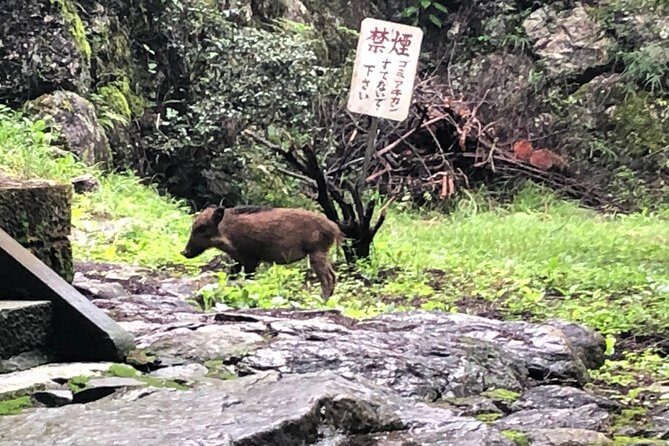
The wild-life element is part of what makes this stop memorable. Inside the temple complex you can encounter very timid wild deer and monkeys. The animals are watching you, but they keep their distance—think polite curiosity rather than chaos.
You’re there about 40 minutes, and the admission ticket is free. The main drawback is simple: you’ll be in a mountain setting, so comfortable shoes help, and you’ll want a light layer even when Tokyo feels warm.
Koma Shrine’s Tang-Era Korean Kings Legend
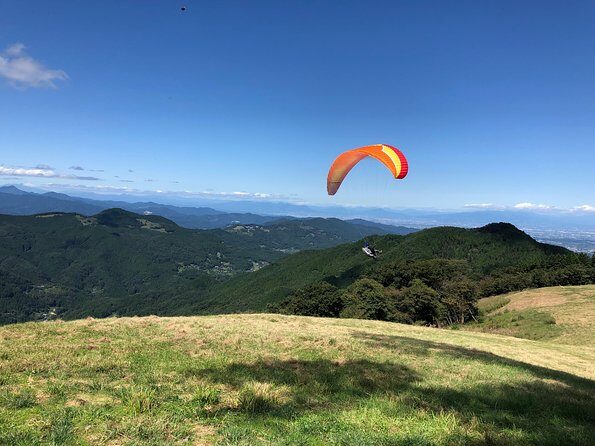
Next up is Koma Shrine in the Saitama area. The key detail here is the shrine’s connection to Korean kings of the Tang Dynasty era. That blend of regions and centuries is one of the most interesting parts of a countryside shrine day: you start seeing Japan’s history as a network, not a straight timeline.
Stop 2 is about 40 minutes, and again admission is free. Because the focus is on shrines and quiet religious spaces, I recommend slowing down rather than racing for the best angle. You get more out of Koma Shrine when you take a moment to read the mood of the site—stone, incense air, and the way visitors move.
If you’re the type who likes explanations, this is a great place for your guide to connect local myth to broader history. The tour’s strength is that it does not treat these stops like checkboxes.





Ne-no-gongen Lookouts and Prayers for Legs and Backs
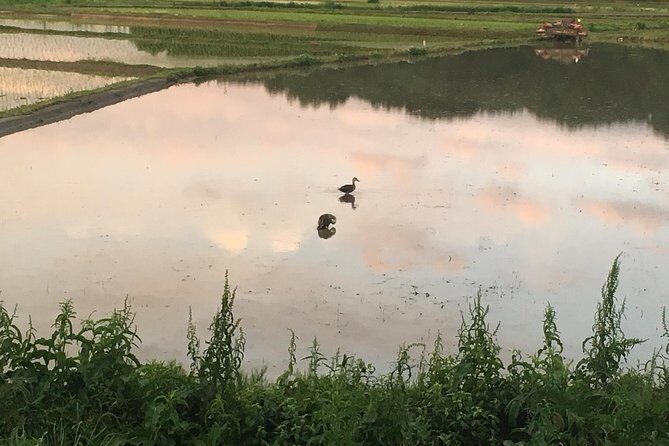
After the bamboo temple, you head to Ne-no-gongen, also nearby in the mountain area. This shrine is described as being at the top of the mountains, and the payoff is the view—open, calm, and very “you’re really out here.”
Ne-no-gongen also has a specific purpose: prayers for healthy legs and backs. That might sound oddly practical, but it makes sense in a country setting where hills and walking are part of daily life. If you’ve been doing lots of stairs around Tokyo stations and temples, it feels like a natural stop.
Time here is about 40 minutes, with admission free. The consideration: this is a hilltop experience. Even if you’re not doing long hikes, you’ll likely be on uneven paths or steps. Wear shoes you trust.
If it’s rainy, the hilltop atmosphere can still be beautiful. Just bring something that handles damp weather.
Ogose-machi Rural Japan and the Dragon Taming Temple Carp Pond
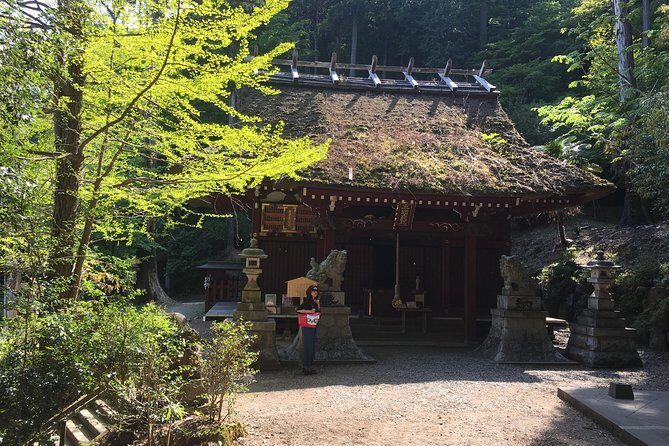
Stop 4 shifts into Ogose-machi. This is where the day really leans into rural flavor—mountains, temples, shrines, and waterfalls in the wider countryside. It’s not only the “big named” sights; you’re also getting a sense of how small communities live alongside spiritual sites.
You’ll also visit the Dragon Taming Temple, where the story is that the monk has telepathy with the carp in his pond beside the temple. It’s the kind of detail that makes the day feel alive, because it gives the pond a reason to matter.
This stop is shorter, about 30 minutes, with free admission. If you prefer longer photo time or slower wandering, you might wish it were 40. The tradeoff is that the day remains balanced and doesn’t drag.
Practical note: waterfalls and damp greenery can make surfaces slick. Keep an eye on where you place your feet.
Saitama’s Torii Pagoda and the Xuanzang Connection
Stop 5 is in Saitama at a torii pagoda deep in the mountains. The key story is about Xuanzang, the Chinese monk who traveled India during the Tang China period. The torii pagoda used to hold the bones of Xuanzang.
That detail is fascinating because it connects your day trip to a much bigger historical arc. You’re out in rural Japan, but you’re also touching the long-distance journeys that shaped how Buddhism moved across Asia.
Time here is about 40 minutes, and admission is free. The potential drawback is location: being deep in the mountains means you may feel cooler than Tokyo and you’ll want to be ready for walking on paths with stairs or uneven ground.
Arima Dam Drive-By: My Neighbor Totoro Roots
There’s also a drive past Arima Dam. The reason it matters is a popular cultural connection: it’s described as the roots of My Neighbor Totoro.
You won’t likely spend an extended amount of time here. Think of it as an atmospheric extra—one more moment that ties countryside Japan to modern storytelling. Even if you’re not a lifelong Ghibli fan, seeing how nature and infrastructure sit together can be surprisingly moving.
This kind of stop is the perfect palate cleanser after shrines: your brain has history and myth, and then it gets a chance to just look.
Free Admissions Add Up (and How to Think About Value)
At each listed temple or shrine stop, admission is listed as free. That matters for value. It means your money goes mostly to transportation, guide time, and the structure of a countryside route that would be harder to assemble yourself.
The tour price is $280.94 per person. That sounds steep until you think about what’s included in a private day: an all-day countryside drive, multiple stops across mountain areas, and a guide who can talk you through what you’re seeing. With private tours, your cost is really buying time and convenience—especially the time you gain by not figuring out the connections between scattered sites.
Another practical value point: the experience is booked on average 77 days in advance. That hints that the provider runs this route regularly enough that it’s in demand, so planning ahead is wise.
What to Pack and How to Handle Weather and Hills
Because the tour requires good weather, you should plan for weather flexibility. Light rain might still allow a great day. But if conditions are poor, you’ll be offered a different date or a refund, so don’t assume every day on the calendar works.
Pack for mountain air and damp surfaces:
- Comfortable shoes for steps and uneven paths
- A light rain layer even in mild seasons
- A small day bag so you can move hands-free
- If you get cold easily, bring a layer you can add at the hilltop shrine stops
Also, if you’re traveling with a teen, a rain jacket can be one of those invisible “make the day better” items. The tour’s success often comes down to comfort.
Who This Tour Suits Best
This is a great fit if you want countryside Japan without giving up structure. You like temples and shrines, but you also want context so it doesn’t turn into a checklist.
It’s especially suited for:
- People who want a break from Tokyo noise
- Families or mixed ages who benefit from a flexible private pace
- Travelers who enjoy odd, specific stories like Gozu or carp-pond telepathy
- Anyone curious about rural Saitama and mountain-area beliefs
Service animals are allowed, and the experience notes that most travelers can participate. If you have mobility limits, I’d pay special attention to the hilltop stop at Ne-no-gongen and the mountain settings around the other shrines.
Should You Book This Tokyo Countryside Private Tour?
If you want a day trip that actually feels like Japan outside Tokyo, I’d book it. The itinerary hits multiple shrine styles, and the stories attached to each stop make the day more than just scenic driving. The small group size (max 5) plus pickup offered also makes the whole thing feel manageable, not exhausting.
I’d think twice if you’re strongly averse to weather shifts or you hate “start time might move” mornings. This is a mountain-and-shrine route. It works best when you treat it as a living day, not a rigid schedule.
If you’re on the fence, here’s a quick test: if you enjoy cultural detours and you’re happy spending time at shrines where free admission and good explanations matter, this tour should land well.
FAQ
How long is the Tokyo countryside private tour?
The tour runs about 8 to 9 hours.
Is this a private tour, and how large is the group?
Yes, it’s private. Only your group participates, with a maximum group size of 5.
Is pickup included?
Pickup is offered, and the tour also uses a mobile ticket.
Are there admission fees at the stops?
The listed stops show admission ticket free for each shrine/temple visit.
What happens if the weather is poor?
The experience requires good weather. If it’s canceled due to poor weather, you’ll be offered a different date or a full refund.
Can I cancel for a full refund?
Yes. You can cancel up to 24 hours in advance for a full refund. If you cancel less than 24 hours before the start time, the amount paid is not refunded.