REVIEW · TOKYO
Tokyo Layover 5 Hours Private Tour
Book on Viator →Operated by アウテック · Bookable on Viator
A 5-hour Tokyo layover can feel like a blink—this tour turns it into a plan. I like the private pickup-and-drop-off from Haneda, because it saves you from transit stress right after a flight. I also like that you get a customizable route, so you’re not stuck “touring by checkbox” while you’re trying to catch your connection. The main thing to consider is simple: 8 stops in 5 hours means you’ll see a lot quickly, so it’s best if you’re okay with short looks and frequent short drives.
If you’re flying into Haneda with limited time, this is one of those rare tours that feels built for real life. Senso-ji first, then Tsukiji’s outer market, then big-name neighborhoods like Ginza, Omotesando, and Harajuku (Takeshita Street), before ending at Meiji Jingu and Shibuya Crossing. It’s also aimed at making the tight timeline work smoothly, with WiFi, bottled water, and snacks onboard and the chance to store luggage in the vehicle.
In This Review
- Key things I’d plan around
- A five-hour Tokyo reset that actually fits a layover
- Price and value for a group up to 9
- Haneda pickup, comfort, and not fighting Tokyo transit
- Your itinerary isn’t fixed—your guide makes it practical
- Stop-by-stop: Asakusa, Tsukiji, Ginza, Imperial sights, and the Meiji-to-Shibuya finish
- 1) Senso-ji Temple (about 1 hour)
- 2) Tsukiji Fish Market (about 40 minutes, outer market)
- 3) Ginza (about 30 minutes)
- 4) Imperial Palace area + National Diet building (about 30 minutes total)
- 5) Omotesando (about 20 minutes)
- 6) Takeshita Street in Harajuku (about 30 minutes)
- 7) Meiji Jingu Shrine (about 40 minutes)
- 8) Shibuya Crossing (about 15 minutes)
- How I’d choose priorities if you want this to feel worth it
- Comfort details that quietly make the day work
- Who should book this (and who should skip it)
- Should you book this Haneda layover tour?
- FAQ
- FAQ
- What is the meeting point for the Tokyo layover tour?
- How long is the tour?
- Is this a private tour?
- What places are included during the tour?
- Do I need to pay admission for the stops?
- Is pickup and drop-off included?
- What’s included for comfort during the ride?
- Can the itinerary be customized?
Key things I’d plan around
- Private door-to-door from Haneda: meet at Haneda, ride in comfort, and return to the same meeting point.
- Free onboard WiFi + bottled water and snacks: handy when you’re running on little sleep.
- A real layover itinerary: Senso-ji to Shibuya in about 5 hours, with most admissions listed as free.
- Your priorities matter: you can shape what you spend time on during the ride.
- Guides who handle tight timing: multiple guide names have been praised for flexibility and keeping the day moving.
A five-hour Tokyo reset that actually fits a layover
Tokyo is big. Your layover is not. This tour works because it’s designed around the reality that you’re not landing to “do Tokyo”—you’re landing to get a hit of Tokyo and get back to your gate with your brain intact.
The stop sequence is smart for first-time orientation. You start with Senso-ji in Asakusa, then hop to the Tsukiji outer market area for food-and-stalls browsing, then move into central Tokyo with Ginza and the Imperial Palace / National Diet zone. After that you head toward the fashion-and-youth lanes of Omotesando and Harajuku (Takeshita Street), then cool down with Meiji Jingu, and finish with the iconic chaos of Shibuya Crossing.
One extra reason I like this format: it gives you contrast fast. You go from an old temple district to market life, to finance-and-design streets, to shrine calm, and then to the city’s most famous intersection. Even if you only have a little time, it feels like you met multiple Tokyos.
You can also read our reviews of more private tours in Tokyo


Price and value for a group up to 9

The tour costs $641.36 per group (up to 9 people). That sounds high until you do the math in a way that matches how people actually travel on layovers.
- If you fill the group (9 people), that’s about $71 per person.
- If you’re a smaller family or pair (say 2–4 people), the per-person cost is higher, but you’re paying for private logistics: pickup, a dedicated driver/guide time, and a vehicle that can reposition quickly.
Where it really earns its keep is in the “layover math”: time equals money, and time is what you don’t have. A private vehicle is often cheaper than a pile of taxis plus the headache of transfers—especially when you’re dealing with arrival delays, luggage, and limited hours.
Also, you’re getting more than driving. The tour includes free onboard WiFi, bottled water and snacks, and luggage storage in the vehicle. Those extras sound small, but on jet lag time they’re exactly what makes a short day feel livable.
Haneda pickup, comfort, and not fighting Tokyo transit
Meeting point is Haneda Airport (3-3-2 Hanedakuko, Ota 144-0041 Tokyo Prefecture), and the tour ends back at the same meeting point. That matters. When you’re working with a layover, returning you to the same place you were picked up is the kind of simplicity your future self will thank you for.
The tour also runs essentially all day (the schedule shown covers 12:00 AM to 11:30 PM for the listed date ranges), which is useful because layovers don’t politely fit into office hours.
On top of that, you get a private vehicle (not a shared shuttle), so your group sets the pace. In the real world, that means:
- fewer waiting games
- fewer “where is everyone?” moments
- more control when airport timing changes
One detail that shows up in how guides handle these days: they focus on getting you close to what you want to see, so you’re not losing your limited time to long walks. That becomes a bigger deal if it’s raining or you’re coming off a long-haul flight.
Your itinerary isn’t fixed—your guide makes it practical
This is a private tour, so it’s only your group in the vehicle. And the day is meant to be personalized to your interests. In other words, you’re not locked into a script that ignores your taste.
In this kind of layover tour, personalization usually shows up in two ways:
- What gets time: maybe you linger longer at a market or you shorten photo stops to fit another area.
- How you move through the city: your guide can steer the day around your priorities, especially when the clock is tight.
The experience stands out for another reason: guides have been praised for planning on the fly. Names that have come up include Style, Douglas, Babu, Tomoya, Maharjan Sanu Babu, Riley, Aimi, and Leonardo. While you won’t necessarily get the same person, it’s a good sign that the service has real staff who know how to keep a short Tokyo day smooth—waiting for you when arrival timing shifts, explaining what you’re seeing as you drive, and adjusting when your group wants more time in one spot.
Stop-by-stop: Asakusa, Tsukiji, Ginza, Imperial sights, and the Meiji-to-Shibuya finish
Here’s what you can expect, plus what I’d treat as “worth your time” during a tight 5-hour visit.





1) Senso-ji Temple (about 1 hour)
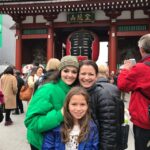
Start with Senso-ji, Tokyo’s oldest temple. The whole Asakusa area has that “first taste of old Tokyo” feeling: lantern-lit street energy, people buying snacks, and the sense you’ve stepped into something older than the surrounding city.
Why it works as the first stop: it gives you the biggest Tokyo identity early on. If you only see one “traditional Tokyo” scene on your layover, this is the one.
Practical note: plan for a walk through the temple approach area and quick time for photos. One hour is enough to feel the place without turning it into an all-day commitment.
2) Tsukiji Fish Market (about 40 minutes, outer market)
The main Tsukiji wholesale market moved to Toyosu in 2018, but the outer market at Tsukiji still delivers. Think seafood smells, quick bites, counter-to-counter browsing, and lots of visual chaos—like a food city block that never sleeps.
Why this is a strong layover choice: you can snack as you go. You’re not committing to a long sit-down meal before you still need to see everything else.
If you have picky eaters or dietary limits, keep it simple here: pick one or two small items you truly want, then move on. In 40 minutes, the goal is to taste the vibe, not to fully research the food stalls.
3) Ginza (about 30 minutes)
Then you’re in Ginza, where you get a very different Tokyo mood. This area is known for eclectic boutiques, galleries, traditional craft shops, and a mix of high-end and cutting-edge architecture.
Why I like it here: it gives you that “Tokyo is also modern design” context. You’ll notice how the streets and buildings feel different after the market and temple neighborhoods.
Drawback to know: 30 minutes can feel short in a shopping district. If you’re not into browsing stores, focus on walking a few blocks, grabbing one photo set, and getting your bearings for the next neighborhood.
4) Imperial Palace area + National Diet building (about 30 minutes total)
This stop pairs two big pieces of central Tokyo:
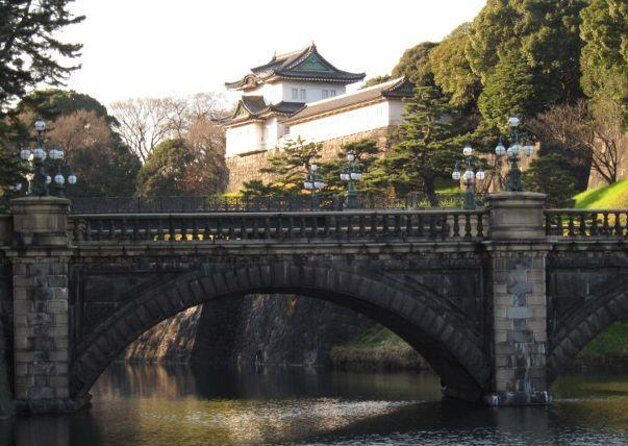
- the Imperial Palace grounds area (linked to the Tokugawa-era castle from 1603–1868, then later transitioning to the Imperial Palace)
- the National Diet (Parliament) building, built in 1936 and one of the few buildings that survived the 1945 air raids
Why this works during a layover: it gives you perspective on Japan’s political and historical shifts without needing a long museum day.
Possible consideration: this is more of an area-and-view stop than a “deep visit” stop. You’ll likely get photos and quick impressions rather than a long internal tour, simply because the day is moving.
5) Omotesando (about 20 minutes)
Omotesando is the quick-hit version of Tokyo architecture and fashion. You’ll see buildings influenced by leading architects and plenty of famous fashion brands.
Why it fits: it’s compact enough for a short stop, but it still feels distinct—like you just walked into a street with a design agenda.
If you love architecture, treat this as your “look up” time. If you don’t, you can still enjoy it by focusing on the streetscape and photographing street-level details.
6) Takeshita Street in Harajuku (about 30 minutes)
Next: Takeshita Street, the youth-culture pulse of Harajuku. It’s fast, quirky, and often crowded, with fashion choices that look like they were planned for maximum impact.
Why it’s worth it even on a tight schedule: it shows you a Tokyo that doesn’t feel polite. You see creativity in motion—plus you get that instant “I’m in Tokyo” energy.
Possible drawback: it can be intense for some people, especially after a long flight. If your group prefers calmer browsing, keep your time focused: one quick circuit and a photo stop, then move on.
7) Meiji Jingu Shrine (about 40 minutes)
After the energy of Harajuku, Meiji Jingu is the reset button. It has a pleasant atmosphere and a welcome break from street traffic.
Why this is a good mid-to-late stop: 40 minutes gives you breathing room. You can slow down, step away from the crowds you likely just saw, and appreciate the shrine setting without feeling rushed.
If you’re traveling with parents, grandparents, or anyone who needs a calmer moment, this is often the stop that feels like a gift.
8) Shibuya Crossing (about 15 minutes)
Finish with Shibuya Crossing, widely known as the busiest intersection in the world. It’s a small stop in time, but it’s huge in impact.
Why the short finish works: you get the iconic scene without losing your whole schedule to one location. It’s basically the “Tokyo postcard moment” of your day.
Practical tip: 15 minutes is enough for one good look and a photo, but it’s not enough to treat it like a full sightseeing district. Treat this as a final highlight and then get ready for your ride back.
How I’d choose priorities if you want this to feel worth it
The best way to get value on a 5-hour tour is to decide what you want the day to feel like. Here are three easy ways to guide your choices:
- If you want classic Tokyo, prioritize Senso-ji and Meiji Jingu. Add Tsukiji for food flavor.
- If you want modern Tokyo, bias toward Ginza, Omotesando, and Shibuya.
- If you want people-and-style Tokyo, spend more time near Harajuku (Takeshita Street) while keeping your temple time tight.
This tour is built for customization, and guides like Riley and Aimi have been credited for planning and then keeping things moving when time constraints hit. So I’d go in with a short list: two must-sees and two “nice-to-sees.” Then let the guide shift minutes between them during the day.
Also: plan for photo timing. The stops are short by design. If you tell your guide where you want photos (temple approach, market counter scenes, shrine calm, crossing angles), you’ll get better results than if you wait to decide once you’re already moving.
Comfort details that quietly make the day work
This is a layover tour, which means you’re probably dealing with at least one of these: jet lag, long lines, hungry kids, or dragging luggage. The small details here help you keep moving:
- Mobile ticket: less paper stress when you’re bouncing between places.
- Free WiFi on board: useful for messaging family, checking flight updates, or just letting your brain rest.
- Bottled water and snacks: you don’t have to hunt food immediately on the road.
- Luggage storage in the vehicle: so you’re not carrying bags through crowded spots.
And because it’s private, your group isn’t competing with strangers for space, timing, and attention. That’s not “luxury.” On a layover, it’s survival.
Who should book this (and who should skip it)
I’d recommend this tour if:
- you have a layover at Haneda and want to see Tokyo without navigating trains and transfers
- you’re traveling in a group where a private vehicle makes sense (up to 9 people)
- you want a balanced mix of old, food, fashion, and modern icons
- you’d rather ride comfortably than do long walking marathons
I’d be more cautious if:
- you’re hoping for a slow, museum-style experience at every stop
- you strongly prefer deep, guided interior access everywhere (this is built for quick, high-impact impressions)
- your flight window is so tight that even a smooth schedule might feel risky
Should you book this Haneda layover tour?
If you have about 5 hours and you’d like your layover to feel like a real Tokyo day, I think this is a strong pick. The value improves a lot for families and small groups because the price is per group and you’re paying for real private logistics.
Book it especially if you:
- want comfort and control (pickup to drop-off, luggage handled, WiFi onboard)
- like the idea of hitting multiple Tokyo moods in one day
- want a guide to adjust the plan as your priorities change mid-route
One practical decision rule: if your layover gives you enough buffer to clear the airport flow twice (once to exit the terminal, once to return), this tour can turn “stuck in an airport” into a memorable city taste. And with free cancellation up to 24 hours before start time, you can reserve it while you watch your flight timing.
FAQ
FAQ
What is the meeting point for the Tokyo layover tour?
You meet at Haneda Airport, 3-3-2 Hanedakuko, Ota 144-0041 Tokyo Prefecture, and the tour ends back at the same meeting point.
How long is the tour?
The duration is about 5 hours.
Is this a private tour?
Yes. It’s a private tour/activity and only your group participates.
What places are included during the tour?
Stops include Senso-ji Temple, Tsukiji Fish Market outer area, Ginza, the Imperial Palace area / National Diet building, Omotesando, Takeshita Street, Meiji Jingu Shrine, and Shibuya Crossing.
Do I need to pay admission for the stops?
The tour lists admission as free for the included sights.
Is pickup and drop-off included?
Yes. Pickup is offered, and you are dropped back at the meeting point.
What’s included for comfort during the ride?
The tour includes free WiFi on board, bottled water, and snacks.
Can the itinerary be customized?
Yes. The tour notes that you can customize the private tour to your interests.