REVIEW · TOKYO
Tokyo: Mount Fuji and Hakone private sightseeing tour
Book on GetYourGuide →Operated by Xlpor Japan · Bookable on GetYourGuide
Fuji and Hakone in one day. This private 10-hour outing turns the big name sights into a smooth, car-based day with hotel pickup and drop-off options in Tokyo, Fujiyoshida, Yokohama, or Hakone. You get an English-speaking driver/guide and a plan that you can shape to your group, which is huge if you hate rushing between train changes.
My favorite part is the flexibility: you choose between a Mt. Fuji day focused on the Fuji Five Lakes and a Hakone route built around hot-spring area scenery plus the Open Air Museum. The one drawback to keep in mind is weather and extra tickets: if Fuji is hiding, your views may be muted, and you’ll still pay separate entry fees for the Fuji 5th Station and for the boat/cable rides.
In This Review
- Key highlights worth planning around
- Private van, real time savings, and fewer headaches
- Two routes: how to choose between Fuji’s lakes or Hakone’s thermal sights
- Getting that Fuji view: Arakurayama Sengen Park and the shrine stop
- Mt. Fuji 5th Station: the most dramatic bet, with an extra ticket
- Lake Kawaguchi and the ropeway: where the mountain meets calm water
- Oishi Park: flowers and Fuji framing, timed for the best photos
- Oshino Hakkai: traditional ponds, calm pacing, and easy photo wins
- Hakone’s aerial transport and Lake Ashi cruise: moving through scenery
- Owakudani Valley and the cable car segment: sulfur views and line risk
- Hakone Open Air Museum: a calmer end to a long day
- Price and value for a private group up to five
- English guide quality: the difference between a stop list and a story
- Who should book this Fuji and Hakone private day
- Should you book this private Fuji and Hakone tour?
- FAQ
- Where can this tour pick me up and drop me off?
- Is this tour private, or do I join other travelers?
- How long is the tour?
- What is included in the price?
- Are tickets for the Fuji 5th Station and the transport rides included?
- Can I cancel and get a refund, and is pay-later available?
Key highlights worth planning around
- Hotel pickup and drop-off across Tokyo, Fujiyoshida, Yokohama, and Hakone
- Two itinerary styles: Fuji Five Lakes or Hakone ropeway + Lake Ashi + Open Air Museum
- Oshino Hakkai ponds and classic Shinto stops for a more traditional tone
- Hakone transport icons: ropeway, cable car, and a Lake Ashi sightseeing cruise
- Private group comfort with parking, fuel, and tolls covered for a predictable day
Private van, real time savings, and fewer headaches
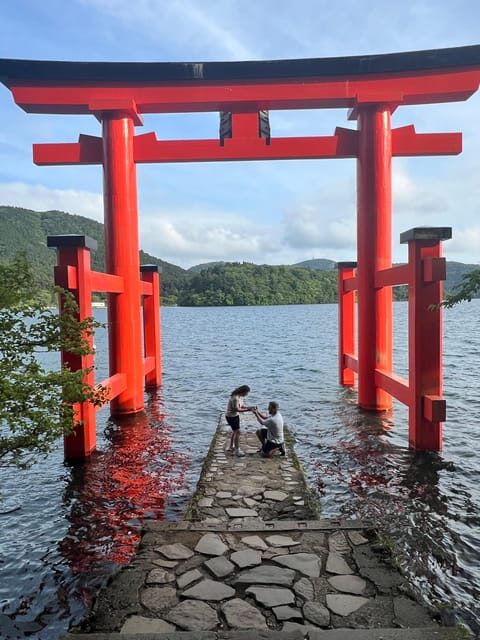
This is a private sightseeing tour by vehicle, built for one group of up to five people. That matters because the Fuji and Hakone region is popular, and public transit plus transfers can turn a fun day into a logistics puzzle. With pickup built into the plan, you can spend your energy on views, photos, and small walks instead of hunting timetables.
Your guide/driver communicates before pickup, and you’re asked to wait about 5 minutes in the lobby or at your stated pickup spot. It sounds small, but it’s one of those details that keeps the day from starting with stress. Also, you’re not stuck with a fixed group pace—if your group wants a slower stroll or a longer photo stop, you can usually make that call on the fly.
Transport quality is a big part of the value here. The service has scored well on the vehicle side, and a clean, comfortable ride makes a long day feel less like a marathon.
You can also read our reviews of more private tours in Tokyo


Two routes: how to choose between Fuji’s lakes or Hakone’s thermal sights
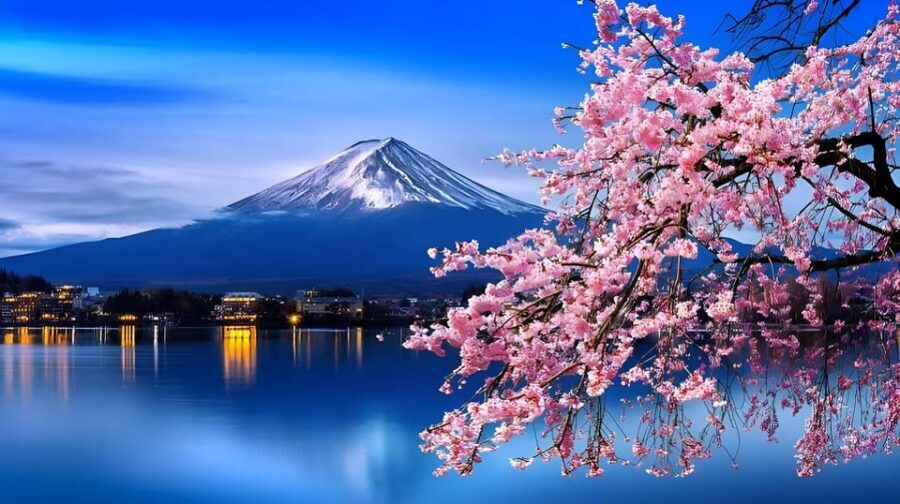
You’ll pick your style up front, and the rest of the day flows around it.
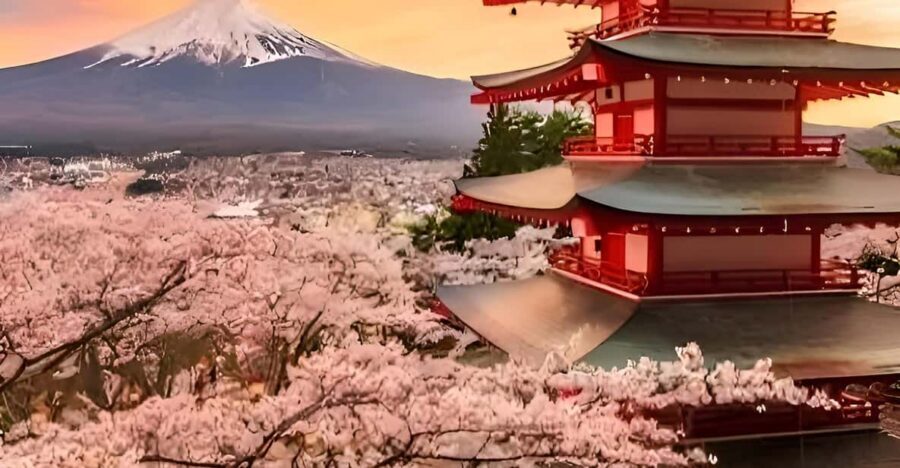
If you want the iconic Fuji shape framed by lakes, go with the Fuji-focused route. It strings together classic viewing spots: Arakurayama Sengen Park, Kitaguchi Hongu Fuji Sengen Shrine, and then a chance to reach the Mt. Fuji 5th Station. After that, you pivot to the Fuji Five Lakes area with Lake Kawaguchi, a ropeway option for views, and Oishi Park, before finishing at Oshino Hakkai.
If you’d rather lean into Hakone scenery—cable cars, Lake Ashi, and the Open Air Museum—choose the Hakone route. That day uses elevated transport like the Hakone Ropeway and a cruise on Lake Ashi, then adds the Open Air Museum for a calmer, artsy reset between viewpoint stops.
One smart way to decide: ask what kind of photos you want most. Fuji’s day is about big, direct mountain imagery and lakeside walking. Hakone’s day is more about moving through layers of scenery—valleys, sulfur views, lake water, and art set in nature.
Getting that Fuji view: Arakurayama Sengen Park and the shrine stop
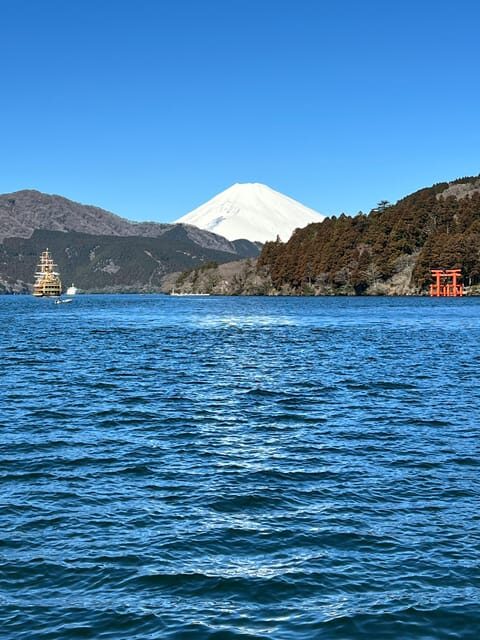
Many first-time visitors start at Arakurayama Sengen Park because it’s a dependable photo deck for Mt. Fuji on clear days. Even if the mountain is partly obscured, the area still has a “where you’re supposed to be” energy—viewpoints, paths, and the feeling that you’ve arrived at the Fuji region.
From there, you continue to Kitaguchi-hongu Fuji Sengen Shrine. This is a good contrast stop after the viewpoint: instead of chasing photos, you slow down for a brief walk and guided context around the shrine’s spiritual role. The tour format includes photo stops plus a short guided segment, so you’re not left guessing what you’re looking at.
Timing here is tight but not rushed. The shrine visit is relatively short, and that’s useful because it keeps the day moving toward the bigger moments—especially if you want to maximize daylight for Fuji views.
Mt. Fuji 5th Station: the most dramatic bet, with an extra ticket
If you choose the Fuji itinerary, the star moment is the Mt. Fuji 5th Station. This isn’t just a scenic stop; it’s a threshold moment where the whole vibe changes from lakeside Japan to high-mountain territory.
There’s an important practical note: the Fuji 5th Station entry ticket is not included and costs ¥2100 per group. So factor that into your budget when you compare value. For a private tour price, that extra cost isn’t shocking, but it does affect total spend.
Also, manage expectations about how “Fuji” it will feel on the day. Even in peak season, cloud cover can hide the peak. The good news is that the rest of the route still includes multiple Fuji-framed viewpoints and lakeside locations, so you won’t leave empty-handed if visibility is poor.
Lake Kawaguchi and the ropeway: where the mountain meets calm water
After the shrine and Fuji 5th Station, the day shifts into the lakes zone. Lake Kawaguchi is the kind of stop that rewards slow walking. It’s paced in a way that lets you breathe and get your bearings, and the schedule includes about an hour of time here for sightseeing and photos.
There’s also a boat cruise listed for this segment. Separately, there’s a ropeway option tied to the Kawaguchi area (boat and cable/rope elements aren’t included in the base price). These rides can be worth it when visibility is good, because they offer angles you don’t get from the shore.
One practical tip: wear layers. The water area can feel cooler than you expect, and you’ll likely move between viewpoints with different wind and sun conditions.






Oishi Park: flowers and Fuji framing, timed for the best photos
Oishi Park is a classic stop for Fuji views with a floral theme. The tour plan includes break time, photo stops, a guided portion, and additional free time, with time set aside for both walking and shopping. In other words, it’s designed to be flexible: you can focus on photos, or you can just enjoy the stroll and the atmosphere.
Season matters here. The park is known for seasonal blooms, so if you go during a period when flowers are at their best, the views feel more colorful and less like a plain viewpoint stop. If the season is calmer, you still get the framing and the open-air feeling.
Oshino Hakkai: traditional ponds, calm pacing, and easy photo wins
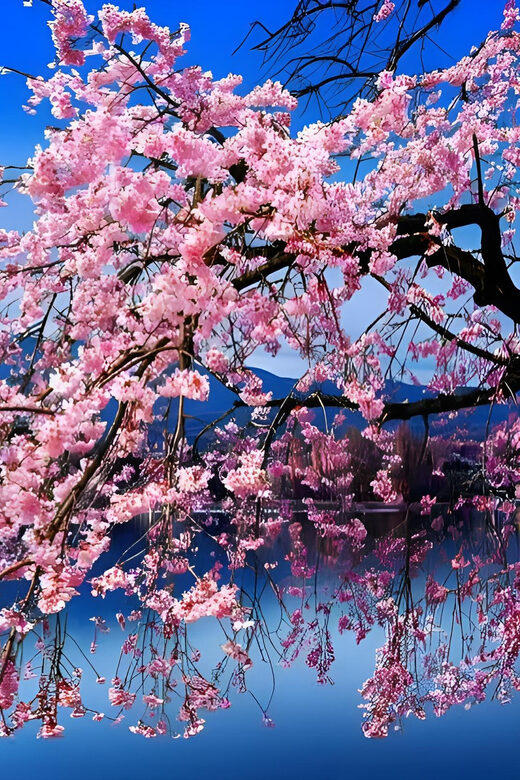
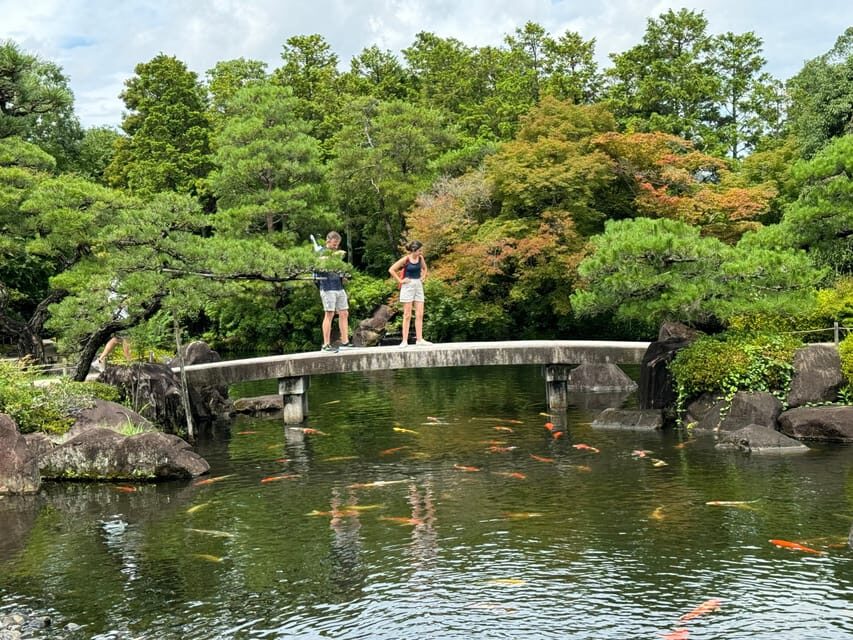
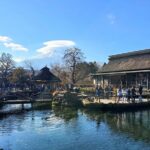
The Fuji day ends at Oshino Hakkai, a traditional village known for clear spring-water ponds fed by Mt. Fuji’s melting snow. This is one of the most satisfying stops because it’s not just scenic—it’s also a compact place to experience a slice of rural Japan without committing to an overnight stay.
The schedule includes photo stops, guided tour time, and free time plus shopping. That mix matters. You get the story behind the ponds, then time to wander at your own pace, snap photos from multiple angles, and enjoy simple food tasting if you want it.
This is also a good moment to reset after heavier transit. The walking is manageable, and you’re not constantly in vehicle-and-stop mode.
Hakone’s aerial transport and Lake Ashi cruise: moving through scenery
If you choose the Hakone itinerary, the day has a more “journey” feeling. You’ll start by revisiting Arakurayama Sengen Park and Oishi Park, then head into Hakone proper with elevated transport.
The plan includes the Hakone Ropeway, which is a cable car ride designed for wide views. As you go up, you’re essentially gaining a higher vantage point over valleys and toward Lake Ashi. It’s the kind of ride where you’ll want a window seat and patience for the moment when the view locks into place.
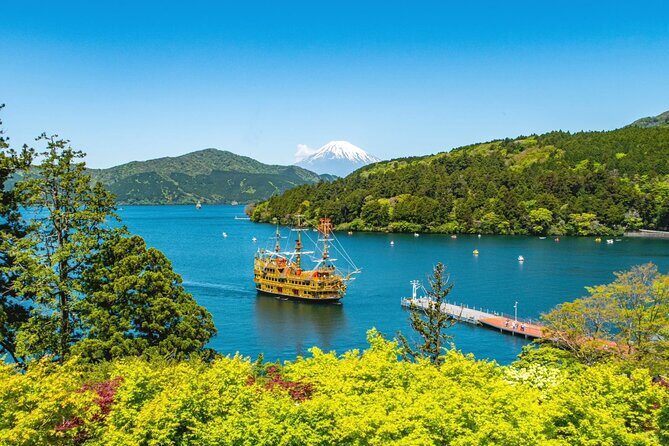
After that, you take a sightseeing cruise on Lake Ashi. This is a classic Hakone experience because the lake gives you a different perspective than road stops do. The cruise path is set up for scenic relaxation, and you can often spot the famous torii gate shape associated with Hakone Shrine from the water.
One key practical detail: the boat cruise and cable car tickets are not included. So check your budget before you assume the tour price covers everything.
Owakudani Valley and the cable car segment: sulfur views and line risk
Your Hakone route includes a stop at Owakudani Valley, plus time for photo stops, visiting, free time, shopping, and sightseeing. Owakudani is known for natural sulfur activity, and this stop tends to feel more dramatic than the calm-water segments.
It also comes with a timing reality: Hakone’s most popular transit connections can have waiting time, especially around the cable car area. Even if you can’t predict the exact line length, you can plan your mindset around it. If you care about minimizing time spent in queues, try to keep a flexible schedule mindset and be ready to adjust in the moment with your guide.
Hakone Open Air Museum: a calmer end to a long day
The final stop on the Hakone itinerary is the Hakone Open Air Museum. This is a strong choice for a day that otherwise leans heavy on transport and scenic lookouts. The museum sits in a natural setting and mixes sculpture and installations with outdoor space, so you’re not just watching scenery—you’re walking through it in a slower, more reflective way.
It’s also a useful way to end the day because the pacing shifts. Instead of chasing the next view from a roadside pull-off, you have time for strolling and taking your time with art placed in nature.
Price and value for a private group up to five
The price is $338 per group up to five people, for a 10-hour private tour. On paper, it’s not a budget deal, but private transportation with an English-speaking guide/driver often costs a lot more when booked line-by-line.
Here’s why it can still feel good value:
- Parking fees and fuel/toll charges are included, so you’re not dealing with surprise costs while driving.
- You’re paying for time and coordination, not just a list of stops.
- You’re not splitting your attention between transit changes.
Now the budget reality check: lunch is not included, and key entry/ticket costs are extra. You should plan for:
- Mt. Fuji 5th Station ticket: ¥2100 per group
- Boat cruise and cable car tickets: not included
If you have a full group of five, the per-person cost drops a lot. If you’re closer to two people, the value can still work, but you’ll feel those extra tickets and the long day more.
Also consider that weather affects “value” in a real way. If Fuji is clear, this tour feels like a highlight reel. If clouds sit on top, you may still enjoy the shrines, towns, lakes, and Hakone views, but you might miss the mountain’s full drama.
English guide quality: the difference between a stop list and a story
What makes this tour feel more like a day with a helpful local than a checklist is the guide time. The driver/guide is English-speaking, and the experience format includes photo stops, guided segments, and walk-throughs at multiple places.
In feedback tied to this service, guides named Ali and Khan are praised for giving clear English explanations and driving well. Another guide, Zohib, is specifically mentioned as accommodating and willing to tailor the day. I’d treat that as a good sign: when the guide can adjust to your interests, you get more meaning from the same sights.
Even if your priority is just photos, having someone point out what you’re actually seeing saves time. You’re not left standing in front of something wondering what’s important.
Who should book this Fuji and Hakone private day
This is a strong fit if:
- you want one-day efficiency and hate transit hassle
- you’re traveling as a group of friends or family (up to five)
- you care about viewpoint stops plus at least one deeper moment (shrines, Oshino Hakkai, or a museum)
- you’d rather have a guide manage the flow than you self-drive and time everything
It’s less ideal if:
- you’re trying to keep costs as low as possible and don’t want to add separate tickets
- you’re very sensitive to waiting around cable car connections
- you prefer a fully self-guided day with no scheduled rhythm
In plain terms: if you want your Fuji and Hakone day to feel curated by a competent driver-guide, this does that. If you only want the cheapest route, you can probably build your own trip with trains and buses, but you’ll be trading away comfort and coordination.
Should you book this private Fuji and Hakone tour?
I’d book it if you want the convenience of pickup/drop, the comfort of a private vehicle, and the confidence that you’ll hit key sights without spending your day chasing schedules. The best part is that you can choose a Fuji-heavy route or a Hakone-heavy route, so the day can match your interests instead of forcing a one-size plan.
But book with eyes open. Add the extra ticket costs in your budget, and remember that Fuji visibility depends on weather. If you go in with flexibility—and you’re okay focusing on the experience even when the peak is hidden—you’ll likely come away thinking this was money spent well.
FAQ
Where can this tour pick me up and drop me off?
Pickup options include Tokyo, Fujiyoshida, Yokohama, and Hakone. Drop-off locations include Fujiyoshida, Hakone, Yokohama, and Tokyo.
Is this tour private, or do I join other travelers?
It’s a private group tour for your group and friends, with an English-speaking driver/guide.
How long is the tour?
The tour duration is 10 hours.
What is included in the price?
Included are parking fees, fuel/toll charges, a private vehicle, and an English-speaking driver/guide. Lunch is not included.
Are tickets for the Fuji 5th Station and the transport rides included?
No. Entry ticket for Mt. Fuji 5th Station is an extra ¥2100 per group. Entry tickets for the boat cruise and cable car are also not included.
Can I cancel and get a refund, and is pay-later available?
Free cancellation is available up to 24 hours in advance for a full refund. There is also a reserve now & pay later option.