REVIEW · TOKYO
Tokyo: Mt. Fuji, Owakudani, Hakone Shrine, & Open-Air Museum
Book on GetYourGuide →Operated by JTOURSTORY · Bookable on GetYourGuide
Hakone hits like three trips in one: art outdoors, volcano steam, and lake calm. I really like how this one-day tour stitches together Hakone Open-Air Museum, Owakudani, and Lake Ashi without making you fight transit. The possible catch is that traffic and weather can shuffle the order, and Mt. Fuji views aren’t guaranteed.
Two big wins for me are the open-air museum and the way the day is guided. The museum setting turns sculpture into scenery, and you’ll find famous names like Henry Moore and Joan Miró, plus a Picasso gallery. Then your guide helps you hit the next stops efficiently—one guide even rearranged timing to improve chances for Mt. Fuji and to avoid the most chaotic moments at Hakone Shrine.
If you’re hoping for perfect conditions and a rigid schedule, plan for flexibility. On rainy days, clouds can swallow views, and the day still runs through volcanic steam and lakeside walking—so comfortable shoes matter more than you’d expect.
In This Review
- Key things you’ll remember from this Hakone day tour
- Tokyo to Hakone in one day: why the timing matters
- Hakone Open-Air Museum: Henry Moore and Miró in a garden setting
- Owakudani volcanic valley: steam vents and sulfurous terrain
- Hakone Shrine and Lake Ashi: the torii gate in the water
- Optional ropeway and pirate ship: add-ons that depend on weather
- Price and value: what $79 covers and what it doesn’t
- Practical tips that make the day smoother
- Who should book this Hakone day trip (and who might not)
- Should you book this Hakone day tour?
- FAQ
- What is included in the tour price?
- Are meals provided during the day?
- Do I need to buy tickets for the ropeway or pirate ship?
- Will I see Mount Fuji for sure?
- What should I bring?
- What if I’m traveling with a stroller or an infant?
Key things you’ll remember from this Hakone day tour
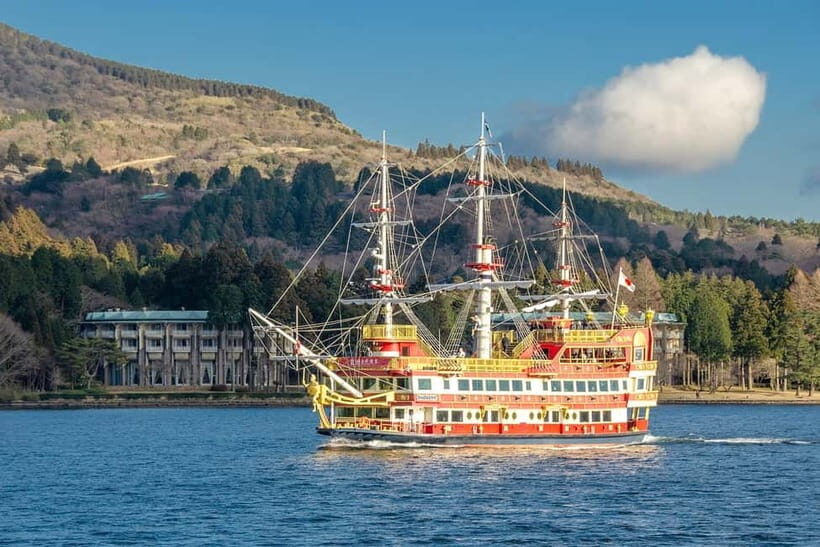
- Hakone Open-Air Museum: sculptures in gardens with works by Henry Moore, Joan Miró, and a Picasso section
- Owakudani volcanic valley: dramatic geothermal activity you can actually stand near and see
- Hakone Shrine on Lake Ashi: that classic torii gate scene in the water, plus a calmer lakeside vibe
- Guide-led timing: your route may adjust for traffic and weather to make the day flow better
- Optional ropeway and pirate ship: easy to add when conditions cooperate
Tokyo to Hakone in one day: why the timing matters
Hakone is one of those places where you can burn hours bouncing between sights. This tour is built to keep that from happening. You get transportation, an English and Korean-speaking guide, and tickets so you can focus on the places instead of the puzzle.
That said, it’s still Japan—so expect real-world movement. The itinerary can shift based on traffic and weather, and there’s also a practical rule that vehicles can’t run more than 10 hours, which can influence how the day is paced. The upside? When guides are good at what they do, you spend less time waiting and more time walking.
A nice detail from real tour experiences: guides don’t just follow a script. On one rainy-day plan, the guide reorganized stops so the group reached Hakone Shrine and Lake Ashi early, then added a lake crossing by boat and cable car legs afterward—exactly the kind of sequencing that can change how the day feels.
You can also read our reviews of more museum experiences in Tokyo


Hakone Open-Air Museum: Henry Moore and Miró in a garden setting
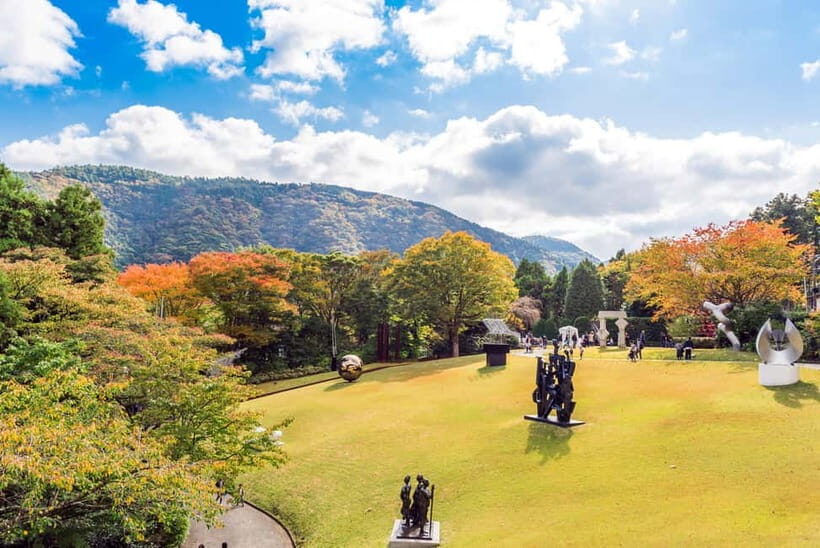
This is the easiest stop to enjoy right away because the setting does half the work. The Hakone Open-Air Museum is Japan’s first open-air art museum, and the idea is simple: place sculpture where nature can frame it. That means your brain gets a break from city life, even while you’re looking at high-level works.
What you’ll focus on here:
- A sculpture-and-garden layout that makes you slow down naturally
- Major artists’ works, including Henry Moore and Joan Miró
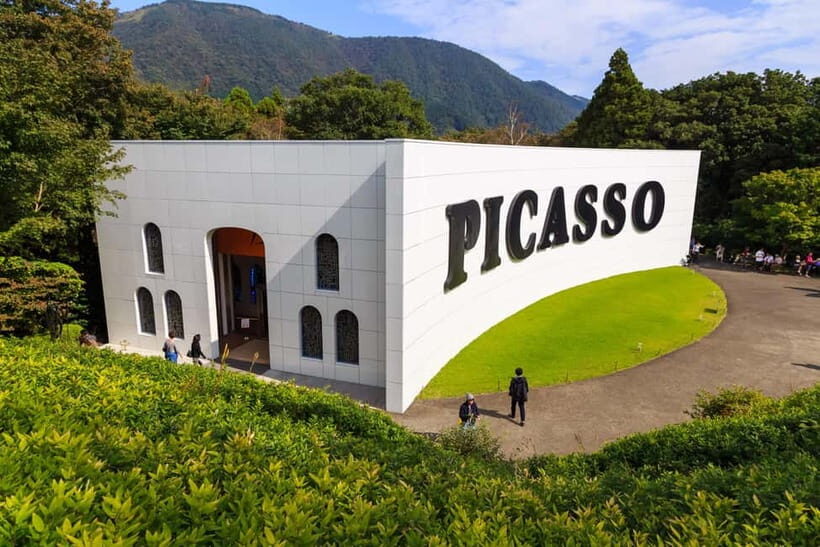
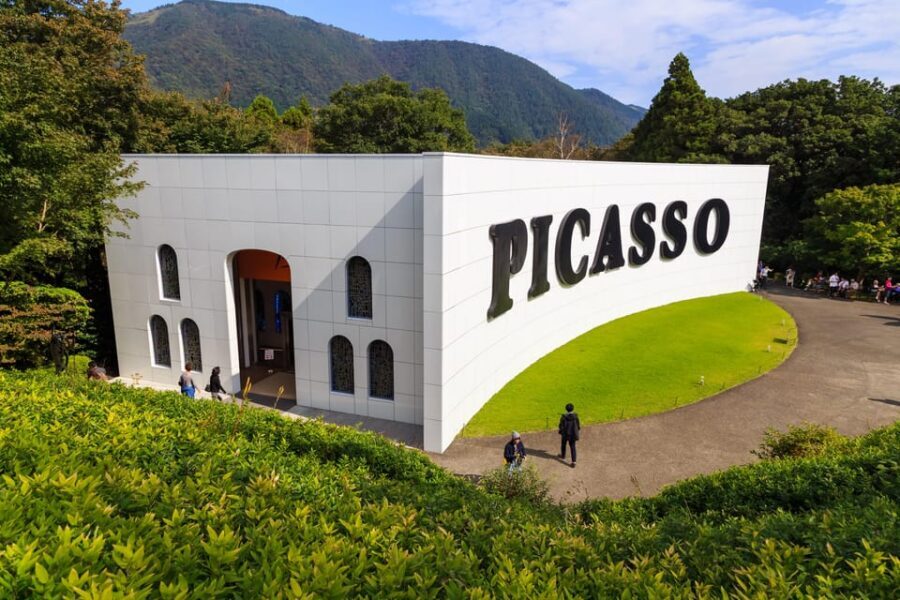
- A dedicated Picasso gallery area that gives you a more focused contrast to the outdoor pieces
In practical terms, this stop is valuable because it works even when the weather is imperfect. You can pace yourself among the installations without it feeling like you’re rushing through a single indoor room. And since it’s a guided day, you’re not left wondering what to prioritize.
One more bonus: you’re not just seeing art—you’re also seeing how Hakone’s mood translates into the way things are displayed. Outdoor sculpture reads differently when there are trees, paths, and changing light around you.
Owakudani volcanic valley: steam vents and sulfurous terrain
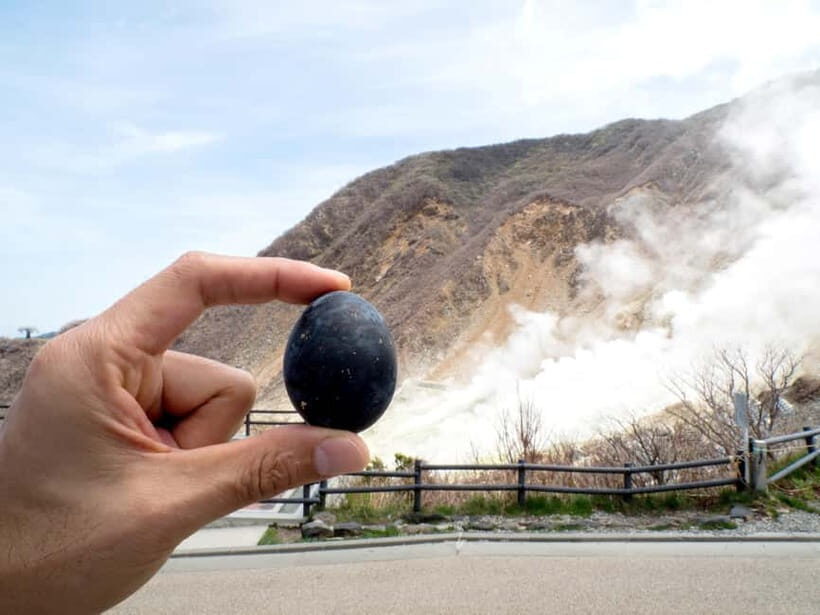
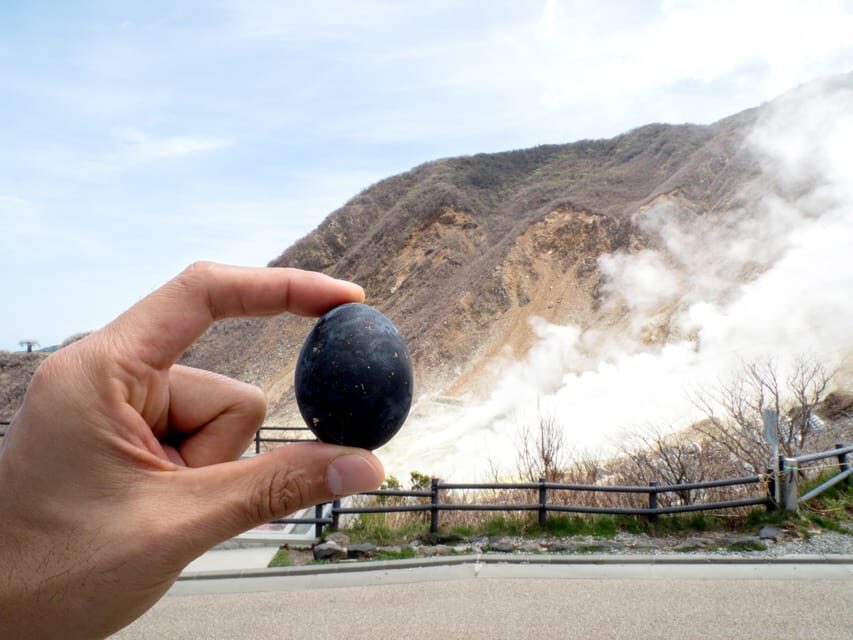
Next comes the part that feels like a science field trip without the homework: Owakudani. This is an active volcanic valley known for sulfur-related geothermal activity. You’ll see steam vents and the kind of sulfurous, earth-forward atmosphere that makes Hakone feel genuinely alive.
Why this stop is worth building your day around:
- You get direct visual drama, not just a distant viewpoint
- The walking feels short and purposeful, because the sights are concentrated
- Even if you’ve seen volcanic areas elsewhere, Owakudani has a specific “right here, right now” energy
There’s also a practical note: weather can change how comfortable this feels. If it’s misty, rainy, or windy, steam can swirl differently and visibility can drop. Still, that doesn’t erase the experience—it just means you’ll appreciate it more for atmosphere than photos.
Also, the tour may add or swap transport segments depending on conditions, so you might find that your route to and from Owakudani uses cable car or other connections when the schedule allows. Your guide will help you figure out what to do on-site.
Hakone Shrine and Lake Ashi: the torii gate in the water
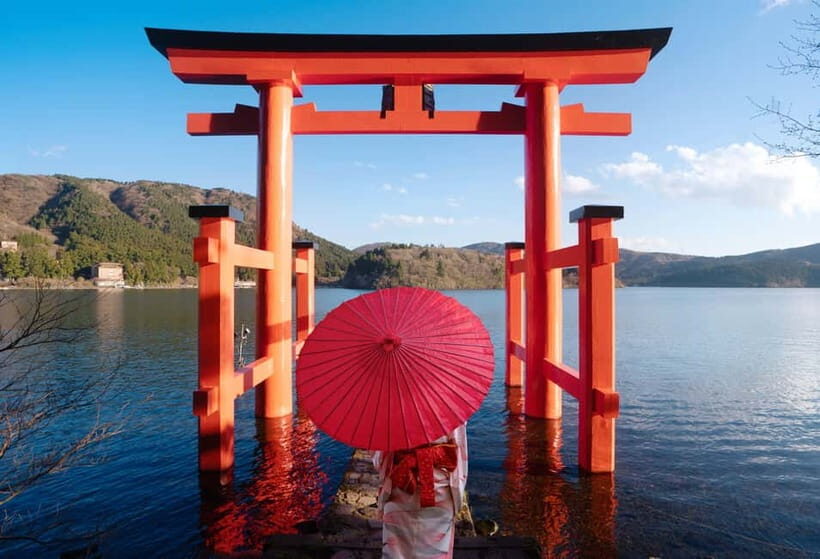
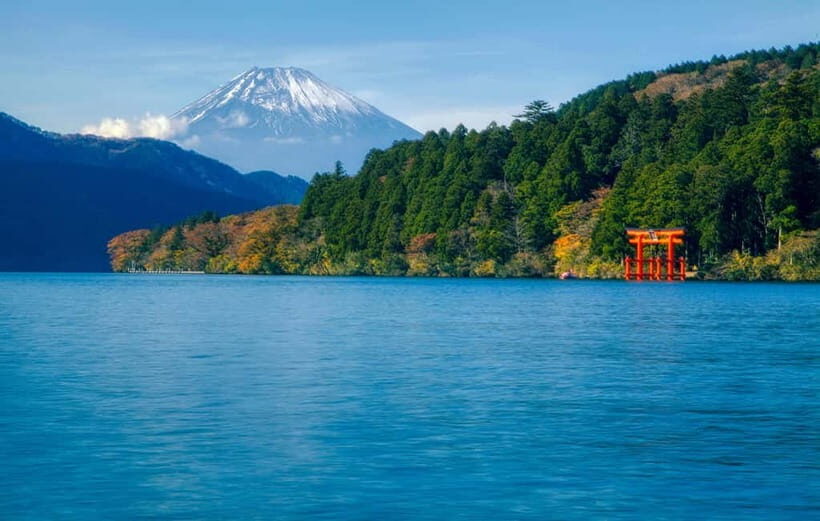
After steam and sulfur, Hakone shifts gears into calm. Hakone Shrine by Lake Ashi is where you get that iconic torii gate look—an image people associate with Hakone, because the shrine sits at the foot of Mount Hakone and the gate appears right out over the lake waters.
What makes this stop special is the contrast:
- The shrine area is quieter and slower than the volcanic zone
- Lake Ashi frames the views with mountains and forest around the water
- It’s a strong photography moment, especially when the sky behaves
If you’re the type who likes details, there are a couple of small rituals you can take part in. One guide tip that stuck with me: offerings of 5 yen are considered especially auspicious. If you want to try that, bring some small coins with you.
Another smart tip: a guide suggested bringing a bottle so you can fill it with the mineral water at the shrine area. That’s an easy, low-effort way to make the stop more memorable—and more useful—during a long day.
Timing helps here too. One experience describes arriving early so the shrine area wasn’t competing with the loudest crowds. That’s exactly why this kind of tour can feel better than DIY.
Optional ropeway and pirate ship: add-ons that depend on weather
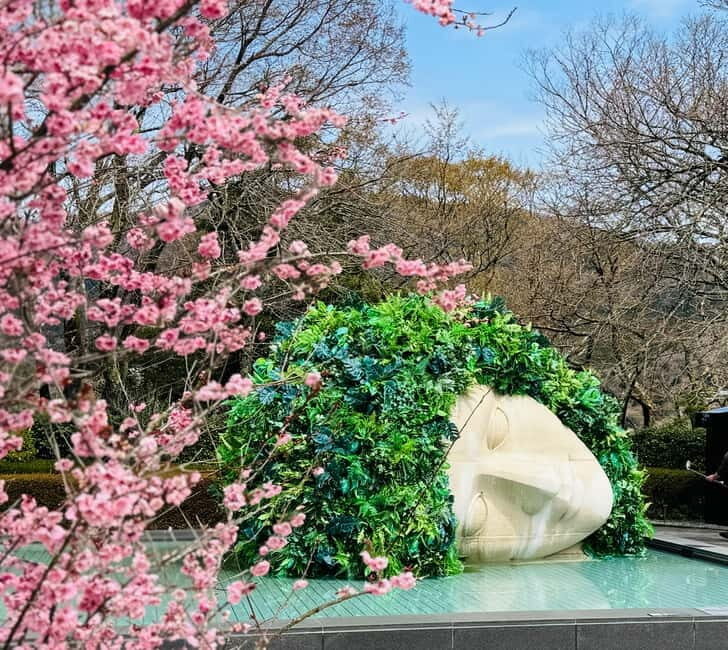
Two optional extras commonly come up: the Hakone Ropeway and a boat ride on the Pirate Ship across Lake Ashi. They’re not included, but they’re typically simple to add on-site if conditions are good.
Here’s the honest way to think about them:
- If it’s clear enough for good views, the ropeway and boat can boost the scenery payoff
- If it’s rainy or visibility is low, you’re still doing something fun, but don’t expect magic views on demand
You’ll also notice that guides sometimes sequence these add-ons to make the day flow. One plan arranged a lake crossing by boat first, then moved to Owakudani via cable car connections afterward, then wrapped up with the museum. That kind of structure helps you avoid backtracking and makes the day feel tighter.
My advice: if you’re deciding last-minute, follow your guide’s call. With volcanic steam, lake weather, and changing visibility, the “best” choice might shift within the hour.






Price and value: what $79 covers and what it doesn’t
At $79 per person, this tour can be a strong value if you care about saving time and reducing stress. Here’s what’s included:
- Transportation
- An English and Korean-speaking guide
- Admission tickets for the included attractions
Not included:
- Meals
- Traveler’s insurance
- Personal expenses
- Ropeway ticket and Pirate Ship ticket (optional on-site purchase)
The real value isn’t only the price—it’s the efficiency. Hakone isn’t just one sight; it’s a cluster, and it takes work to connect them smoothly from Tokyo. A guided day like this helps you move between art, geothermal sights, and lakeside history without getting tangled in transit.
Also, the tour is structured for a one-day experience, which matters if your Japan schedule is tight. If you’re short on time, paying for a packaged route often costs less in stress than trying to stitch together buses, cable cars, and museum entry on your own.
Practical tips that make the day smoother
A few small things make a noticeably bigger difference on this kind of outing:
- Wear comfortable shoes. You’re walking in museum grounds and around volcanic terrain, plus lakeside areas.
- Bring a snack or light lunch. Meals aren’t included, and having something on hand keeps you comfortable while waiting between stops.
- Pack for weather changes. Even if the day starts fine, Hakone can turn damp. Rain gear and an umbrella can keep you moving instead of stopping.
- Consider a bottle for mineral water at the shrine area, especially if your plan includes Hakone Shrine early.
- If you want to join the offering ritual, bring some 5 yen coins.
From the experiences shared, guides are also willing to help with on-the-spot decisions about ropeway or boat options. That matters because those add-ons depend on weather and local operations.
Who should book this Hakone day trip (and who might not)
This tour fits best if:
- You want a classic Hakone mix in one day: art outdoors, volcano sights, and Lake Ashi scenery
- You don’t want to wrestle transit while trying to hit multiple locations
- You like having a guide who can adjust timing for traffic and weather
You might consider another approach if:
- You prefer a super-long, slow, unstructured day where you control every minute
- You’re traveling with a stroller and need a plan that may require extra notification ahead of time (the tour asks you to inform them if you’ll bring one)
One more note: infants are free of charge, but there’s no seat available, so think about how that affects comfort for your family.
Should you book this Hakone day tour?
If your goal is a high-impact day trip from Tokyo, I’d say yes—especially if you want the Hakone Open-Air Museum plus both Owakudani and Lake Ashi without spending your precious time figuring out connections. The biggest strength is the balance: you get art, volcanic drama, and lakeside calm in a single, guided flow.
Book it if you like having someone else manage the order when traffic gets messy. Just go in with flexible expectations for weather—especially for Mt. Fuji visibility—because the guide may reorder stops to improve your chances, but nature has the final say.
If you want Hakone in one day, this delivers the essentials with less hassle and more meaning than a solo sprint between points.
FAQ
What is included in the tour price?
The price includes transportation, an English and Korean-speaking guide, and admission tickets to the included attractions. Meals are not included.
Are meals provided during the day?
No. You’ll want to bring snacks or a light lunch so you can enjoy the attractions comfortably while you’re on the move.
Do I need to buy tickets for the ropeway or pirate ship?
Those are optional and not included. You can purchase them on-site, depending on weather and local conditions.
Will I see Mount Fuji for sure?
Views depend on traffic and weather, and the tour order may be adjusted accordingly. There’s no guarantee, since conditions can change.
What should I bring?
Wear comfortable shoes. It’s also recommended to bring snacks or a light lunch, and a bottle can be handy if you want to fill it with mineral water at the shrine.
What if I’m traveling with a stroller or an infant?
If you bring a baby stroller, you should inform the operator ahead of time. An infant is free of charge, but there is no seat available.