REVIEW · TOKYO
Tokyo: Personalized Half-day Tour
Book on GetYourGuide →Operated by Ian James Kerr · Bookable on GetYourGuide
Tokyo, tailored in just four hours. This personalized half-day tour is built around how you want to spend your time, not a rigid checklist, and you’ll get a live local guide (Ian James Kerr) speaking English and Japanese as you move. I also like that the plan is flexible enough to aim for what you actually care about, whether that’s temples, neighborhood energy, or food-and-culture detours.
One thing to keep in mind: neighborhoods can be far apart in real life, and you may spend some time on foot and underground transit. That worked for some people, but if you have mobility limits or a very specific pace, it’s smart to set expectations early—especially around transportation costs.
In This Review
- Key highlights worth centering in your plans
- How a 4-hour Tokyo tour can actually feel tailored
- The guide-led flow: how your route typically comes together
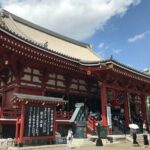
- Asakusa and Senso-ji: where the old Tokyo mood starts
- Shibuya Crossing: seeing contemporary Tokyo without getting stuck in it
- Meiji Shrine: the reset button in the city
- Markets and themed cafes: personalization without losing the plot
- Getting around in 4 hours: what to expect between areas
- Price and value: is $129 per person a good deal?
- Who this personalized half-day tour suits best
- A booking checklist that makes the tour work for you
- Should you book this personalized half-day Tokyo tour?
- FAQ
- How long is the Personalized Half-day Tour in Tokyo?
- Where does the tour take place?
- What languages are available for the live tour guide?
- Is this tour private or shared?
- Can I cancel and get a refund?
- Is there a pay later option?
- What does the tour focus on?
Key highlights worth centering in your plans
- Personalized route: you choose the vibe, then the tour shapes the stops around it
- Private group format: no rushing to match someone else’s agenda
- Ian James Kerr’s on-the-ground guidance: English or Japanese live interpretation
- Classic Tokyo contrasts: Asakusa/Senso-ji, Shibuya Crossing, and Meiji Shrine on the same half-day
- Optional themes like markets or themed cafes: you can steer toward shopping and snacks without losing the city’s bigger picture
How a 4-hour Tokyo tour can actually feel tailored

Tokyo can be overwhelming fast. The streets are busy, the signs are dense, and the subway map looks like a circuit diagram. The real value here is that the time is short on purpose: you get to build a route with a guide who can steer you to the right spots for your interests, instead of spending half your day figuring out where to go next.
At 129 USD per person, the price isn’t just paying for “a walk with a guide.” You’re paying for a private plan that adapts while you’re there. That matters because Tokyo rewards timing and context. For example, the best moment for temple atmosphere or crossing crowds depends on what you’re looking for that day—quiet, photos, snacks, or history cues.
The private format is also a big deal. If you’re traveling as a couple, solo, or with friends, you can slow down at one stop without the group getting pulled away. And if you’d rather swap one shopping-heavy street for a calmer stretch, you’re more likely to get that option in a personalized setup than in a fixed mega-group tour.
A few more Tokyo tours and experiences worth a look


The guide-led flow: how your route typically comes together
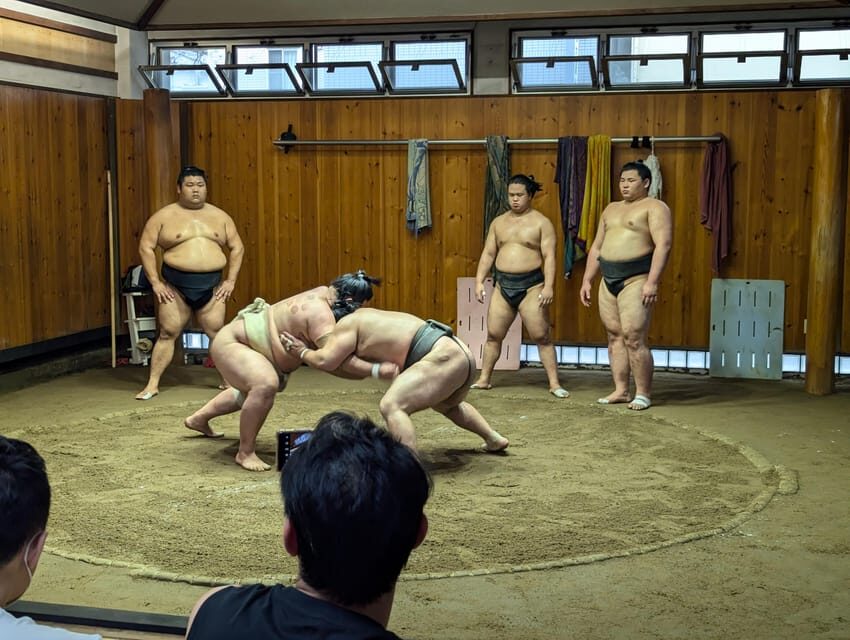
You’re not locked into one “only option” itinerary. This tour is designed so you can steer the half-day toward your preferences. The plan is built around these anchors:
- Asakusa and Senso-ji Temple
- Shibuya Crossing
- Meiji Shrine
Then you can usually adjust the surrounding time with things like traditional markets or themed cafes.
Here’s the practical takeaway: in 4 hours, the guide likely works like a conductor. They’ll keep movement efficient, then spend the majority of your time where you’re most engaged—temple atmosphere, street energy, or a break for food. If you’re trying to see Tokyo’s “old meets new” contrast, these three anchors make that idea easy without needing a full day.
Asakusa and Senso-ji: where the old Tokyo mood starts
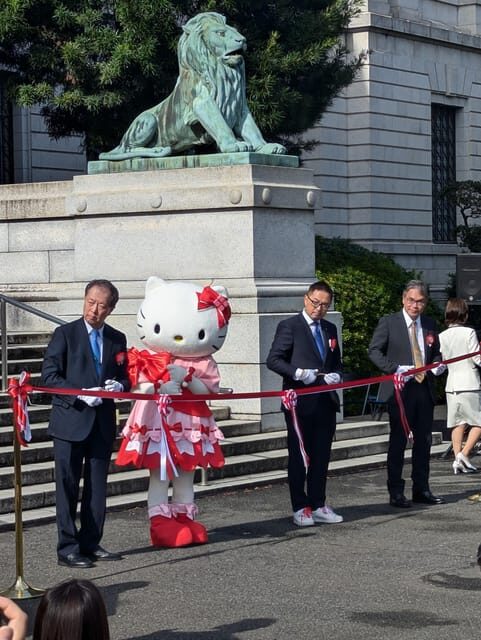
Asakusa is one of the most straightforward ways to get oriented in Tokyo. It’s a place where you can feel the city’s older rhythms while still being in the middle of a modern metropolis.
Senso-ji Temple is the obvious center, but what makes this stop more than a postcard is how your guide can shape what you notice. If you care about culture, you’ll likely get the key context you need to understand what you’re seeing. If you care about food and street life, you’ll have more room to focus on what’s happening around you instead of treating the temple like a quick checkmark.
Why this stop works well in a half-day: Asakusa is both visual and walkable as an area. Even if you don’t want to over-shop, you can still enjoy the atmosphere—especially if you like browsing streets at a comfortable pace.
A caution, based on real-world experience with this kind of area: some people feel it turns into a souvenir maze. If shopping crowds aren’t your thing, tell the guide up front that you want fewer stores and more meaningful stops, even if that means skipping side streets.
Shibuya Crossing: seeing contemporary Tokyo without getting stuck in it
Shibuya Crossing is the kind of landmark that can either be thrilling or exhausting, depending on your expectations. The best version of this stop is when you treat it like a moment—watch the flow, take photos if you want them, then move on before you burn energy.
In a personalized half-day, you can aim for what you want from Shibuya:
- If you like modern urban life, you’ll get the big “Tokyo is now” feeling.
- If you’re more into people-watching, the crossing is a great spot because the energy is constant.
- If you’re not into crowds, your guide can keep the time at the crossing efficient and then route you toward a calmer next step.
Also, Shibuya works as a contrast to Asakusa. That contrast is the whole point of combining these stops in one tour: you don’t just see temples and call it a day—you experience the city’s speed and structure right after its older character.
Meiji Shrine: the reset button in the city
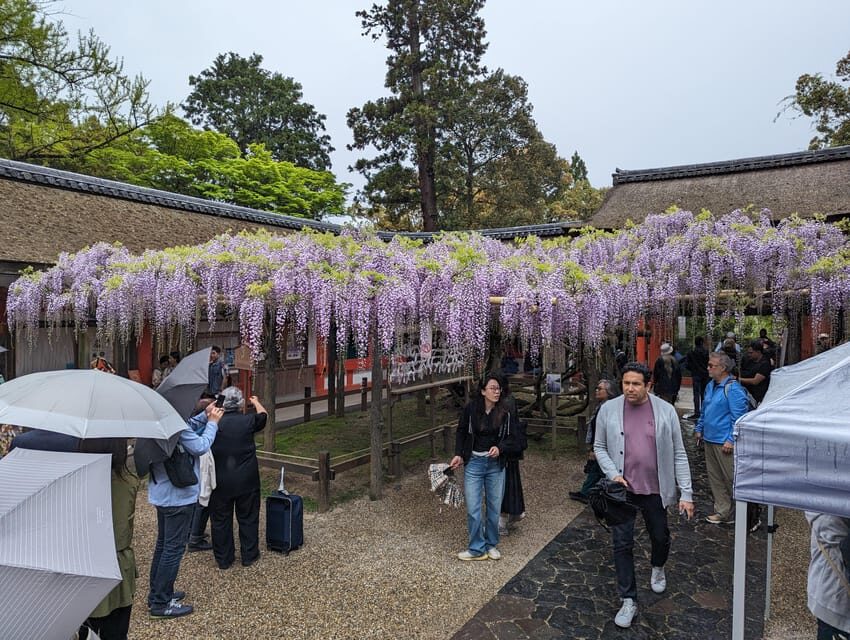
Then you get a different kind of Tokyo: Meiji Shrine. This is where the pace can shift from street energy to something more reflective. Even if you’re not a “temple person,” a shrine visit can be a great mental break in the middle of a busy travel schedule.
What makes this stop valuable on a half-day tour is simple: it gives your trip breathing room. You can slow down your senses, take in the quiet contrast, and let your brain catch up after the crowds around the crossing.
For travelers who care about practical planning: placing a calmer stop like this after busier areas can help you enjoy the whole route instead of feeling like you’re only sprinting for photos. If you’re building a day around comfort, Meiji Shrine is one of your best tools.






Markets and themed cafes: personalization without losing the plot
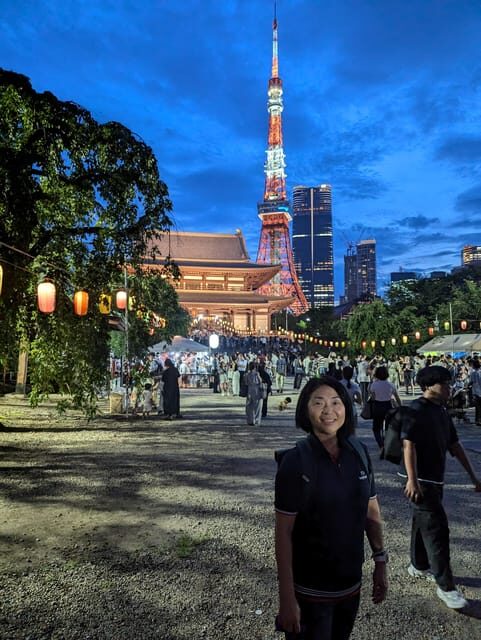
One of the smartest parts of this tour concept is that you’re not forced into an all-sightseeing schedule. Your guide can flex toward:
- Traditional markets
- Themed cafes
This is ideal if you want Tokyo through the lens of daily culture, not just famous landmarks. Food and small cultural moments are often where Tokyo becomes memorable—especially in a short visit.
But you’ll want to guide the guide. If you love browsing and snacks, markets and themed cafes can be perfect. If you’d rather avoid too much retail (or you’re sensitive to crowded interiors), you can ask for a tighter mix: one food stop plus a calmer street or walking segment, then back to the anchor sights.
A small strategic move: if you have a short time window, pick one “themed” experience max. More than that can turn into time lost to lines, menus you can’t read quickly, or detours that don’t add enough to your route.
Getting around in 4 hours: what to expect between areas
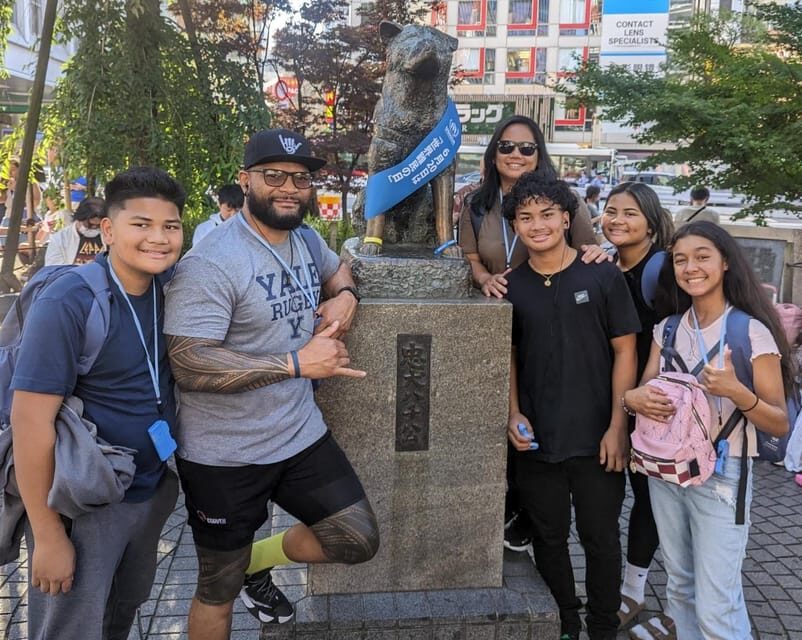
Tokyo travel is a lesson in transitions. Even with a guide, moving between Asakusa, Shibuya, and Meiji Shrine can involve walking plus underground routes or taxis depending on timing and your comfort level.
That’s where you should think like a planner:
- If you’re okay with a bit of transit time, you’ll still get to enjoy each anchor area.
- If you dislike underground segments or you want to minimize them, say so early and adjust the route accordingly.
- If you have mobility needs, ask about how the tour will handle them.
One booking outcome flagged a transport surprise for someone using a cane: they had to pay 110,000 yen for a rental car. That’s not something you should assume will happen to you—but it’s a strong reason to clarify mobility support and whether vehicle help has extra cost.
A practical rule: if accessibility is part of your plan, ask direct questions before you go. You want to avoid last-minute decisions that affect your budget or comfort.
Price and value: is $129 per person a good deal?
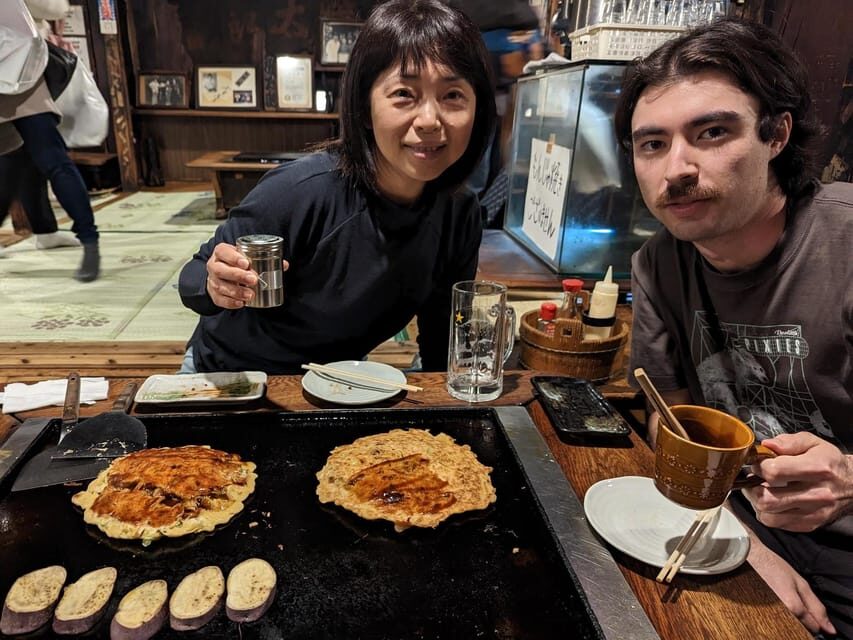
$129 USD for 4 hours can be fair value in Tokyo when personalization is real. Here’s how to judge whether it’s worth it for you:
It’s a strong value if:
- You’re short on time and want the anchors covered with context
- You want a route built around you, not a scripted group schedule
- You’d rather spend money on guidance than on figuring out the subway maze solo
It may feel steep if:
- You don’t care about story/context and mainly want “walk and photos”
- You dislike souvenir-heavy areas and want a very specific kind of local neighborhood that isn’t guaranteed
- You prefer a totally independent plan and don’t want any guide-driven decision-making
The middle ground: this tour is best when you treat it as a navigation and interpretation service. Not just transportation, but guidance about what to prioritize, how long to stay, and how to keep your half-day from feeling like a rushed checklist.
Who this personalized half-day tour suits best
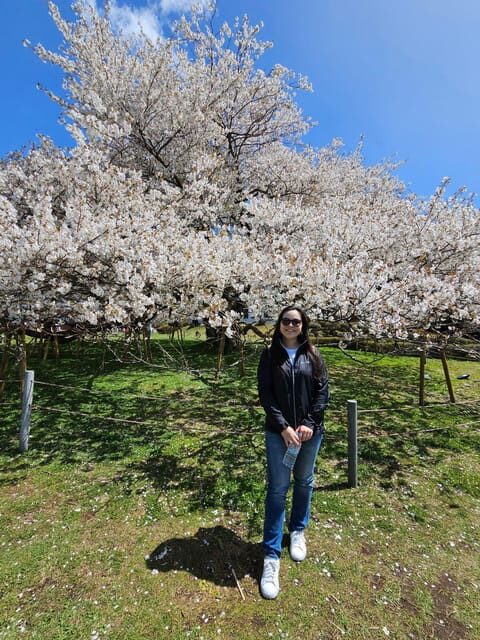
This is a smart fit for:
- First-time visitors who want a fast, balanced introduction to Tokyo’s contrasts
- Travelers who like having options—temples plus modern energy plus a calm break
- People who enjoy food culture, especially if they want markets or themed cafes added to the route
It may be less ideal if:
- You want only off-the-beaten-path neighborhoods with minimal shopping
- You’re very sensitive to crowds or long indoor transit stretches
- You have specific accessibility or transport requirements and haven’t confirmed how the tour will support them
A booking checklist that makes the tour work for you
To get the best version of this personalized plan, I’d prepare a few preferences before you meet the guide. Keep it simple:
- Pick your top two interests: temples/culture, shopping/food, modern city energy, calm nature
- Say what you want to avoid: souvenir stores, too much underground travel, long walking stretches
- If mobility is a factor, ask upfront about how the guide plans to handle it and whether extra transport costs could apply
A good guide will treat these like building blocks. The tour works when you help shape the priorities.
Should you book this personalized half-day Tokyo tour?
If you want an easy win—classic Tokyo sights with flexibility—this tour is worth serious consideration. The strongest part of the experience is how it stays adaptable: you get Asakusa/Senso-ji, Shibuya Crossing, and Meiji Shrine as anchors, then you can steer the surrounding time toward your interests like traditional markets or themed cafes. With Ian James Kerr leading the private group in English or Japanese, it’s also designed to reduce the friction that makes short trips feel stressful.
Book it if your goal is a guided, context-rich Tokyo snapshot that you can shape. Skip it (or at least rethink it) if you need a very low-transit, low-crowd day, or if you want an experience that avoids tourist-heavy shopping areas altogether.
If you’re flexible and you communicate your pace and preferences, this half-day can feel like Tokyo was organized around you—which, in a city this big, is exactly what you want.
FAQ
How long is the Personalized Half-day Tour in Tokyo?
The tour duration is 4 hours.
Where does the tour take place?
It’s in Tokyo, Honshu, Japan.
What languages are available for the live tour guide?
The live tour guide is available in English and Japanese.
Is this tour private or shared?
It’s a private group experience.
Can I cancel and get a refund?
Yes. You can cancel up to 24 hours in advance for a full refund.
Is there a pay later option?
Yes. You can reserve now and pay later, keeping your travel plans flexible.
What does the tour focus on?
The tour is personalized around your interests, typically combining Asakusa (including Senso-ji Temple), Shibuya Crossing, Meiji Shrine, and flexible add-ons like markets or themed cafes.